
Nainen kanootissa, luonnos — History & Facts
A figure emerges quietly from a wash of pale color, her form just distinct enough to suggest the gentle rhythm of rowing. The eye is drawn first to the shimmer of water, rendered in loose, almost transparent strokes of blue and pink, which cradle the canoe and its solitary occupant. The woman, seated upright and dressed in light tones, is both present and elusive—her features barely indicated, her hat a soft accent against the darker band of distant water.
The spareness of detail leaves space for the viewer’s imagination, while the play of light on water hints at a fleeting moment, a study in motion and reflection rather than a finished narrative. Works like Nainen kanootissa, luonnos by Albert Edelfelt belong to a world where artists turned their gaze outward, capturing leisure, nature, and modern life in swift, atmospheric sketches. In the late nineteenth and early twentieth centuries, such scenes—often made for private enjoyment, practice, or as preparatory studies—reflected a fascination with the outdoors and the changing roles of women in society. This piece, now held in the Finnish National Gallery’s collection, is a fragment of that era’s visual diary, its unfinished quality a reminder of how much remains unsaid in the margins of art history.
The viewer is left with a sense of possibility, invited to linger in the quiet between brushstrokes.
More Artworks by Albert Edelfelt

The Day of Rest
Albert Edelfelt
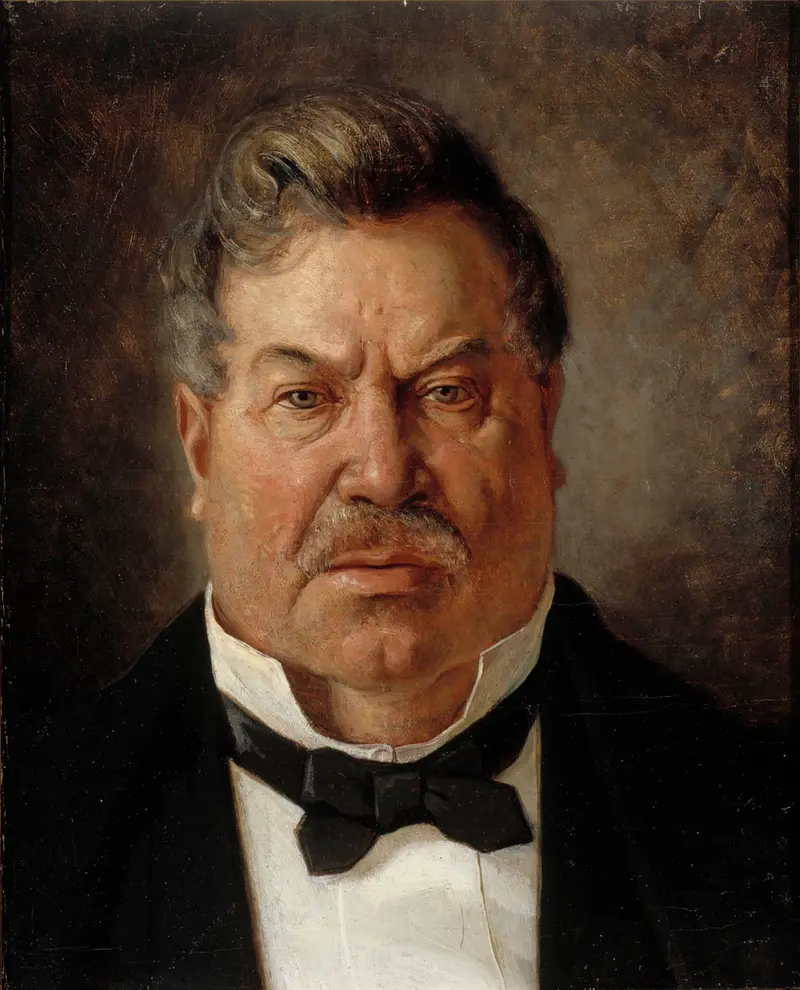
Portrait of August Streng
Albert Edelfelt
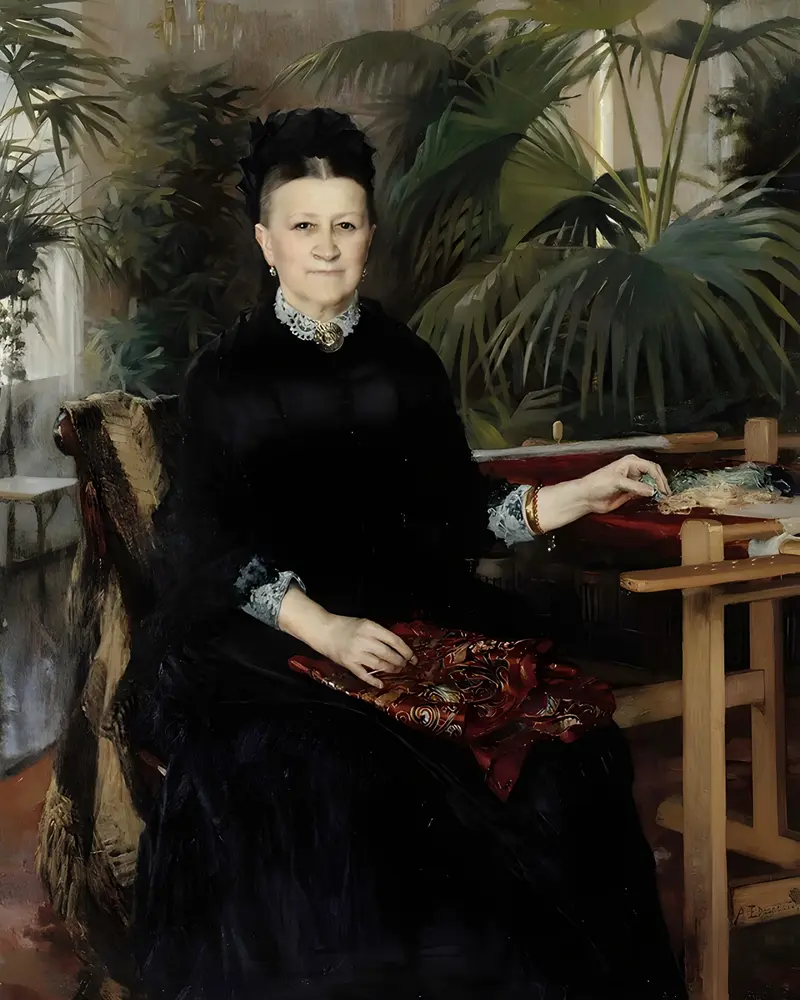
Portrait Of Mrs. Anna Sinebrychoff
Albert Edelfelt

The Poet, Larin Paraske
Albert Edelfelt

Parisian lady in a Peignoir
Albert Edelfelt
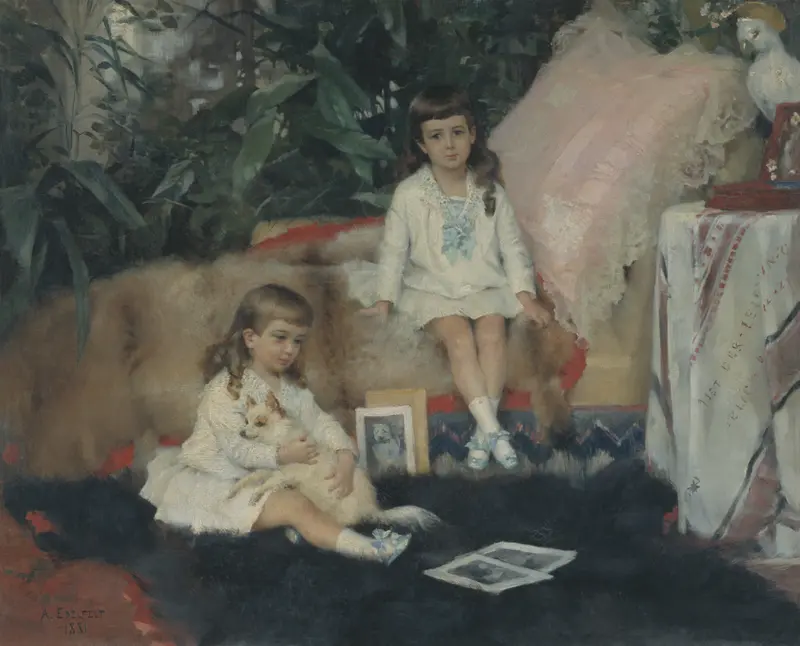
The Grand Dukes Boris and Kirill Vladimirovich as Children
Albert Edelfelt
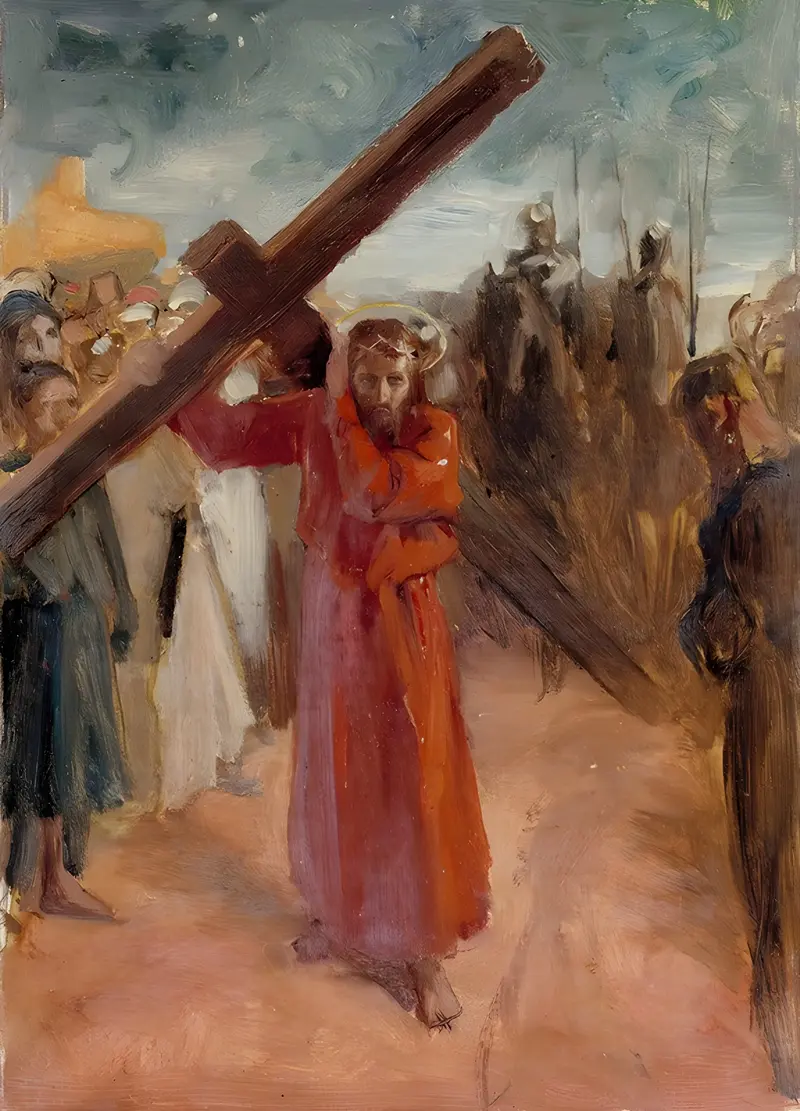
Christ Bears The Cross
Albert Edelfelt
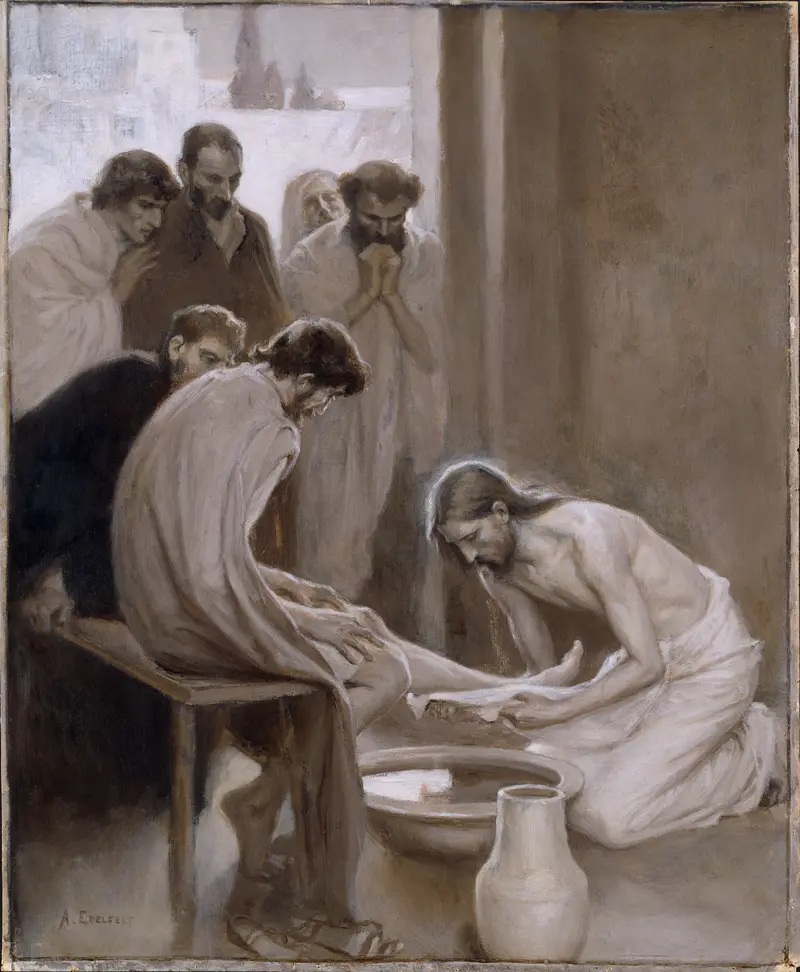
Jesus Washing the Feet of his Disciples
Albert Edelfelt

Larin Paraske with Kantele
Albert Edelfelt
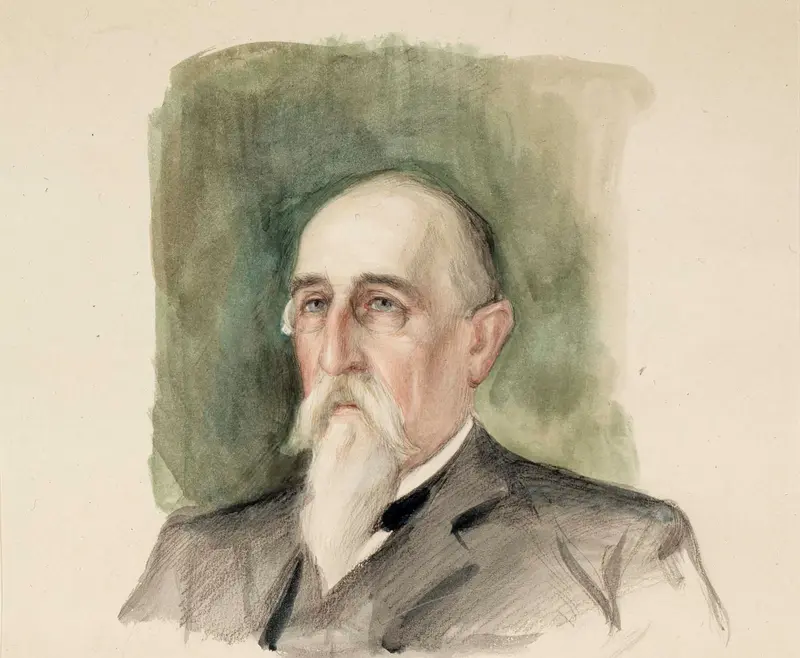
Leo Mechelin, Portrait Study
Albert Edelfelt



