
Nakamaro views the Moon in China — History & Facts
Nakamaro views the Moon in China by Tsukioka Yoshitoshi presents a serene night scene. The artwork features a solitary figure, Nakamaro, gazing at the moon, surrounded by a tranquil landscape. The colors are rich and deep, with blues and blacks dominating the sky, while the moon shines brightly.
The setting evokes a sense of contemplation and connection to nature. This piece is a woodblock print, a traditional Japanese technique known as Ukiyo-e. The details are finely rendered, showcasing Yoshitoshi's skill in capturing intricate patterns and textures. The print likely uses multiple colors layered to create depth and vibrancy.
Viewers can appreciate the craftsmanship in the way light reflects off the moon and the subtle gradients in the sky. Tsukioka Yoshitoshi was a prominent figure in the Ukiyo-e movement during the late Edo and early Meiji periods. This work reflects the cultural exchange between Japan and China, as Nakamaro was a historical figure who traveled to China. An interesting fact about this print is that it captures a moment of solitude and reflection, which was a common theme in Yoshitoshi's later works.
His ability to blend historical narratives with personal emotions makes this piece significant.
More Artworks by Tsukioka Yoshitoshi

Frost fills the air and the autumn air is still/lines of returning geese cross the moon in the third hour-Kenshin, from the series Twelve Aspects of the Moon
Tsukioka Yoshitoshi
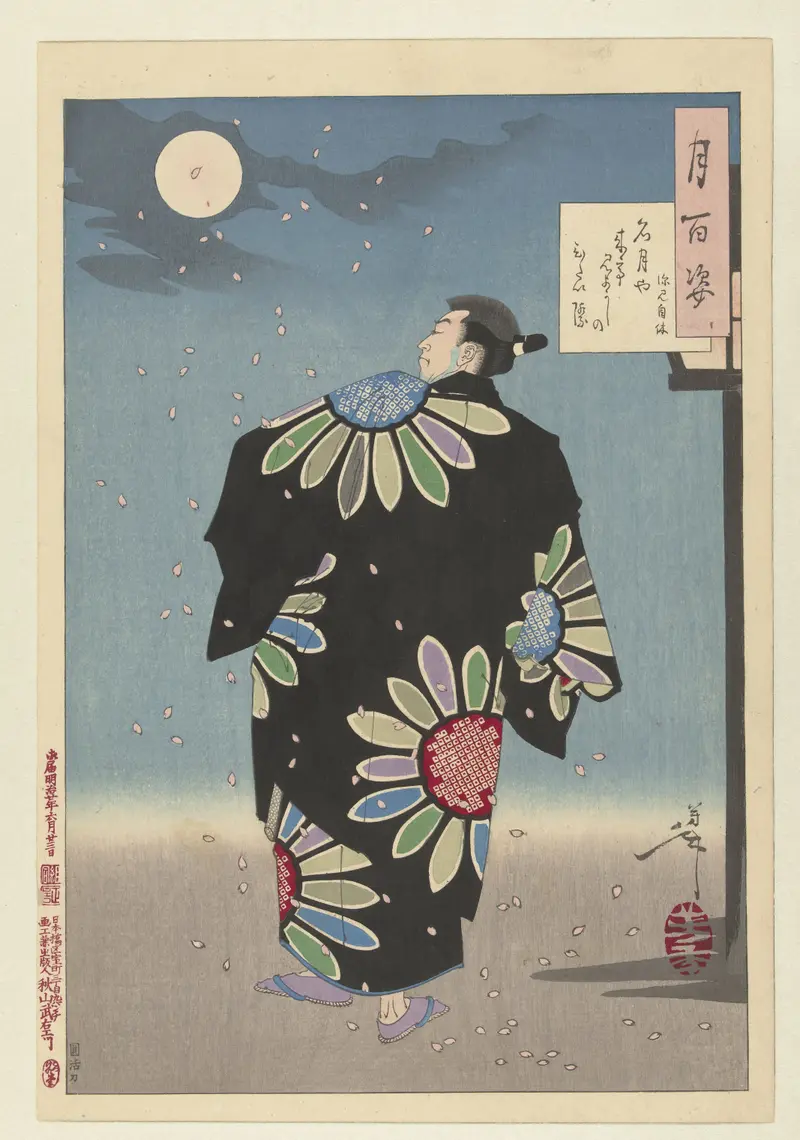
Fukami Jikyu in maanlicht
Tsukioka Yoshitoshi
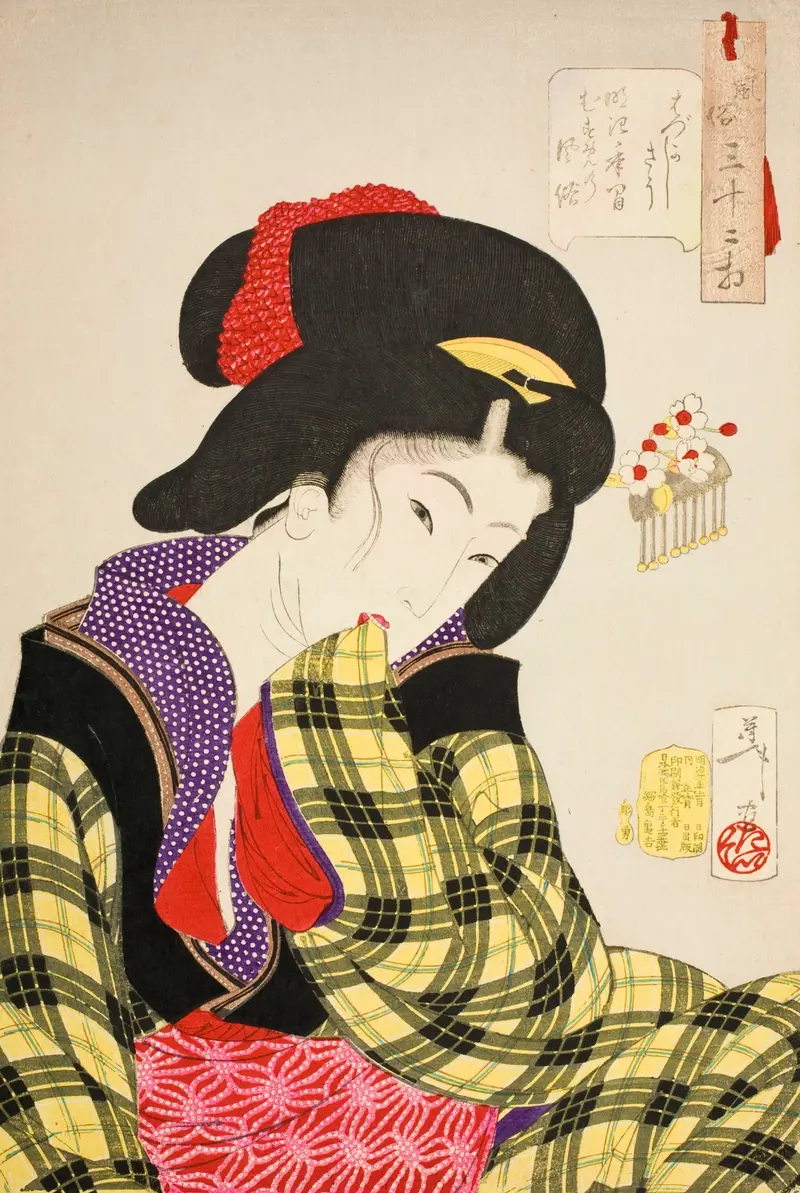
Looking Shy; The Manners of a Young Girl of the Meiji Era
Tsukioka Yoshitoshi
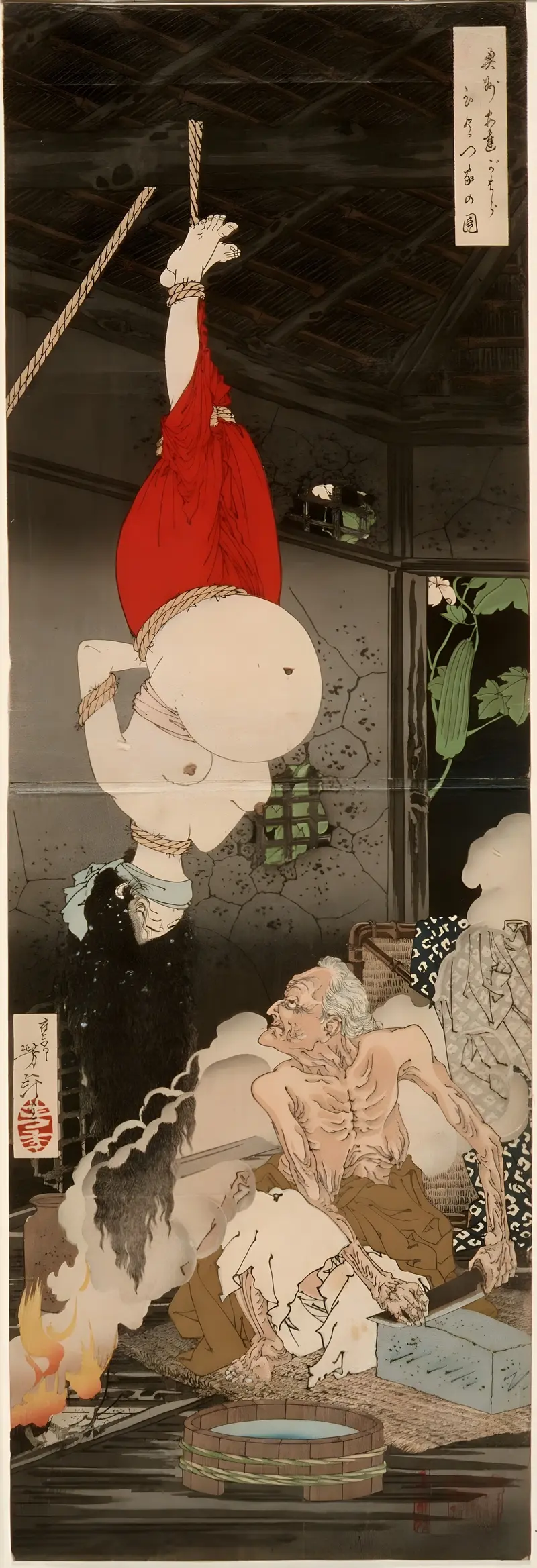
The Lonely House on Adachi Moor in Northern Japan
Tsukioka Yoshitoshi
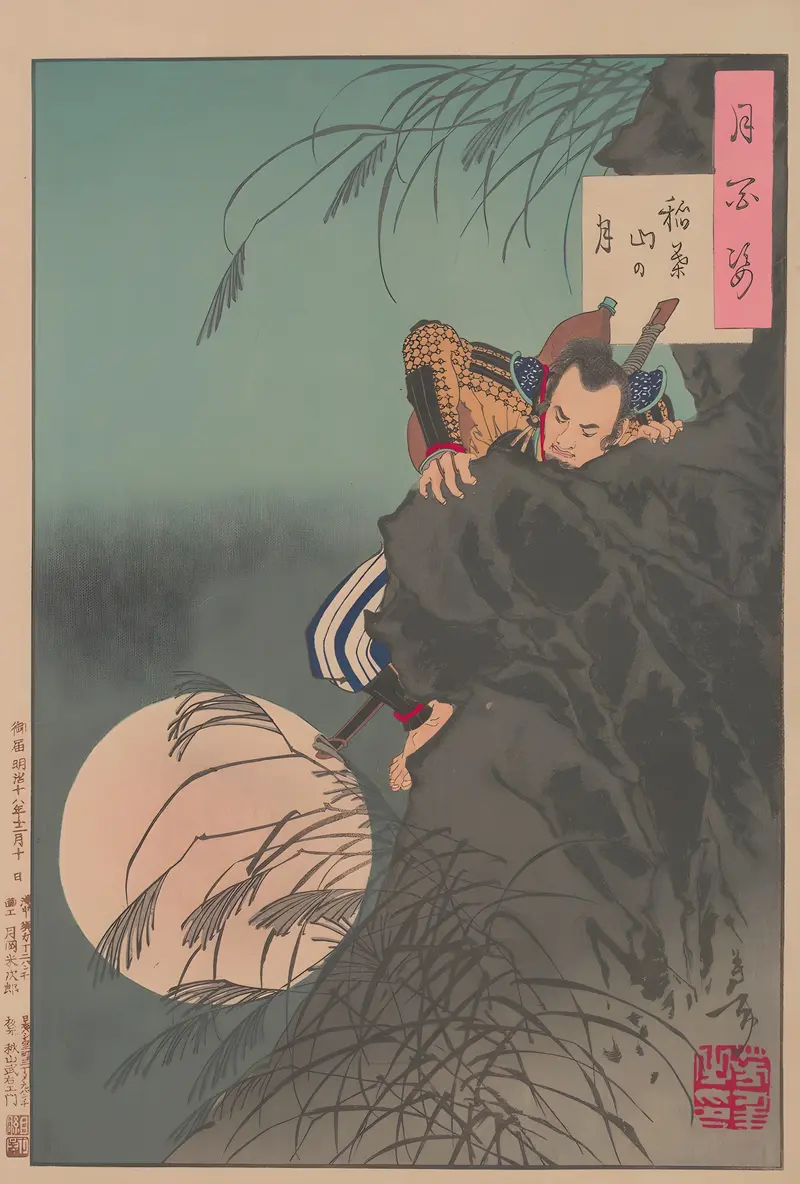
Inaba Mountain moon (Inabayama no tsuki)
Tsukioka Yoshitoshi
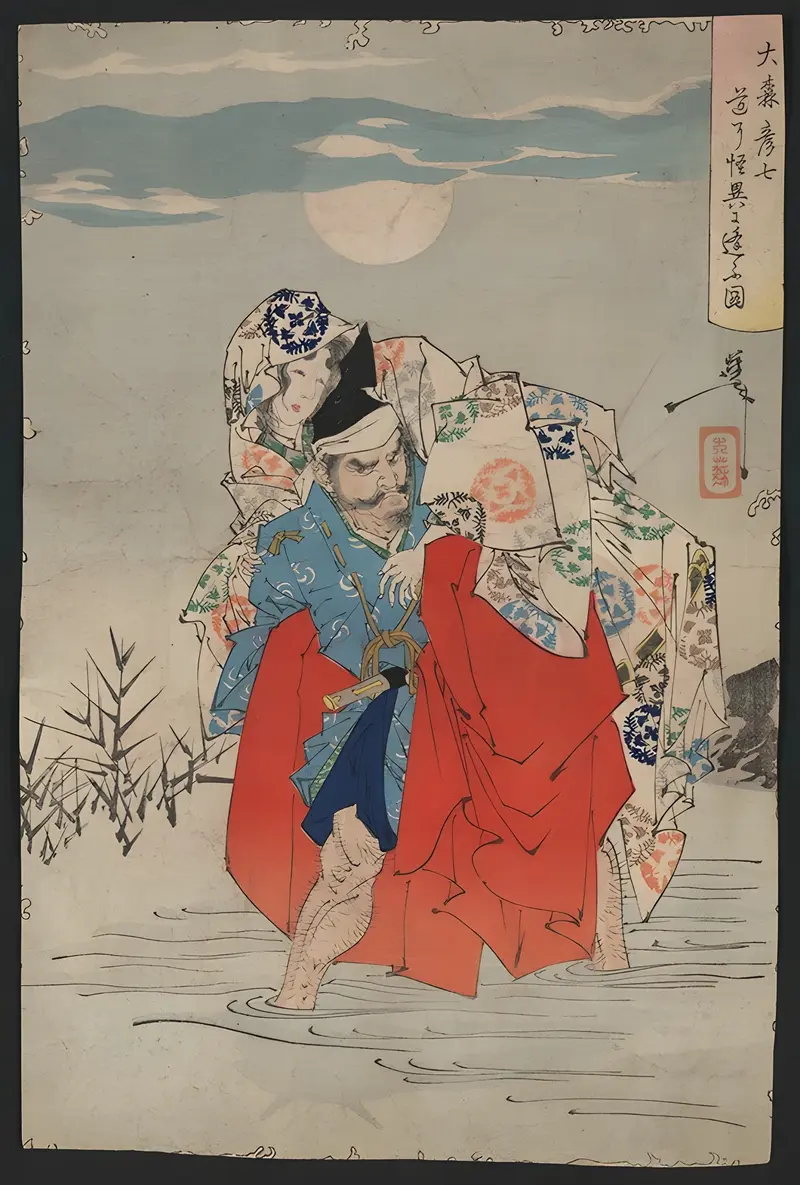
Omori Hikoshichi
Tsukioka Yoshitoshi
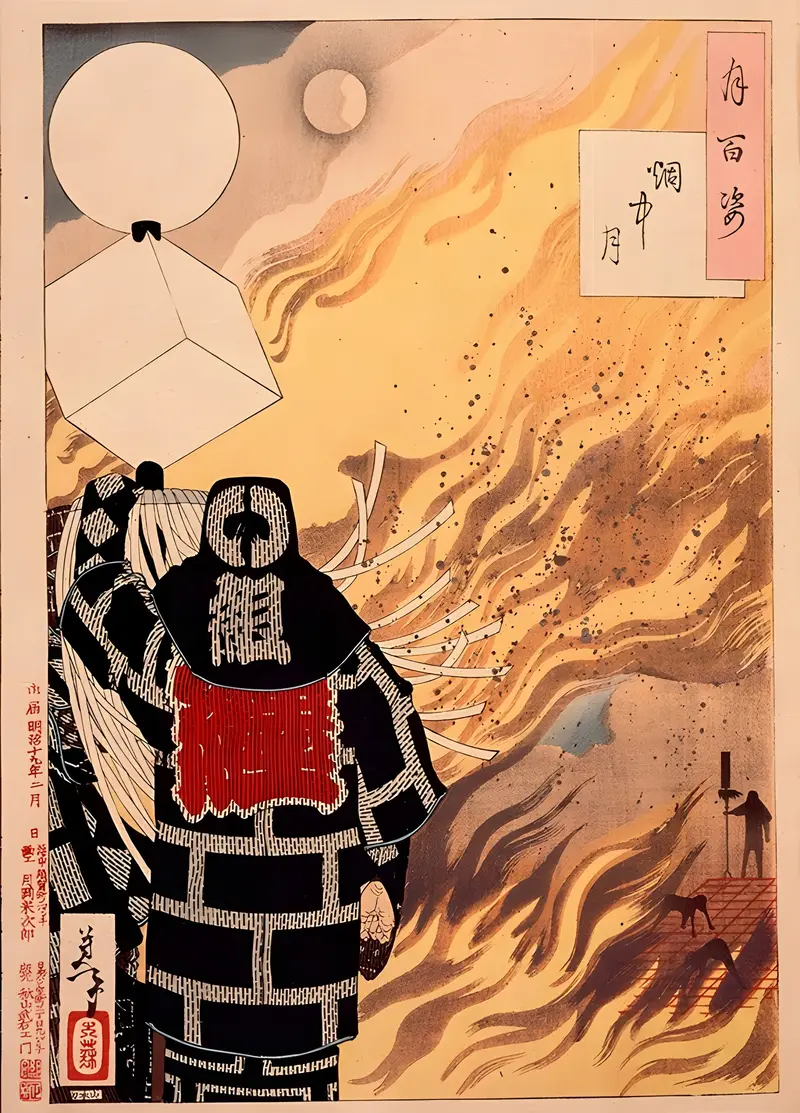
One Hundred Aspects of the Moon
Tsukioka Yoshitoshi
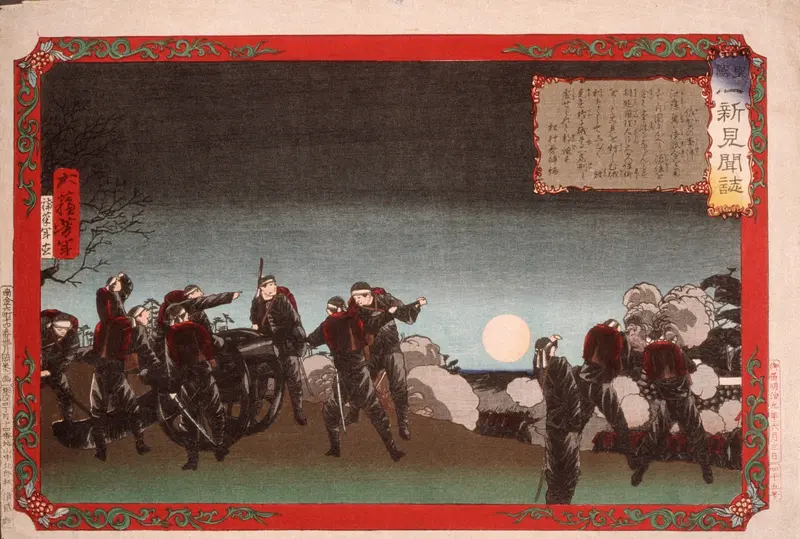
The Saga Incident
Tsukioka Yoshitoshi
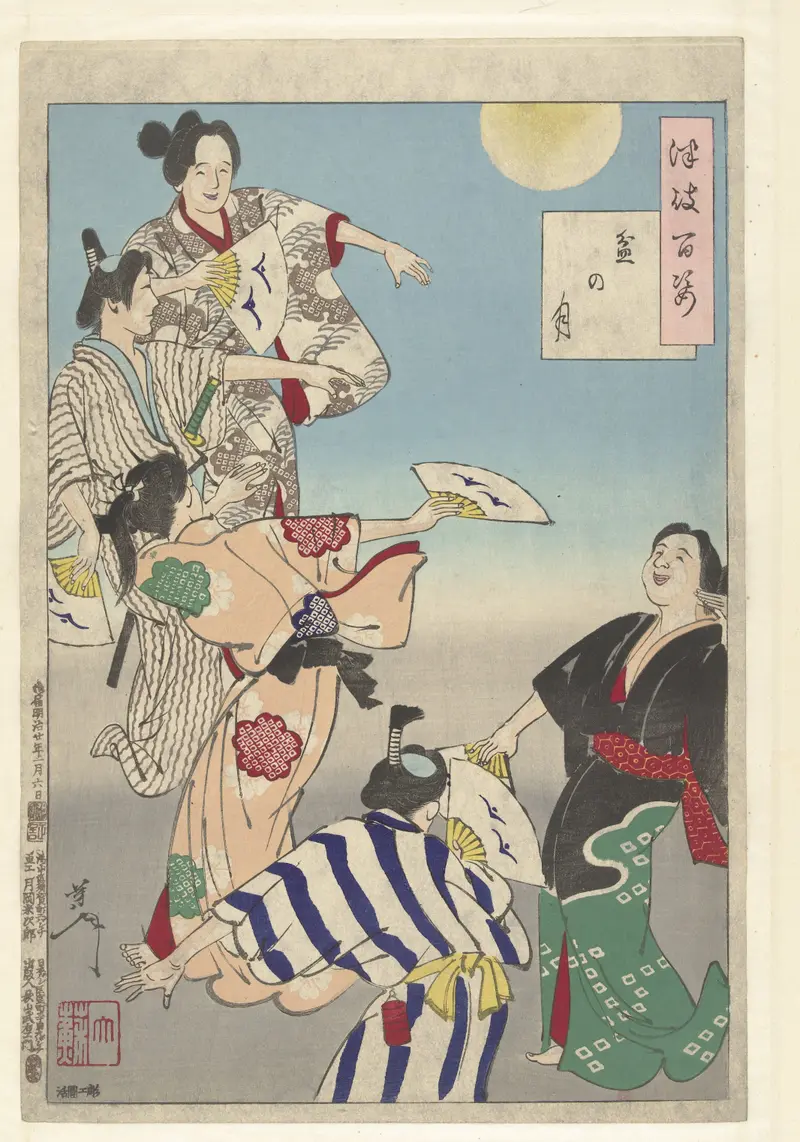
Bon Festival Moon (Bon no tsuki)
Tsukioka Yoshitoshi
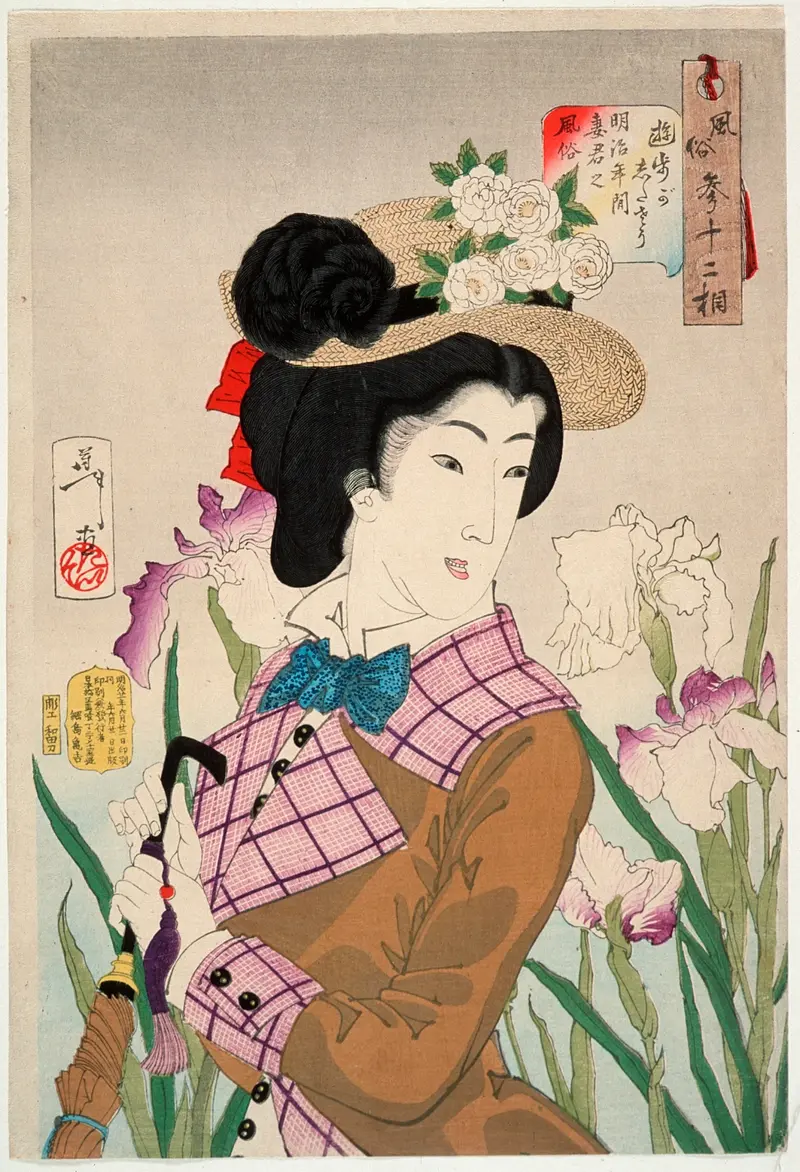
Preparing to Take a Stroll; The Wife of a Nobleman of the Meiji Period
Tsukioka Yoshitoshi





