
Naked Hyaena of the Deserts of Nubia — History & Facts
In Naked Hyaena of the Deserts of Nubia, the viewer is greeted by a striking depiction of a hyaena set against a barren desert landscape. The colors are earthy, with warm browns and sandy yellows dominating the scene. The hyaena, rendered in a realistic manner, stands out with its distinctive features and posture.
The background suggests an arid environment, hinting at the harsh conditions of Nubia. This painting is executed in oil on canvas, showcasing Charles Hamilton Smith's attention to detail and naturalism. The brushwork is precise, capturing the texture of the hyaena's fur and the rugged terrain of the desert. The composition is balanced, with the hyaena positioned prominently in the foreground.
The use of light and shadow adds depth, enhancing the three-dimensional quality of the scene. Charles Hamilton Smith was known for his interest in natural history and wildlife, often blending art with scientific observation. Naked Hyaena of the Deserts of Nubia reflects his fascination with exotic animals and their habitats. An interesting fact about this work is that it was likely inspired by Smith's travels and studies in North Africa, where he sought to document the region's unique fauna.
This painting serves as a testament to the intersection of art and science during the 19th century.
More Artworks by Charles Hamilton Smith

Marengo, Bonaparte’s Arab
Charles Hamilton Smith
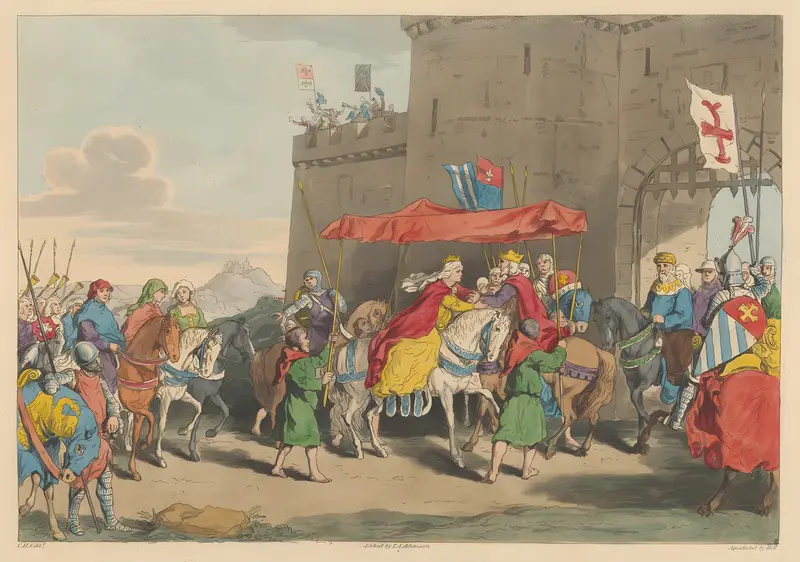
Costume of the Reign of King Henry III
Charles Hamilton Smith
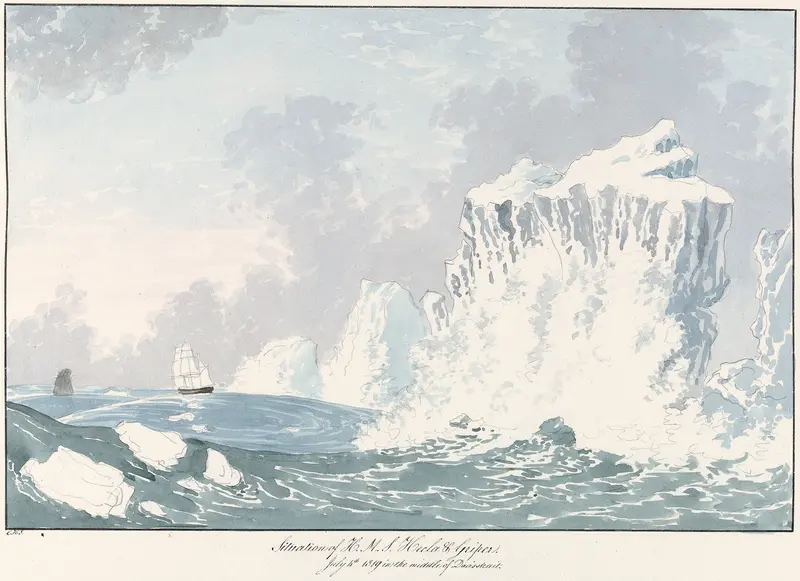
Situation of H.M.S. Hecla & Griper
Charles Hamilton Smith
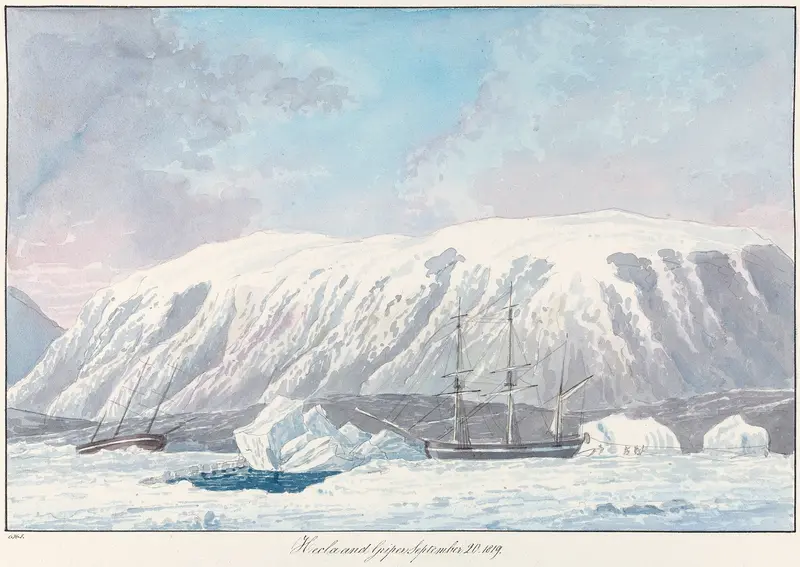
Hecla and Griper
Charles Hamilton Smith
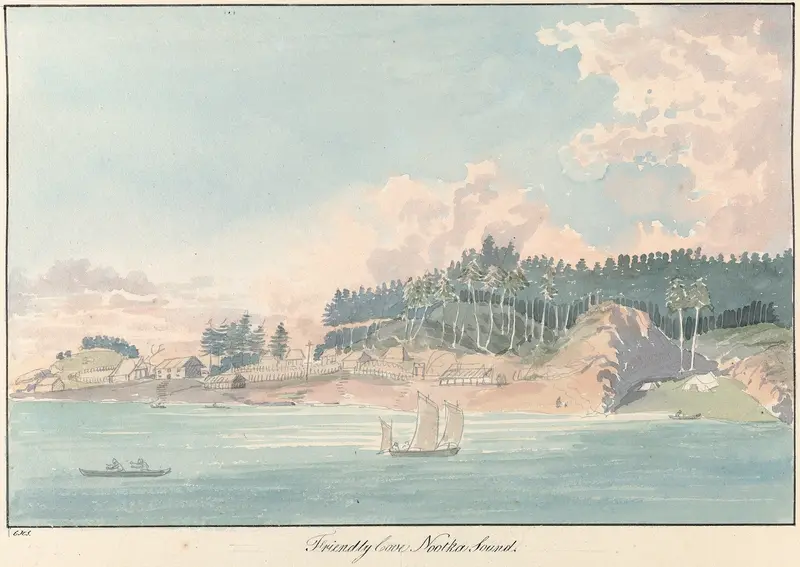
Friendly Cove, Nootka Sound
Charles Hamilton Smith
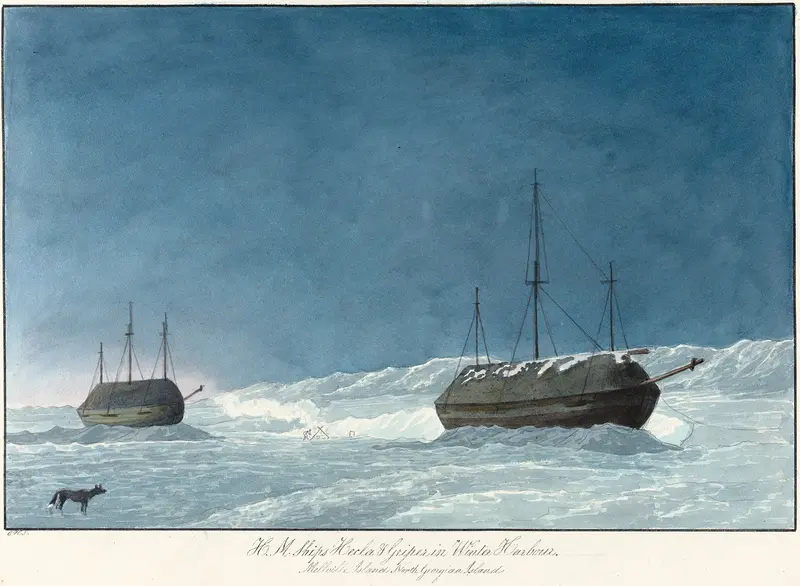
H. M. Ships Hecla and Griper in Winter Harbour
Charles Hamilton Smith
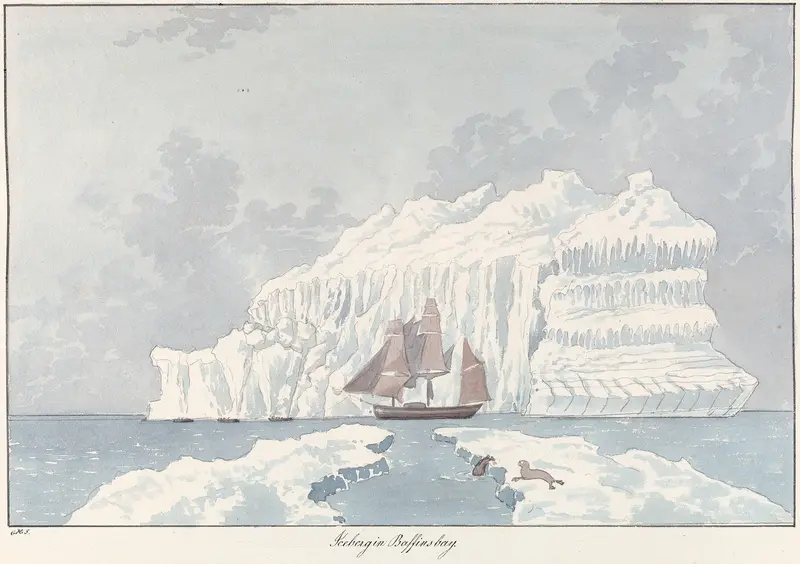
Iceberg in Baffin’s Bay
Charles Hamilton Smith
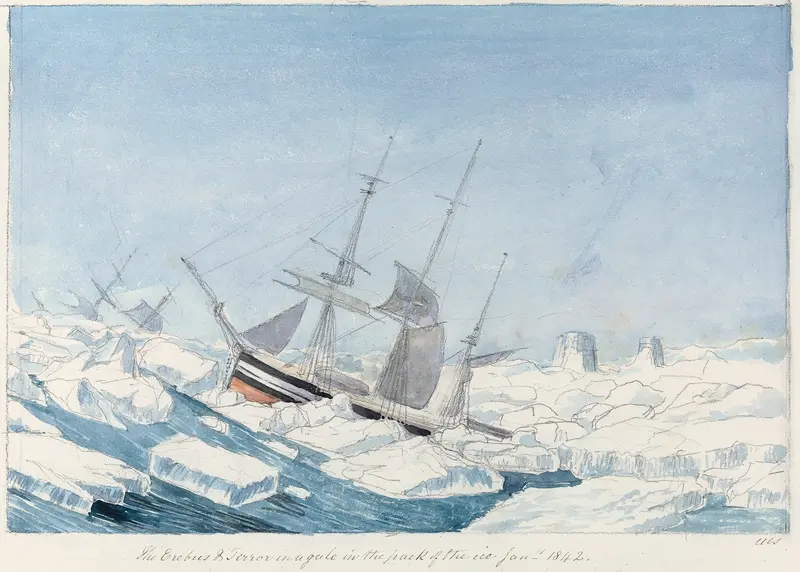
The Erebus & Terror in a Gale in the Pack of the Ice
Charles Hamilton Smith
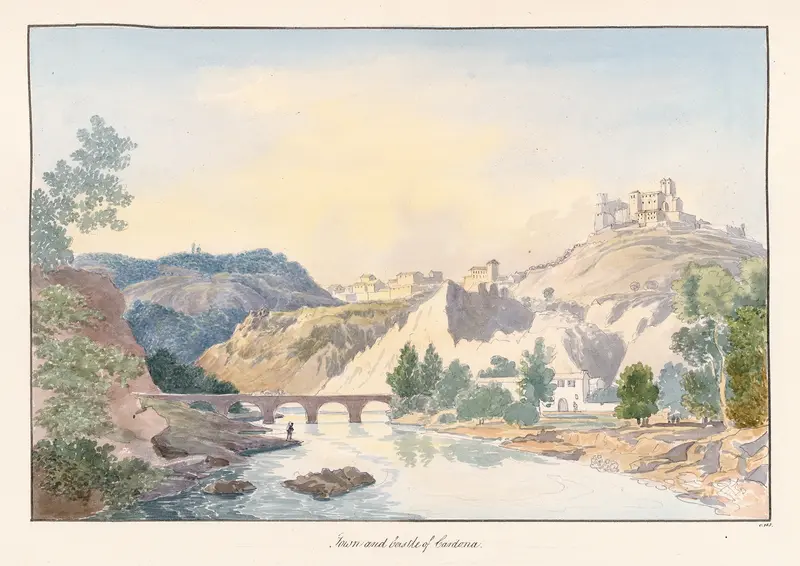
Town and Castle of Cardona
Charles Hamilton Smith
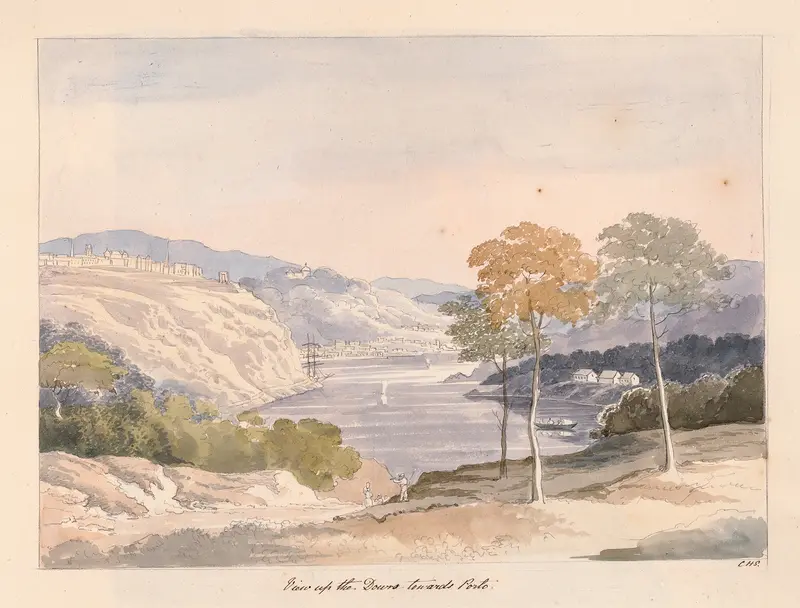
View of the Douro towards Porto
Charles Hamilton Smith





