
Näköala Haikosta — History & Facts
A single rowboat, loosely tethered and adrift in the shallows, draws the eye first—a quiet witness to the drama unfolding across the water. Above its reflection, a great ship with sails furled and hull dark against the pale sky glides through the channel, its presence both monumental and fleeting. Wisps of smoke, both from a steamer and a distant cannon or signal, cut across the horizon, hinting at the restless movement and layered histories of this place.
The artist’s brush leaves much suggested rather than stated: the water’s surface is rendered with brisk, almost calligraphic sweeps, while the sky is a pale wash, broken by streaks of light. The palette is spare, dominated by earth and grey, which lends the scene a sense of immediacy—here is a moment caught between calm and change. Painted in 1891 by Albert Edelfelt, this work belongs to a period when Nordic artists were seeking new ways to capture the shifting light and modern life of their homeland. Maritime views like this were not only records of place, but reflections on the transformations sweeping through Finland and the Baltic world at the end of the nineteenth century: steam met sail, tradition met industry.
While little is recorded about the specific journey of Näköala Haikosta, its presence in a Finnish national collection today speaks to the enduring fascination with these liminal landscapes. The viewer is left to imagine the stories carried by each vessel, and to trace the restless energy that animates even the quietest corners of Edelfelt’s vision.
More Artworks by Albert Edelfelt

The Day of Rest
Albert Edelfelt
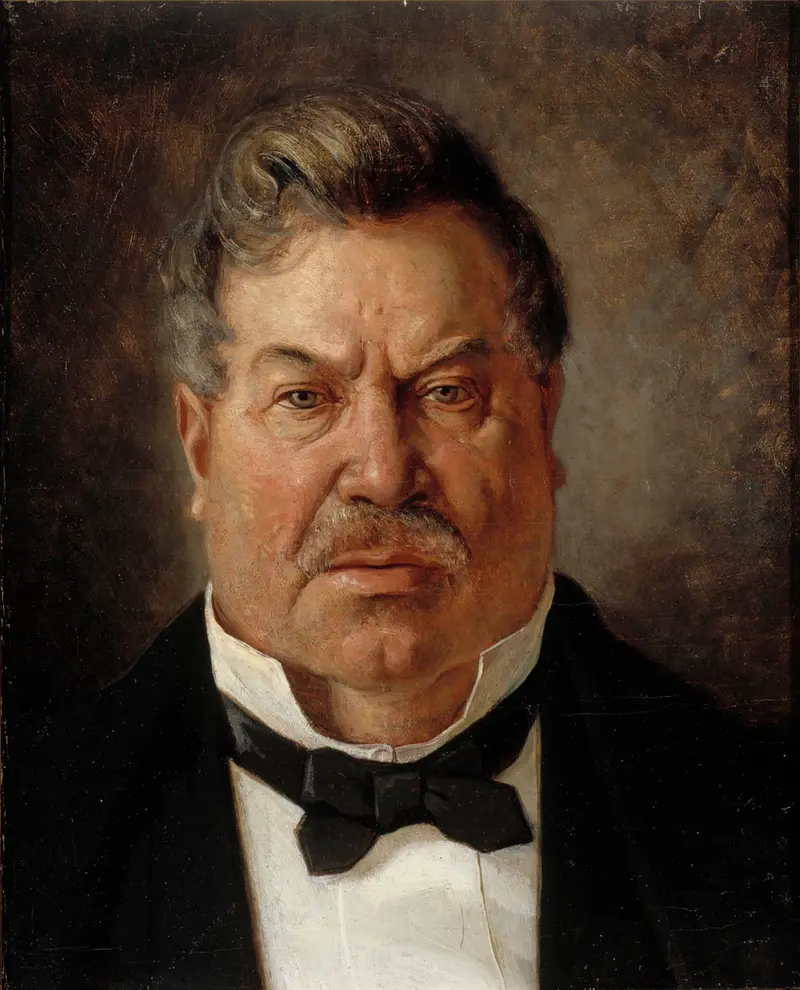
Portrait of August Streng
Albert Edelfelt
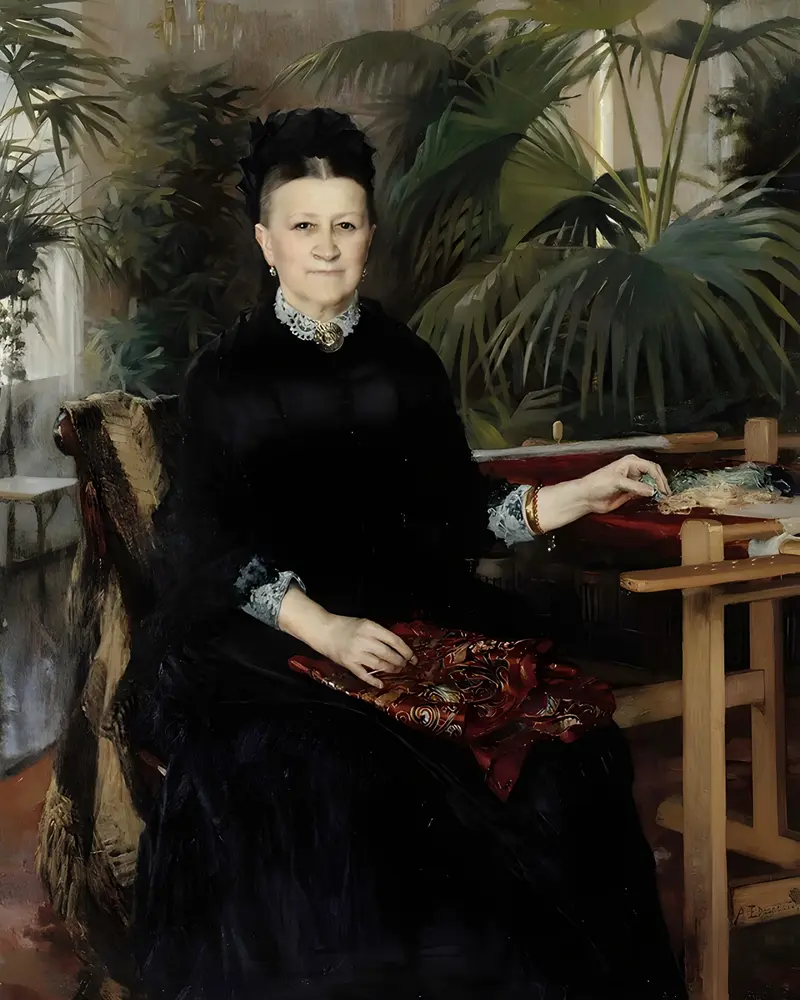
Portrait Of Mrs. Anna Sinebrychoff
Albert Edelfelt

The Poet, Larin Paraske
Albert Edelfelt

Parisian lady in a Peignoir
Albert Edelfelt
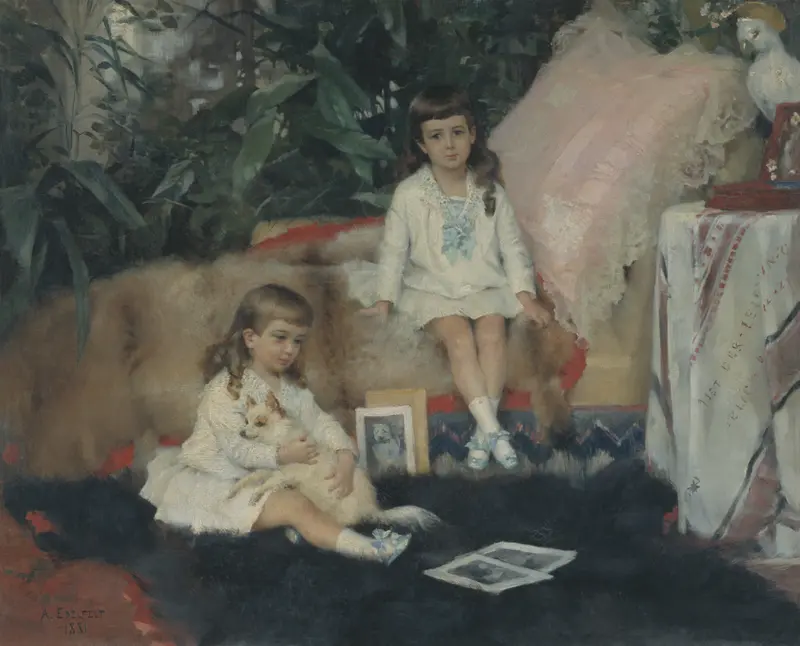
The Grand Dukes Boris and Kirill Vladimirovich as Children
Albert Edelfelt
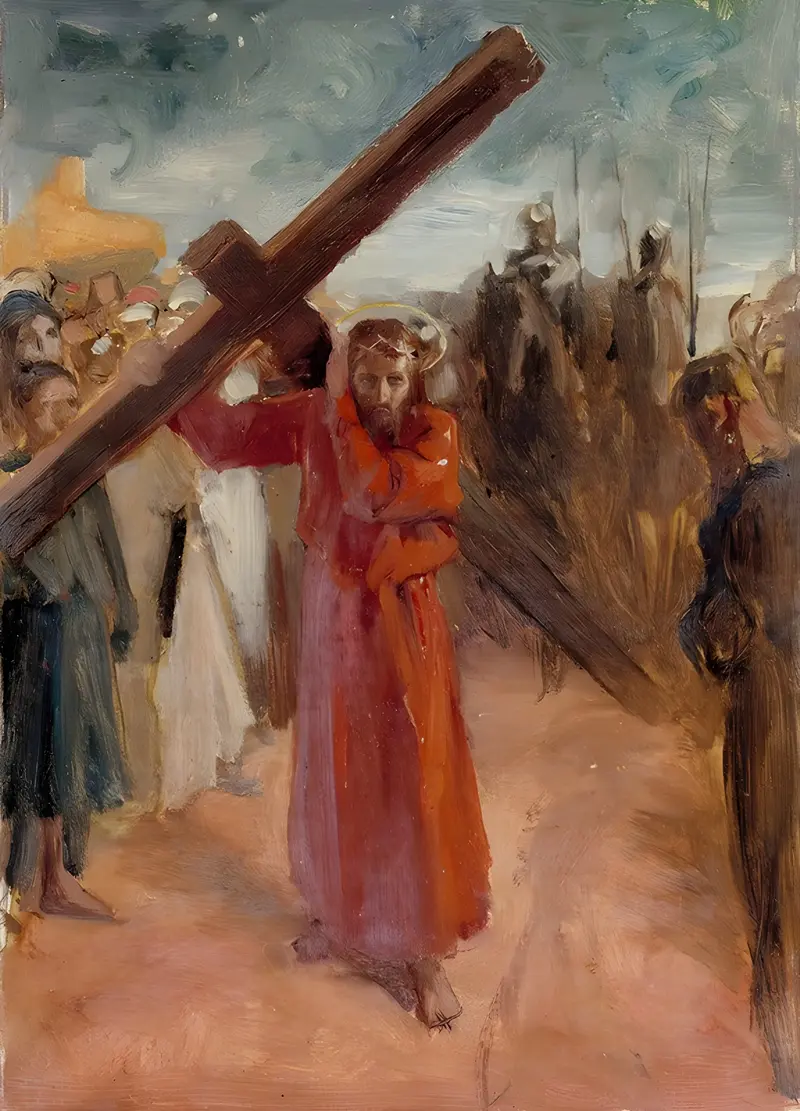
Christ Bears The Cross
Albert Edelfelt
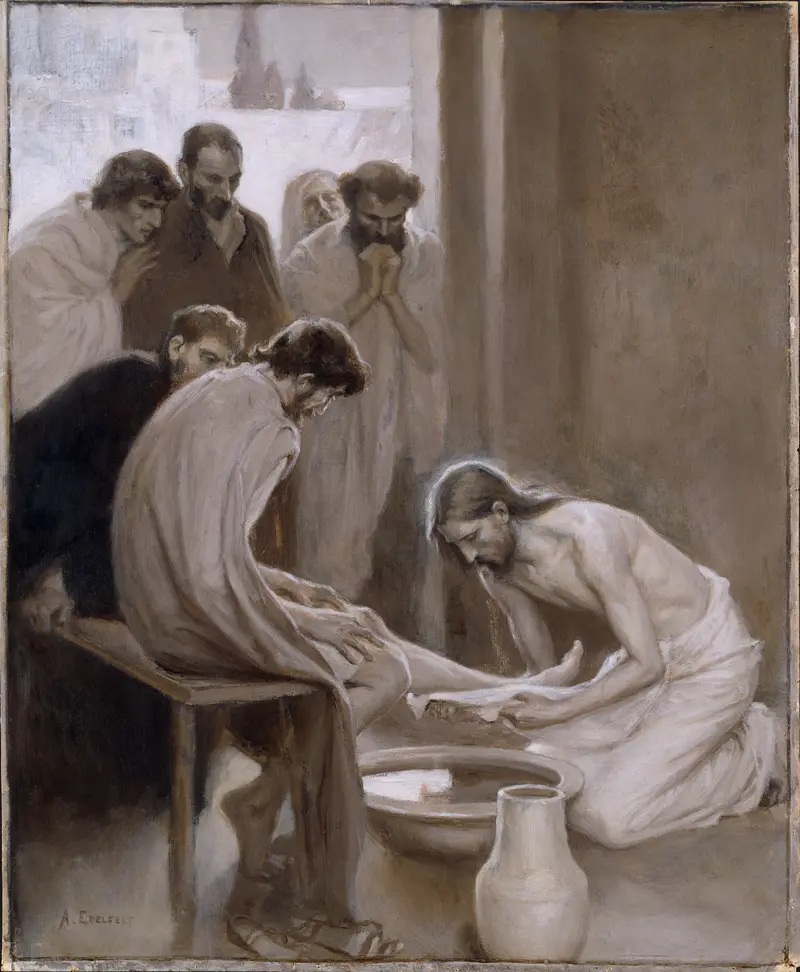
Jesus Washing the Feet of his Disciples
Albert Edelfelt

Larin Paraske with Kantele
Albert Edelfelt
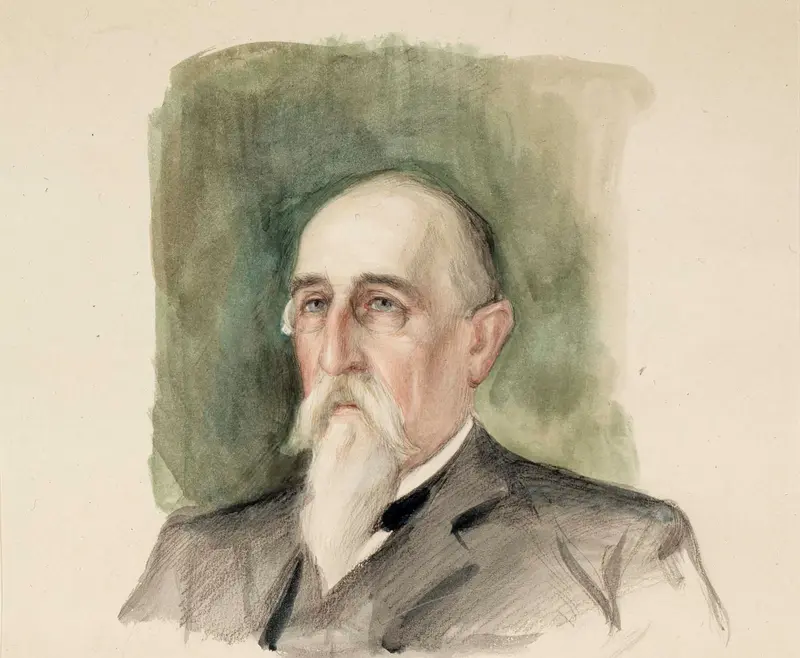
Leo Mechelin, Portrait Study
Albert Edelfelt





