
Nana — History & Facts
In Nana, Henri Gervex presents a woman seated in a lavish interior. The colors are rich and warm, with deep reds and golds dominating the scene. The figure is elegantly dressed, showcasing intricate details in her attire.
The setting suggests a sense of intimacy and luxury, inviting the viewer into her world. The painting is executed in oil on canvas, a medium that allows for vibrant colors and detailed textures. Gervex's technique showcases his skill in capturing the play of light on fabric and skin. The dimensions of the work are approximately 100 x 150 cm, making it a substantial piece.
The realistic portrayal of the subject reflects the style of Realism prevalent in the late 19th century. Henri Gervex was known for his depictions of women in various social settings, often highlighting their beauty and complexity. Nana is inspired by the character from Émile Zola's novel, which explores themes of femininity and societal expectations. This painting exemplifies Gervex's ability to blend literary themes with visual art.
Interestingly, it was first exhibited at the Salon of 1877, where it garnered significant attention.
More Artworks by Henri Gervex

Café Scene In Paris
Henri Gervex
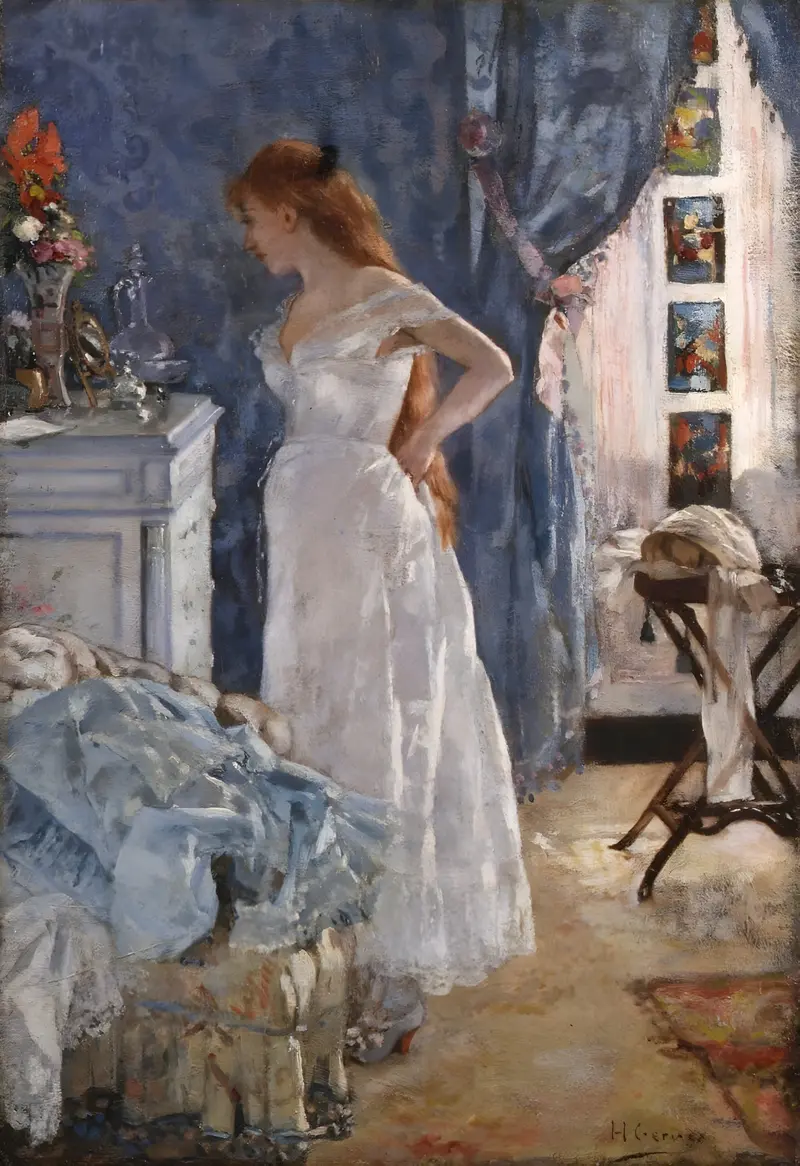
La Toilette
Henri Gervex

Le Marché aux fleurs
Henri Gervex

An Elegant Lady
Henri Gervex
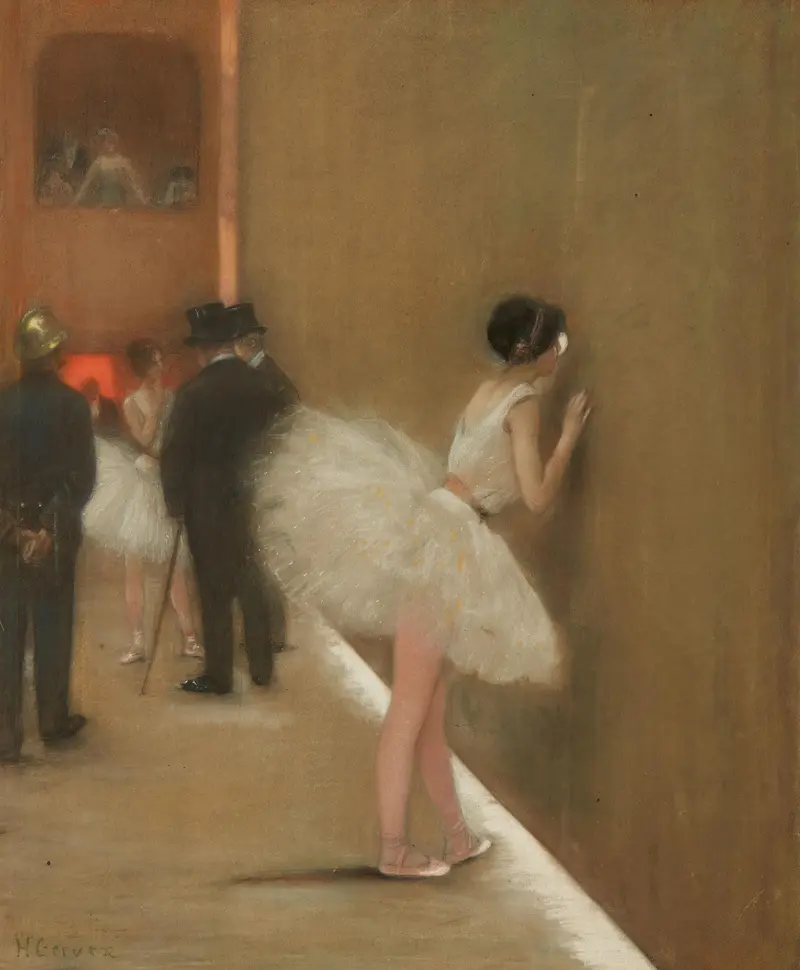
Behind the curtain at the ballet
Henri Gervex
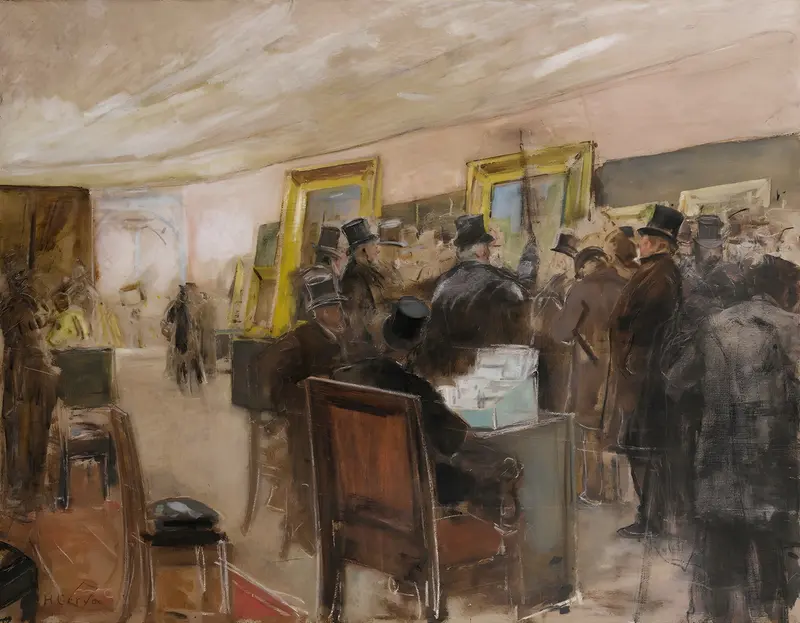
French study for ‘une séance du jury de peinture’
Henri Gervex
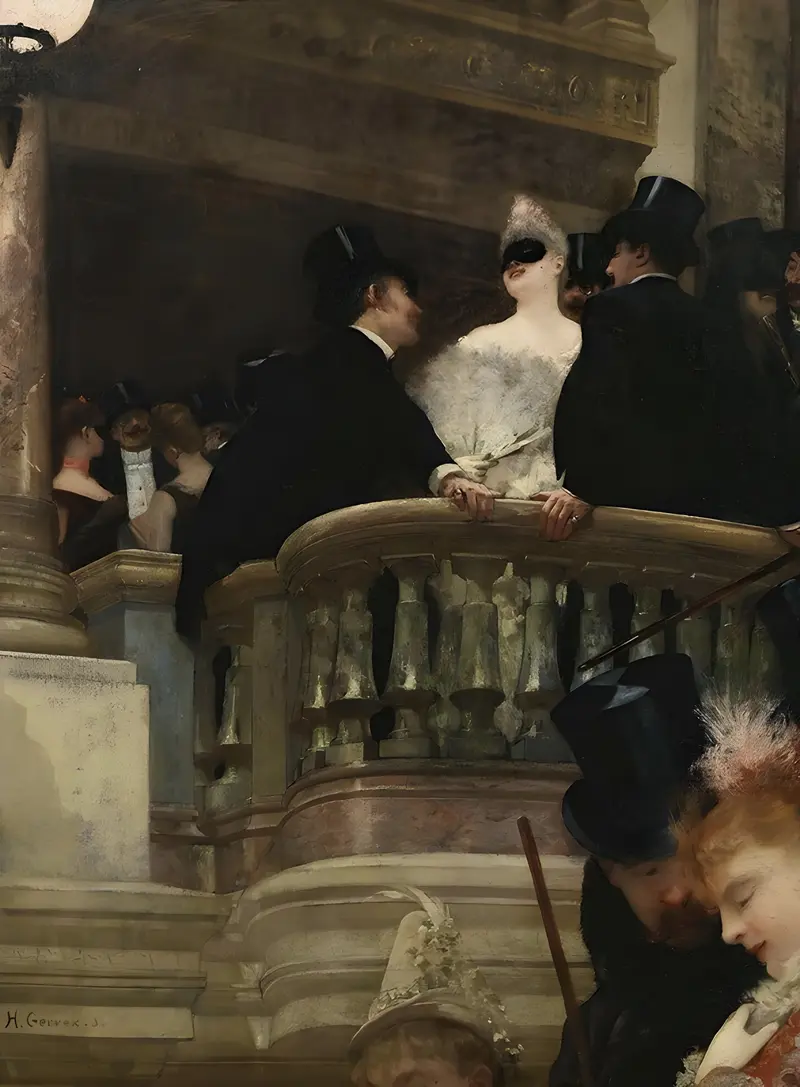
Le Bal de l’Opera
Henri Gervex
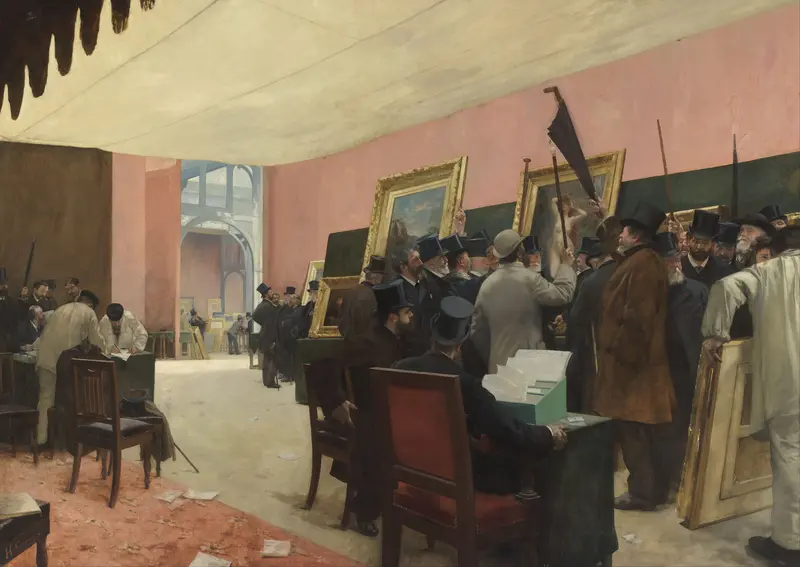
A Session of the Painting Jury
Henri Gervex
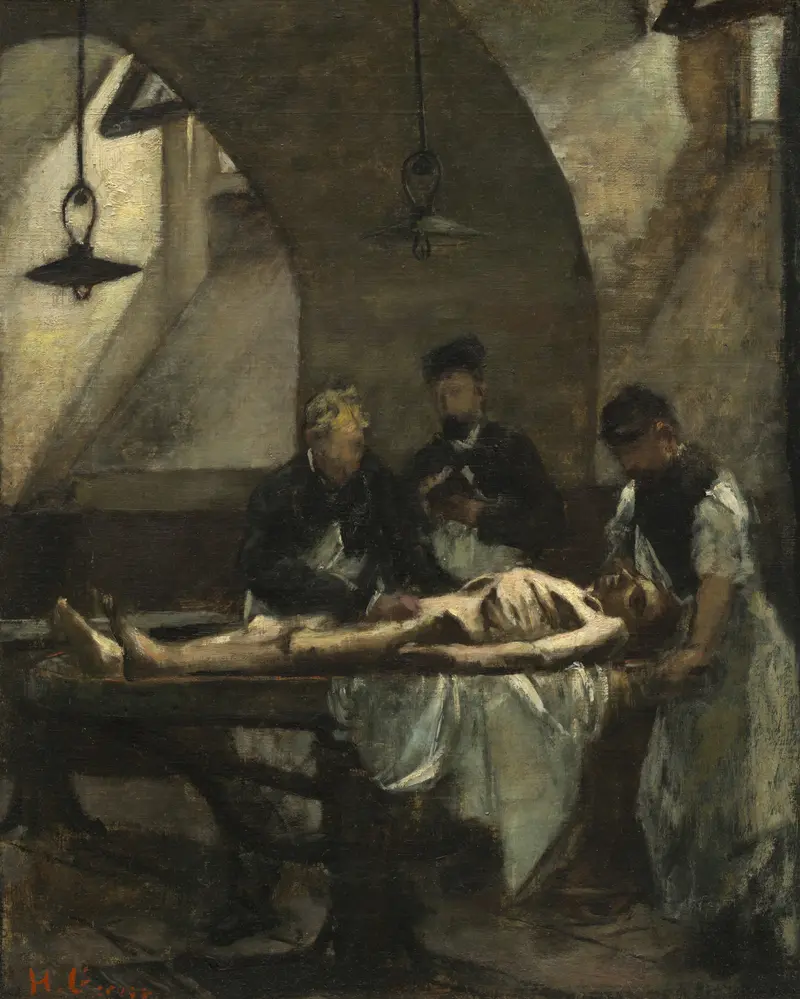
Study for ‘Autopsy at the Hotel-Dieu’
Henri Gervex
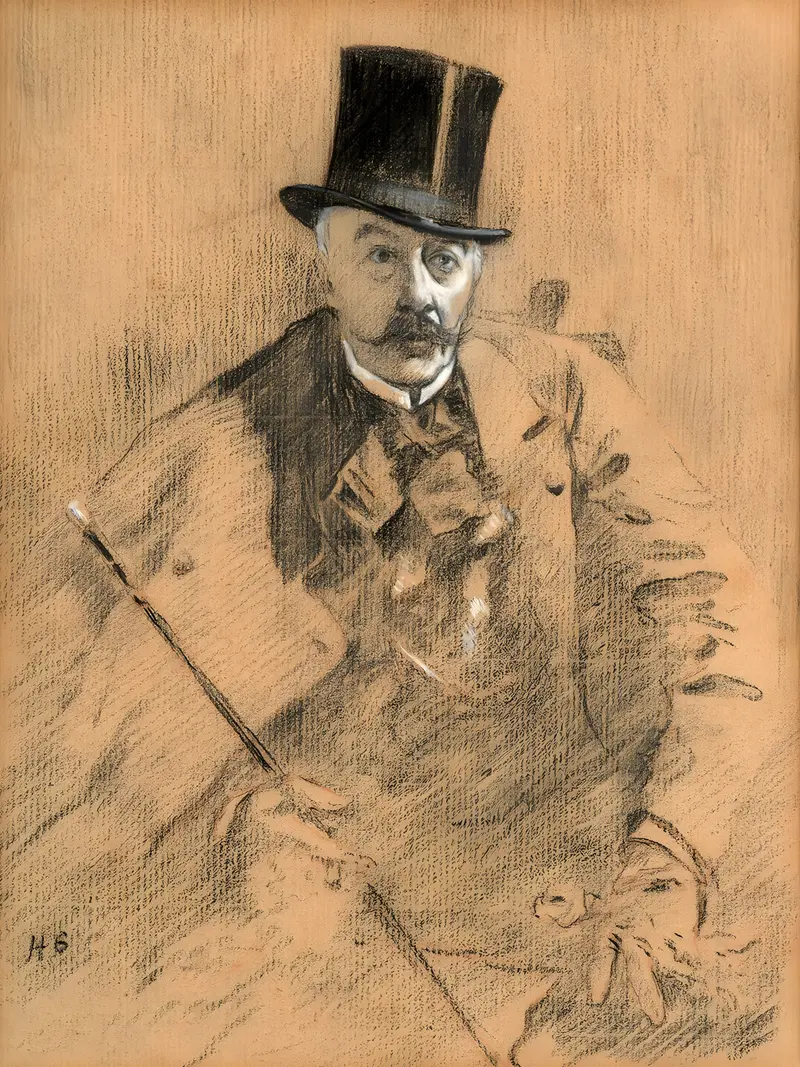
Portrait of the painter Alfred Stevens
Henri Gervex





