Naples — History & Facts
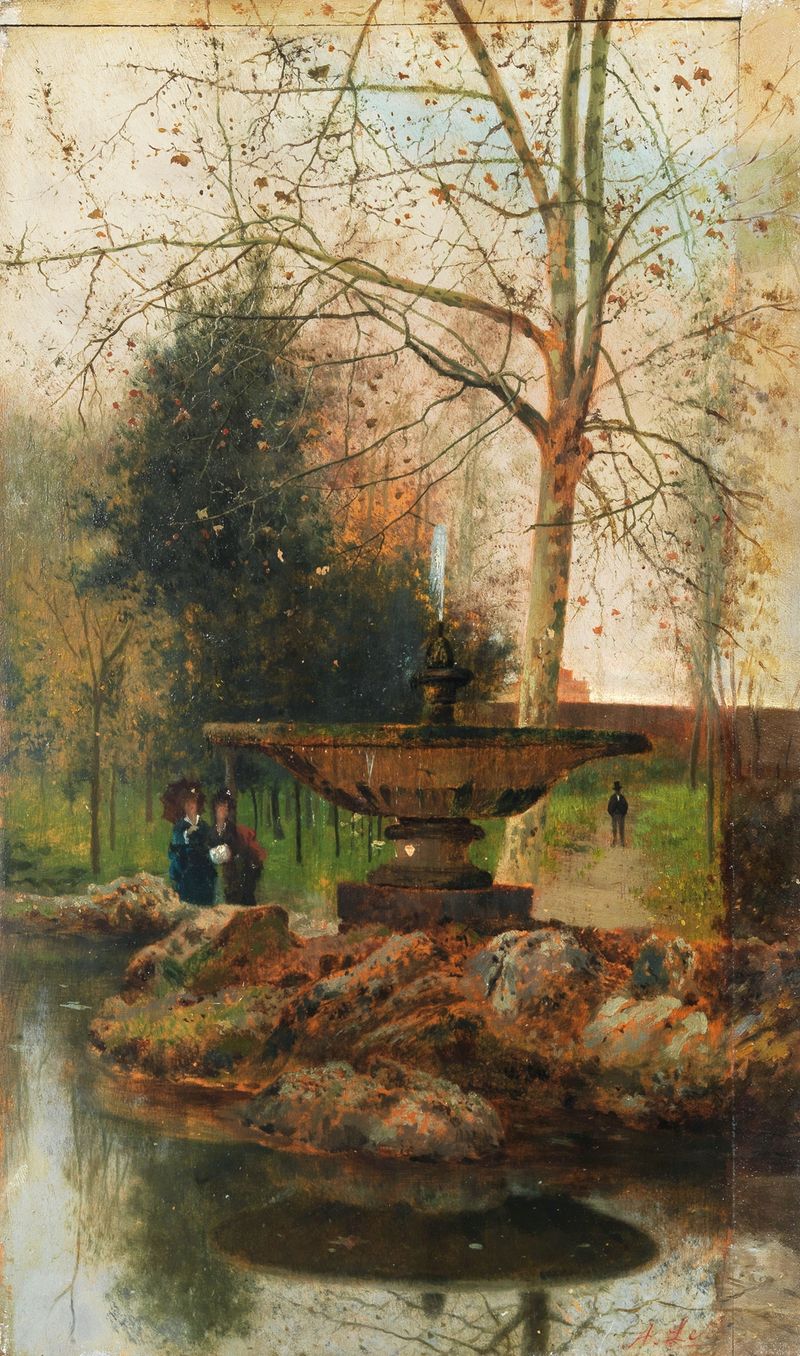
Could beauty survive in a century of chaos? This question resonates deeply within the heart of Naples, where the vibrant colors and serene landscapes stand in stark contrast to the tumultuous world surrounding it. Look closely at the foreground, where lush vegetation sprawls across the canvas, inviting viewers to immerse themselves in the idyllic scene. Notice how the sun bathes the hills in warm golden hues, seamlessly blending with the cool blues of the distant sea. The artist's skillful use of light creates a dynamic interplay, drawing your gaze through layers of depth, revealing the charm of an ancient city nestled against the backdrop of nature.
The composition is meticulously arranged, with soft brushstrokes that evoke the gentle sway of trees and the caress of the breeze. Beneath the surface beauty lies a palpable tension between tranquility and chaos. The idyllic portrayal of Naples contrasts sharply with the broader sociopolitical upheaval of the 19th century, suggesting that even amidst turmoil, the essence of beauty and serenity persists. The quaint buildings and vibrant flora may symbolize hope, a glimpse into a world where peace can exist despite unrest.
Each element in the landscape seems to whisper stories of resilience, inviting contemplation on the fragile nature of beauty in the face of adversity. Antonio Leto painted Naples during a time of significant social and political upheaval in Italy, likely in the late 19th century when the country was grappling with unification and various conflicts. Living primarily in Naples, his work captured both the local vibrancy and the broader struggles of the era. Leto's art reflects a deep admiration for the beauty of his homeland, even as the chaos of the times loomed just beyond the horizon.