Near Camp Taylor, California — History & Facts
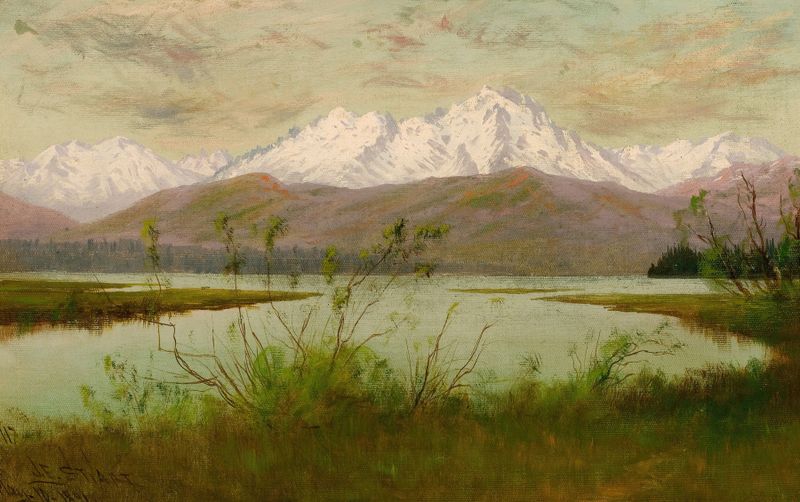
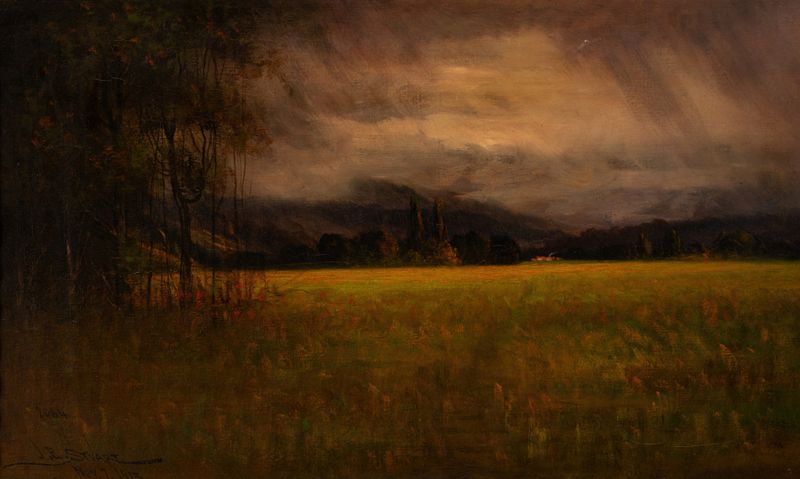
In a world shaped by the delicate threads of fate, each stroke of paint captures the essence of our intertwined destinies. Here, the landscape is a canvas of life, where nature and human experience converge in a silent dialogue. Look to the horizon, where soft hues of ochre and green blend seamlessly into the sky. The central path, winding its way through the verdant hills, draws the eye deeper into the scene, inviting exploration.
Notice how the gentle brushwork creates a sense of movement, imbuing the stillness with an underlying vibrancy. The dappled light filtering through the foliage suggests a moment suspended in time, a delicate balance between serenity and anticipation. Beneath the surface, there lies a tension between tranquility and the unknown. The subtle contrast between the warm earth tones and cooler sky hints at the unpredictability of life’s journey.
The path symbolizes choices, leading us away from what we know and toward what is yet to come, evoking a sense of longing intertwined with hope. Each element speaks to a broader narrative of destiny, where every decision echoes in the landscapes we traverse. In 1924, James Everett Stuart painted this piece in California, a time when the country was grappling with the aftermath of World War I and the onset of the Roaring Twenties. Amidst personal challenges and a shifting art scene, he sought to capture the spirit of resilience and renewal, marking a significant evolution in his artistic voice.
This work reflects his deep connection to nature and the profound stories it tells within the silent embrace of the landscape.