
Neige — History & Facts
Could a single brushstroke hold eternity? In Neige, the quiet yet poignant beauty of winter encapsulates both the fleeting nature of life and the inevitable decay that follows. Look to the foreground where a thick blanket of snow envelops the ground, each brushstroke meticulously layered to convey texture and depth. Notice how the gentle hues of blues and whites intermingle, creating a soft glow that contrasts with the starkness of the bare trees. The light appears to dance upon the snow, illuminating the landscape in a way that both enchants and reveals the cold, desolate reality of winter.
It is here that Guillaumin’s technique shines, blending impressionistic strokes with a keen eye for the ephemeral. Exploring deeper, we confront the tension between beauty and decay that permeates the canvas. The delicate branches of the trees, stripped of their leaves, speak of the cycle of life, a reminder of nature's resilience even amidst hardship. The muted palette evokes a sense of solitude, intertwining feelings of peace with an underlying melancholy as we acknowledge that the vibrant colors of life have receded.
Here lies a poignant commentary on time — the beauty of a moment captured, yet forever tinged with the knowledge of its transience. In 1890, during a period marked by the Impressionist movement’s rise, Guillaumin found himself in Paris, grappling with both personal and artistic transformations. As artists sought new ways to represent modern life, he embraced the changing landscape, using color and light to explore deeper emotional truths. This work, like many of his others, reflects his desire to encapsulate fleeting moments in the natural world, ultimately serving as a stark reminder of the beauty inherent in decay.
More Artworks by Armand Guillaumin
Browse all →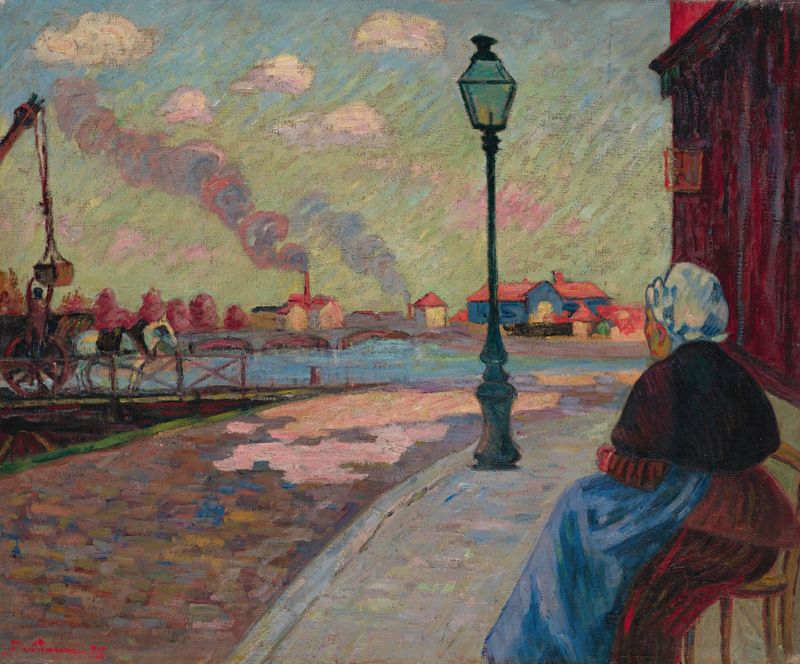
La Seine À Charenton
Armand Guillaumin
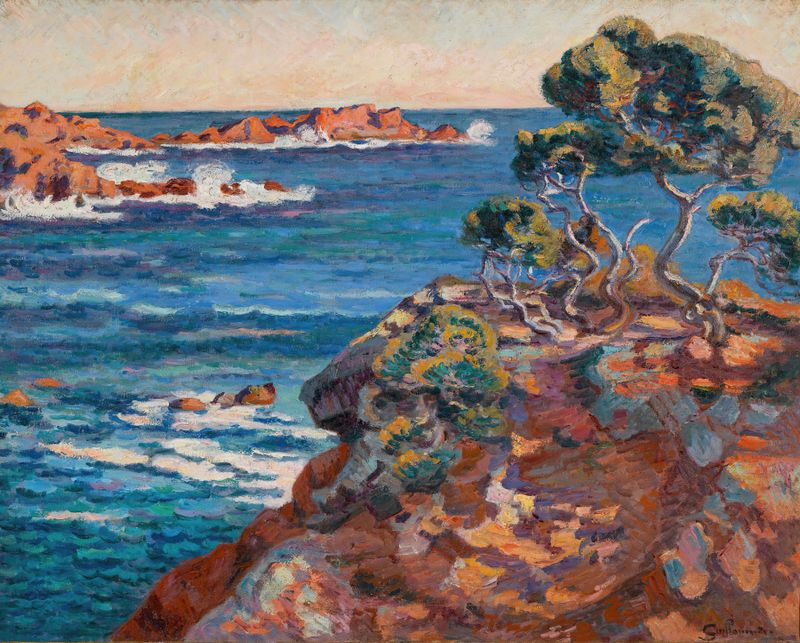
Bord De Mer À Agay
Armand Guillaumin
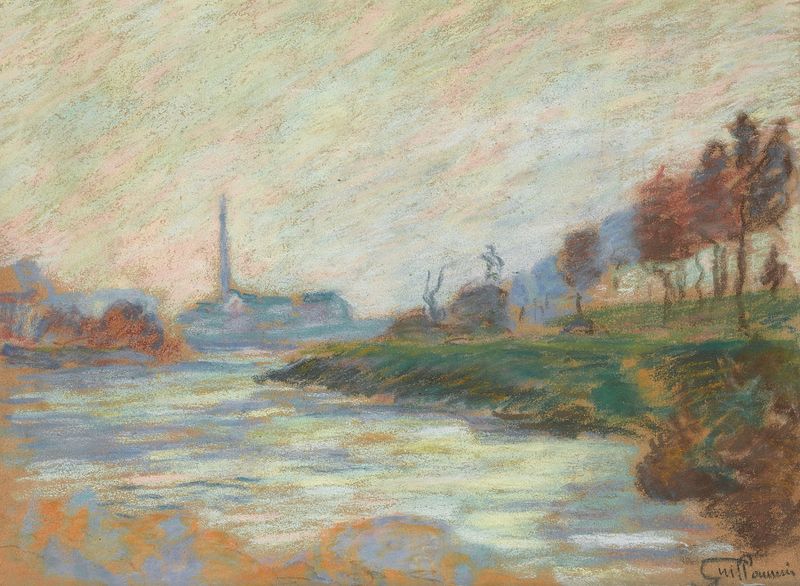
Confluent De La Marne Et De La Seine, Île De La France
Armand Guillaumin

Le Ravin de la folie, vue de Chateau Crozant
Armand Guillaumin
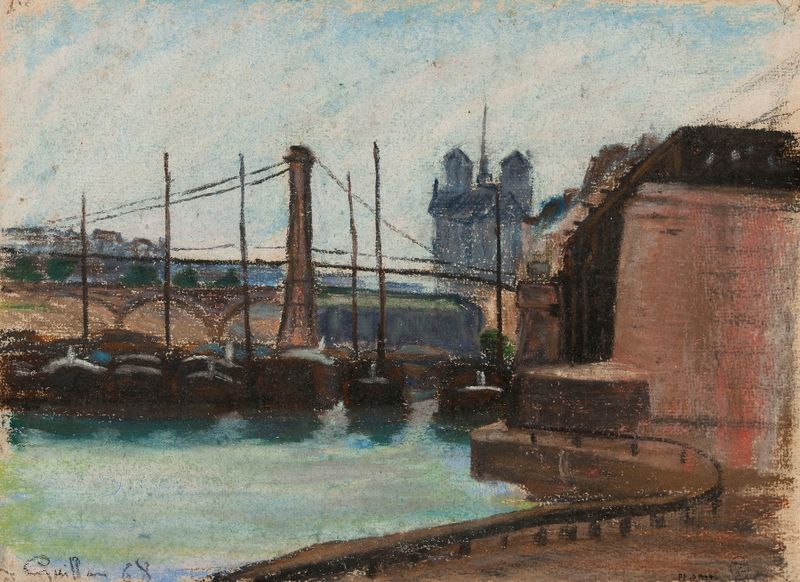
Le Pont d’Austerlitz
Armand Guillaumin

Paysage de Printemps
Armand Guillaumin
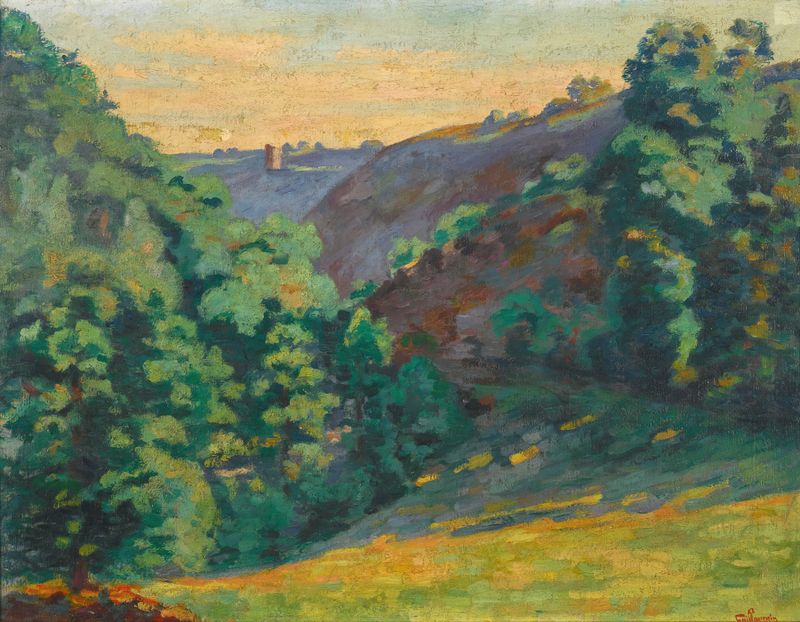
Crozant, Le Ravin De La Sedelle À La Folie
Armand Guillaumin
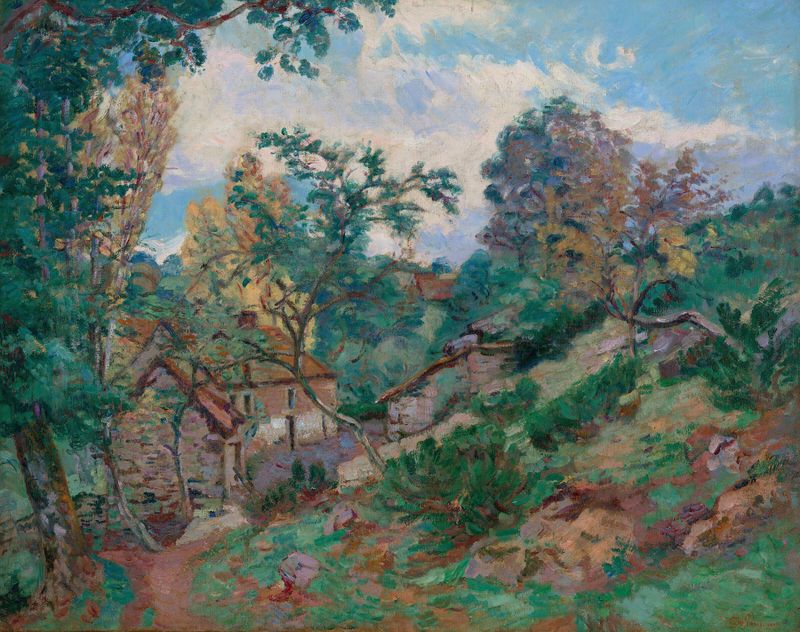
Paysage
Armand Guillaumin

La vallée de la creuse
Armand Guillaumin

L’Eglise Saint-Sulpice, Paris
Armand Guillaumin





