
New Holland Dingo — History & Facts
In New Holland Dingo, we see a dingo depicted in its natural habitat. The painting features earthy tones, with shades of brown and yellow dominating the scene. The dingo stands alert, its fur detailed with realistic textures.
Surrounding it are elements of the Australian landscape, including sparse vegetation and a warm, golden light. The painting is executed in oil on canvas, showcasing Charles Hamilton Smith's skill in realism. The attention to detail in the dingo's fur and the surrounding environment is notable. The composition draws the viewer's eye to the dingo, emphasizing its role in the ecosystem.
The approximate dimensions of the artwork are 60 x 80 cm. Charles Hamilton Smith was known for his detailed studies of animals and natural history. New Holland Dingo reflects his interest in the wildlife of Australia, where he spent time observing these animals. An interesting fact about this work is that it captures the dingo in a moment of stillness, highlighting its wild nature.
This painting contributes to the understanding of Australian fauna in the early 19th century.
More Artworks by Charles Hamilton Smith

Marengo, Bonaparte’s Arab
Charles Hamilton Smith
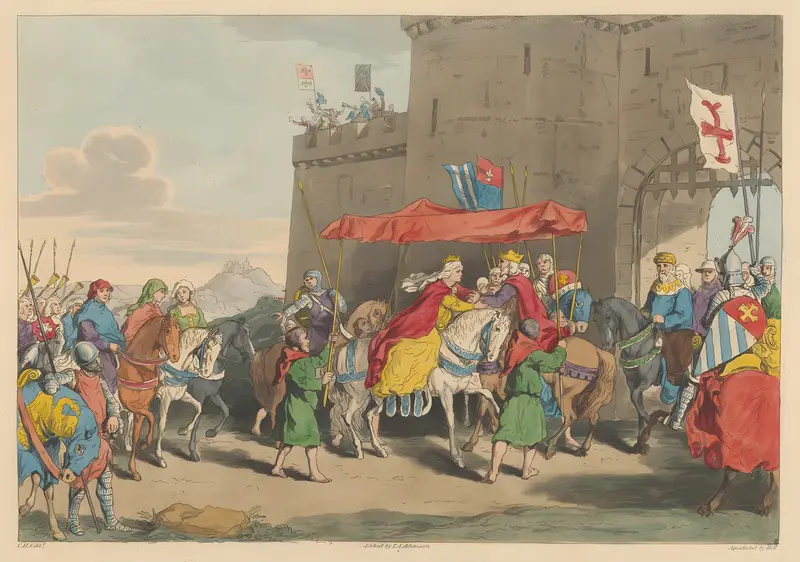
Costume of the Reign of King Henry III
Charles Hamilton Smith
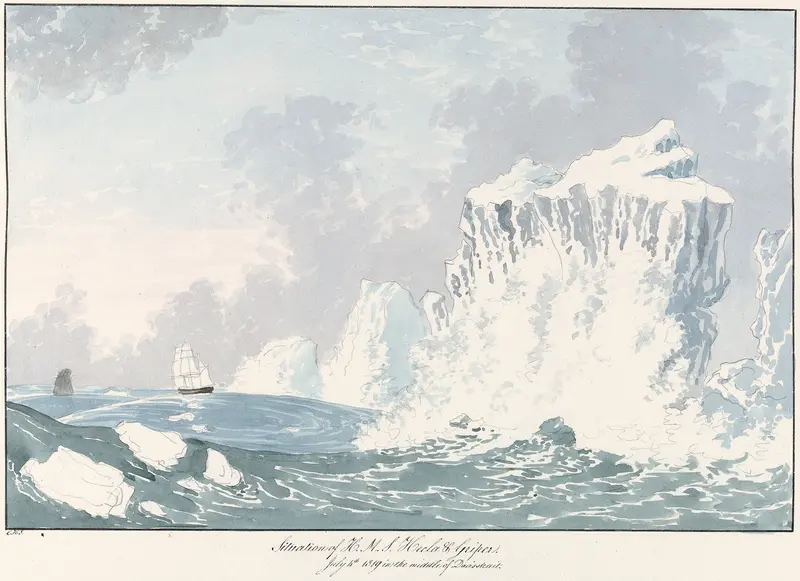
Situation of H.M.S. Hecla & Griper
Charles Hamilton Smith
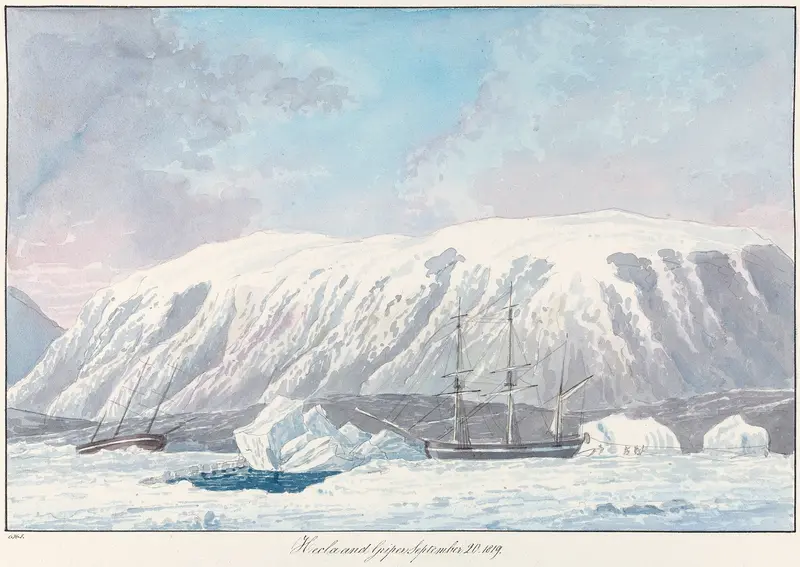
Hecla and Griper
Charles Hamilton Smith
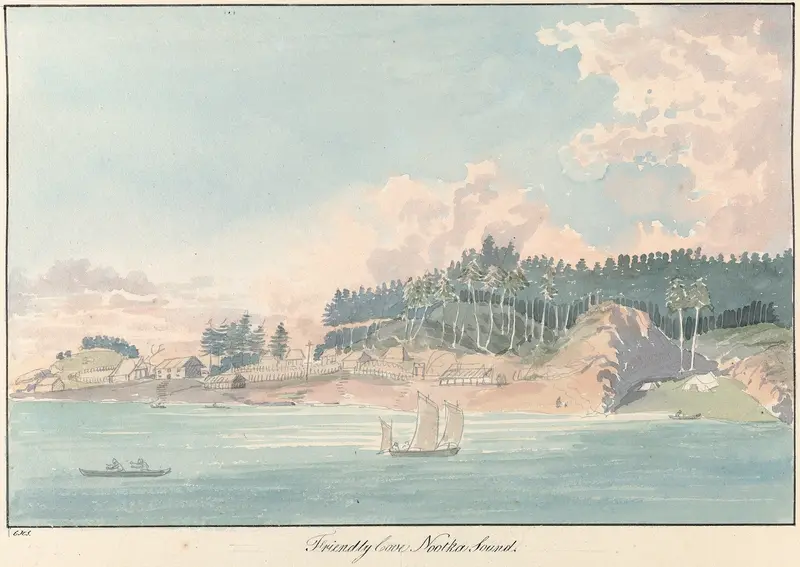
Friendly Cove, Nootka Sound
Charles Hamilton Smith
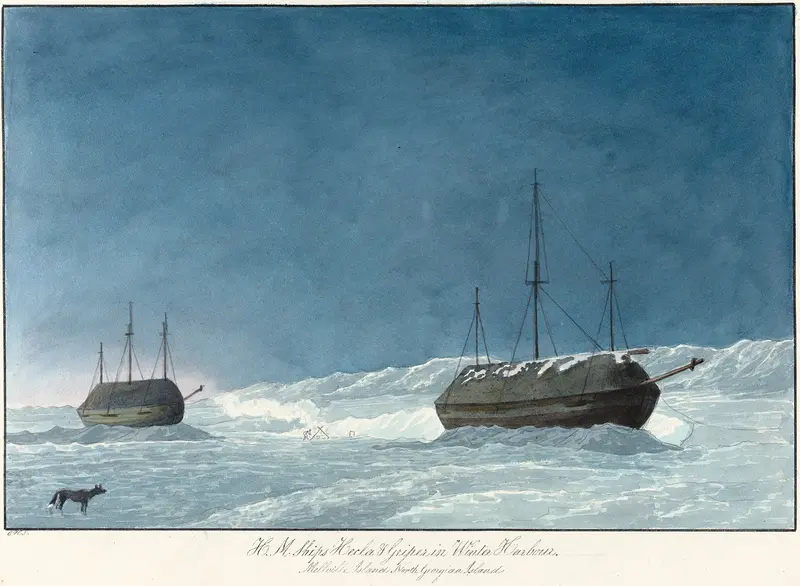
H. M. Ships Hecla and Griper in Winter Harbour
Charles Hamilton Smith
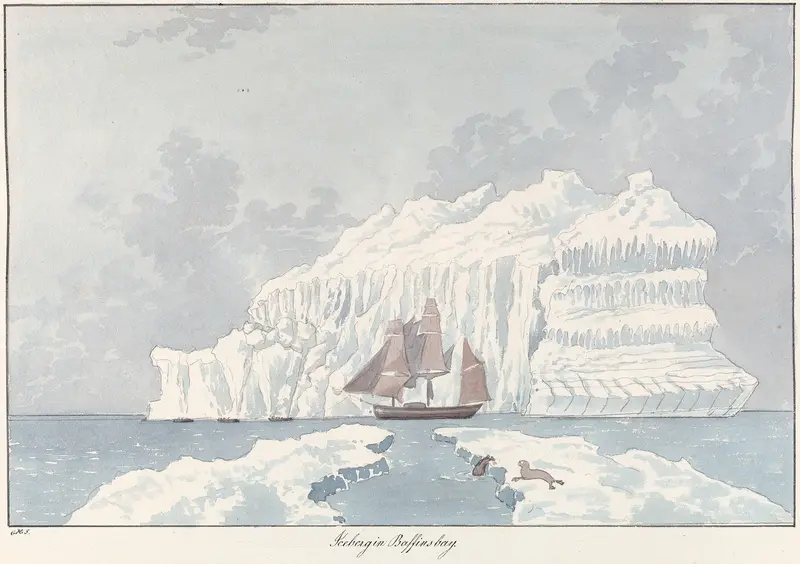
Iceberg in Baffin’s Bay
Charles Hamilton Smith
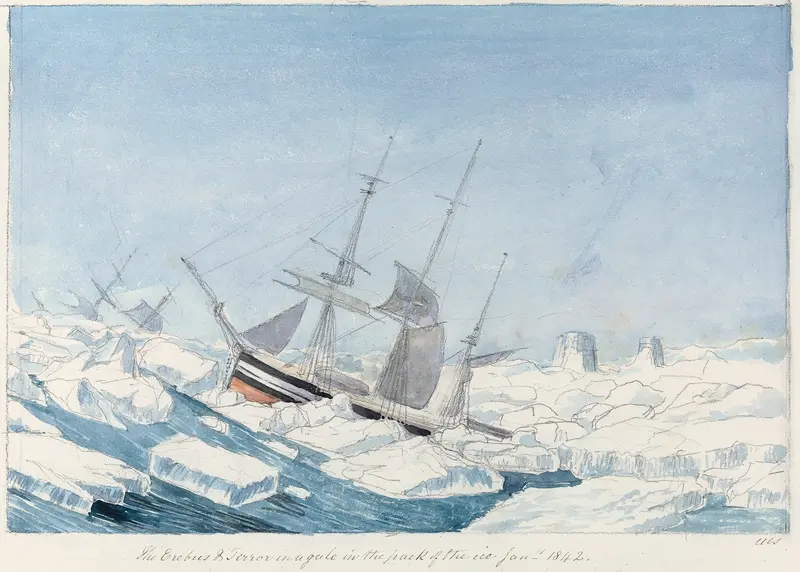
The Erebus & Terror in a Gale in the Pack of the Ice
Charles Hamilton Smith
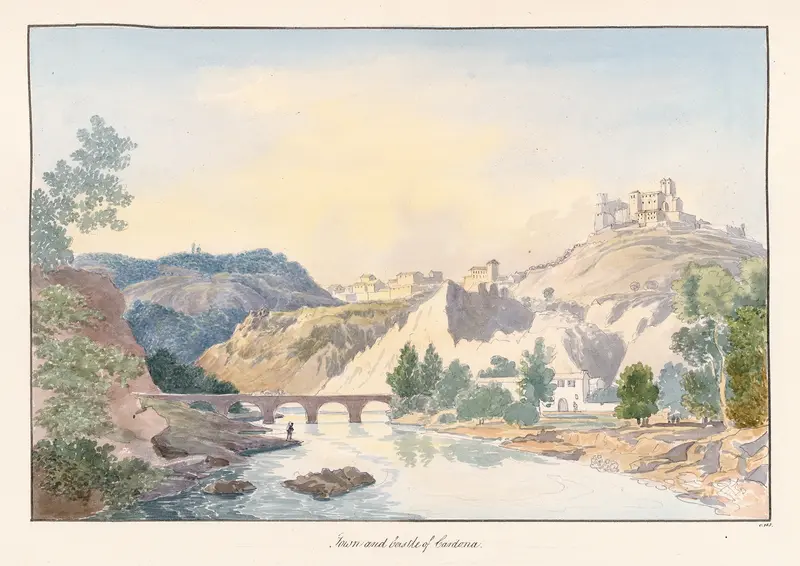
Town and Castle of Cardona
Charles Hamilton Smith
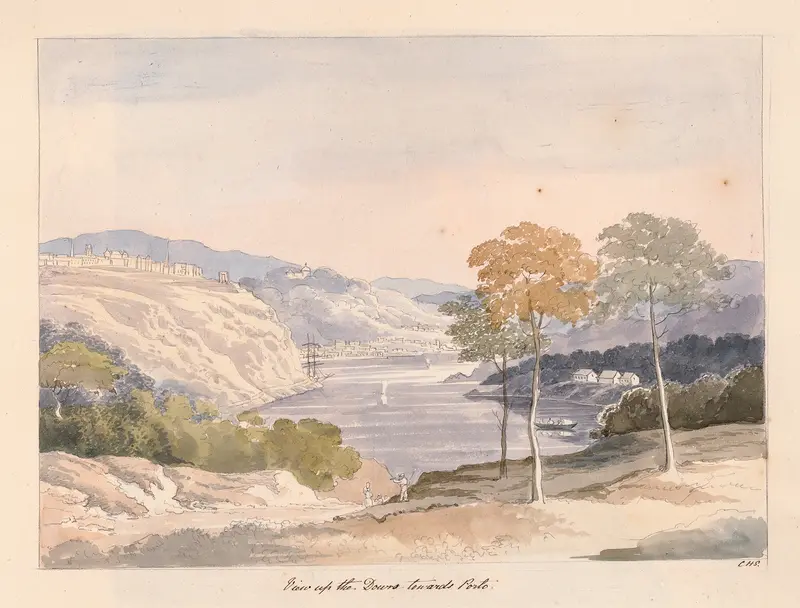
View of the Douro towards Porto
Charles Hamilton Smith





