New Leaves — History & Facts
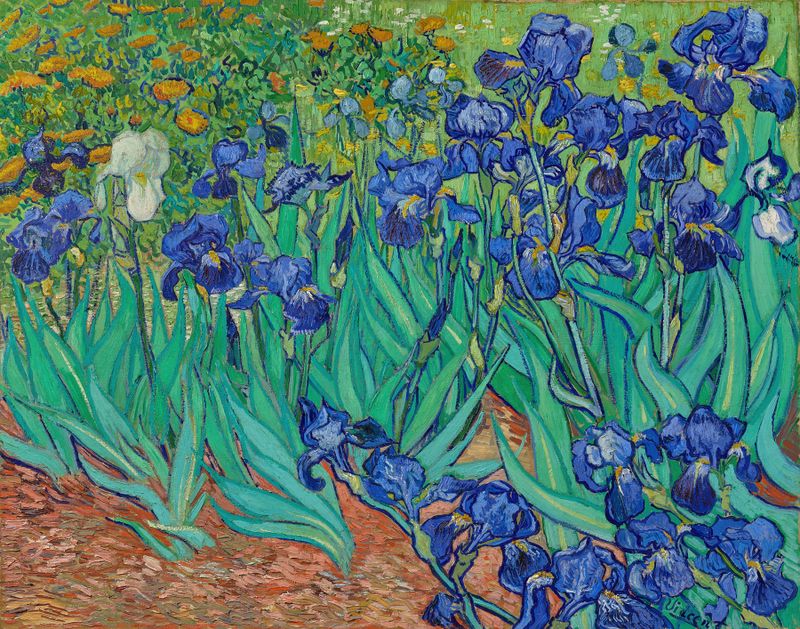
Could a single brushstroke hold eternity? In New Leaves, the delicate interplay of color and form invites us to explore grief, renewal, and the fleeting nature of life itself. Look to the center of the canvas, where the vibrant greens of fresh leaves burst forth, capturing the vernal promise of rebirth. Surrounding this lively core, subtle earth tones and muted hues create a gentle backdrop, allowing the vivid greens to stand out with profound clarity. The artist employs a soft, almost ethereal technique, blending colors seamlessly, evoking the sensation of early morning light filtering through foliage.
Each brushstroke feels deliberate yet spontaneous, as if capturing a moment of awakening. Yet beneath the surface of rejuvenation lies a poignant contrast — the juxtaposition of life and the shadow of loss. The leaves symbolize new beginnings, while the soft earth tones hint at what has faded away. This duality creates an emotional tension, questioning whether renewal can ever erase the traces of sorrow.
The whisper of nostalgia lingers in the composition, reminding us that each new leaf carries the memory of the old. In 1915, Hayami Gyoshu was immersed in a world marked by change and uncertainty, navigating his artistic path amid the shifting tides of Japanese art. At this time, he was influenced by the Nihonga movement, which sought to redefine traditional Japanese aesthetics while incorporating modern sensibilities. New Leaves reflects Gyoshu's personal evolution, embracing the beauty of life even as it acknowledges the inevitability of loss.