
Newgate — History & Facts
Could beauty survive in a century of chaos? In the muted shadows of Newgate, a haunting reflection whispers of a bygone era, inviting viewers to contemplate the interplay of light and memory amidst the weight of history. As you approach the artwork, look to the center where the striking contours of the prison loom large, dominating the canvas. The stark architecture, rendered in brooding hues of gray and sepia, contrasts sharply with the gentle play of light that filters through the clouds above. Notice how the artist's deft brushwork captures the interplay of shadows, bringing a sense of depth and foreboding to the scene.
The soft reflections in the water below serve as a poignant reminder of both despair and beauty, creating an emotional resonance that speaks to the past. Delve deeper into the details, and you will find subtle tensions hidden within the composition. The stillness of the water reflects not only the structure above but also a sense of sorrow, as if echoing the lives once confined within those walls. The juxtaposition of the firm, imposing edifice against the ephemeral nature of the water represents a struggle between endurance and transience, allowing viewers to feel the weight of countless stories steeped in silence.
Each brushstroke reveals a layered narrative, reminding us of the scars that history leaves behind. In 1899, the artist created this piece during a period marked by rapid industrial change and social upheaval in Britain. Working from his studio in Scotland, Cameron was influenced by the Arts and Crafts movement, which sought to elevate craftsmanship and beauty in an increasingly mechanized world. At a time when the ramifications of modernity were becoming apparent, Newgate embodies a reflection not only on architecture but also on the broader human experience of confinement and release amidst the chaos.
More Artworks by David Young Cameron
Browse all →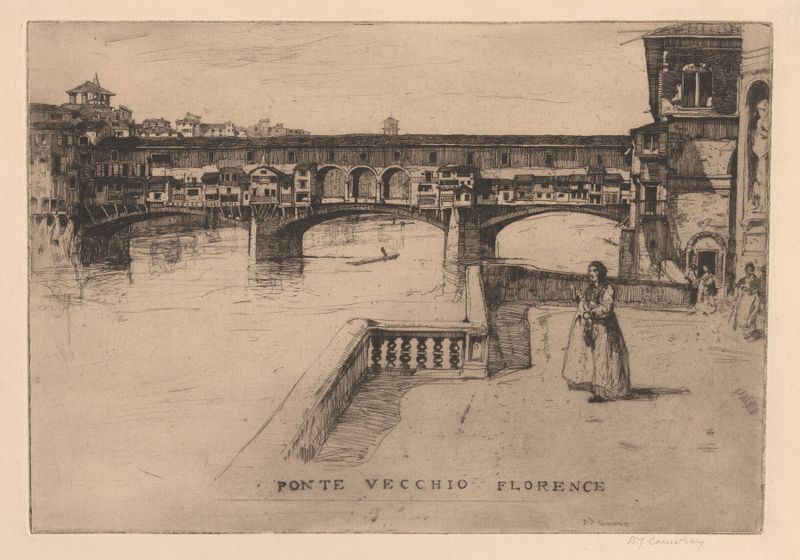
Ponte Vecchio
David Young Cameron

The Deanery, Winchester
David Young Cameron
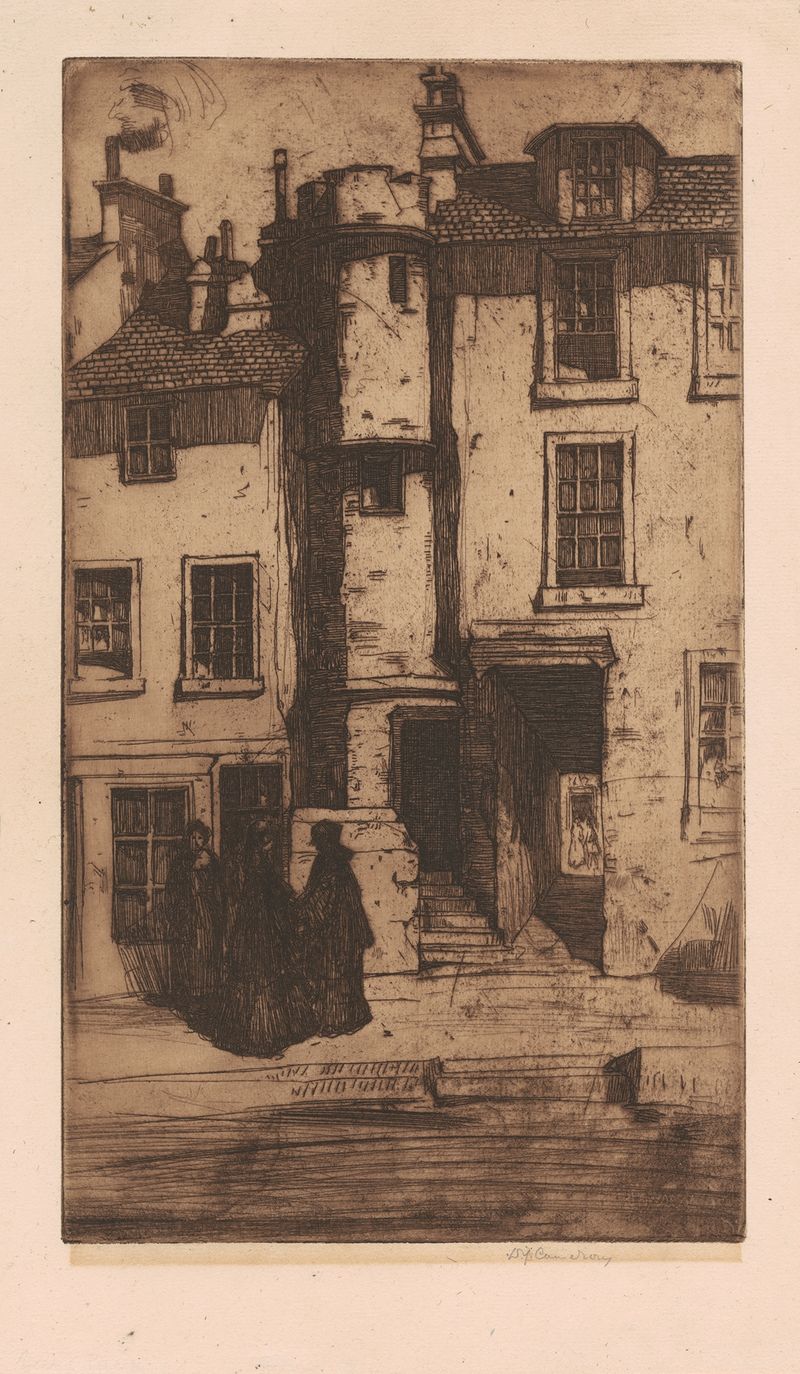
Old Houses, Stirling
David Young Cameron
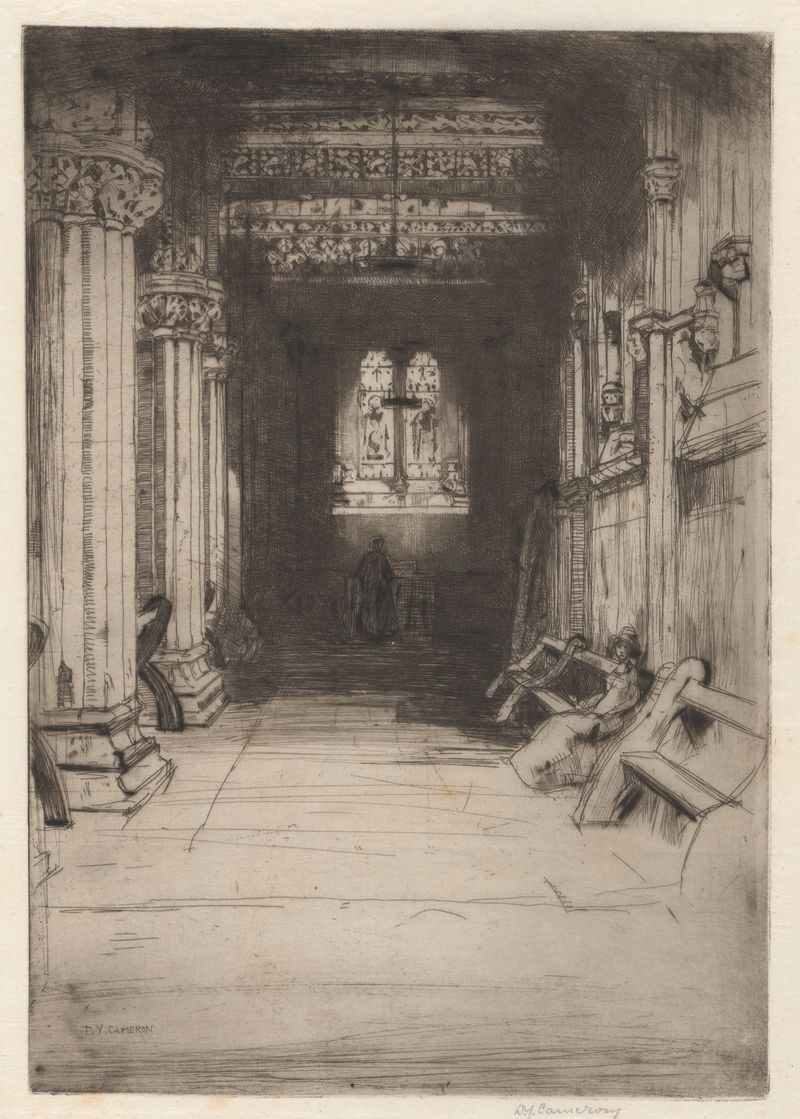
Rosslyn Chapel
David Young Cameron

The Old Museum, Beauvais
David Young Cameron
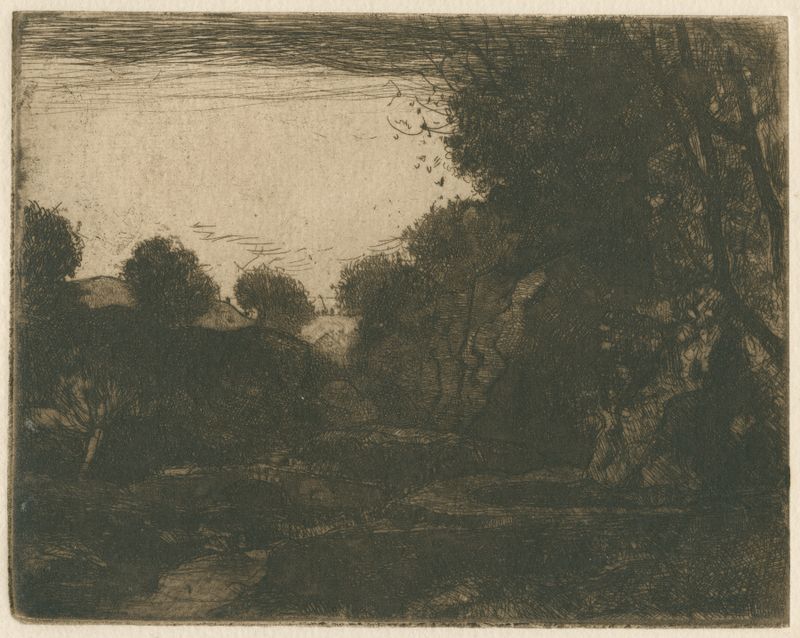
On the Bradford
David Young Cameron

The Smithy
David Young Cameron
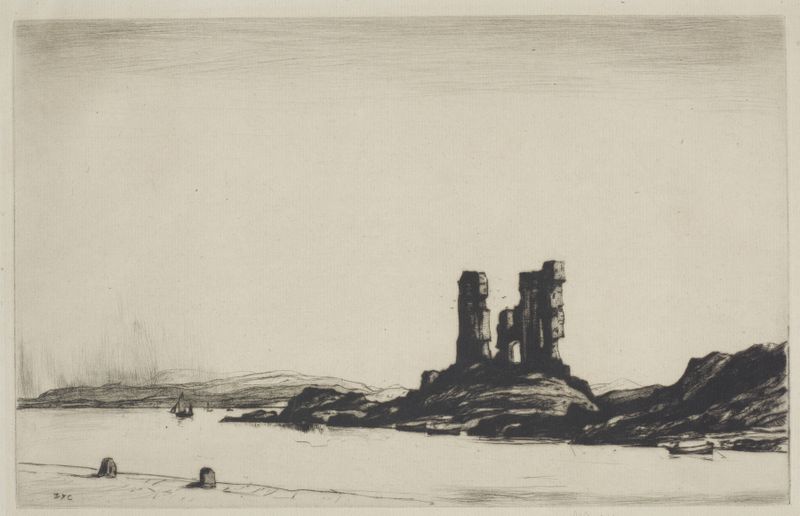
Castle Moyle
David Young Cameron
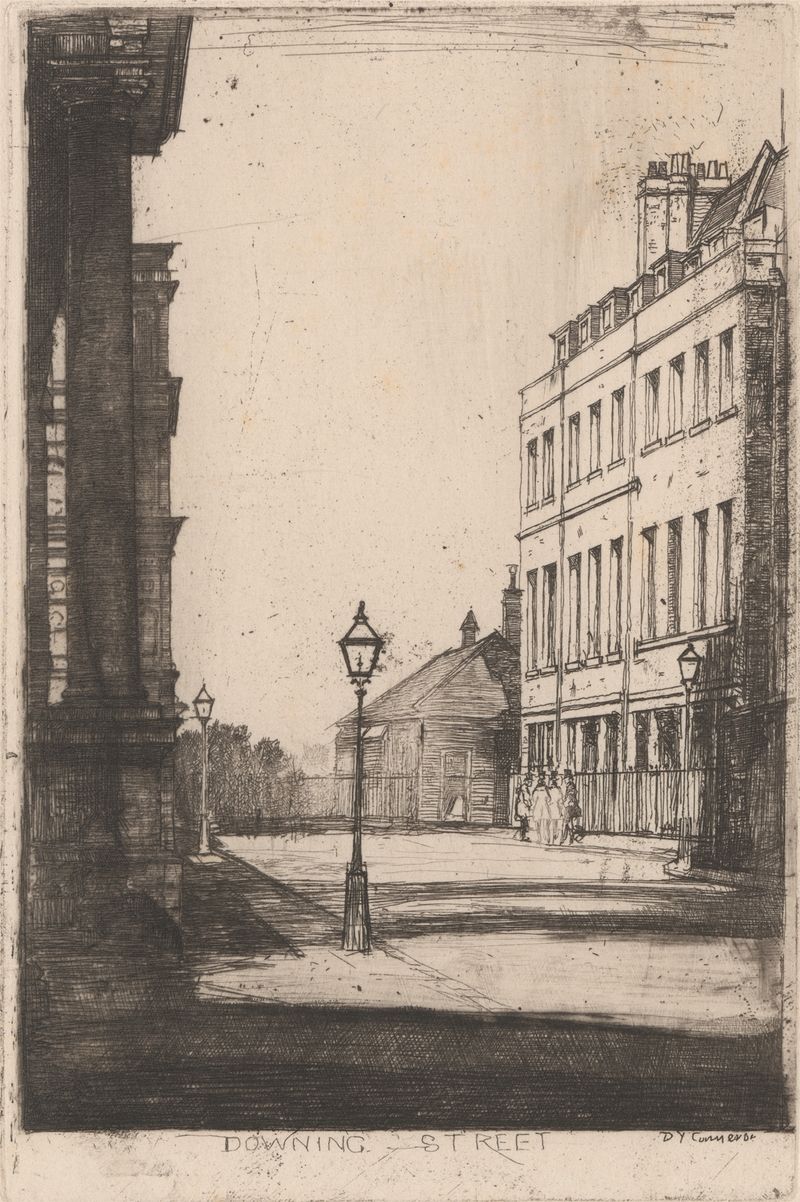
Downing Street
David Young Cameron

Glasgow Cathedral
David Young Cameron
More Architecture Art
Browse all →
The statue of Liberty
Frédéric Auguste Bartholdi

View of Houses in Delft, Known as ‘The Little Street’
Johannes Vermeer

View of Houses in Delft, Known as ‘The Little Street’
Johannes Vermeer

The Cathedral in Rouen. The portal, Grey Weather
Claude Monet

The yellow house
Vincent van Gogh

The Church in Auvers-sur-Oise, View from the Chevet
Vincent van Gogh