
Niagara Falls — History & Facts
Who listens when art speaks of silence? In Niagara Falls, the beauty of nature stands tall, whispering tales of time, legacy, and the echoes of water that perpetually flow. Look at the cascading water in the center, where white foam bursts against dark, rocky cliffs, drawing your gaze into the sheer power of the falls. The artist masterfully employs a palette of deep greens and grays, contrasted with the bright white of the rushing water, creating a harmonious tension that is both captivating and awe-inspiring. Notice how the light catches the edges of the falls, illuminating the mist that dances in the air, suggesting both movement and tranquility within the chaos. As you take in the scene, consider the contrasts present in this work: the ferocity of the water against the stillness of the surrounding landscape, the fleeting nature of the waterfall captured in a moment, yet timeless in its presence.
This duality emphasizes the emotional weight of the scene, as the viewer contemplates not just the beauty of the falls, but the passage of time and the relentless cycle of nature. Each droplet is a reminder of the legacy of the earth, a testament to its ceaseless power. Painted in 1871 while Weir was in the midst of a transitional phase in his career, this work reflects the growing American fascination with natural landscapes. The Hudson River School was gaining prominence during this time, and Weir, influenced by their ideals, sought to capture the sublime beauty of his homeland, leaving a lasting mark on the American art scene as he navigated the evolving narrative of landscape painting.
More Artworks by John Ferguson Weir
Browse all →
West Point Foundry, Cold Spring, New York
John Ferguson Weir

West Point Foundry, Cold Spring, New York (Rabbit)
John Ferguson Weir
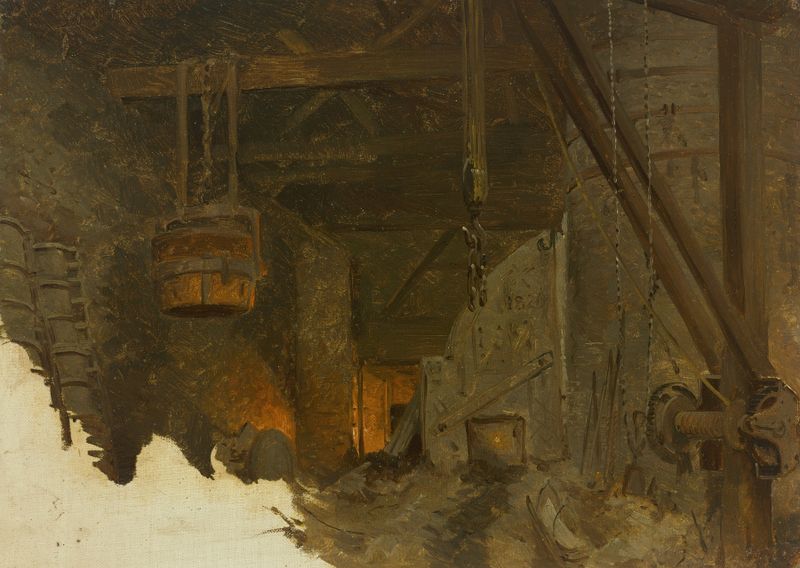
West Point Foundry, Cold Spring, New York
John Ferguson Weir

West Point Foundry, Cold Spring, New York
John Ferguson Weir

Forest Scene
John Ferguson Weir

Forest Scene
John Ferguson Weir

Alhambra, Granada, Spain
John Ferguson Weir

An Abandoned Quarry
John Ferguson Weir
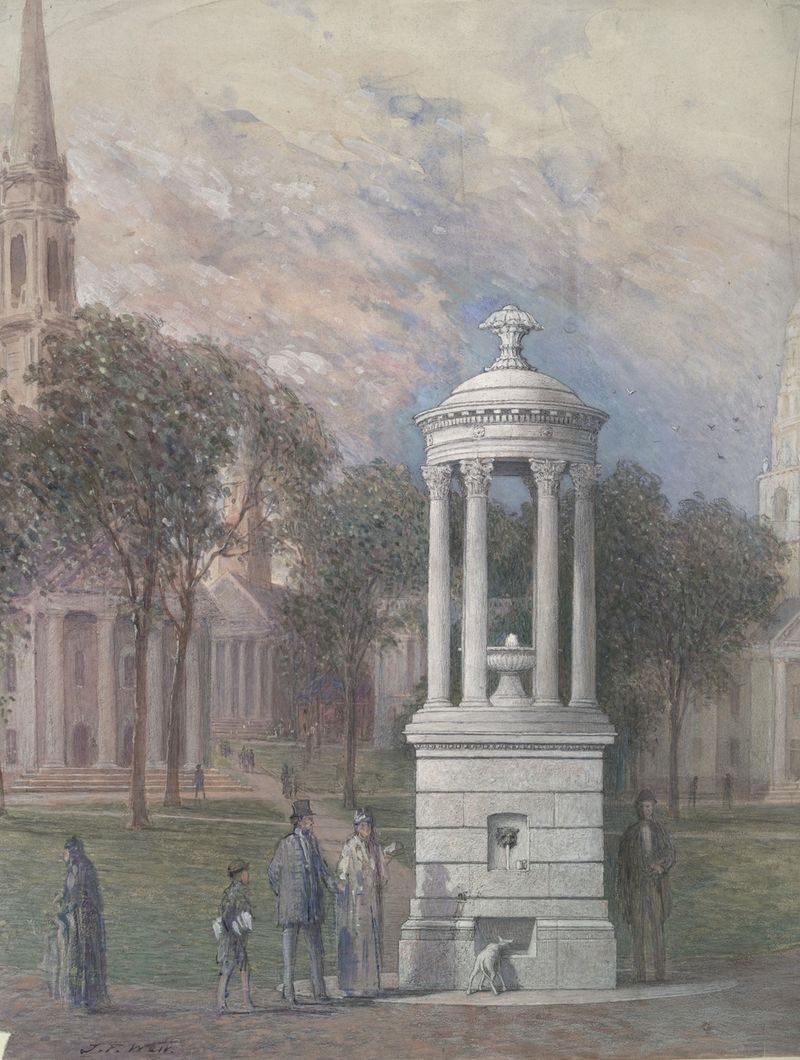
Bennett Fountain on New Haven Green
John Ferguson Weir

West Point Foundry, Cold Spring, New York
John Ferguson Weir





