Night Scene with Poachers — History & Facts
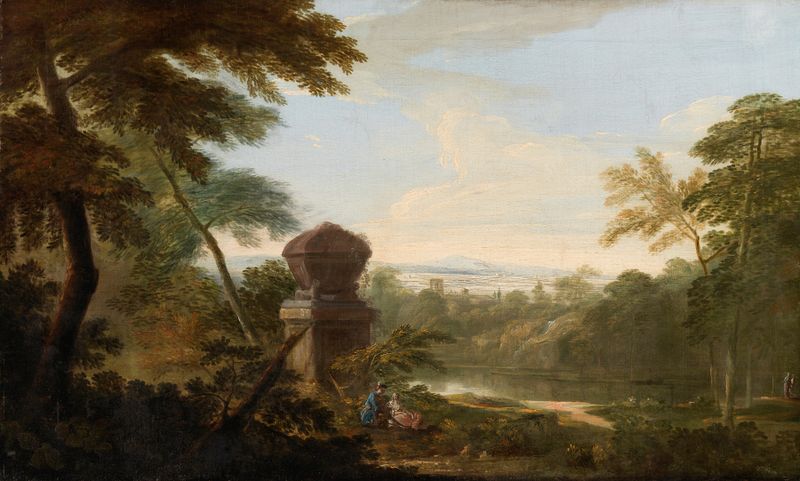
In the stillness of the night, time becomes a mere whisper, captured in the delicate strokes of oil on canvas. Shadows dance, intertwining with the moonlight, as the poachers move stealthily, their figures cloaked in the mystery of darkness. Each brushstroke encapsulates a moment that lingers, transforming the raw energy of their act into a haunting beauty. To fully appreciate the scene, look to the left where a silvery moon bathes the landscape in ethereal light.
Notice how the glint of the moon reflects on the water, guiding the viewer's gaze through the tranquil yet tense composition. The juxtaposition of dark, earthy tones against the luminous highlights creates a striking contrast, emphasizing the poachers' furtive movements. Each figure is rendered with careful detail, revealing a tension between their urgency and the serene backdrop of nature. Beneath the surface, the artwork speaks to the clash between human desperation and the timelessness of the natural world.
The poachers, though engaged in an unlawful act, are portrayed with an air of dignity, blending into their surroundings as if nature itself is complicit. This duality evokes a sense of empathy, prompting questions about survival, morality, and the relentless passage of time that governs both man and nature. During the 1770s, the artist was immersed in the rich tradition of landscape painting, navigating a world filled with societal changes and evolving attitudes toward nature. Living in a period marked by conflict and reflection, he sought to explore the intersections of humanity and the natural environment.
This work emerged as part of a broader dialogue on the delicate balance between human endeavor and the serene power of the wilderness.