
Nithsdale — History & Facts
Can paint confess what words never could? In Nithsdale, the silent flow of the river whispers secrets of legacy, capturing moments lost in the rush of time. Look to the left at the delicate interplay of light and shadow dancing on the water's surface. The artist employs a light palette, evoking the soft early morning glow, where hues of pale blue and muted greens intertwine, guiding your gaze along the winding banks. Notice the gentle curves of the landscape, where the trees arch gracefully over the river, creating a natural frame that draws you deeper into this tranquil scene. Hidden beneath the serene façade lies a reminder of nature's enduring resilience.
The subtle ripples in the river's reflection suggest movement and change, evoking the passage of time, while the stillness of the surrounding flora hints at the permanence of memory. Each brushstroke encapsulates a moment of harmony and discord, a juxtaposition between the fleeting and the eternal, revealing the complexity of existence itself. David Young Cameron painted Nithsdale in 1911 while living in Scotland, a period when Impressionist influences were shaping his style. This work emerged during an era of burgeoning national identity within the arts, set against the backdrop of a world on the brink of change.
Cameron’s exploration of the Scottish landscape reflects not just a personal connection to place, but an artistic legacy that resonates through time.
More Artworks by David Young Cameron
Browse all →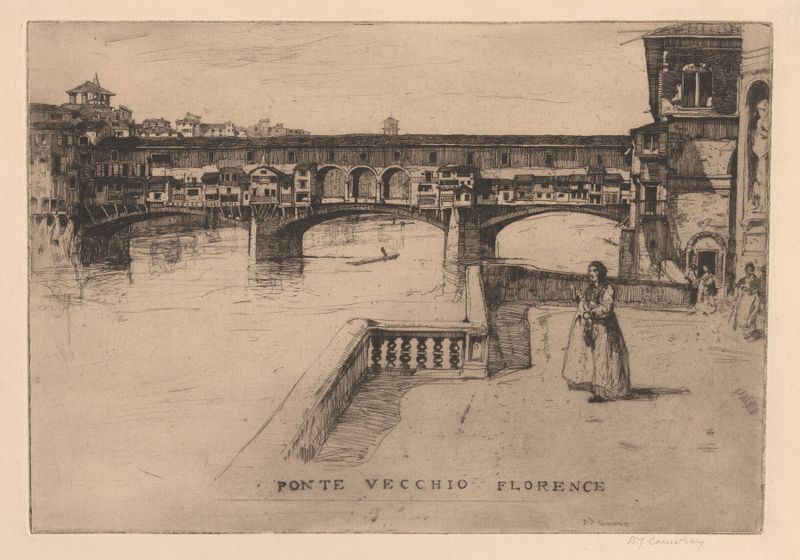
Ponte Vecchio
David Young Cameron

The Deanery, Winchester
David Young Cameron
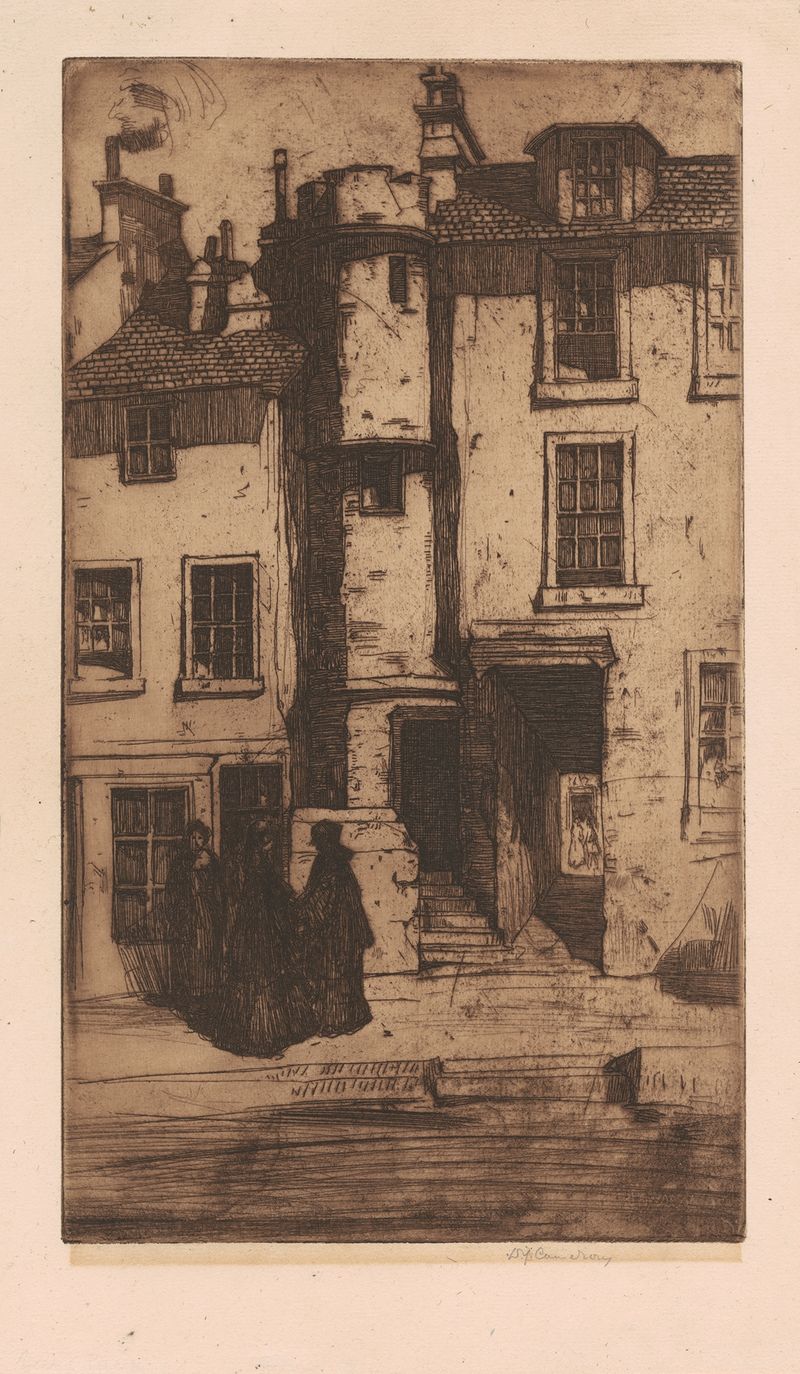
Old Houses, Stirling
David Young Cameron
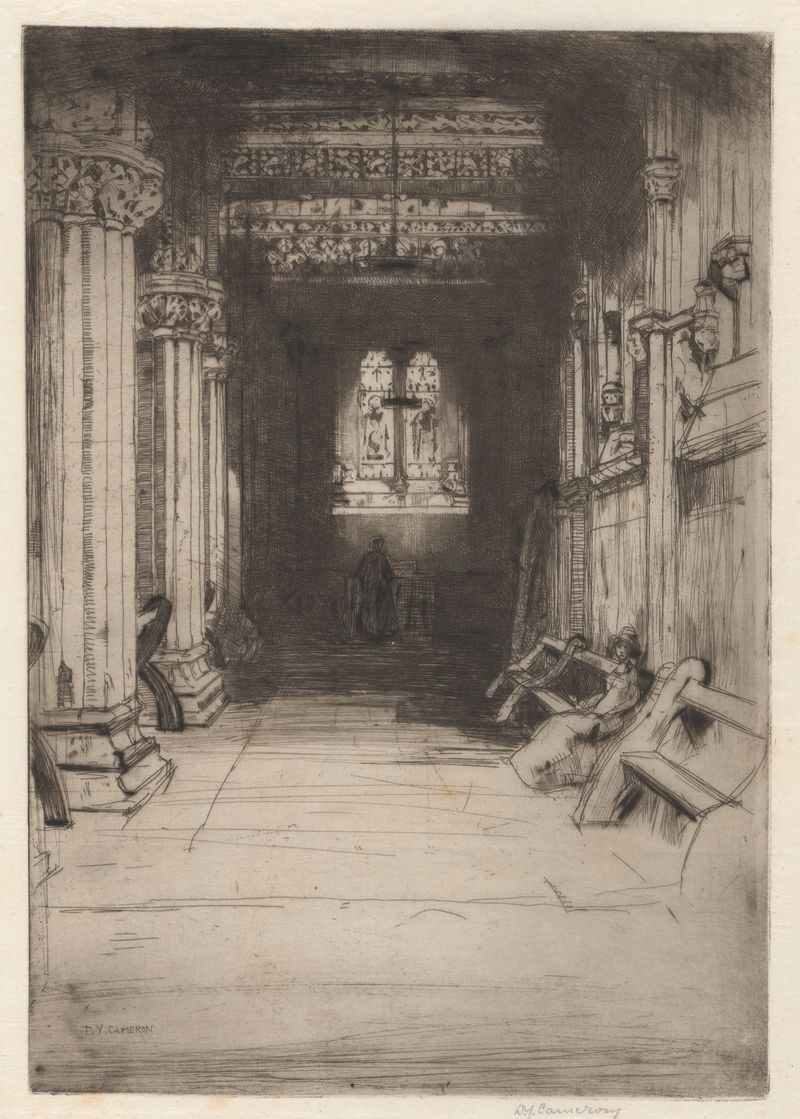
Rosslyn Chapel
David Young Cameron

The Old Museum, Beauvais
David Young Cameron
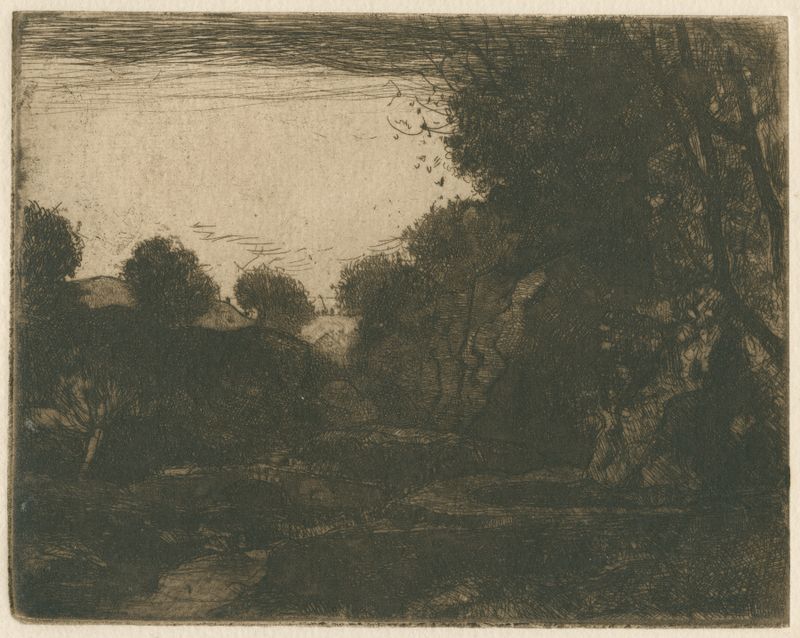
On the Bradford
David Young Cameron

The Smithy
David Young Cameron
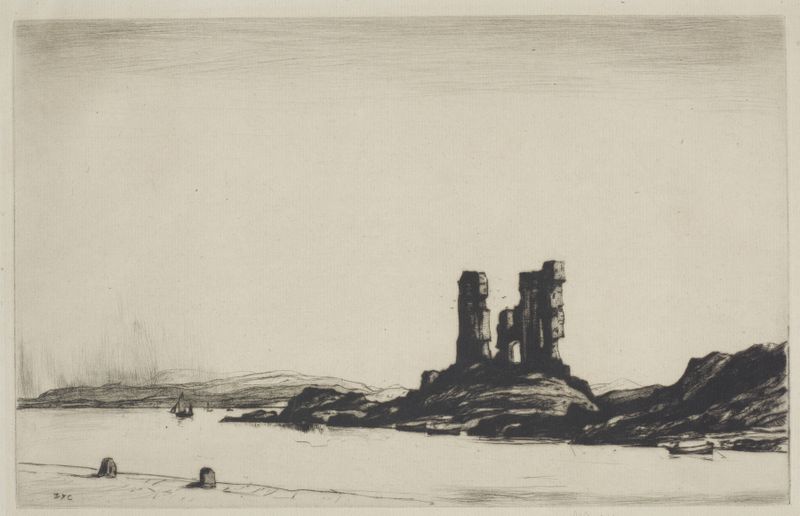
Castle Moyle
David Young Cameron
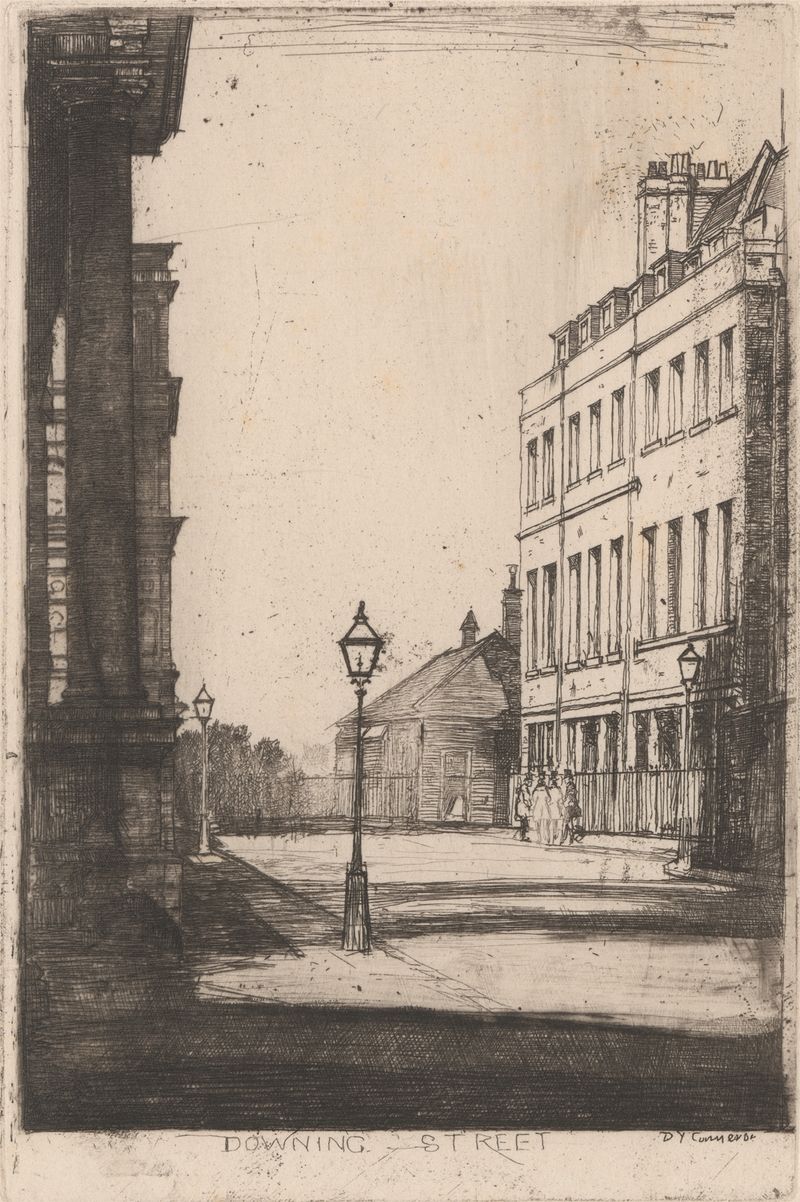
Downing Street
David Young Cameron

Glasgow Cathedral
David Young Cameron





