Discover insights about this artwork
No te aha oe riri (Why Are You Angry) — History & Facts
In No te aha oe riri (Why Are You Angry), Paul Gauguin presents a vibrant scene filled with bold colors. The painting features two figures, one appearing distressed and the other calm, set against a lush, tropical background. Gauguin’s use of color is striking, with deep greens and bright reds dominating the composition.
The emotional tension between the figures invites viewers to ponder the narrative behind their expressions. The painting is executed in oil on canvas, a medium that allows for rich texture and vivid color. Gauguin employs a flat perspective, typical of his Post-Impressionist style, which emphasizes the emotional content over realistic representation. The brushwork is loose and expressive, contributing to the overall intensity of the scene.
Viewers can appreciate the contrast between the figures and the background, enhancing the emotional impact. Paul Gauguin created this work during his time in Tahiti, where he sought to escape European civilization and explore a more primitive way of life. The title translates to 'Why Are You Angry', which suggests a deeper narrative about the emotions of the figures. This painting reflects Gauguin's interest in symbolism and the human condition, making it a significant piece in his oeuvre.
An interesting fact is that Gauguin often used local Tahitian models, which adds authenticity to his portrayal of island life.
More Artworks by Paul Gauguin
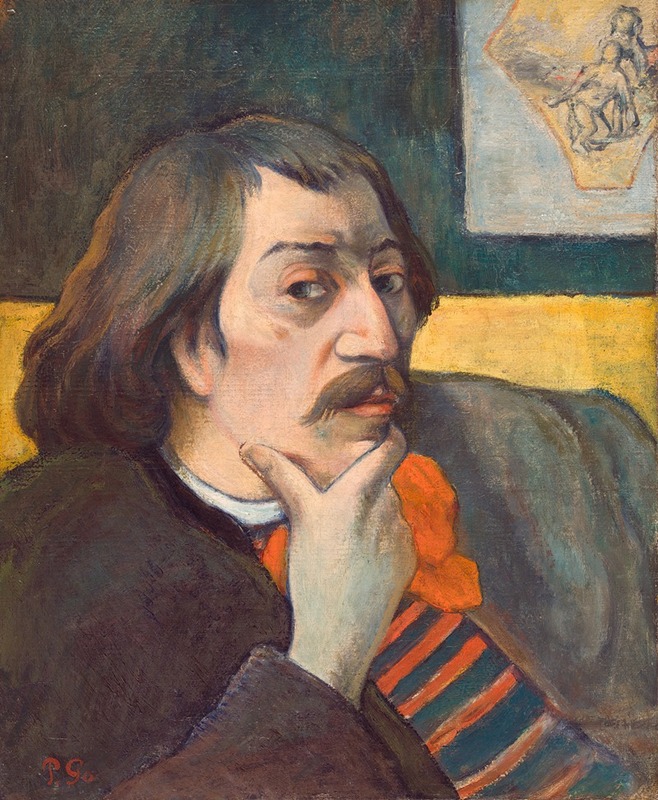
Self Portrait
Paul Gauguin
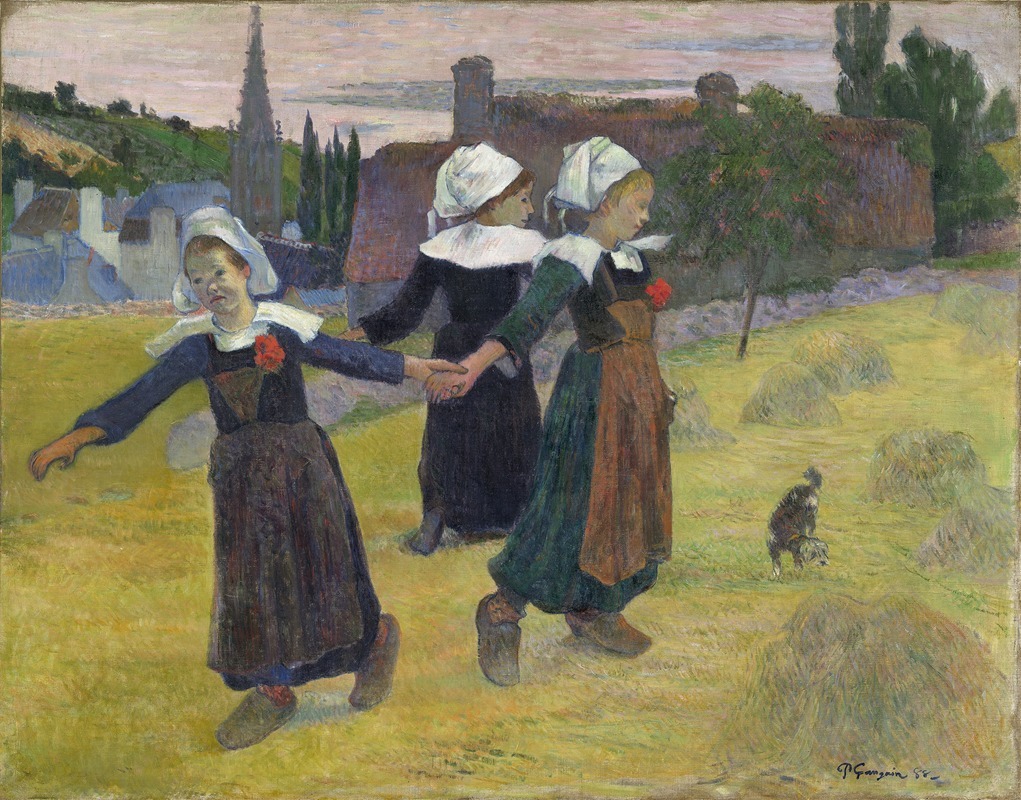
Breton Girls Dancing,Pont-Aven
Paul Gauguin
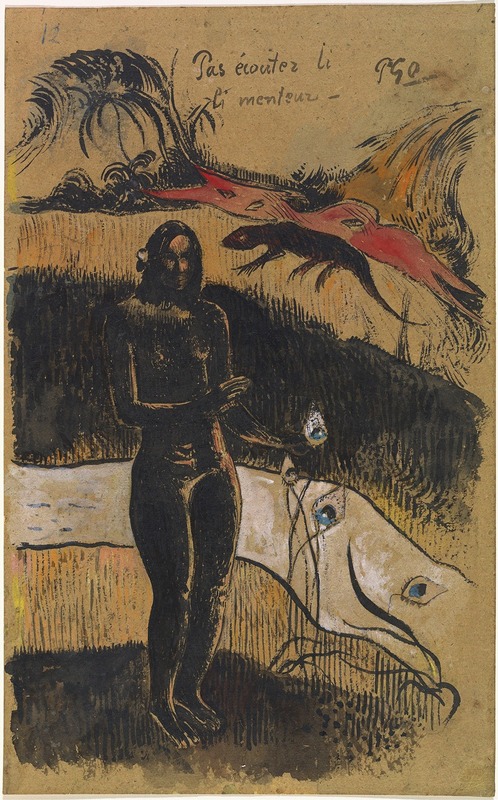
Nave Nave Fenua
Paul Gauguin
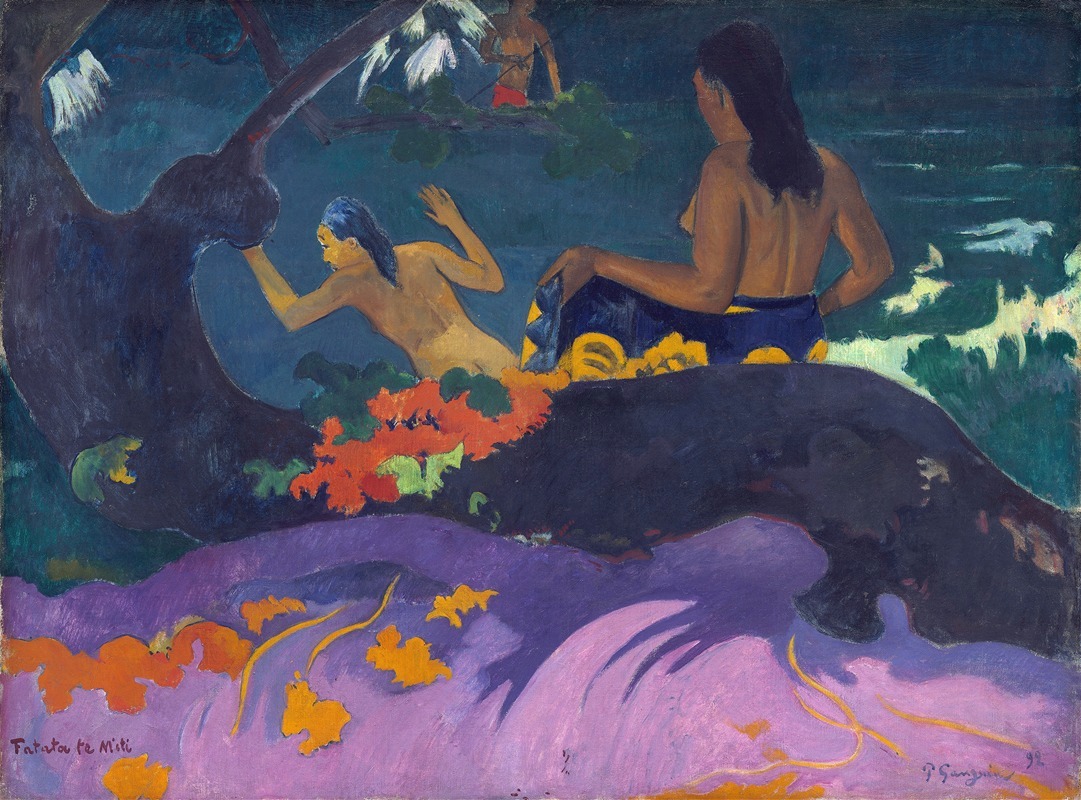
Fatata te Miti (By the Sea)
Paul Gauguin
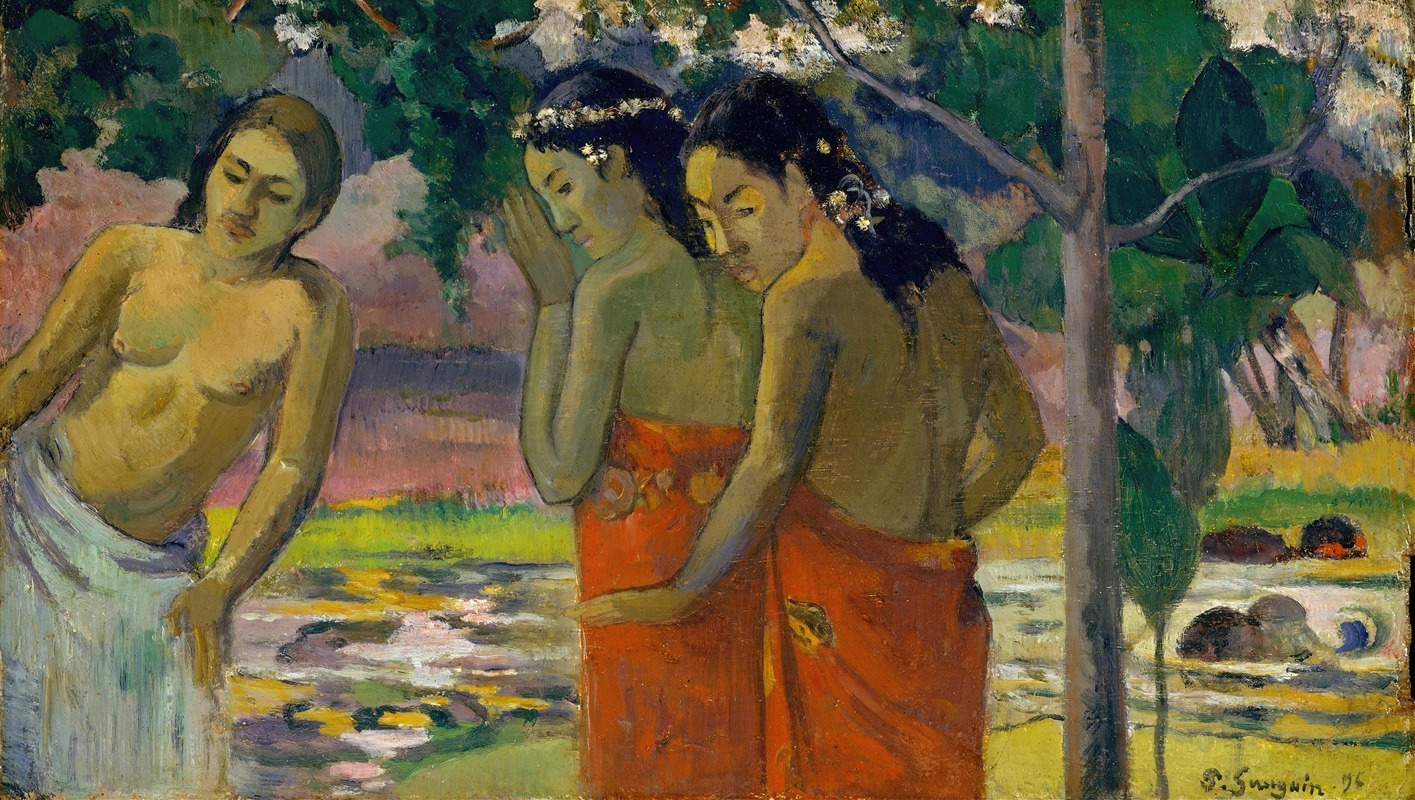
Three Tahitian Women
Paul Gauguin
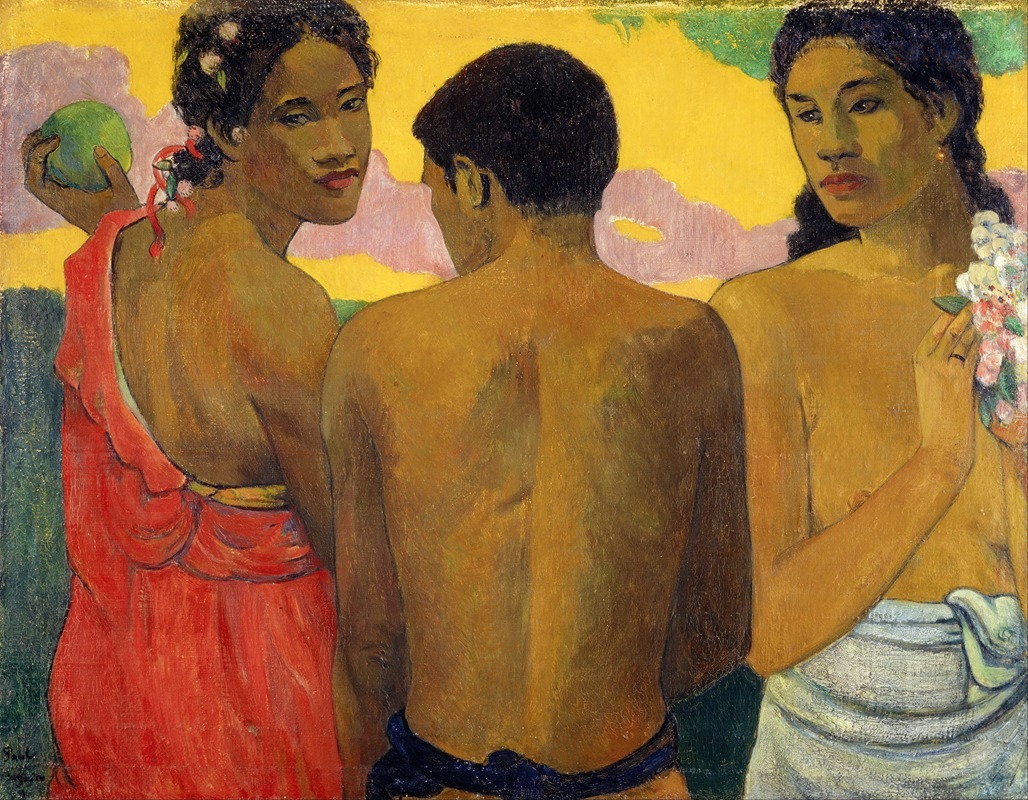
Three Tahitians
Paul Gauguin
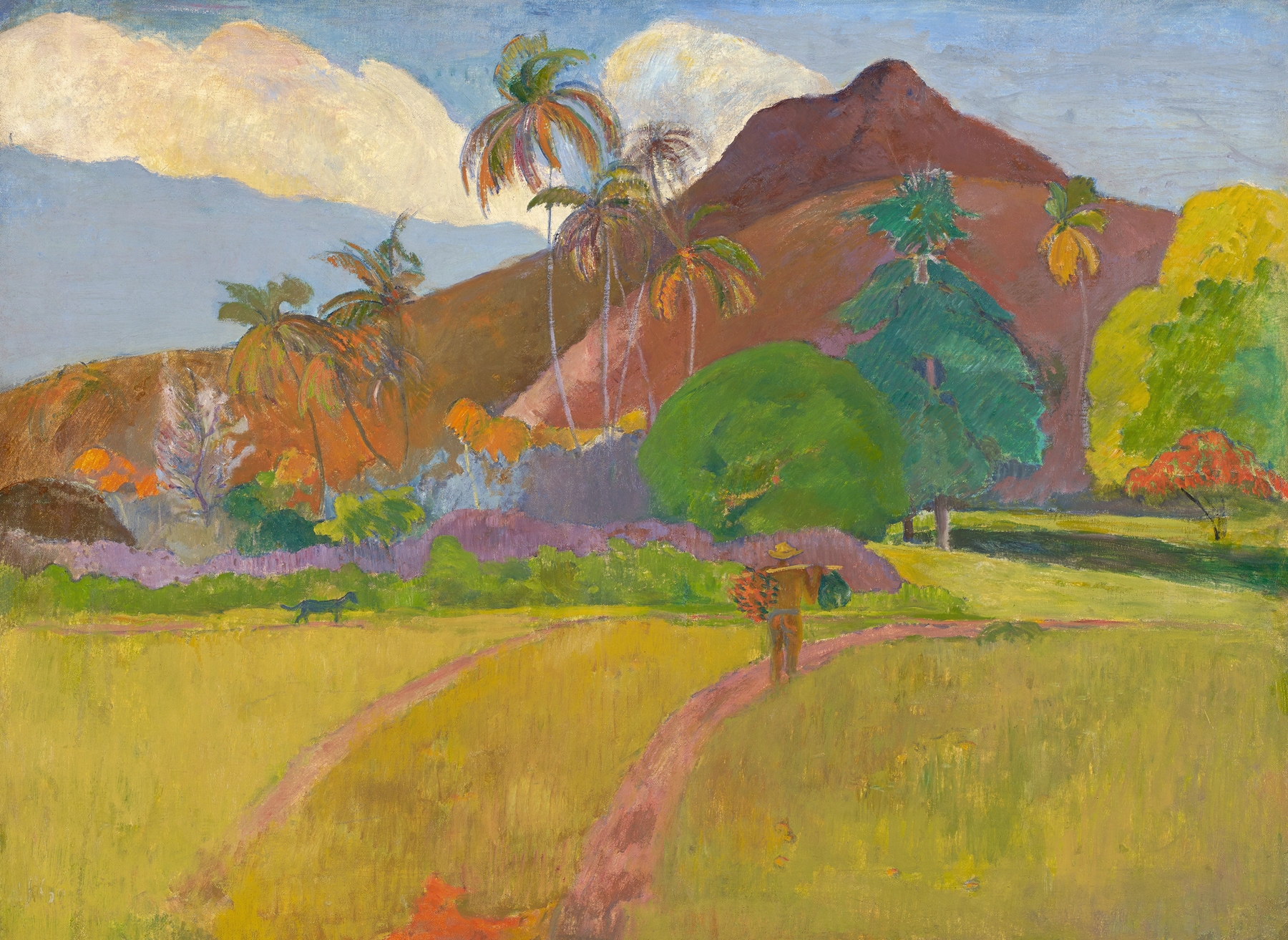
Tahitian Landscape
Paul Gauguin
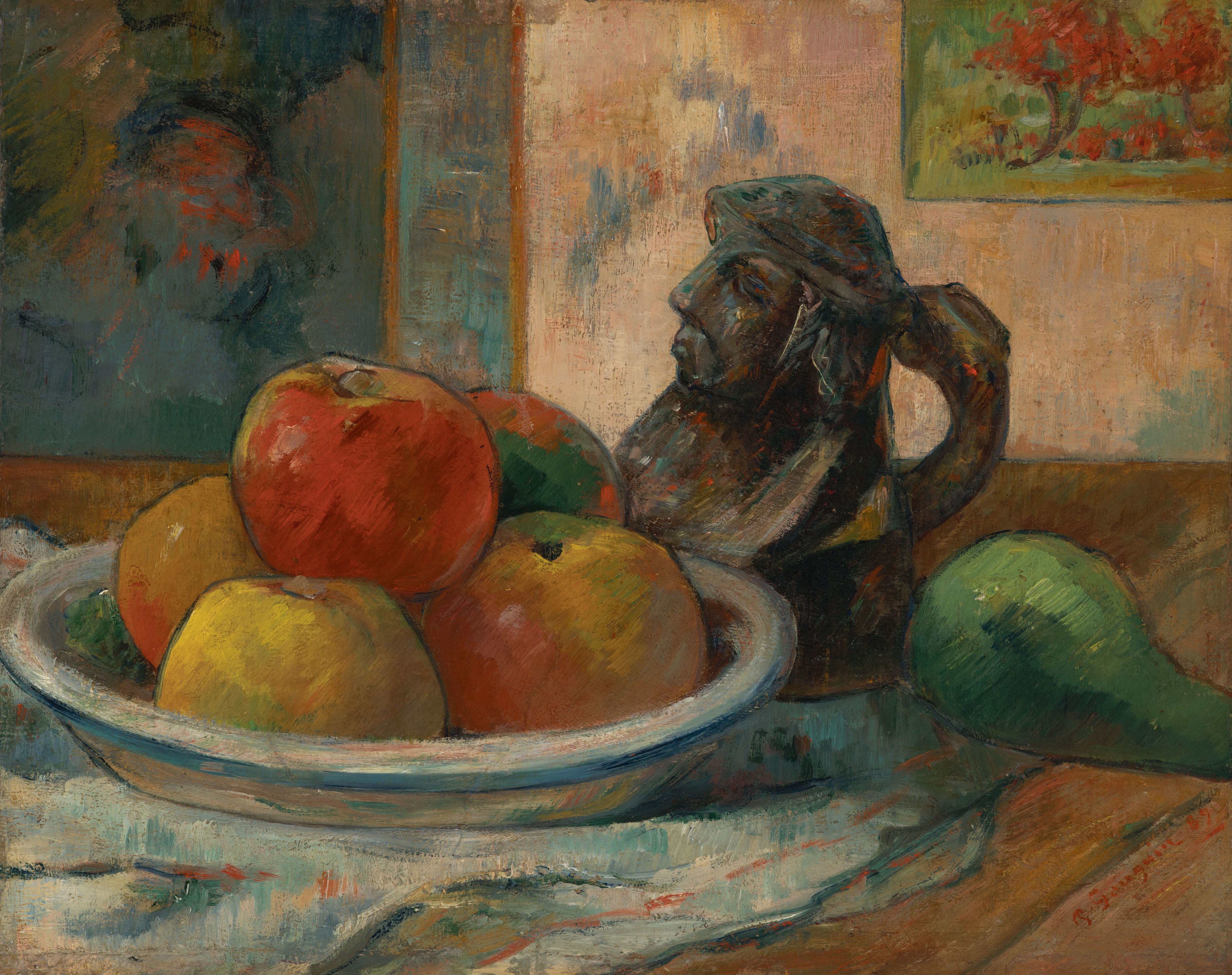
Still Life with Apples, a Pear, and a Ceramic Portrait Jug
Paul Gauguin
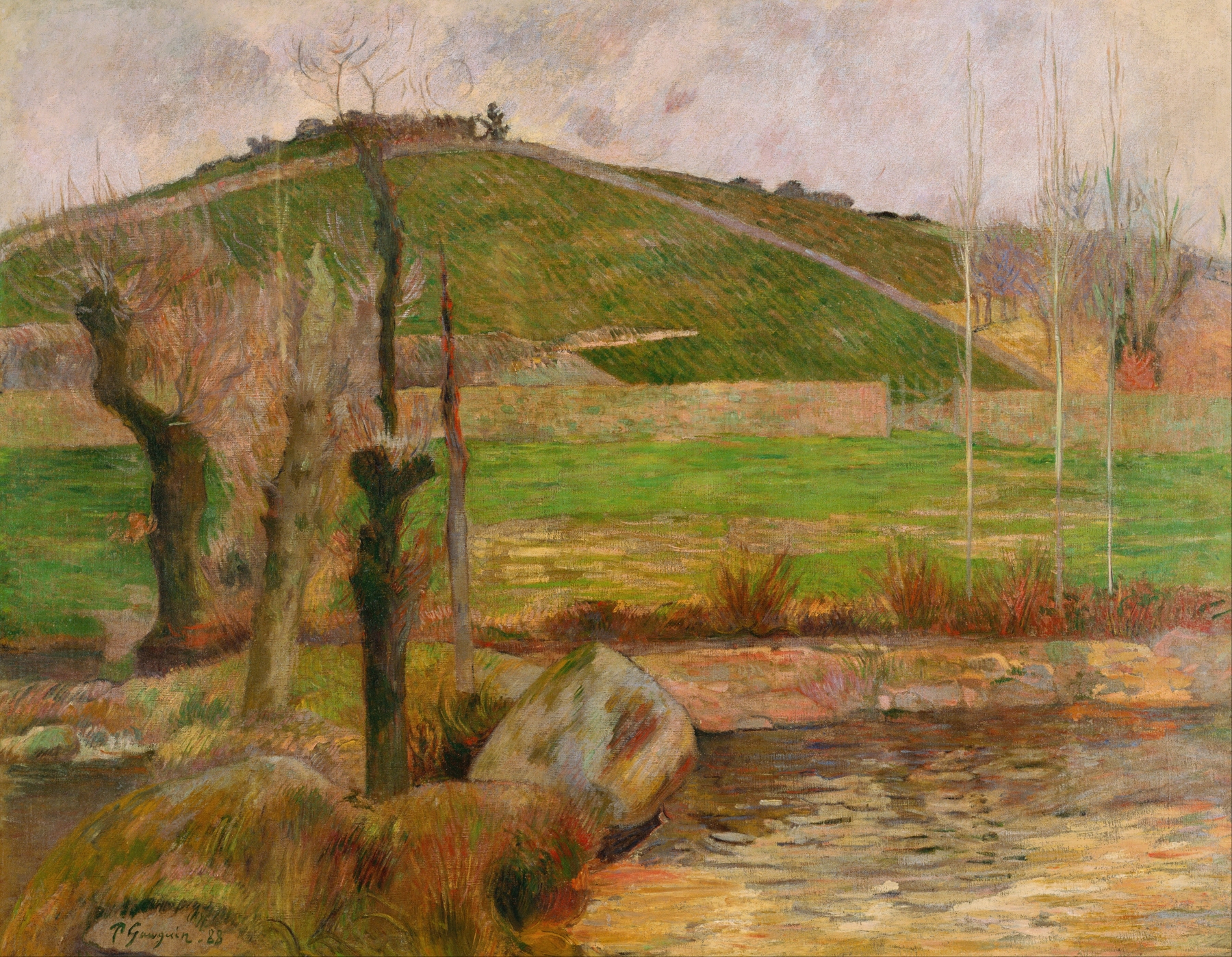
Landscape near Pont-Aven
Paul Gauguin

No te aha oe riri (Why Are You Angry?)
Paul Gauguin