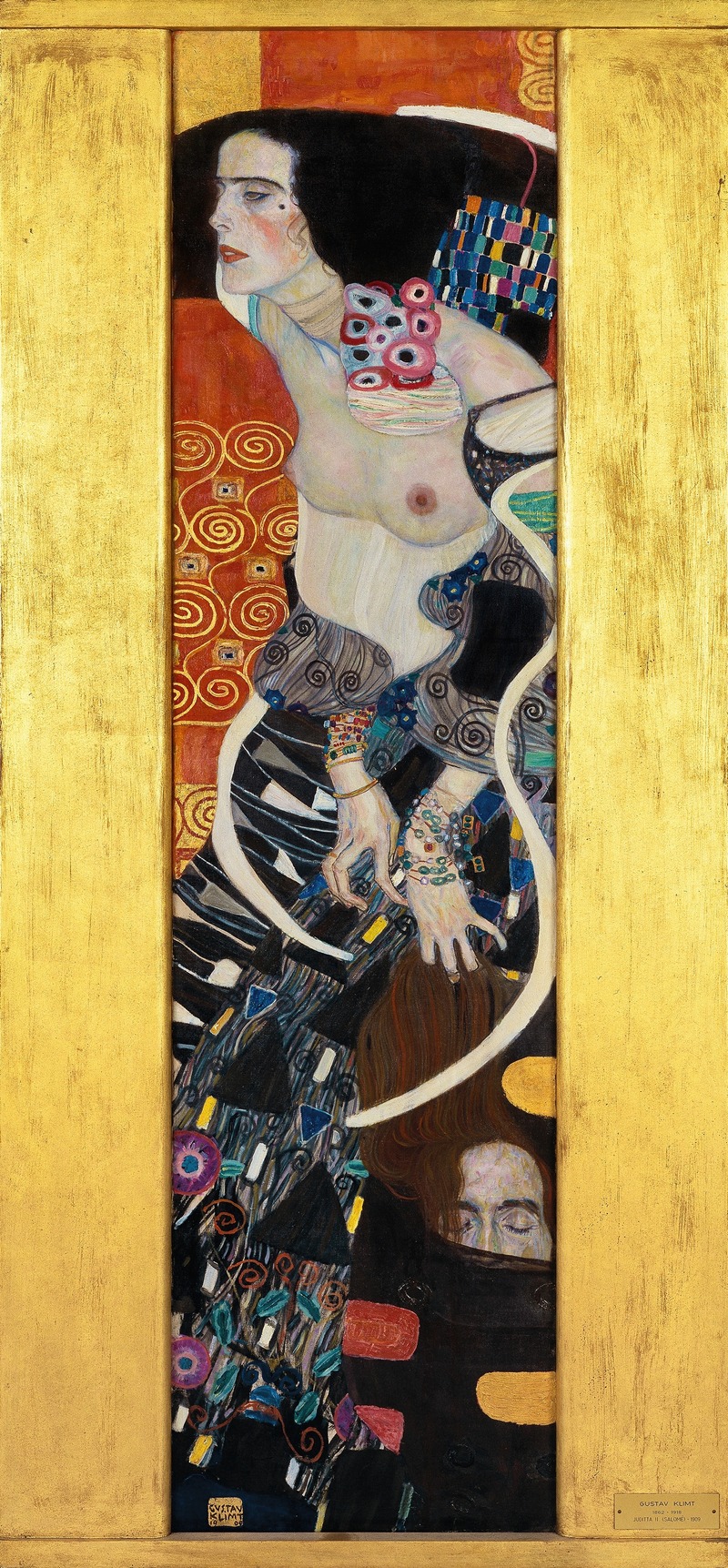
Discover insights about this artwork
Noa Noa — History & Facts
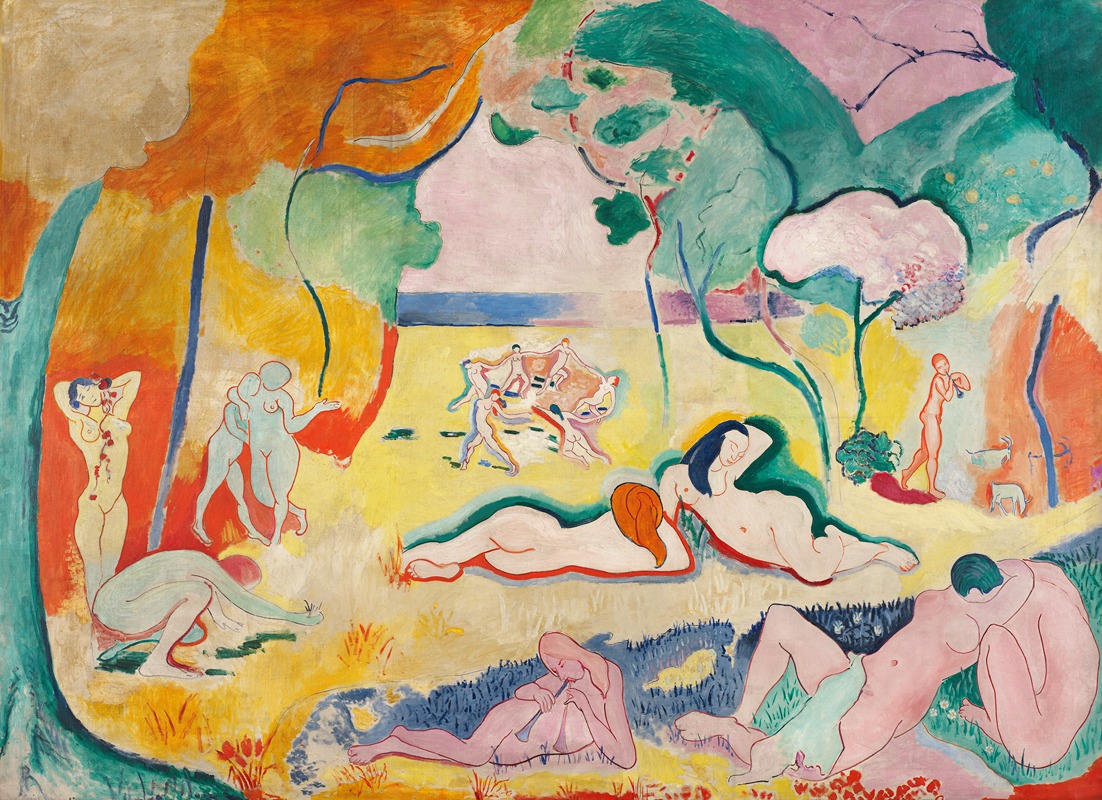
In Noa Noa, vibrant colors dominate the canvas, showcasing a lush tropical landscape. Figures of Tahitian women are depicted in traditional attire, surrounded by exotic flora. The warm hues of yellow, green, and blue create a lively atmosphere.
The setting reflects Gauguin's fascination with the South Seas and its culture. This painting is characterized by bold brush strokes and a rich palette, typical of Post-Impressionism. Gauguin's use of color is not just representational but also emotional, conveying his personal experiences in Tahiti. The composition is balanced, with figures harmoniously integrated into the landscape.
The artwork invites viewers to immerse themselves in the beauty of Tahitian life. Noa Noa is part of Gauguin's exploration of Tahiti, a place he viewed as a paradise. The title translates to 'fragrant' in Tahitian, reflecting the artist's connection to the island's beauty. Interestingly, this work was inspired by Gauguin's experiences and interactions with the local people.
It represents his desire to escape European civilization and embrace a simpler, more authentic life.
More Artworks by Paul Gauguin
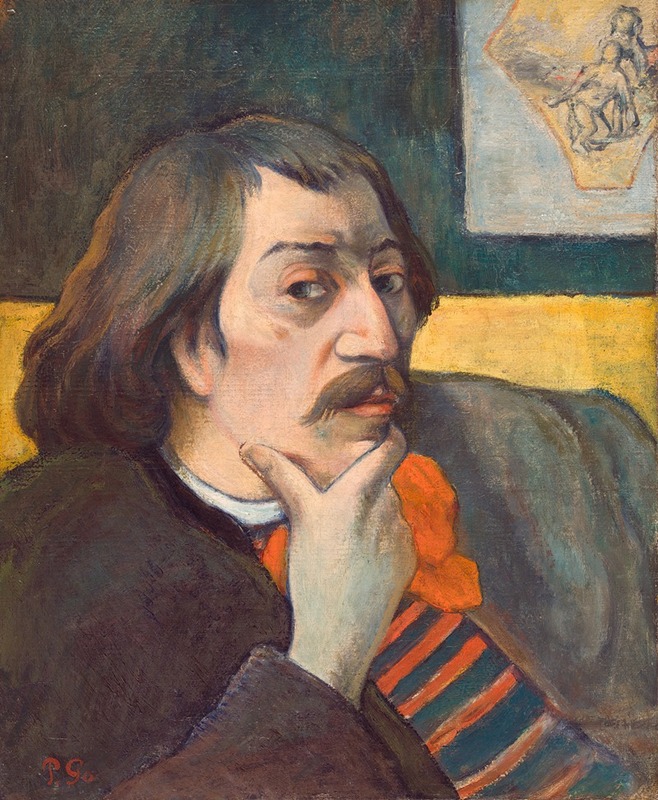
Self Portrait
Paul Gauguin
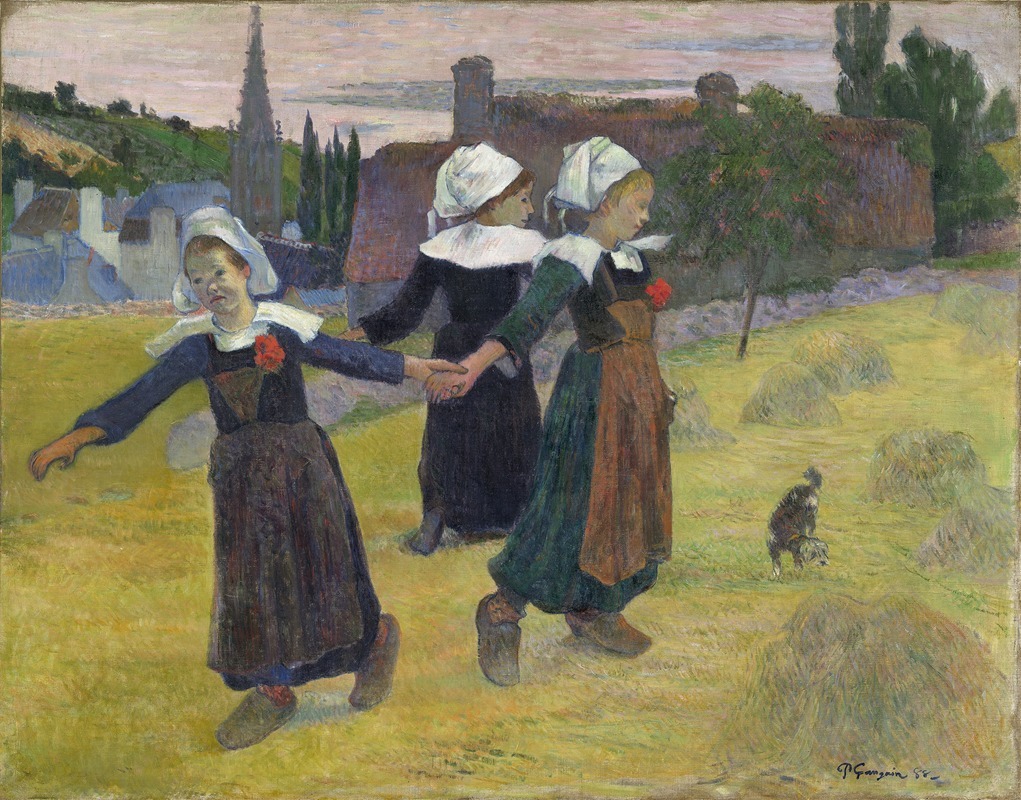
Breton Girls Dancing,Pont-Aven
Paul Gauguin
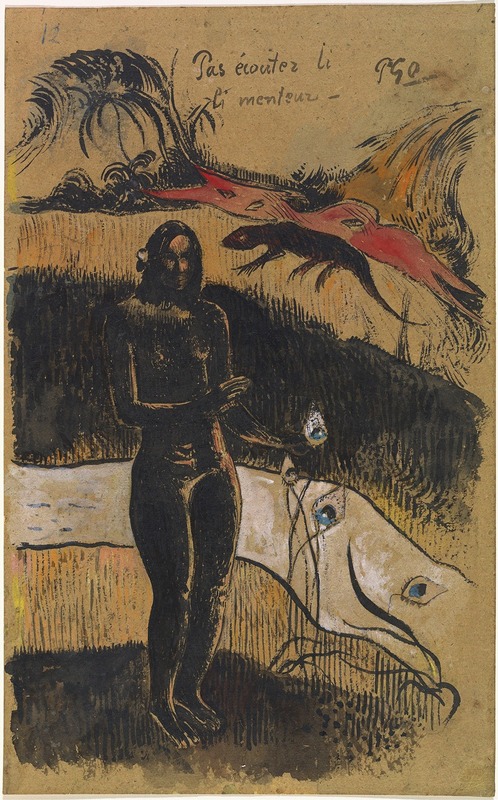
Nave Nave Fenua
Paul Gauguin
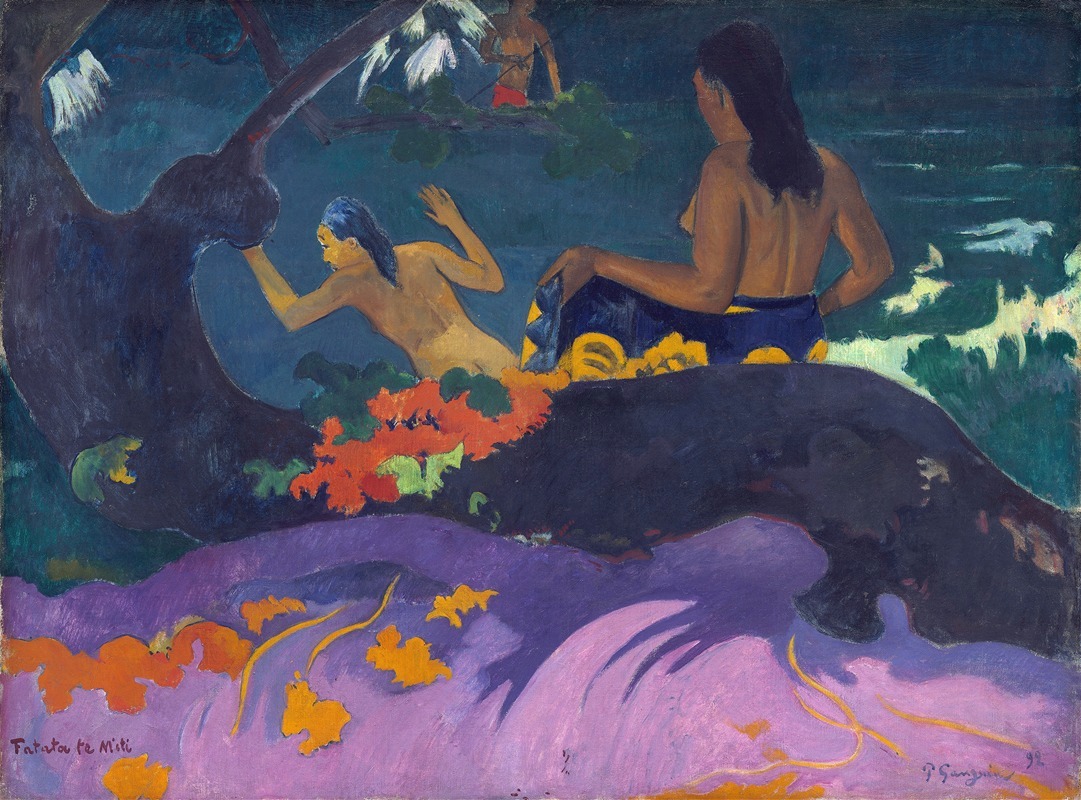
Fatata te Miti (By the Sea)
Paul Gauguin
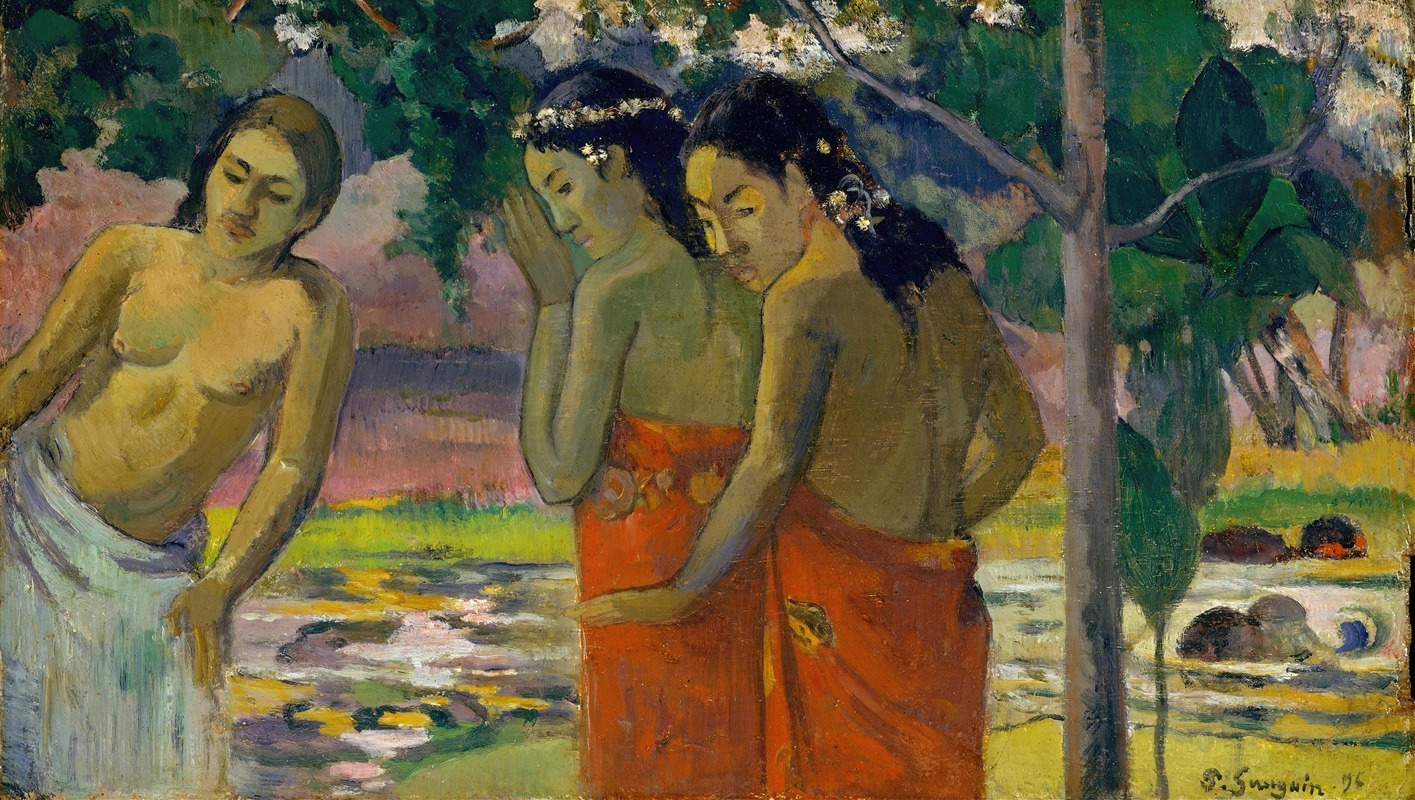
Three Tahitian Women
Paul Gauguin
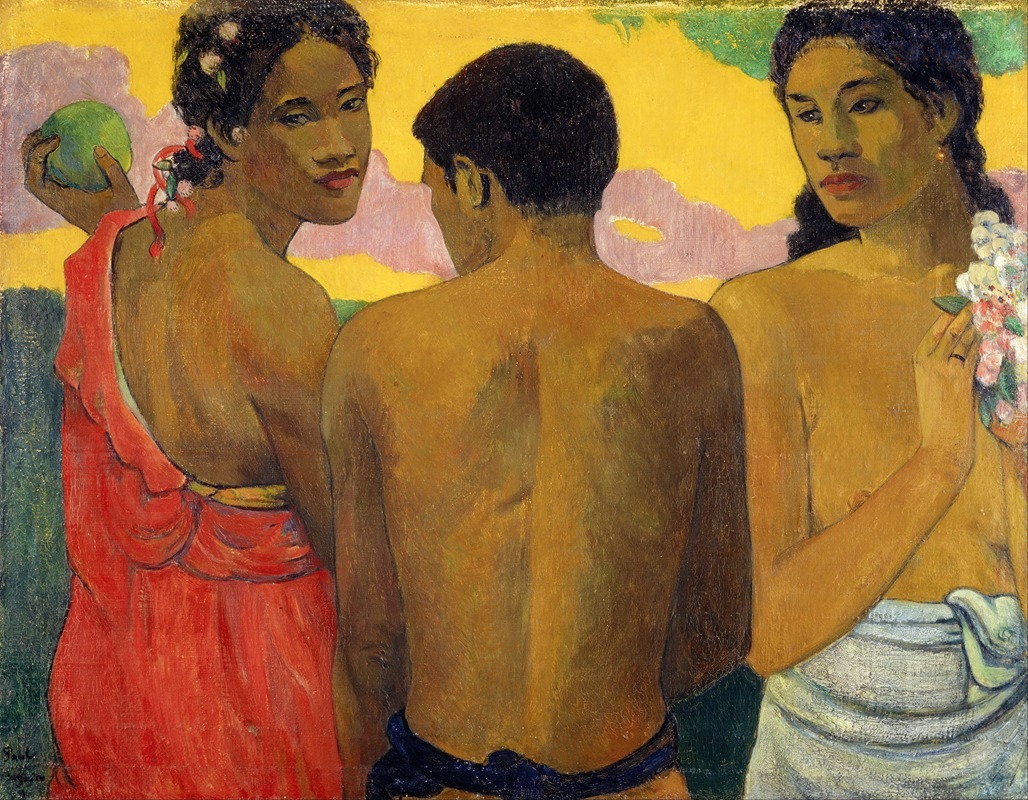
Three Tahitians
Paul Gauguin
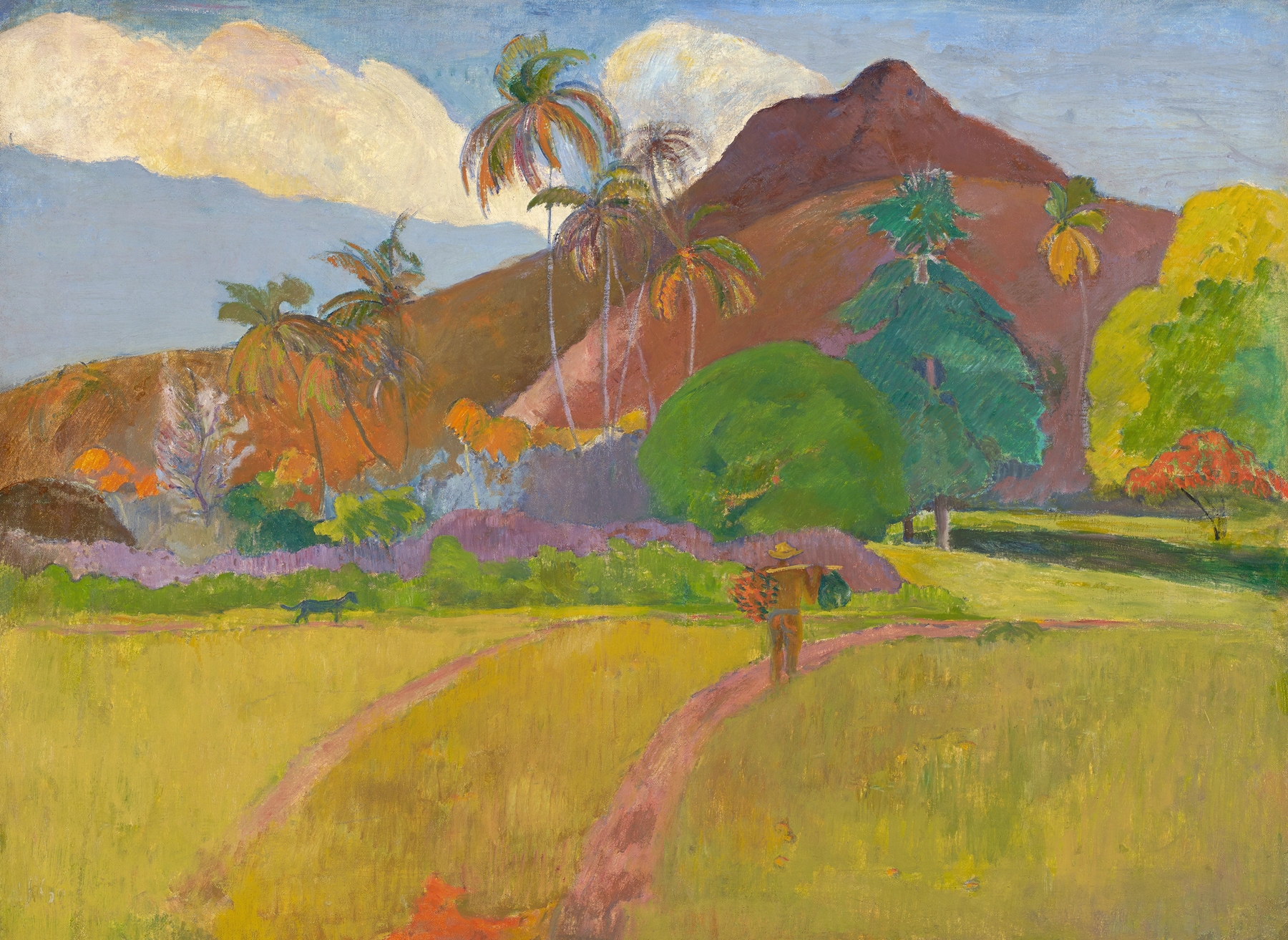
Tahitian Landscape
Paul Gauguin
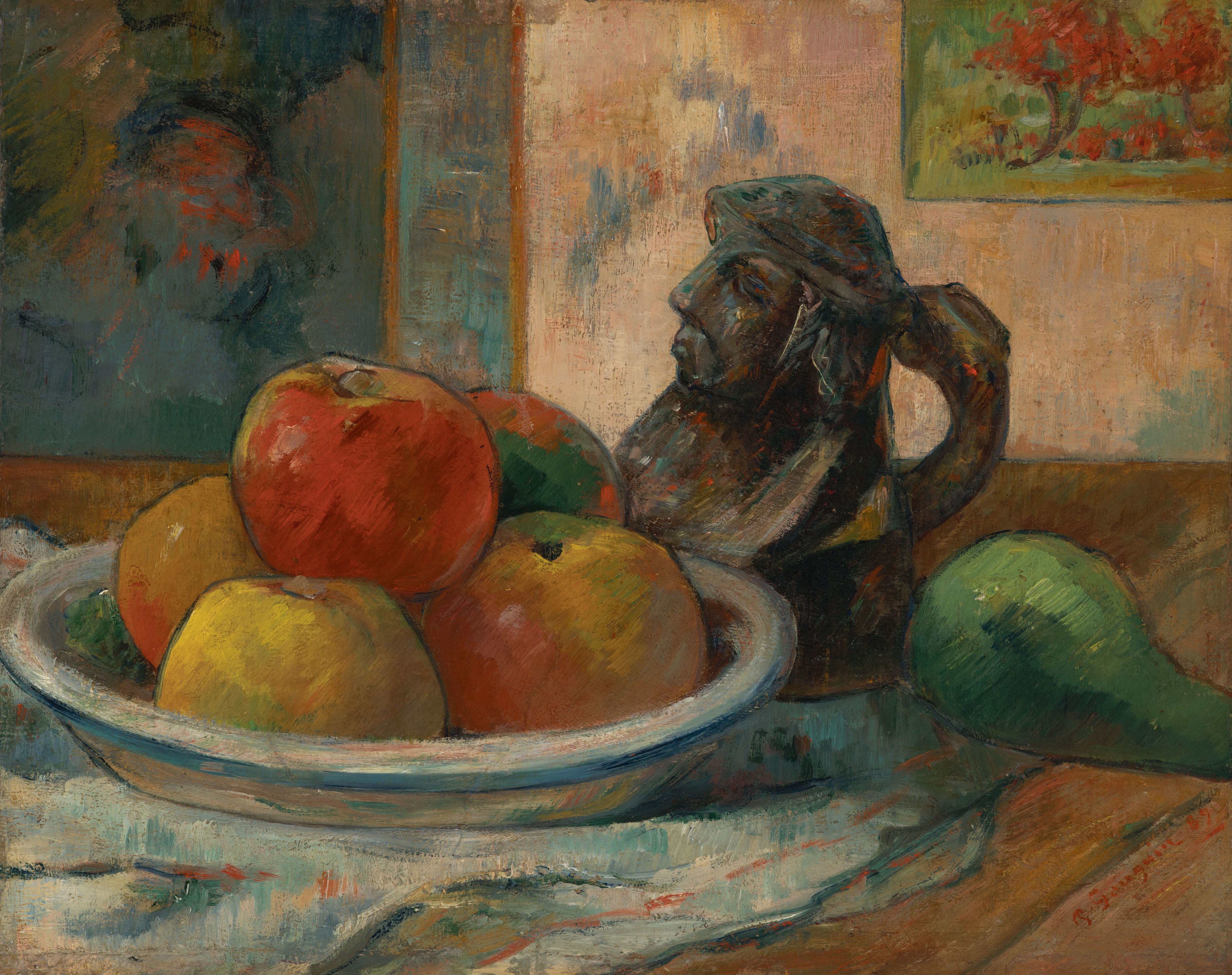
Still Life with Apples, a Pear, and a Ceramic Portrait Jug
Paul Gauguin
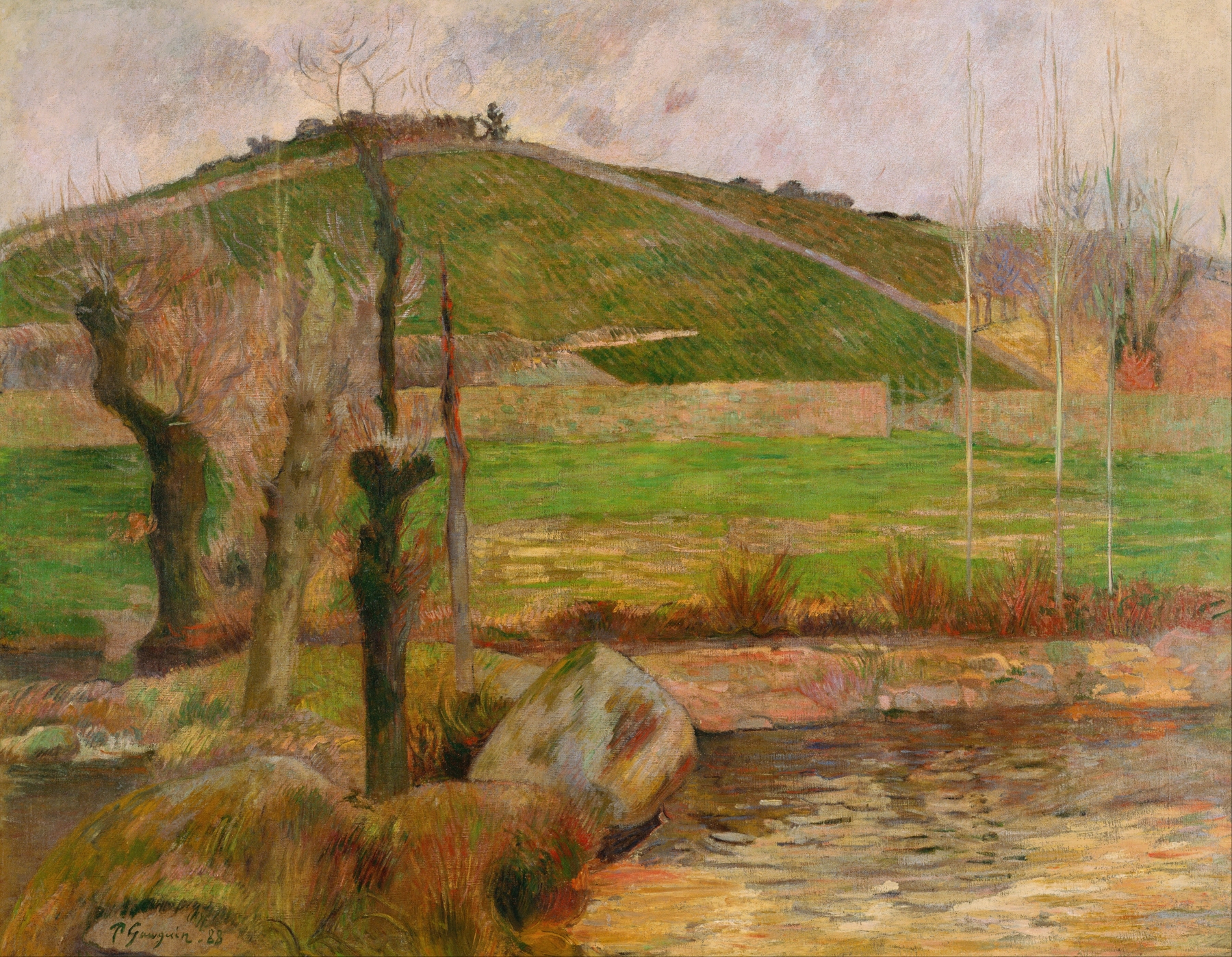
Landscape near Pont-Aven
Paul Gauguin

No te aha oe riri (Why Are You Angry?)
Paul Gauguin