
Nobleman with a Parrot — History & Facts
In Nobleman with a Parrot, the viewer sees a distinguished nobleman dressed in rich, dark clothing. The parrot perched on his hand adds a vibrant splash of color, with its bright greens and reds contrasting against the somber tones of the man's attire. The background is softly blurred, focusing attention on the nobleman and his exotic companion.
This composition creates a sense of intimacy and connection between the two figures. The painting is executed in oil on canvas, a common medium during the Dutch Golden Age. The artist employs a realistic style, capturing the textures of the nobleman's clothing and the feathers of the parrot with great detail. The play of light and shadow enhances the three-dimensionality of the figures, making them appear lifelike.
The dimensions of the work are approximately 70 x 90 cm, making it a substantial portrait. Józef Simmler was a Polish painter known for his portraits, particularly during the 19th century. This work reflects the influence of the Dutch Golden Age, characterized by its attention to detail and realism. An interesting fact about this painting is that it showcases the trend of including exotic animals in portraits, symbolizing wealth and status.
The parrot not only adds visual interest but also signifies the nobleman's connection to the natural world.
More Artworks by Józef Simmler
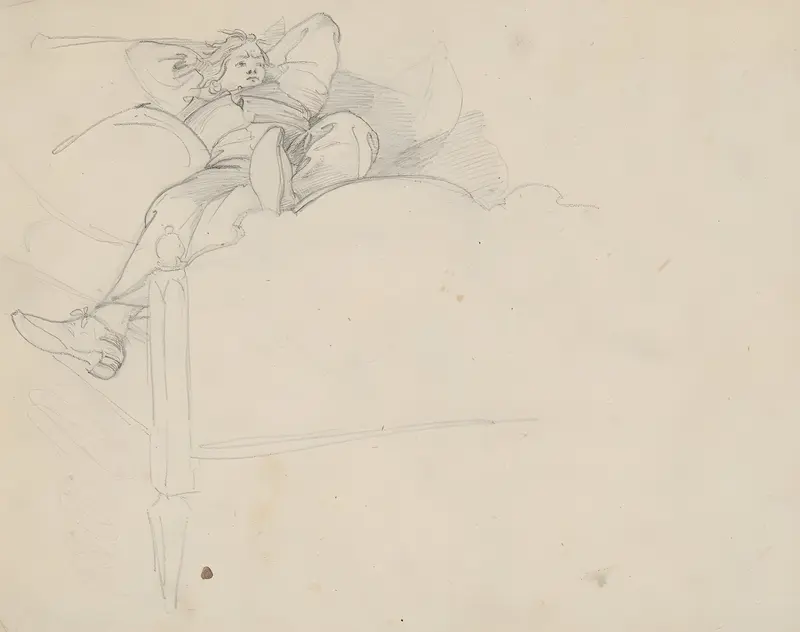
Man resting on a bed
Józef Simmler
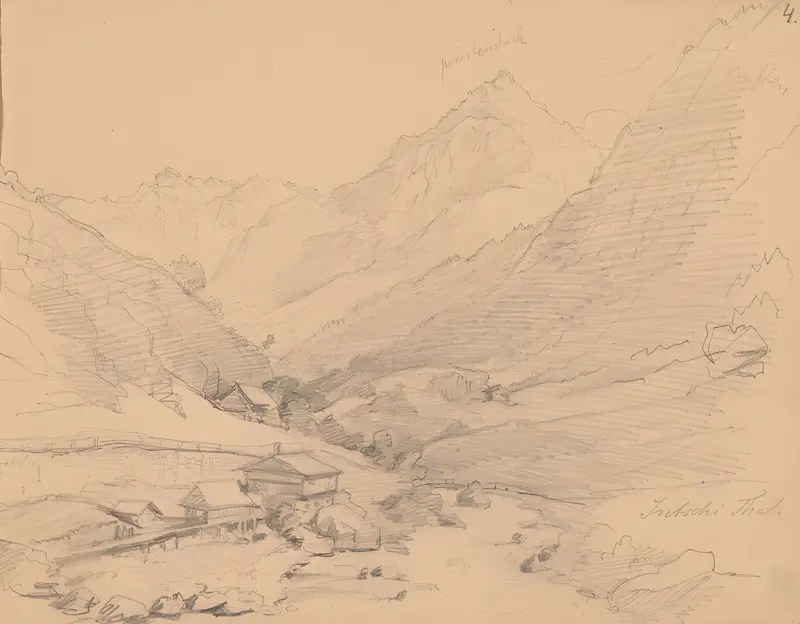
Mountain landscape
Józef Simmler
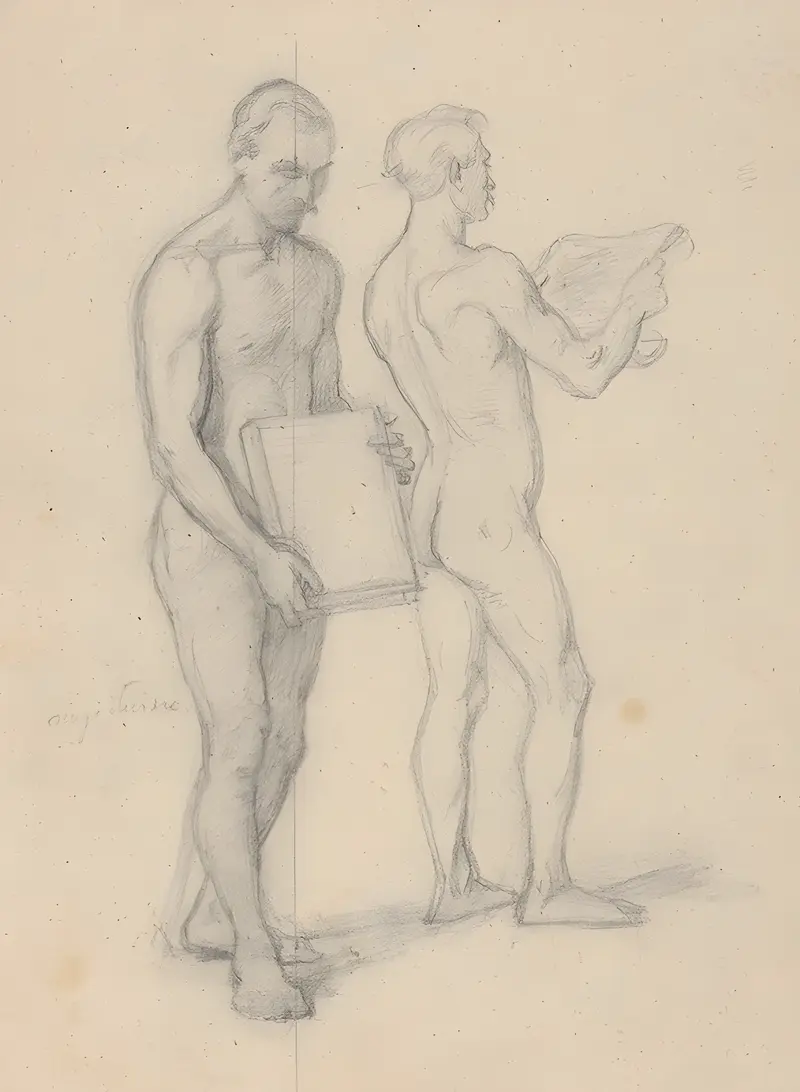
Nude studies for the figures of Jaśko of Tęczyn and the man standing behind him for the painting ‘Queen Jadwiga’s Oath’
Józef Simmler

Half-length figure of a boy in profile to the left
Józef Simmler
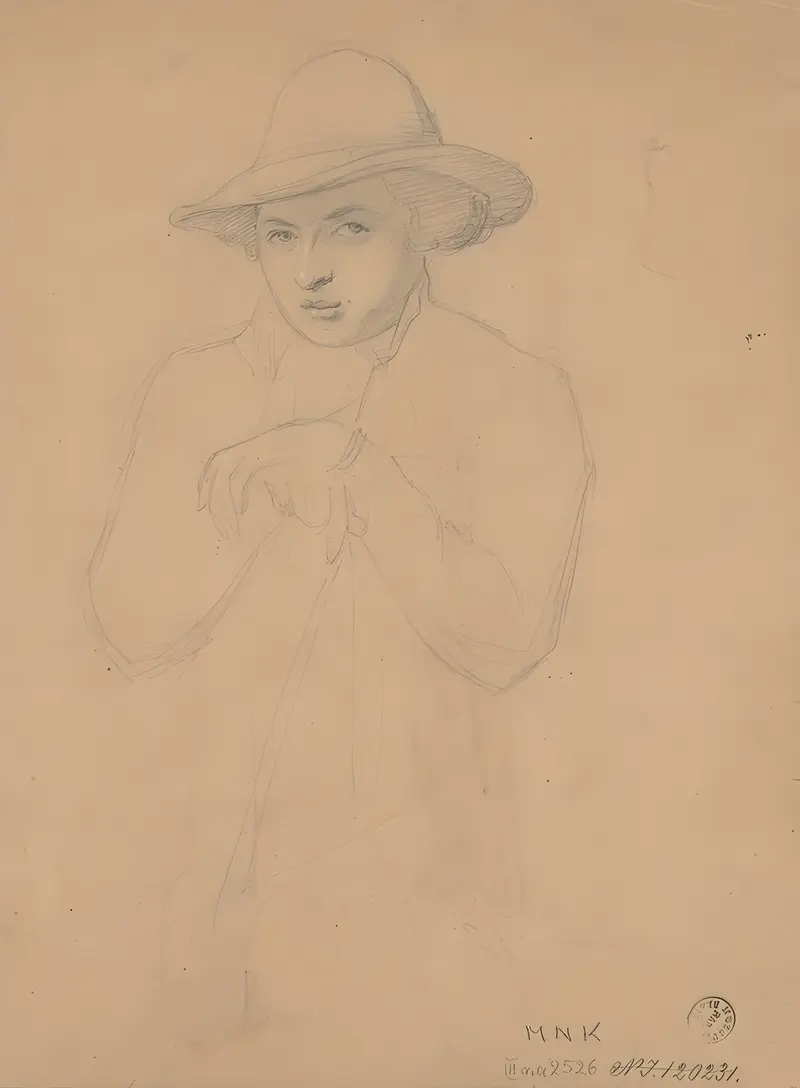
Half-length figure of young man in a hat
Józef Simmler
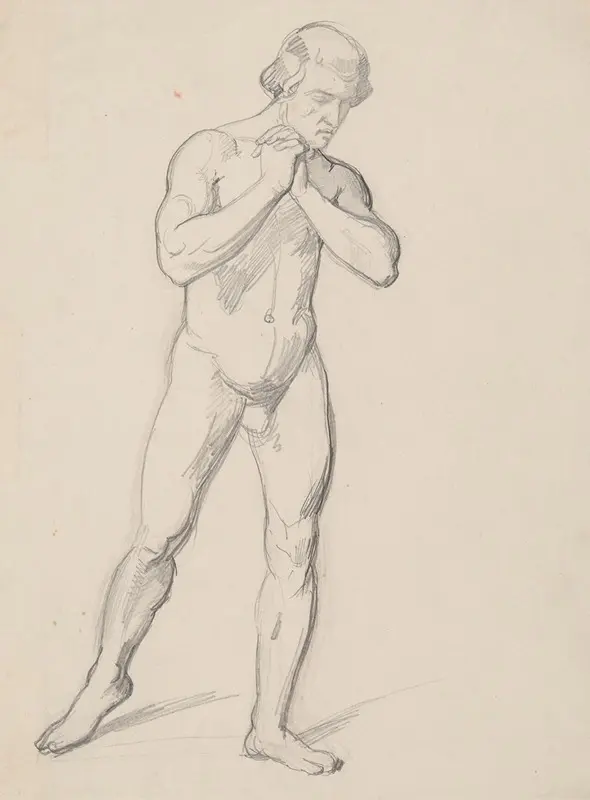
Sketch of a nude male
Józef Simmler
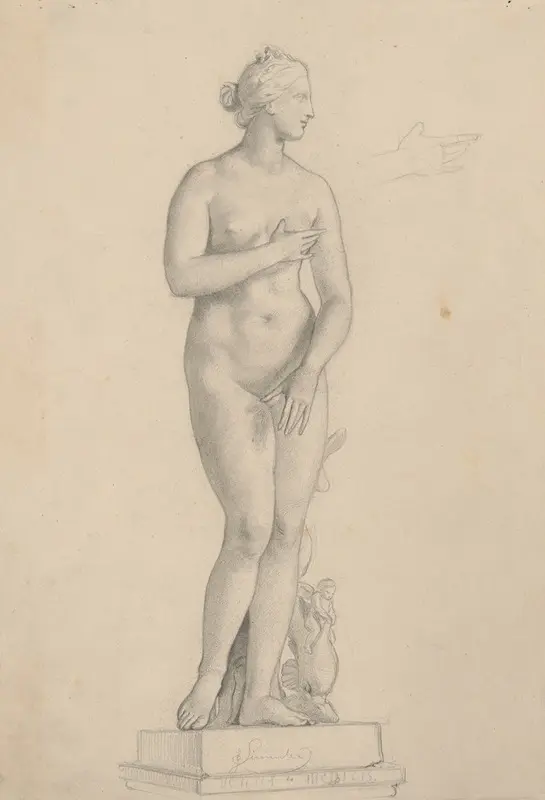
Studium rzeźby ‘Wenus Medycejska’
Józef Simmler
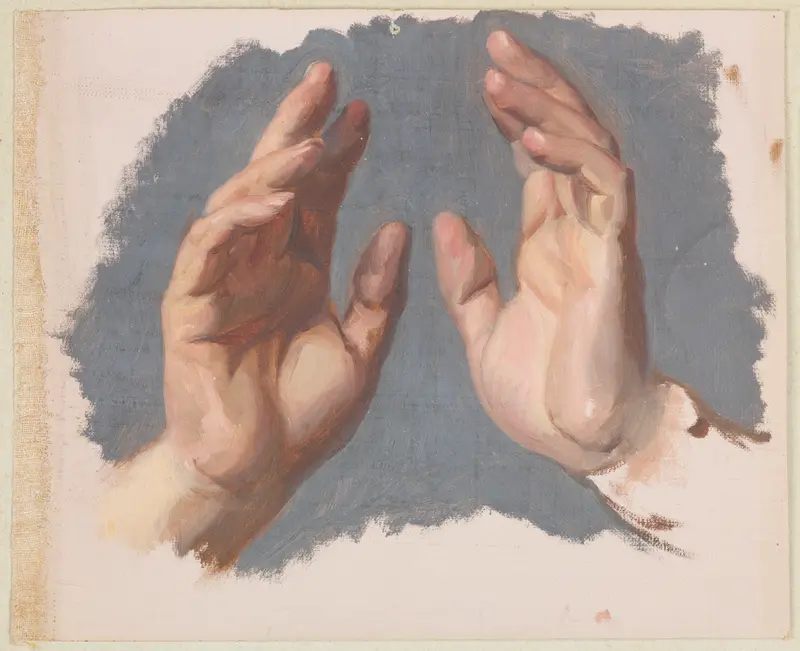
Study of Both Hands of the Bishop for the Painting ‘The Oath of Queen Jadwiga’
Józef Simmler
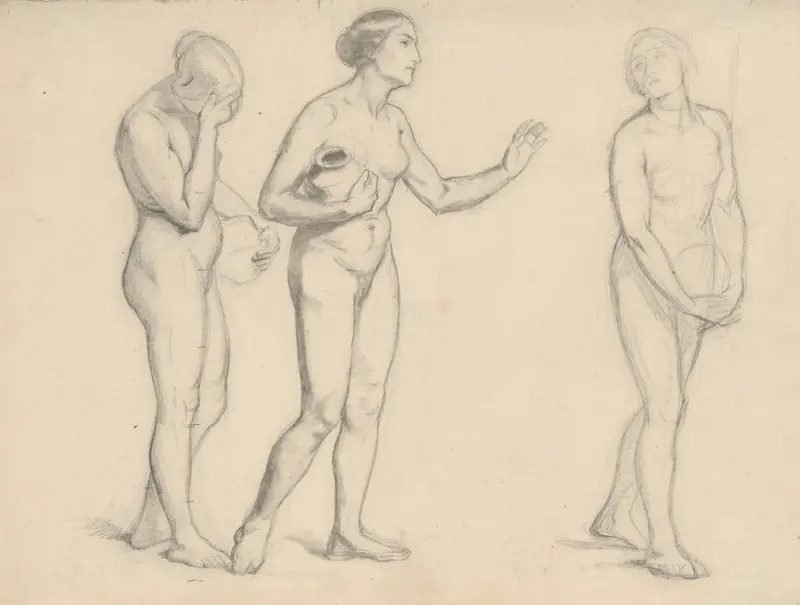
Study of female nudes to figures of three Marys for the painting ‘Three Marys’
Józef Simmler

Nude male study to the painting ‘King David playing the harp’
Józef Simmler





