
Noli me tangere — History & Facts
The gaze that passes between the two central figures here is electric: Christ, newly risen, halts Mary Magdalene with a gentle but unyielding gesture, his hand raised in both blessing and refusal. The sweep of her blue robe, the outstretched arm, and the startled backward step all draw us into the moment of recognition and restraint. The painter uses the luminous blue of Mary’s dress to anchor our attention, contrasting it with the pale, almost sculptural body of Christ, who is marked by a golden sash and the faintest trace of a halo.
Behind them, the landscape opens onto distant hills and a walled city, while the empty crosses on the hilltop remind us of the drama just past. Every detail—the spade in Christ’s hand, the startled companions, the careful play of light—serves to heighten the sense of revelation held just at arm’s length. Painted in 1561, this Noli me tangere belongs to the world of late Renaissance Florence, when artists like Agnolo Bronzino were celebrated for their clarity, elegance, and cool precision. Such scenes were often commissioned for private devotion or as altarpieces, inviting viewers to meditate on moments of transformation and recognition.
The story of Christ’s appearance to Mary Magdalene after the Resurrection was a favorite in this period, offering artists a chance to explore both human emotion and divine mystery. While history has kept few traces of this particular painting’s journey, its careful construction and vivid palette speak to the ambitions of its age—a world where faith, beauty, and intellect were meant to meet in a single, unforgettable image. Let your eye linger on the tension between touch and distance, and the painting will return your gaze.
More Artworks by Agnolo Bronzino

Eleonora Of Toledo
Agnolo Bronzino
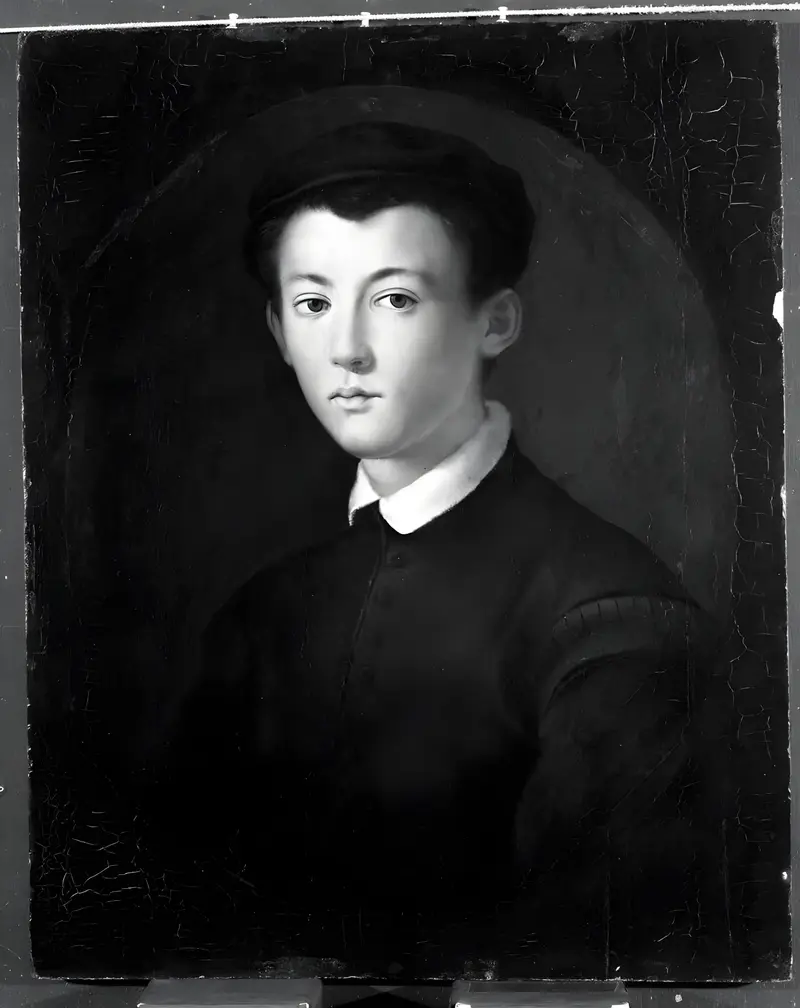
Portrait of a Young Man
Agnolo Bronzino
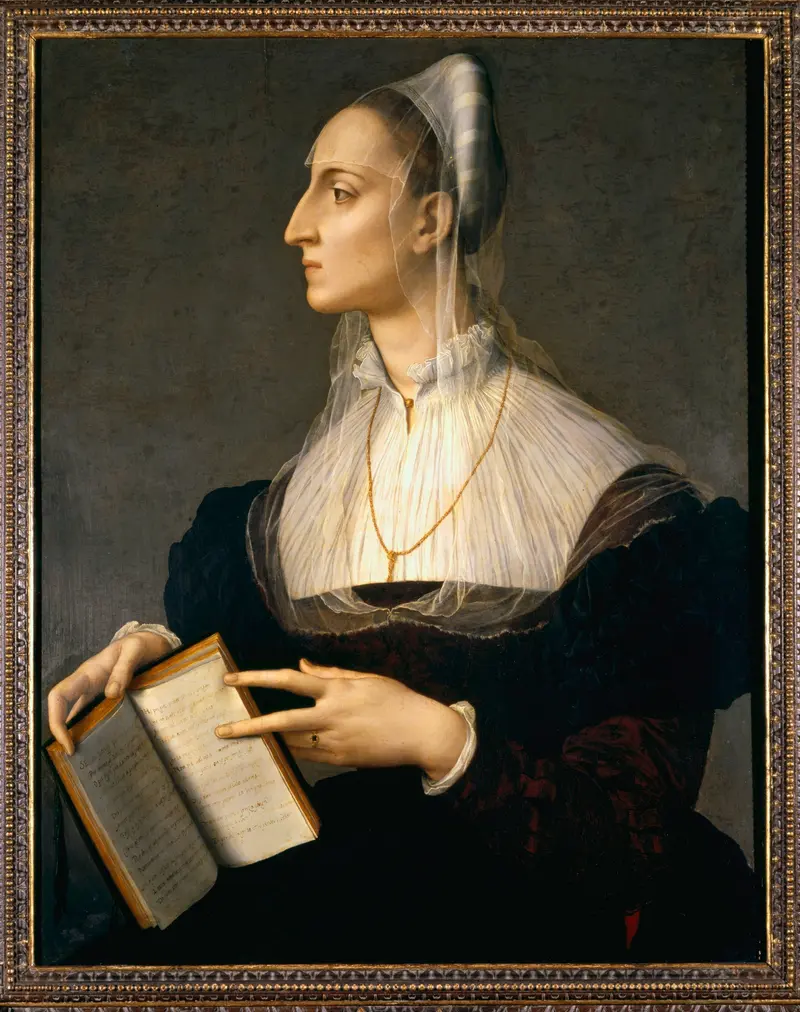
Portrait Of Laura Battiferri
Agnolo Bronzino
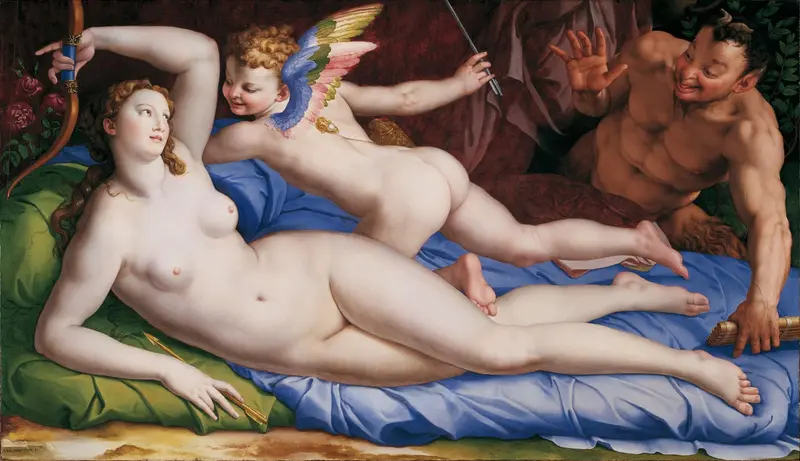
Venus, Cupid And Satyr
Agnolo Bronzino
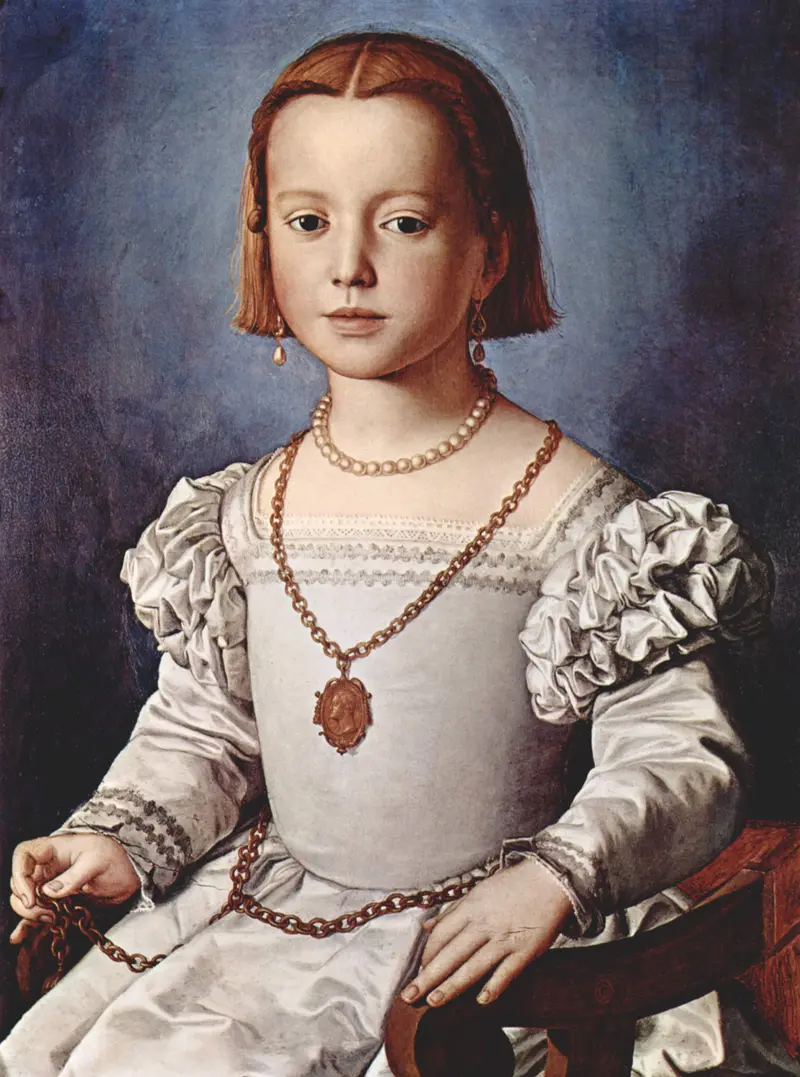
Bia Di Cosimo De‘ Medici
Agnolo Bronzino
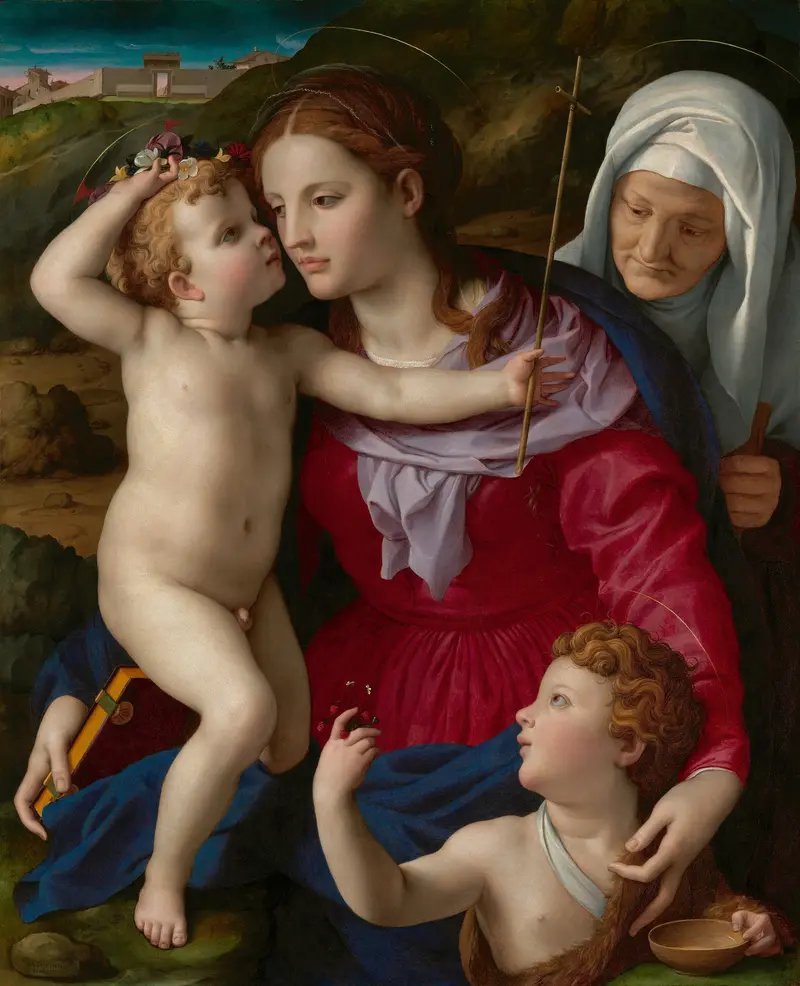
Virgin and Child with Saint Elizabeth and Saint John the Baptist
Agnolo Bronzino
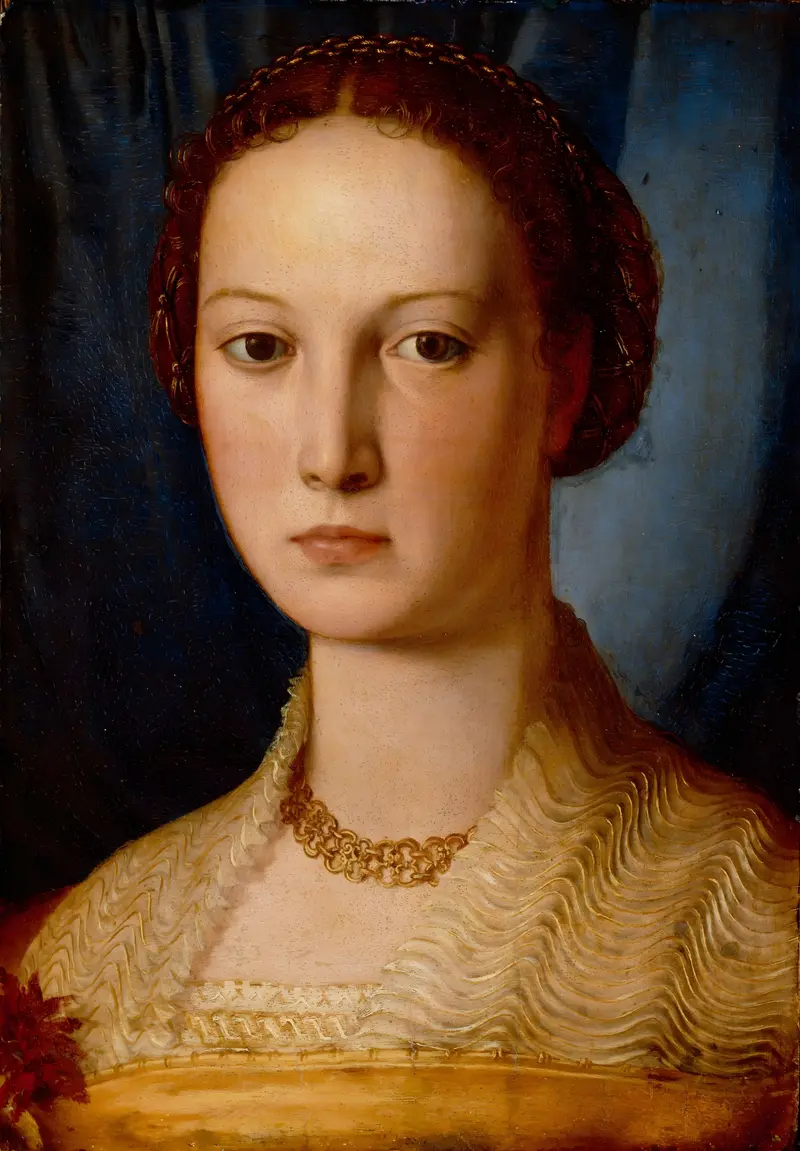
Costanza Da Sommaia
Agnolo Bronzino
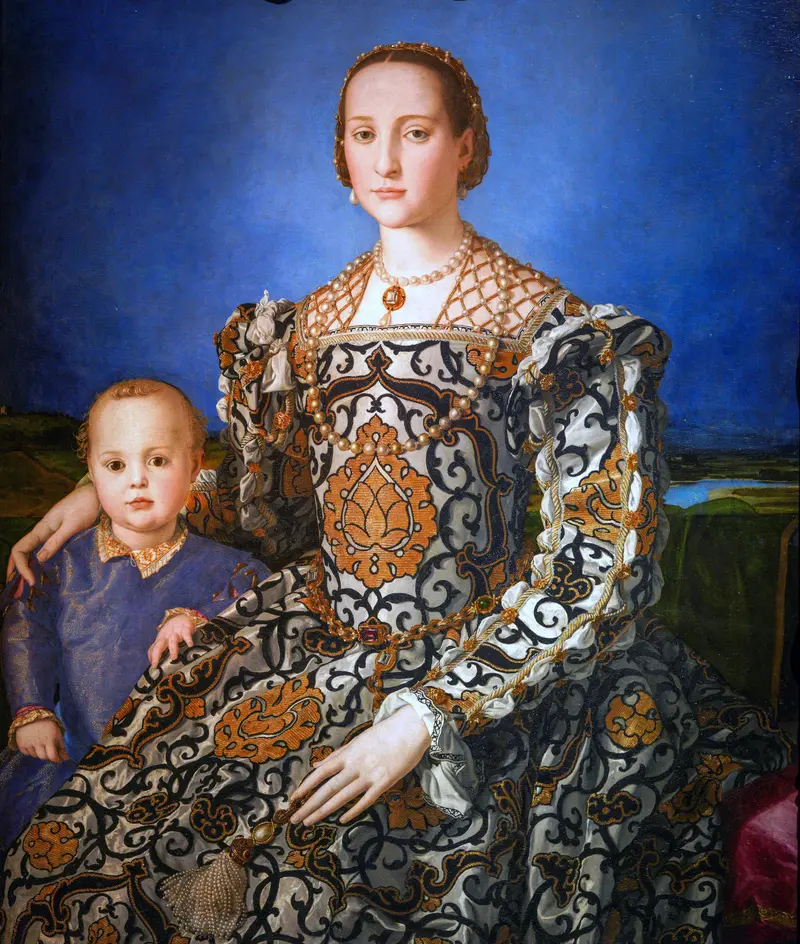
Portrait of Eleanor of Toledo with Her Son Giovanni de’ Medici
Agnolo Bronzino
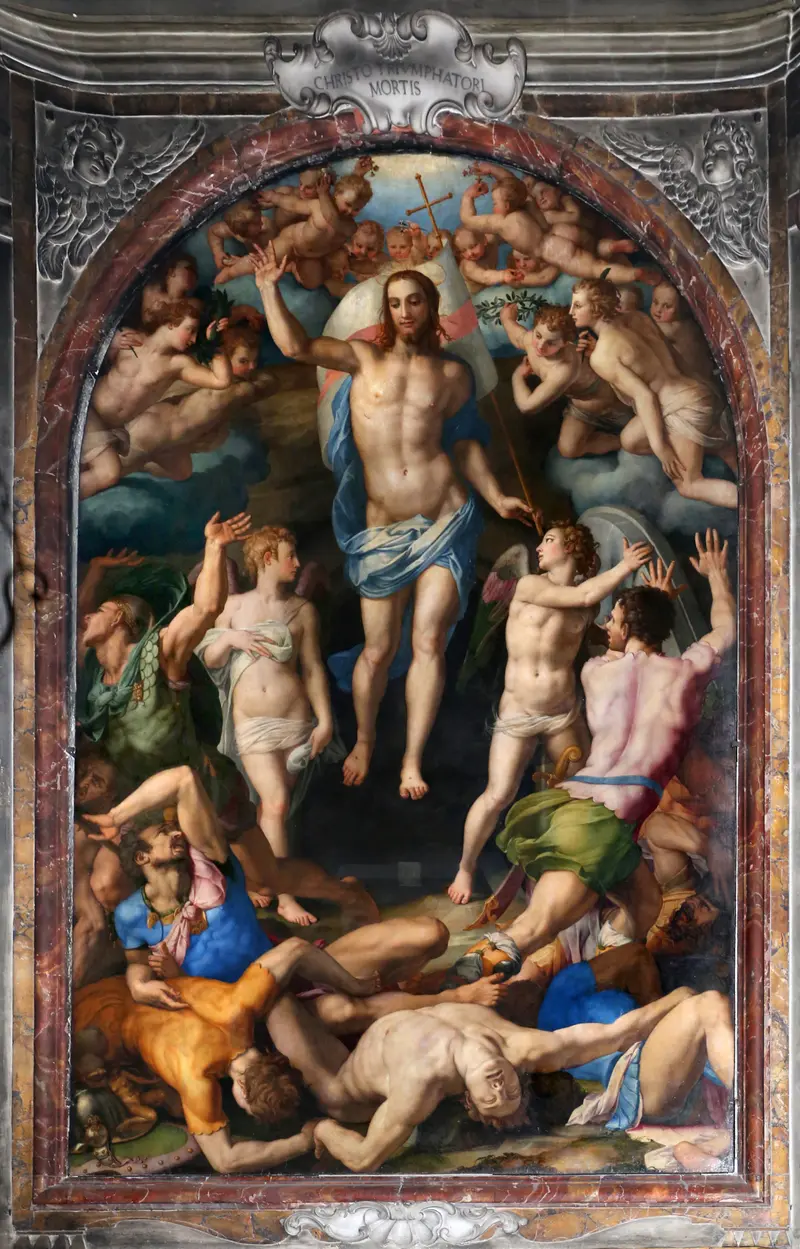
Resurrection Of Christ
Agnolo Bronzino
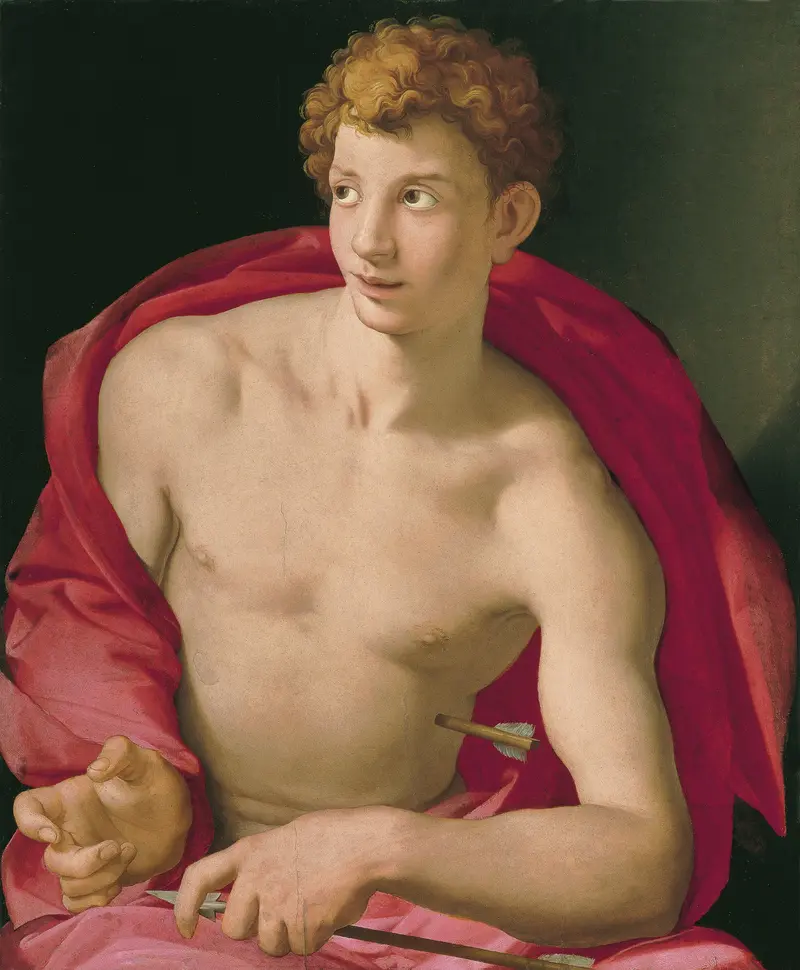
Saint Sebastian
Agnolo Bronzino





