Nordic Landscape with a Waterfall — History & Facts
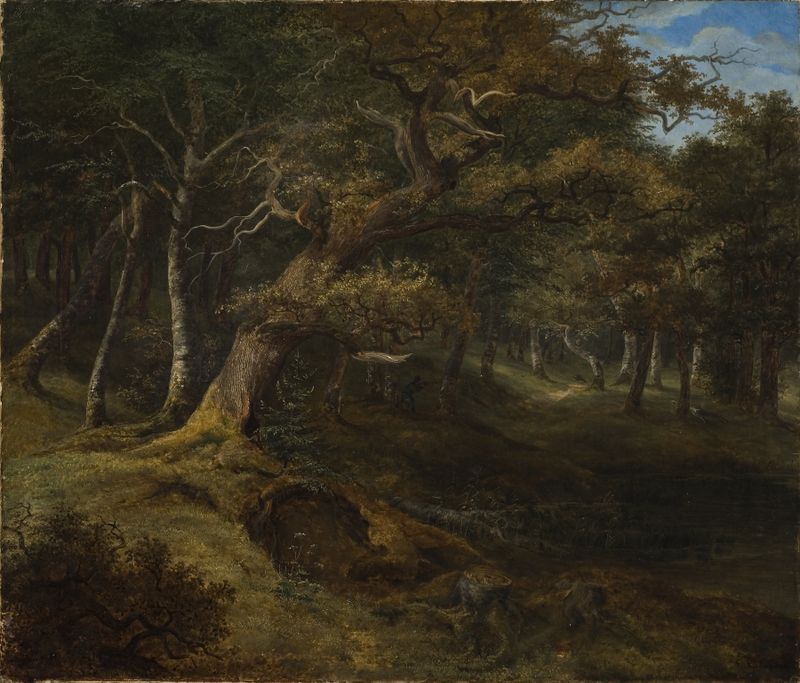
In the heart of Nordic Landscape with a Waterfall, hope cascades like the waters captured on canvas, urging the viewer to embrace the promise of renewal. Look to the left at the powerful surge of the waterfall, its frothy white splashes contrasting sharply against the deep greens of the surrounding forest. The artist employs a muted palette, where earthy browns blend seamlessly with cool blues, creating a tranquil yet dynamic atmosphere. Notice how the light filters through the canopy, casting dappled reflections on the water, inviting you to explore the depths of this serene wilderness. As you delve deeper into the work, consider the juxtaposition of nature's raw power against the calmness of the landscape.
The waterfall, while fierce, is enveloped by a peaceful setting, symbolizing the balance between chaos and tranquility. Subtle details, like the way the trees bow towards the water, suggest a reverential relationship with nature, emphasizing the interconnectedness of life and the solace it offers. This painting resonates with a quiet strength, evoking the spirit of hope amid tumult. In 1843, Christian Ezdorf painted this piece during a time when Romanticism was flourishing, characterized by a strong focus on nature and emotional expression.
He sought refuge from the burgeoning industrial revolution, channeling his experiences in the natural landscapes of Scandinavia. The painting reflects his desire to capture the sublime beauty of the world, a reminder of the enduring power of nature in an age of rapid change.