
North Dome, Yosemite Valley — History & Facts
What if silence could speak through light? In North Dome, Yosemite Valley, a world unfolds where nature’s grandeur holds the weight of unspoken grief and introspection, inviting the viewer to consider the echoes of existence beyond mere beauty. Look to the left at the majestic North Dome, its granite face catching soft, golden sunlight that spills gently over the landscape. The foreground is a lush tapestry of deep greens, dotted with wildflowers that sway softly in a breeze, while the tranquil river winds its way through the scene, reflecting the sky’s transient hues. Notice how Bierstadt’s technique breathes life into each brushstroke — the delicate interplay of light and shadow enhances the serene yet poignant atmosphere of the painting, creating a visual dialogue between the vibrant flora and the stoic mountain. Yet, amid this breathtaking landscape lies a complex emotional narrative.
The towering cliffs appear to cradle the valley, almost as if holding it in a silent embrace, harboring the weight of time and memory. This duality of grandeur and vulnerability invites contemplation on the fragility of life itself, evoking feelings of loss and nostalgia as one considers the passage of time and nature’s quiet resilience in the face of grief. In 1889, Bierstadt painted this piece while living in an era marked by westward expansion and a growing fascination with the American wilderness. His work came at a time when the transcendental movement was influencing artists to explore the relationship between humanity and nature.
Through this painting, he encapsulated both the awe and melancholy of the natural world, reflecting his own struggles and the larger cultural shifts of his time.
More Artworks by Albert Bierstadt
Browse all →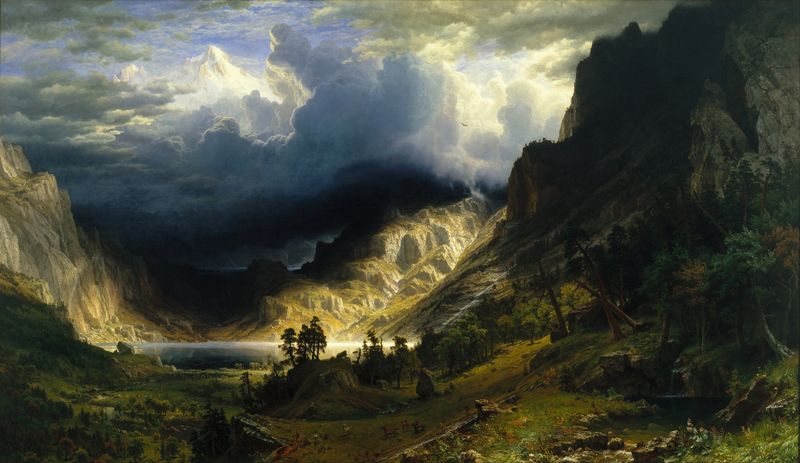
A Storm in the Rocky Mountains, Mt. Rosalie
Albert Bierstadt
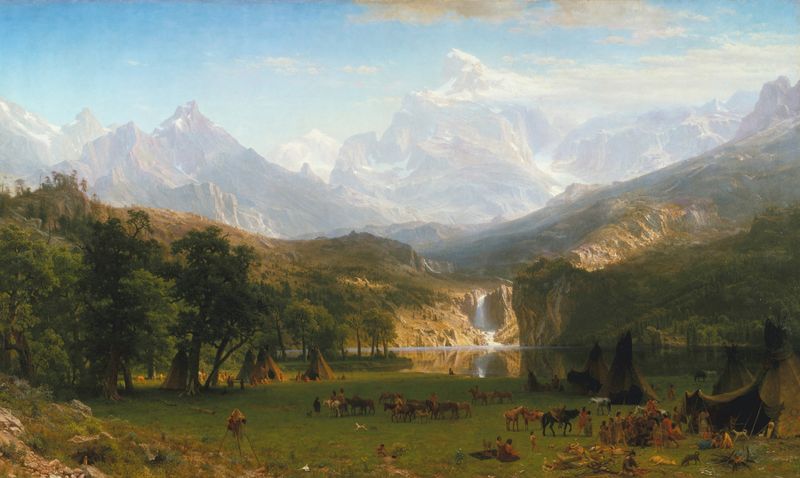
The Rocky Mountains, Lander’s Peak
Albert Bierstadt
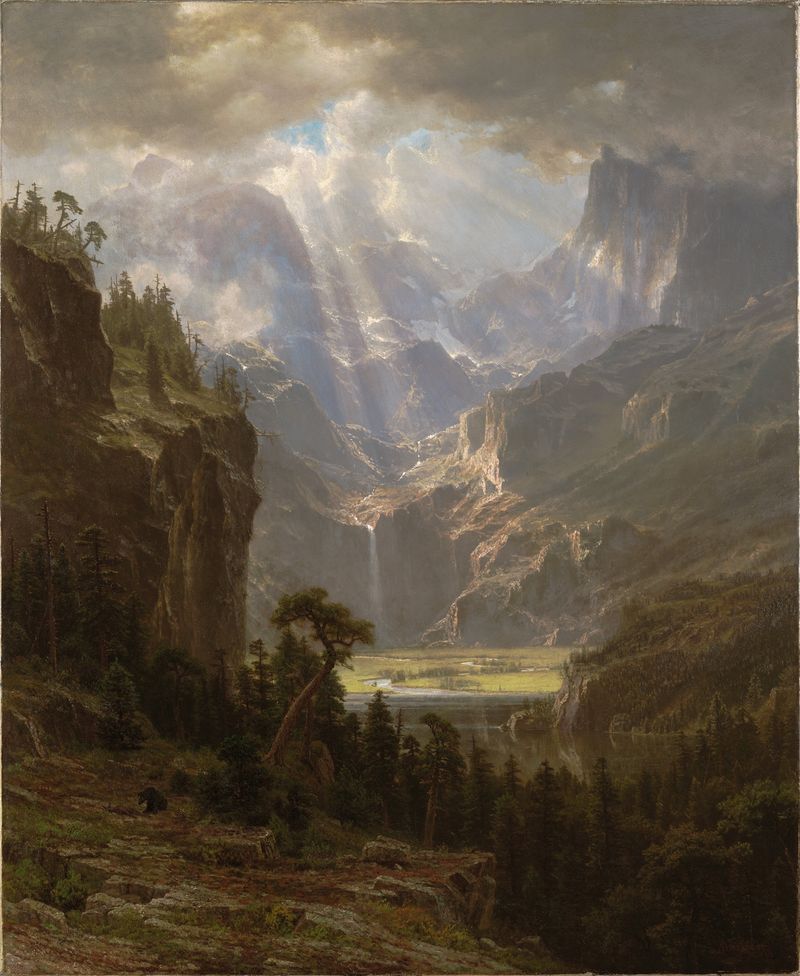
Rocky Mountains, Lander’s Peak
Albert Bierstadt
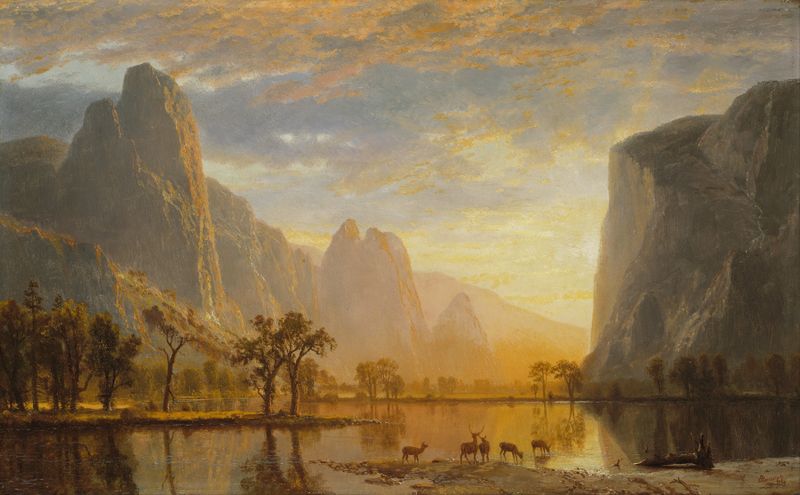
Valley of the Yosemite
Albert Bierstadt
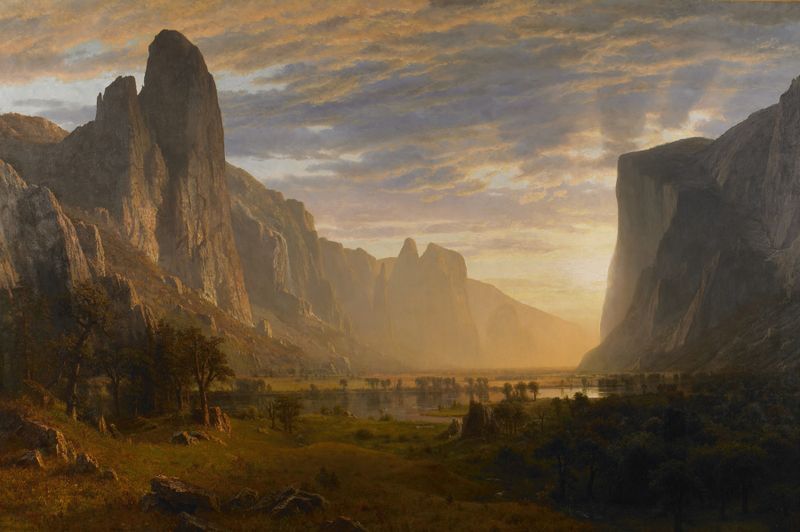
Looking Down Yosemite Valley, California
Albert Bierstadt
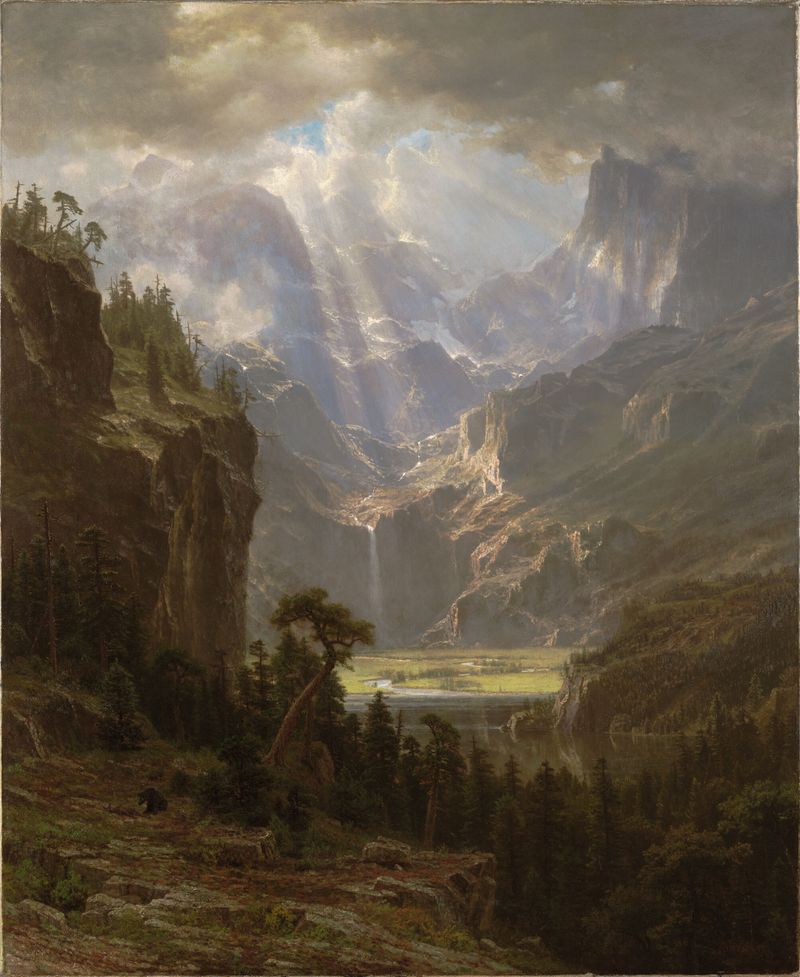
Rocky Mountains, "Lander's Peak"
Albert Bierstadt
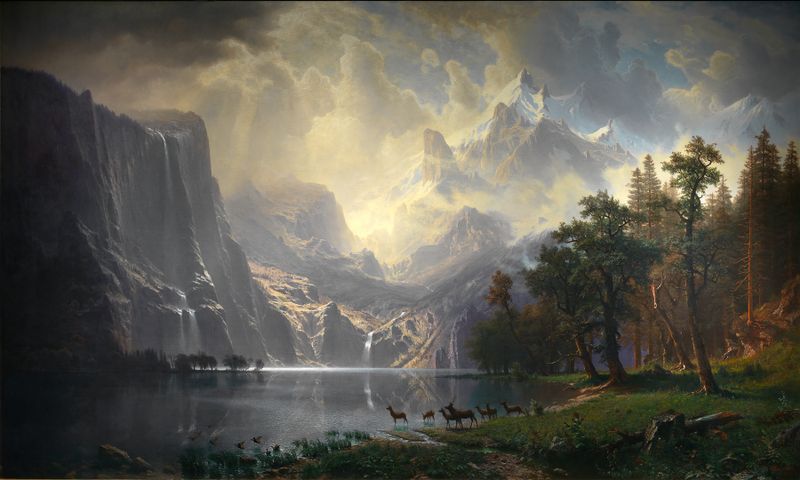
Among the Sierra Nevada, California
Albert Bierstadt
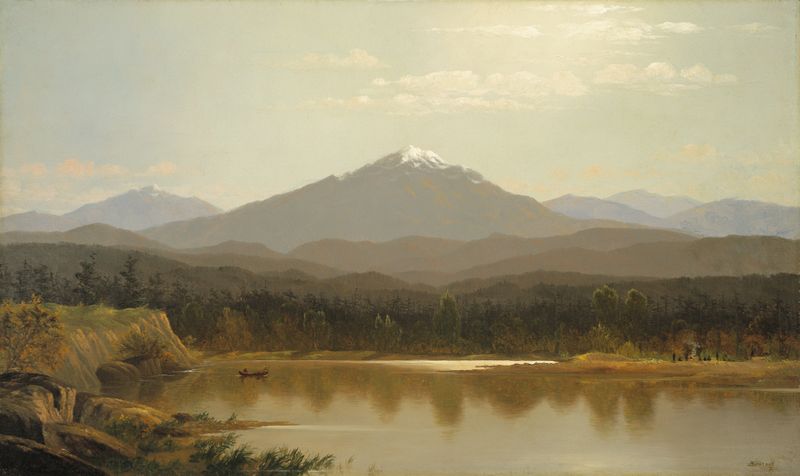
Laramie Peak
Albert Bierstadt
Nevada Falls, Yosemite
Albert Bierstadt
Yellowstone Falls
Albert Bierstadt





