
North East View of Holland House — History & Facts
Can paint confess what words never could? In the delicate renderings of forgotten architecture, the essence of mortality whispers through the details. Look to the left at the grand façade of Holland House, framed by lush, green trees standing sentinel. The artist's meticulous brushwork enhances the brick texture, inviting you to trace the contours of each window and archway. Notice how the light dances across the scene, highlighting the vibrant foliage while casting soft shadows that hint at the passage of time.
The color palette, rich with earth tones, envelops the viewer in a nostalgic warmth, evoking a sense of longing for what once was. Yet beneath this serene exterior lies a haunting contrast—life's vibrancy meets the inevitability of decay. The overgrown foliage encroaching on the building suggests nature's slow reclamation, a reminder of mortality that softens the edges of human achievement. The stillness of the scene offers a moment of reflection, urging us to confront our own transience amidst the grandeur of history. In 1812, the artist captured this vision during a time of personal and political turbulence in Britain.
The Napoleonic Wars were shaping everyday life, and artists were increasingly turning to themes of nostalgia and loss. Buckler's work emerges as a poignant commentary on the fleeting nature of cultural legacy, a sentiment resonating deeply in a world grappling with change.
More Artworks by John Buckler
Browse all →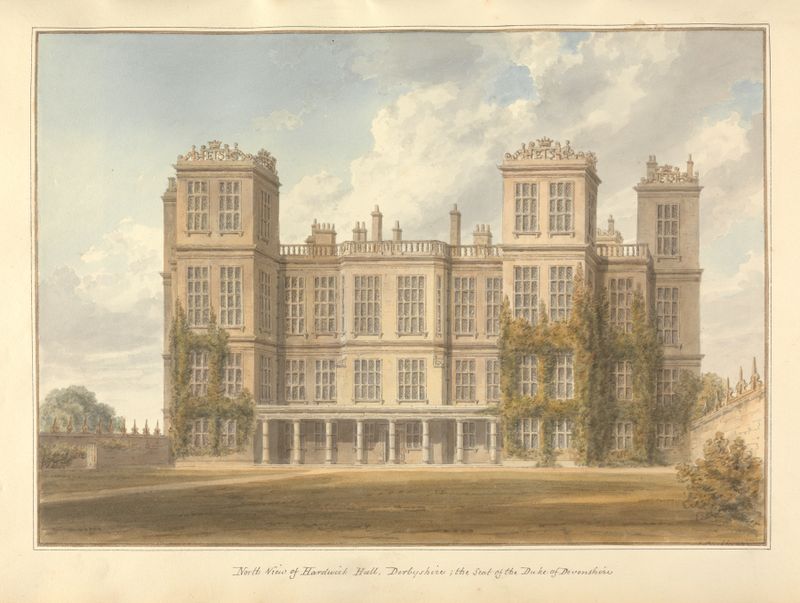
North View of Hardwick Hall, Derbyshire: the Seat of the Duke of Devonshire
John Buckler
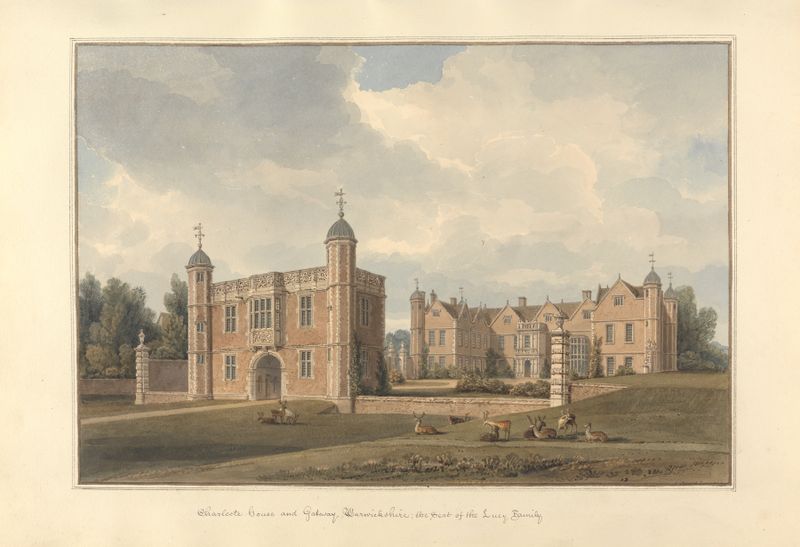
Charlcote house and Gateway, Warwickshire: the Seat of the Lucy Family
John Buckler
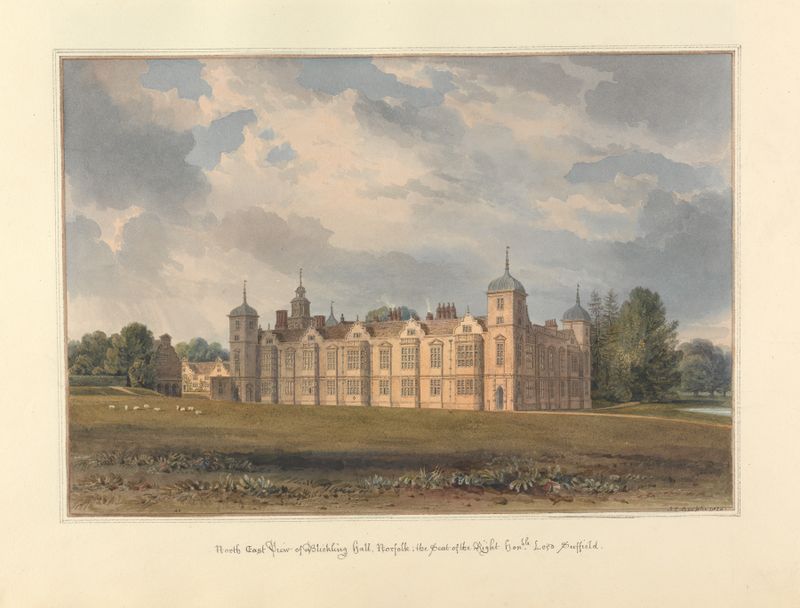
North East View of Blickling Hall, Norfolk: the Seat of the Right Hon’ble Lord Suffield
John Buckler
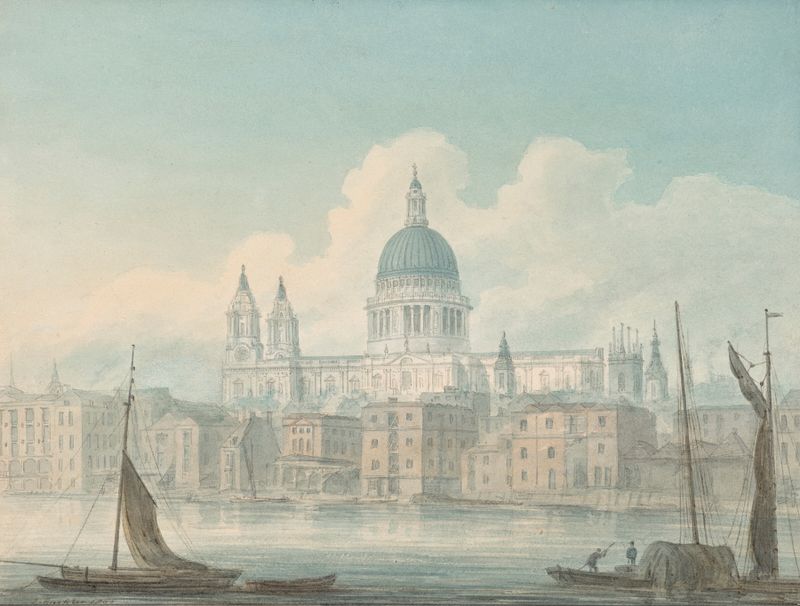
View of St Paul’s Cathedral, from the Southbank of the River Thames, London
John Buckler
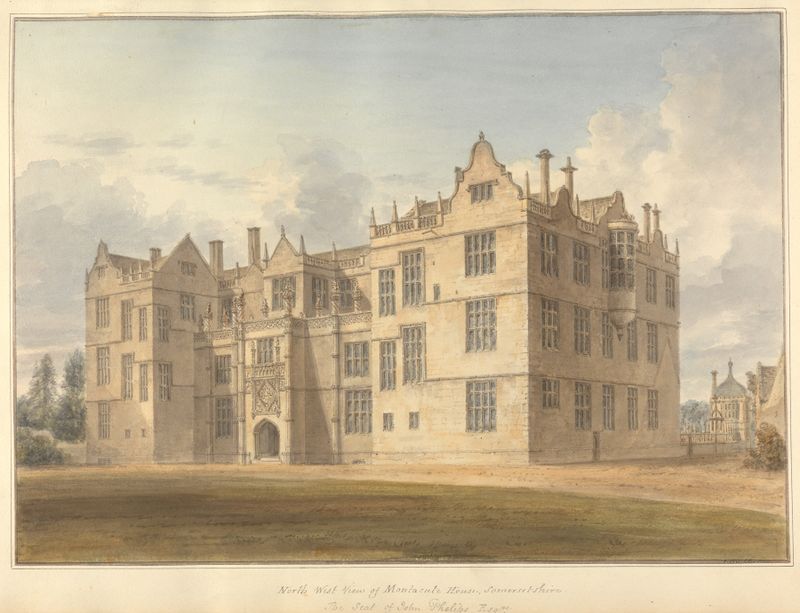
North West View of Montacute House, Somersetshire, The Seat of John Phelips Esqr.
John Buckler
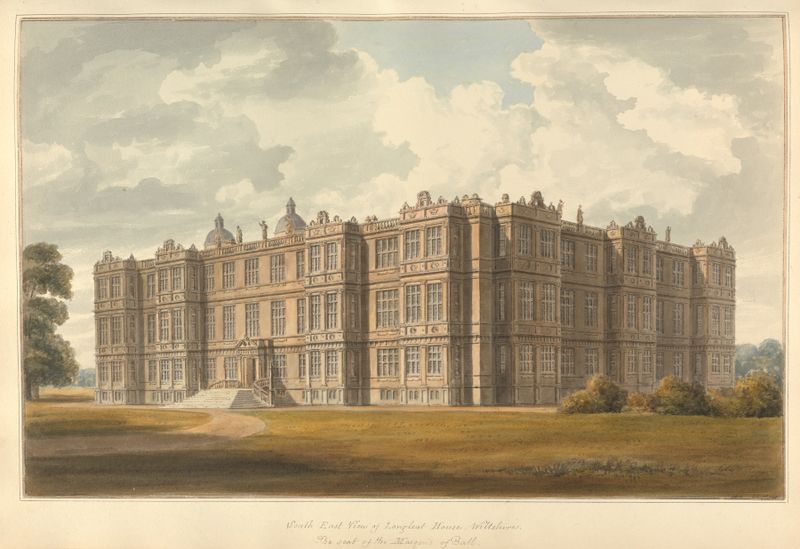
South East View of Longleat House, Wiltshire, the Seat of the Marquis of Bath
John Buckler
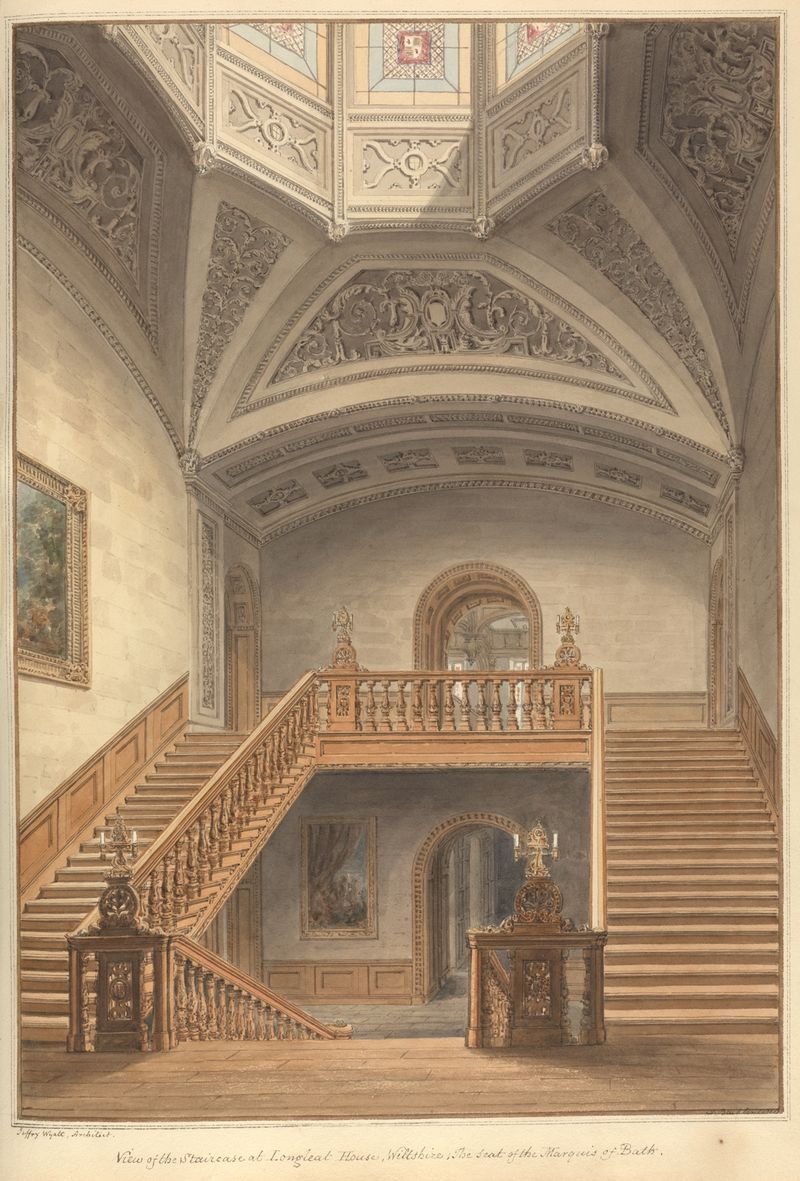
View of the Staircase at Longleat House, Wiltshire: the Seat of the Marquis of Bath
John Buckler
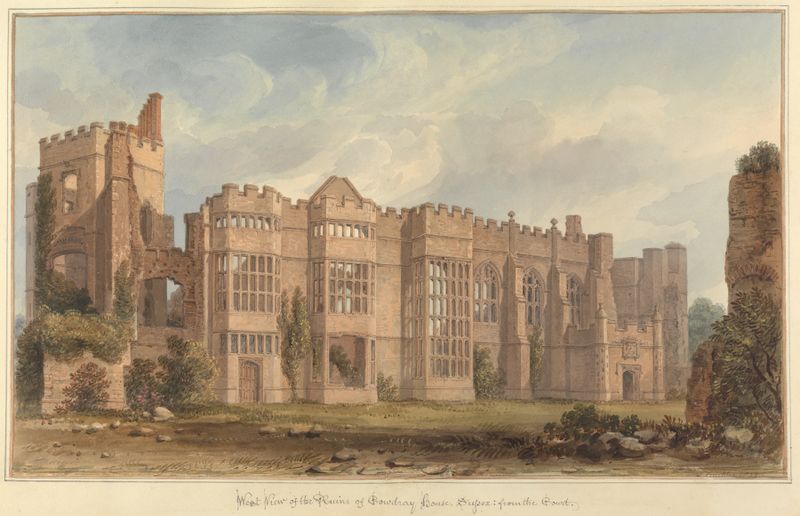
West View of the Ruins of Cowdray House, Sussex: from the Court
John Buckler
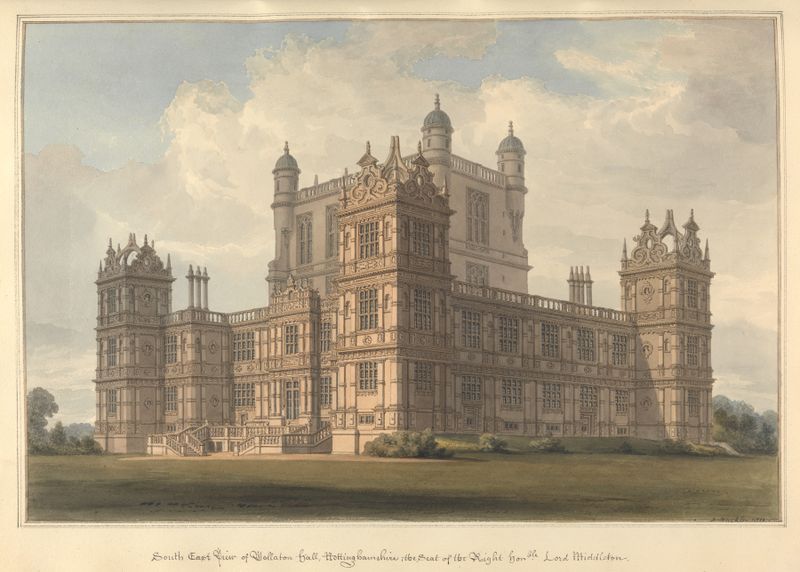
South East view of Wollaton hall, Nottinghamshire, the Seat of the Right honble. Lord Middleton
John Buckler
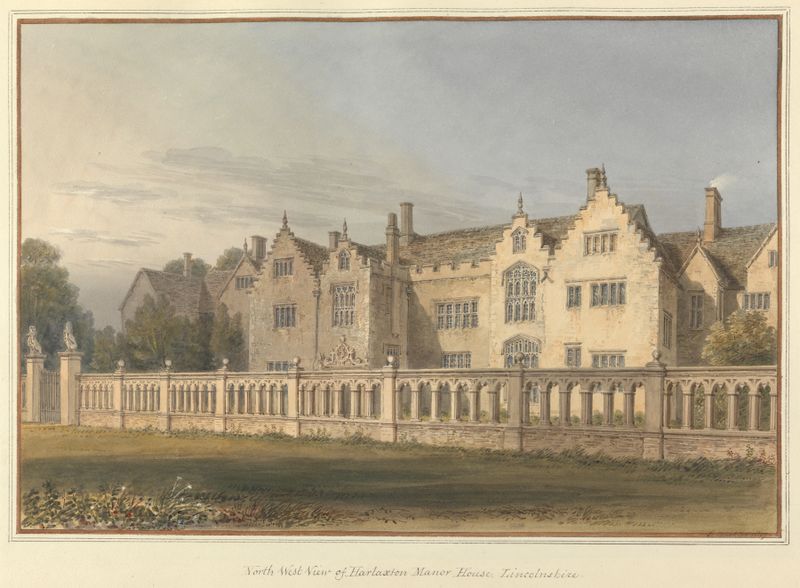
North West View of Harlaxton Manor House, Lincolnshire
John Buckler
More Architecture Art
Browse all →
The statue of Liberty
Frédéric Auguste Bartholdi

View of Houses in Delft, Known as ‘The Little Street’
Johannes Vermeer

View of Houses in Delft, Known as ‘The Little Street’
Johannes Vermeer

The Cathedral in Rouen. The portal, Grey Weather
Claude Monet

The yellow house
Vincent van Gogh

The Church in Auvers-sur-Oise, View from the Chevet
Vincent van Gogh