
West View of the Ruins of Cowdray House, Sussex: from the Court — History & Facts
In the hushed stillness of a forgotten place, echoes of the past linger in the air, cloaked in silence and nostalgia. Look to the left, where the grand remains of Cowdray House rise against a backdrop of muted greens and soft grays, their crumbling facades whispering tales of splendor long lost. Notice how the warm sunlight bathes the scene, catching the edges of stone and creating a play of shadow that draws your eye deeper into the architecture’s intricate details. The delicate brushstrokes evoke both decay and beauty, inviting you to explore the interplay of light and shadow that dances across the ruins. There is a profound contrast between the stillness of the landscape and the tumult of history that the ruins symbolize.
Each weathered stone tells a story of time's relentless passage, while the vibrant foliage encroaches, suggesting nature's slow reclamation of manmade structures. The artist’s careful composition frames the house within its surroundings, emphasizing not just the remnants of human achievement, but also the serenity that envelops them in their solitude. In 1825, the artist found himself in a world undergoing great change, where the Industrial Revolution reshaped landscapes and lifestyles. He painted West View of the Ruins of Cowdray House, Sussex: from the Court during a time when Romanticism influenced art, urging a return to nature and history.
The ruins themselves served as a poignant reminder of what was once grand, reflecting both a personal and societal longing for the past amid the rapid transformations of the modern age.
More Artworks by John Buckler
Browse all →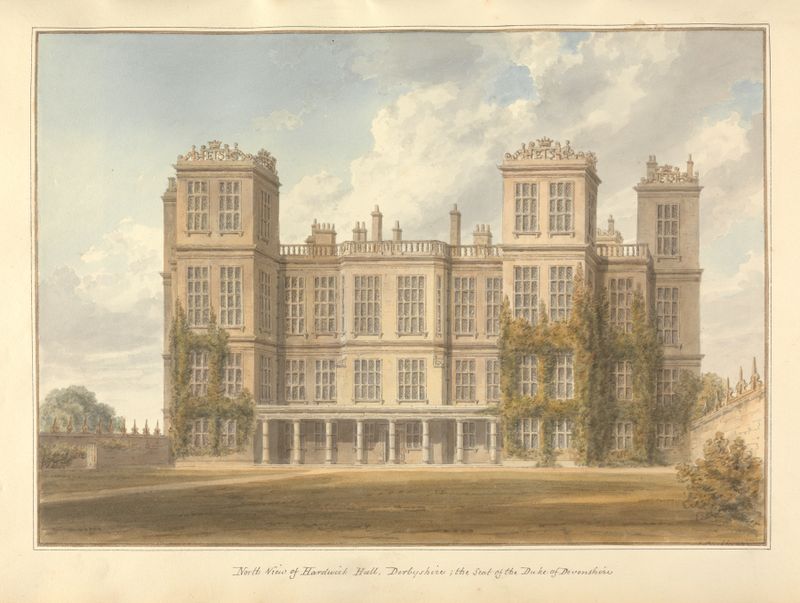
North View of Hardwick Hall, Derbyshire: the Seat of the Duke of Devonshire
John Buckler
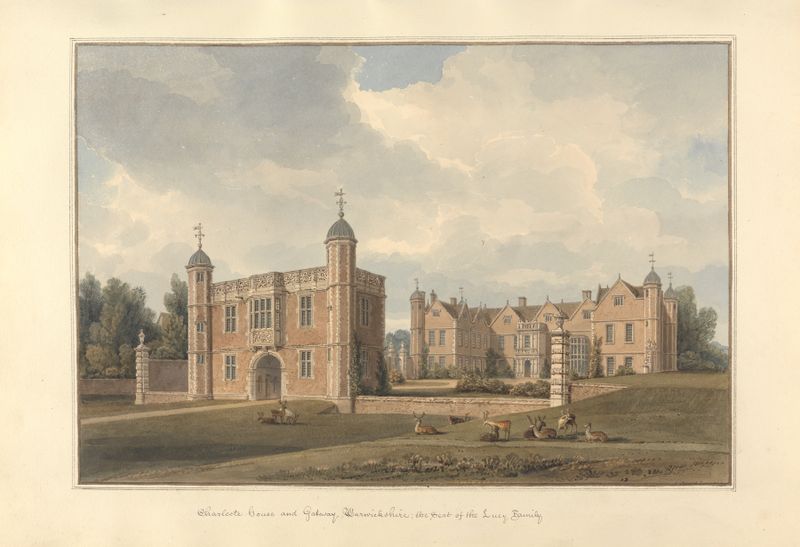
Charlcote house and Gateway, Warwickshire: the Seat of the Lucy Family
John Buckler

North East View of Holland House
John Buckler
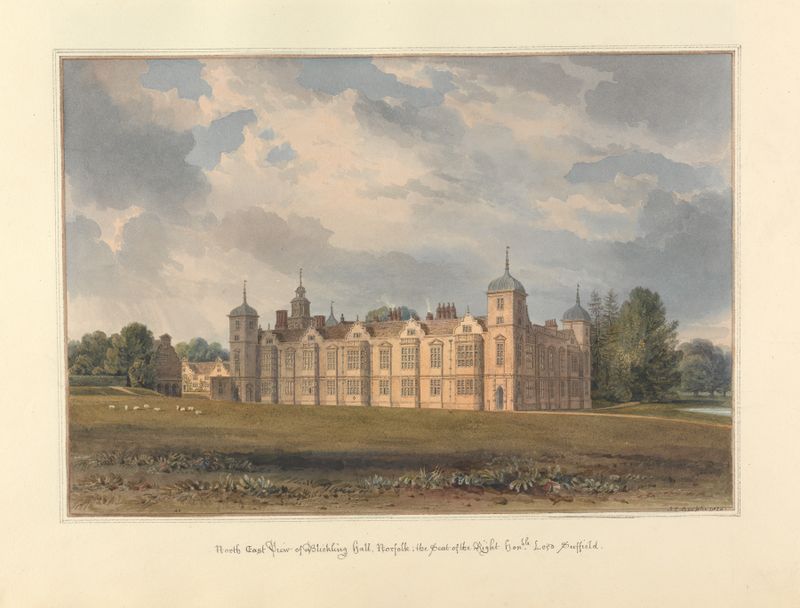
North East View of Blickling Hall, Norfolk: the Seat of the Right Hon’ble Lord Suffield
John Buckler
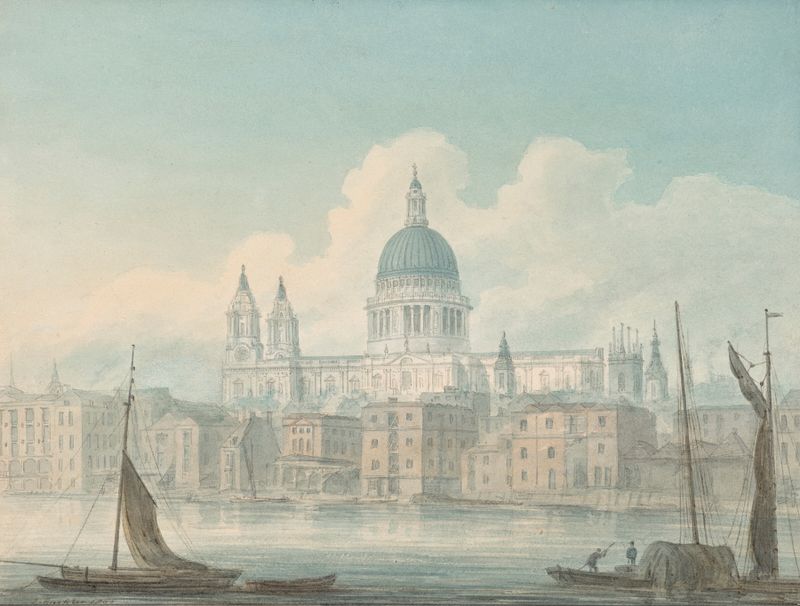
View of St Paul’s Cathedral, from the Southbank of the River Thames, London
John Buckler
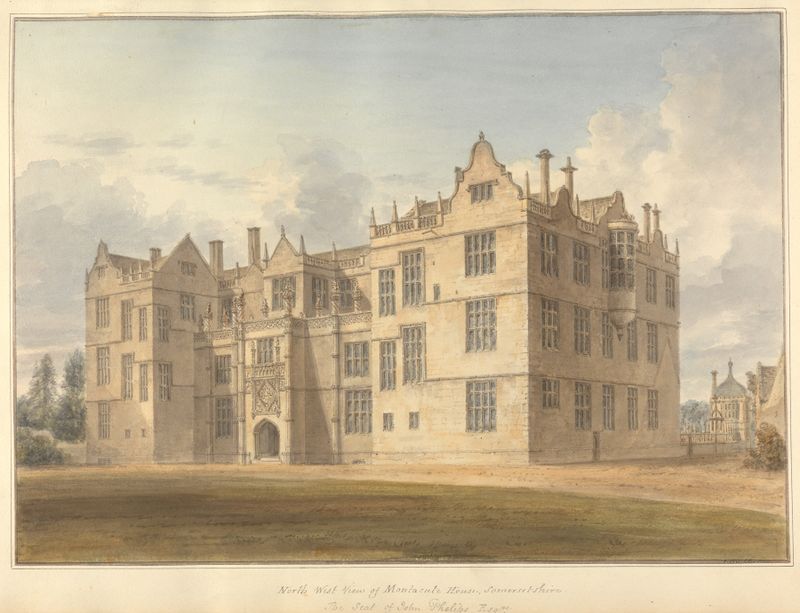
North West View of Montacute House, Somersetshire, The Seat of John Phelips Esqr.
John Buckler
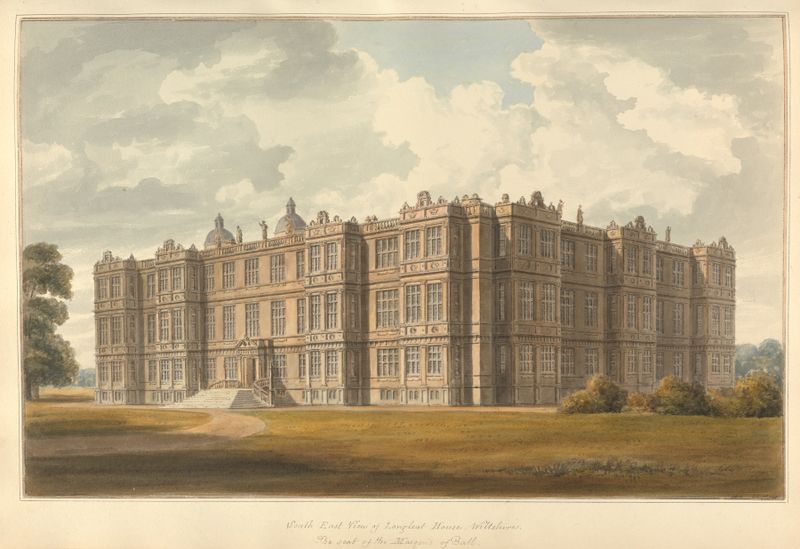
South East View of Longleat House, Wiltshire, the Seat of the Marquis of Bath
John Buckler
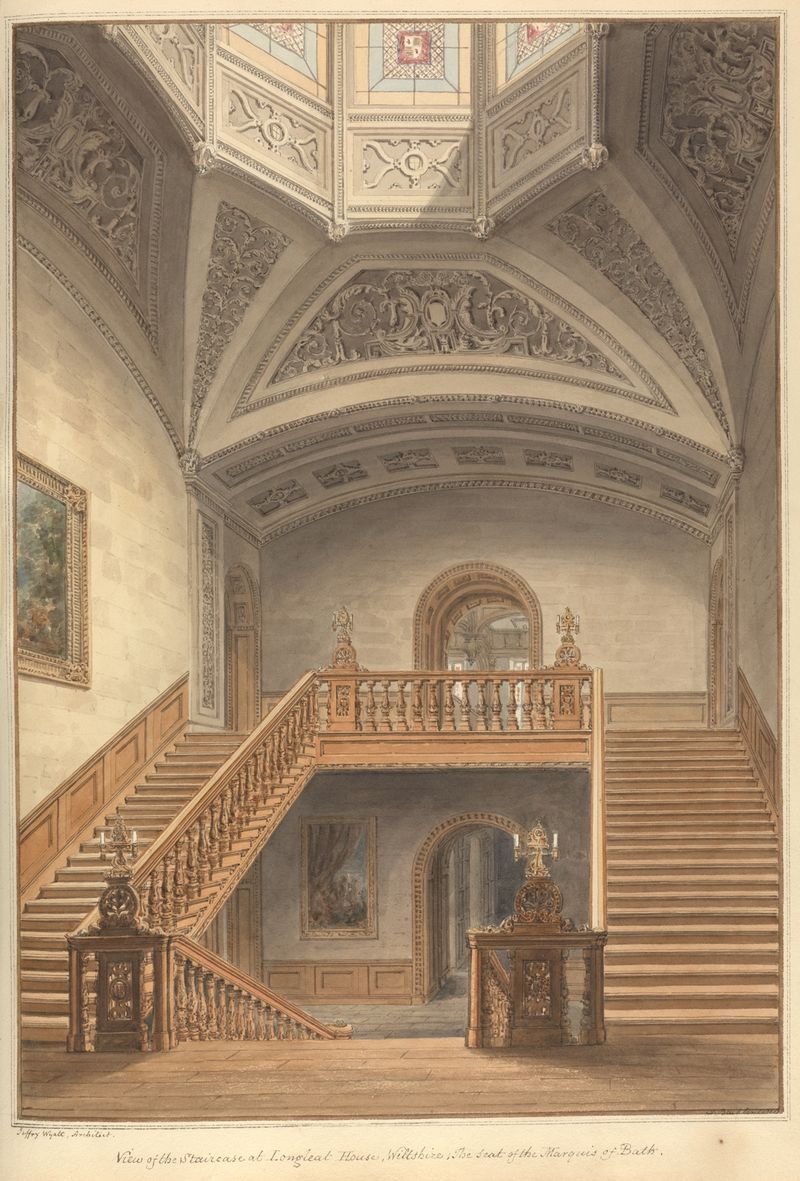
View of the Staircase at Longleat House, Wiltshire: the Seat of the Marquis of Bath
John Buckler
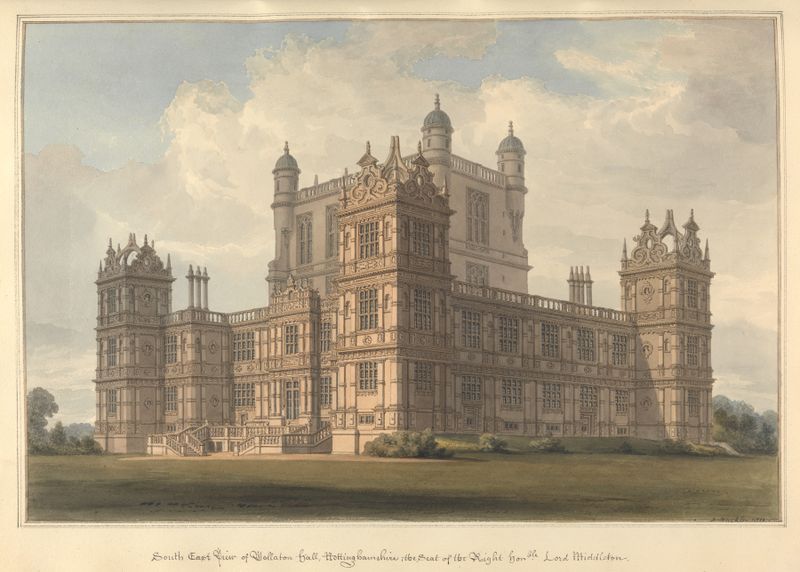
South East view of Wollaton hall, Nottinghamshire, the Seat of the Right honble. Lord Middleton
John Buckler
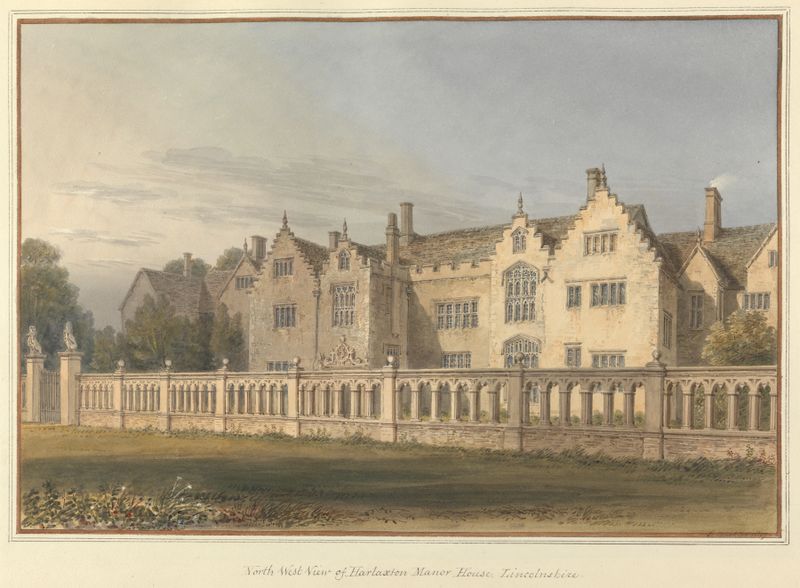
North West View of Harlaxton Manor House, Lincolnshire
John Buckler





