
South East View of Longleat House, Wiltshire, the Seat of the Marquis of Bath — History & Facts
Could a single brushstroke hold eternity? In the vastness of the English countryside, time feels suspended, yet beneath the serene facade lies an undercurrent of fear—the fear of decay, of losing what’s cherished. Look to the center of the canvas where Longleat House rises majestically, its architectural grandeur stark against the soft greens and blues of the surrounding landscape. Notice how Buckler meticulously captures the intricate details of the building’s facade, the light glinting on the stonework, revealing the craftsmanship that stands as a testament to human endeavor. The sweeping sky above, with its rolling clouds, invites your gaze outward, creating a tension between the solid permanence of the house and the fleeting nature of the world it inhabits. Hidden within the idyllic scene is an unsettling duality.
The serene elegance of Longleat is contrasted by the encroaching shadows of the trees, suggesting nature's inevitable reclamation. The lush grounds, while inviting, evoke a sense of isolation, hinting at the solitude that can accompany even the most opulent of residences. This interplay of light and darkness speaks volumes about the fragile balance between beauty and neglect, permanence and transience. In 1805, as John Buckler painted this scene, he was immersed in a period of great change.
The Napoleonic Wars were casting a long shadow over Europe, and the art world was evolving, moving towards Romanticism, which would soon dominate the scene. Living in a time marked by political turmoil, Buckler’s work reflects a yearning for stability and a celebration of the English landscape, while simultaneously grappling with the underlying fears of an uncertain future.
More Artworks by John Buckler
Browse all →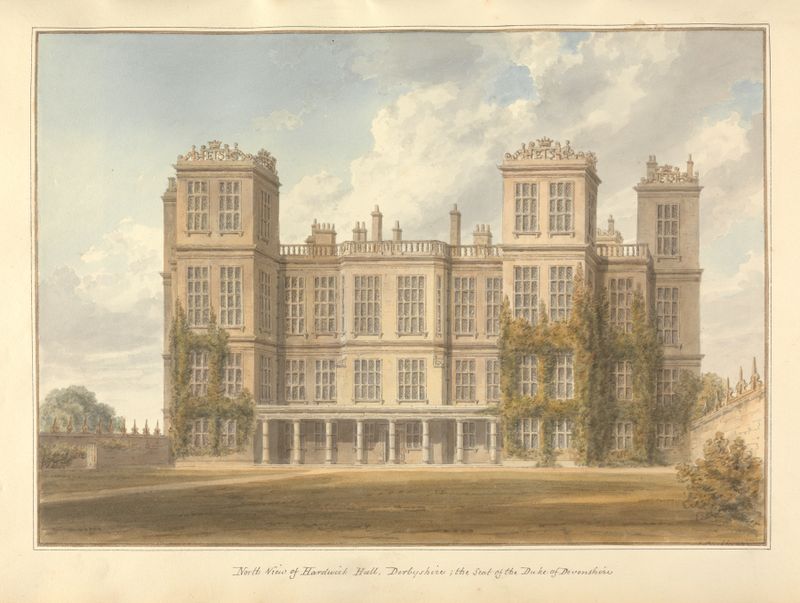
North View of Hardwick Hall, Derbyshire: the Seat of the Duke of Devonshire
John Buckler
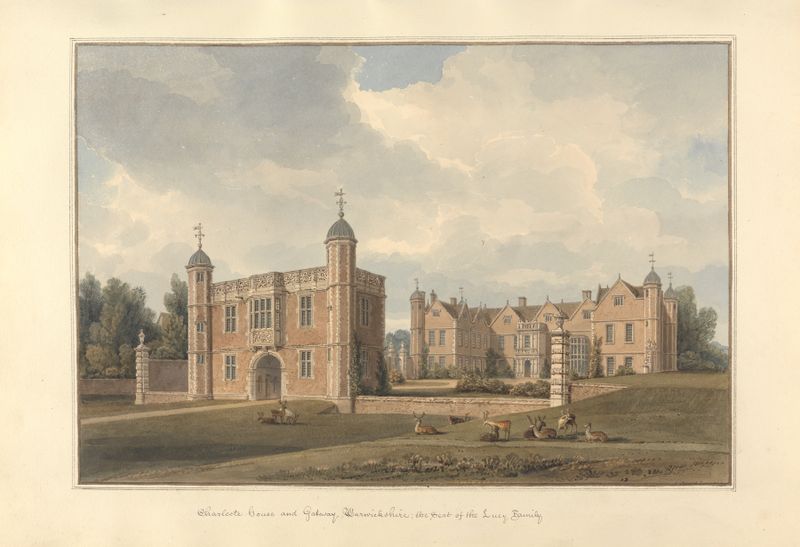
Charlcote house and Gateway, Warwickshire: the Seat of the Lucy Family
John Buckler

North East View of Holland House
John Buckler
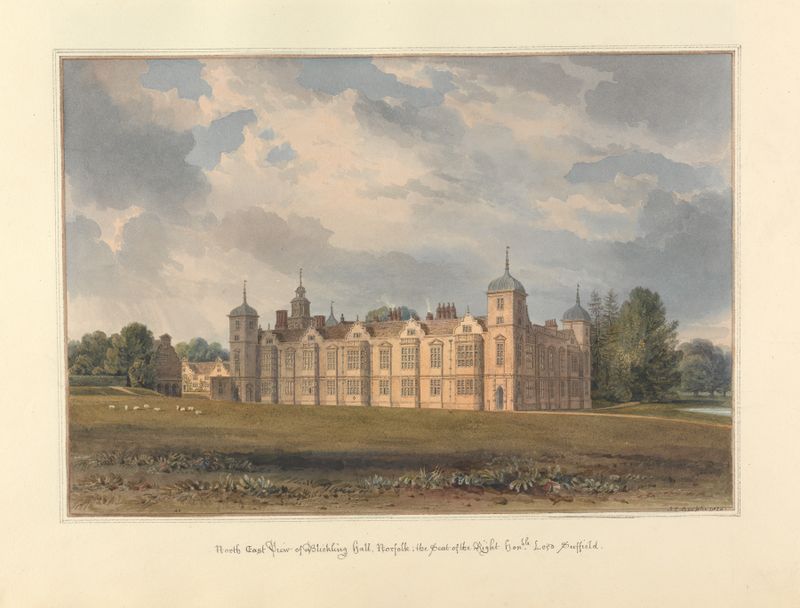
North East View of Blickling Hall, Norfolk: the Seat of the Right Hon’ble Lord Suffield
John Buckler
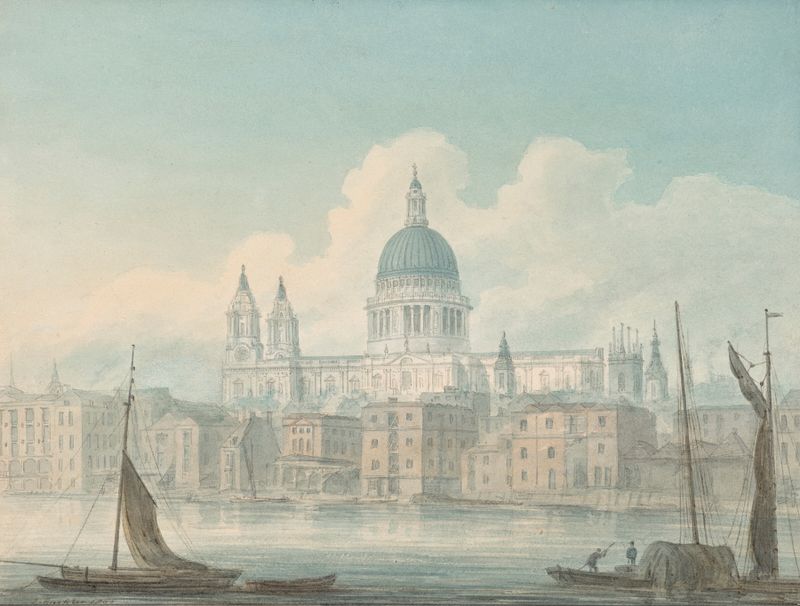
View of St Paul’s Cathedral, from the Southbank of the River Thames, London
John Buckler
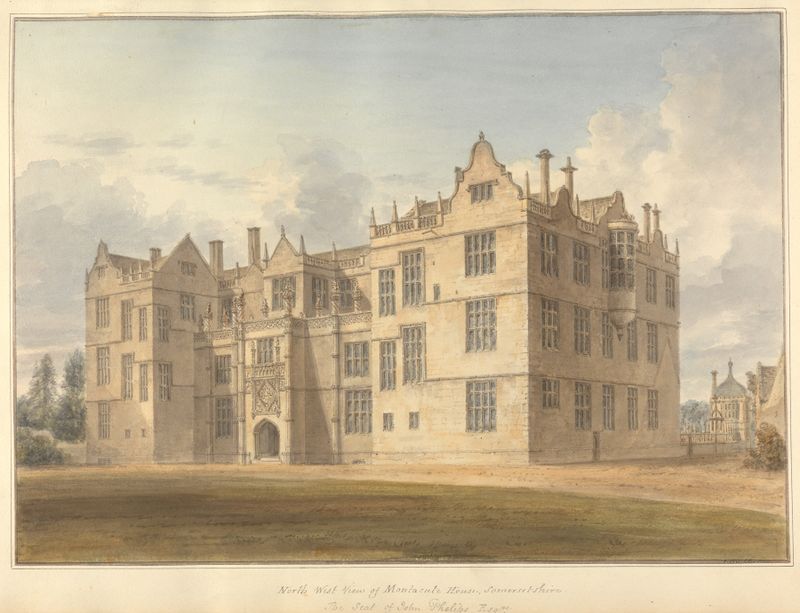
North West View of Montacute House, Somersetshire, The Seat of John Phelips Esqr.
John Buckler
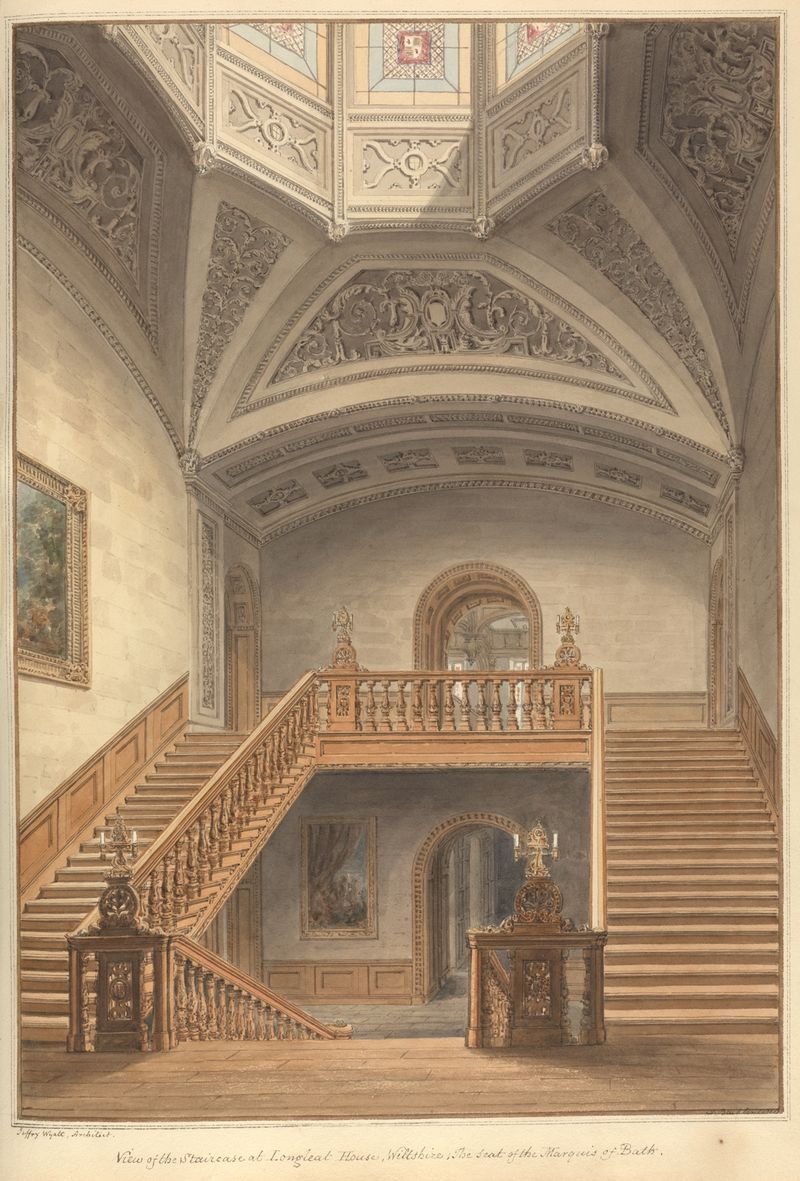
View of the Staircase at Longleat House, Wiltshire: the Seat of the Marquis of Bath
John Buckler
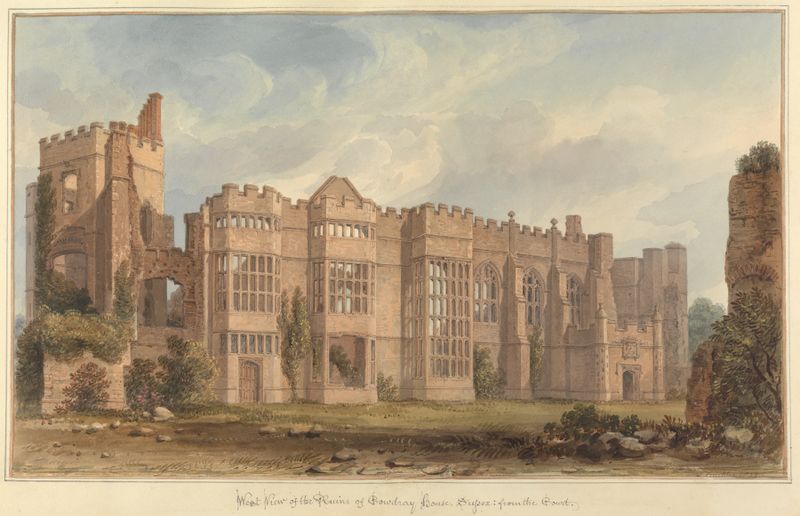
West View of the Ruins of Cowdray House, Sussex: from the Court
John Buckler
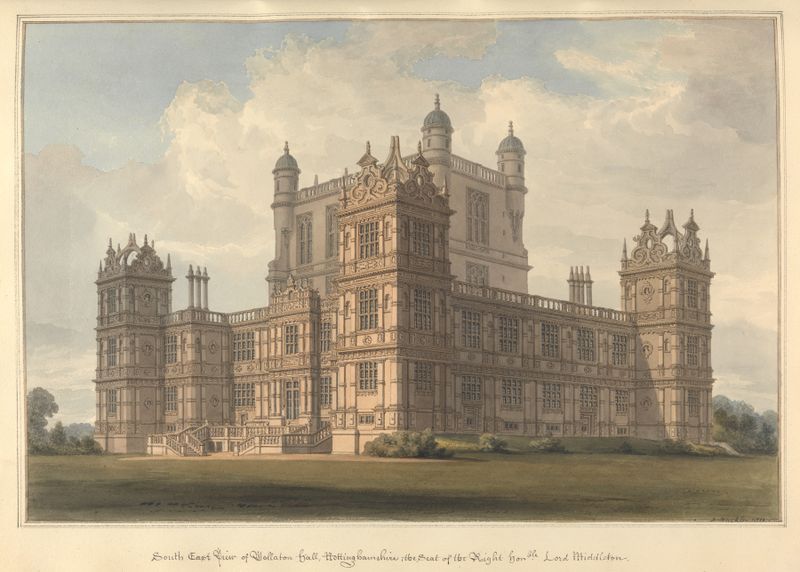
South East view of Wollaton hall, Nottinghamshire, the Seat of the Right honble. Lord Middleton
John Buckler
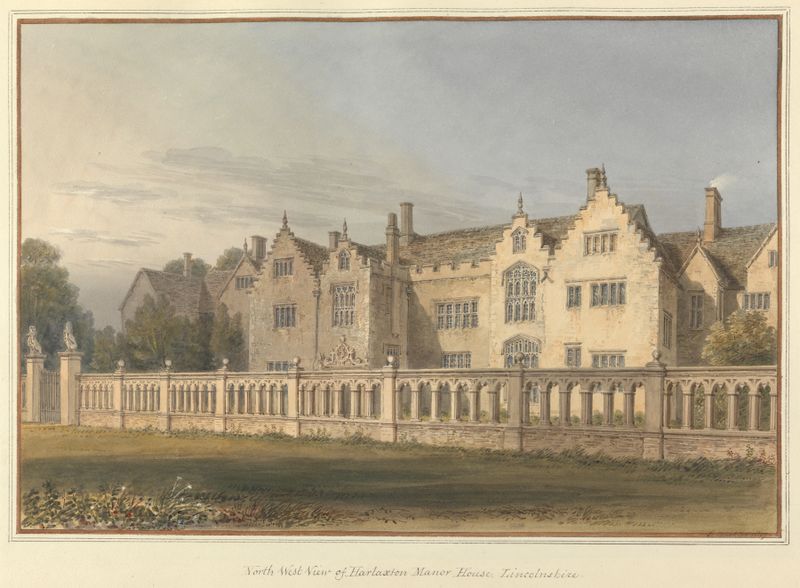
North West View of Harlaxton Manor House, Lincolnshire
John Buckler
More Architecture Art
Browse all →
The statue of Liberty
Frédéric Auguste Bartholdi

View of Houses in Delft, Known as ‘The Little Street’
Johannes Vermeer

View of Houses in Delft, Known as ‘The Little Street’
Johannes Vermeer

The Cathedral in Rouen. The portal, Grey Weather
Claude Monet

The yellow house
Vincent van Gogh

The Church in Auvers-sur-Oise, View from the Chevet
Vincent van Gogh