
Northern Studies (Evening) — History & Facts
Where does light end, and longing begin? In the hushed tones of twilight, the boundary between reality and emotion blurs, revealing the aching beauty of grief in a single moment. Look to the center, where the horizon meets a gentle expanse of water, reflecting the delicate pastels of the evening sky. Notice how the brushstrokes mimic the softness of the fading light, enveloping the landscape in a mournful embrace. The shimmering surface of the water captures fleeting glimmers, inviting the viewer to ponder the transient nature of both nature and time itself.
The muted color palette, dominated by deep blues and soft lavenders, evokes a sense of quiet contemplation, urging one to explore the depths of their own emotions. In the distance, a solitary figure stands at the water's edge, embodying a poignant solitude that speaks to the universal experience of loss. The contrast between the stillness of the water and the figure's poised uncertainty whispers of an unfulfilled desire, as if they are waiting for something—or someone—to return. This vivid scene suggests the weight of memory, where light casts shadows not just on the landscape, but also upon the heart, intertwining the beauty of nature with the pain of absence. Ciągliński created this evocative piece in 1908, during a period marked by personal upheaval and a quest for artistic identity.
Living in England at the time, he absorbed influences from both impressionism and the burgeoning modernist movements. The world around him was changing rapidly, yet he chose to capture the stillness of twilight, reflecting a deep introspection of his own experiences and the broader emotional currents of his time.
More Artworks by Jan Ciągliński
Browse all →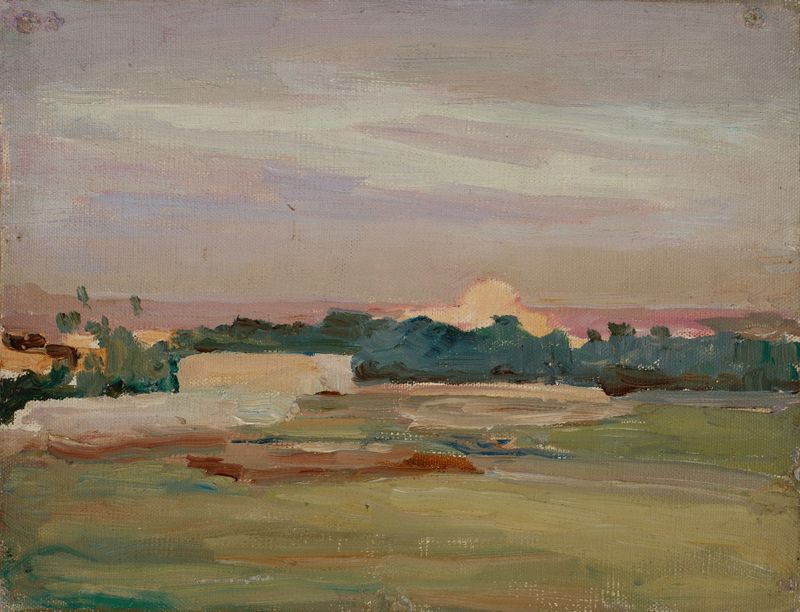
The Sirocco
Jan Ciągliński
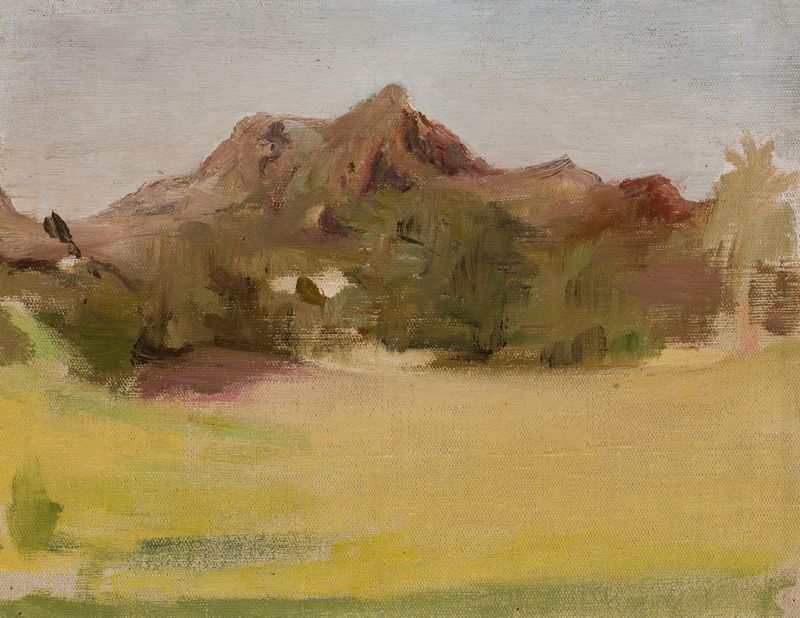
Mountain landscape. From the journey to India
Jan Ciągliński
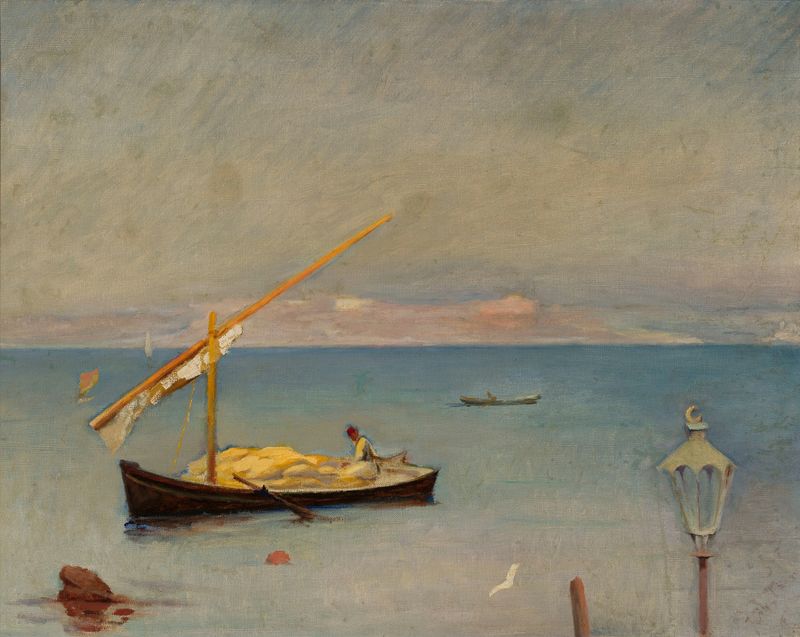
At Bosporus
Jan Ciągliński
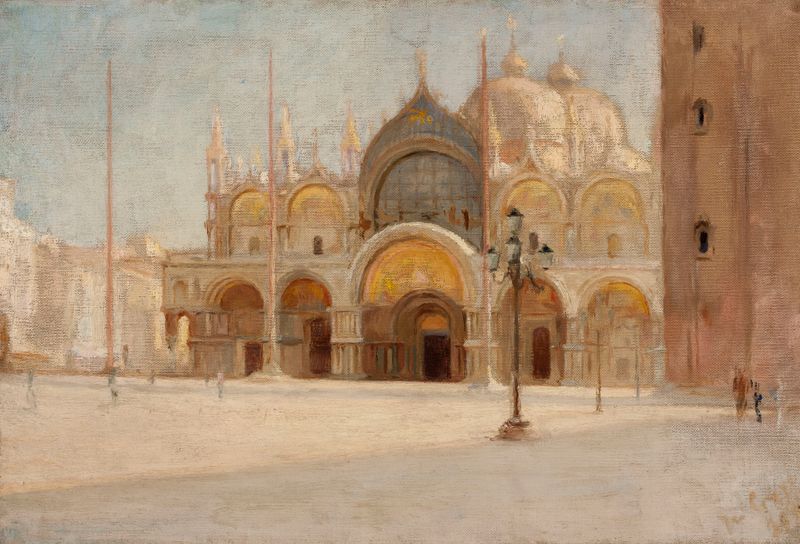
St Mark’s Square in Venice
Jan Ciągliński
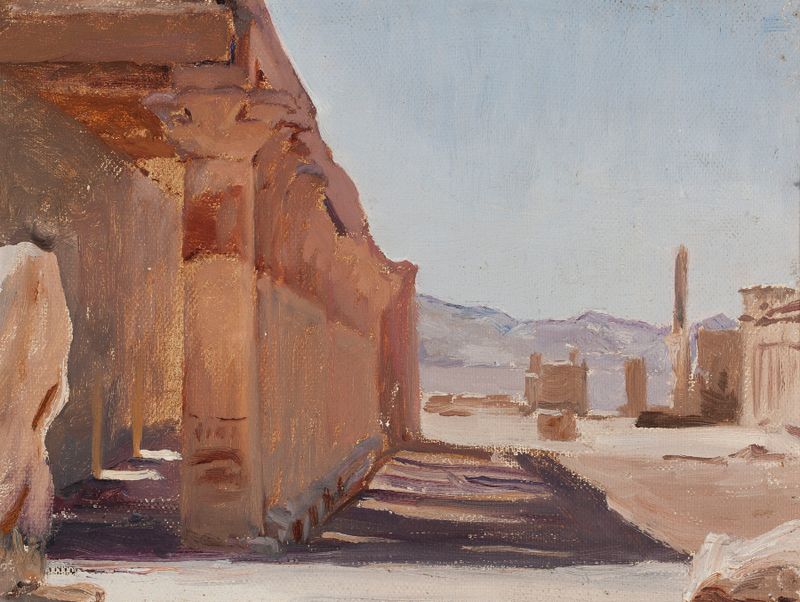
Temple. From the journey to Egypt
Jan Ciągliński
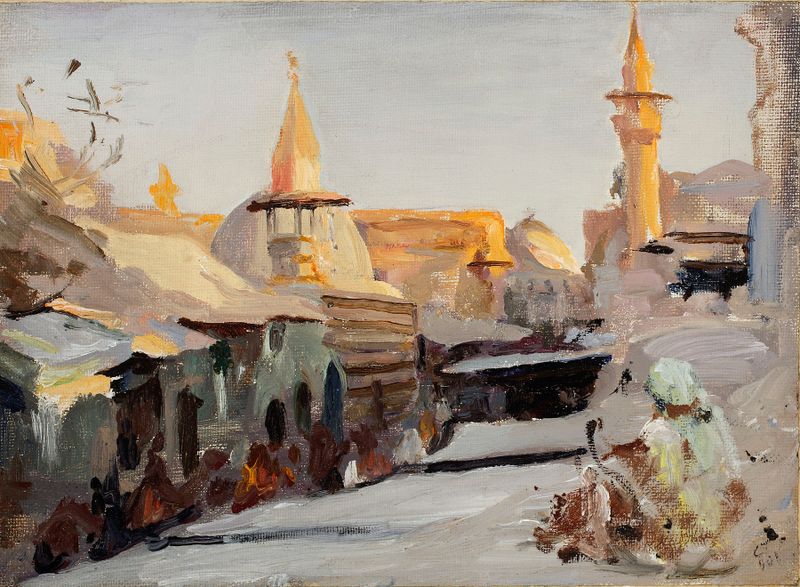
Street in Damascus. From the journey to Palestine
Jan Ciągliński
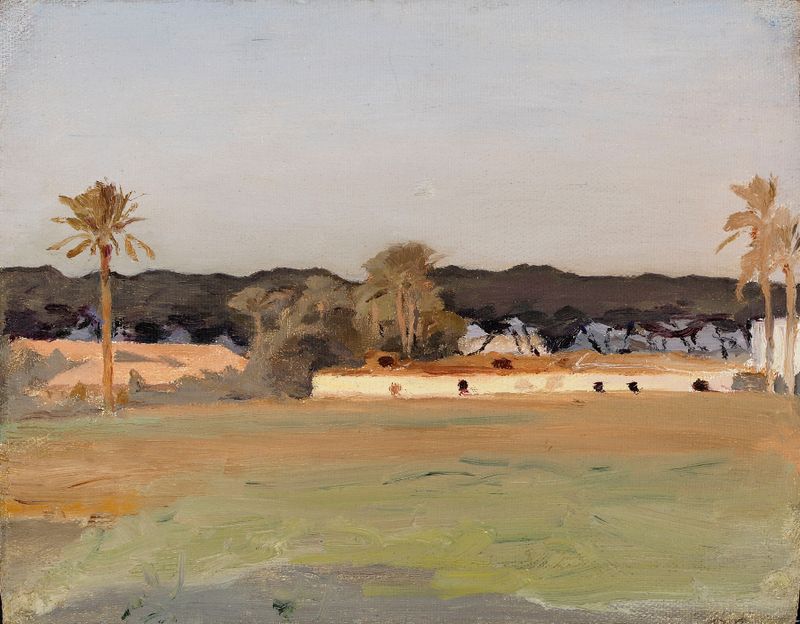
Evening. From the journey to Egypt
Jan Ciągliński
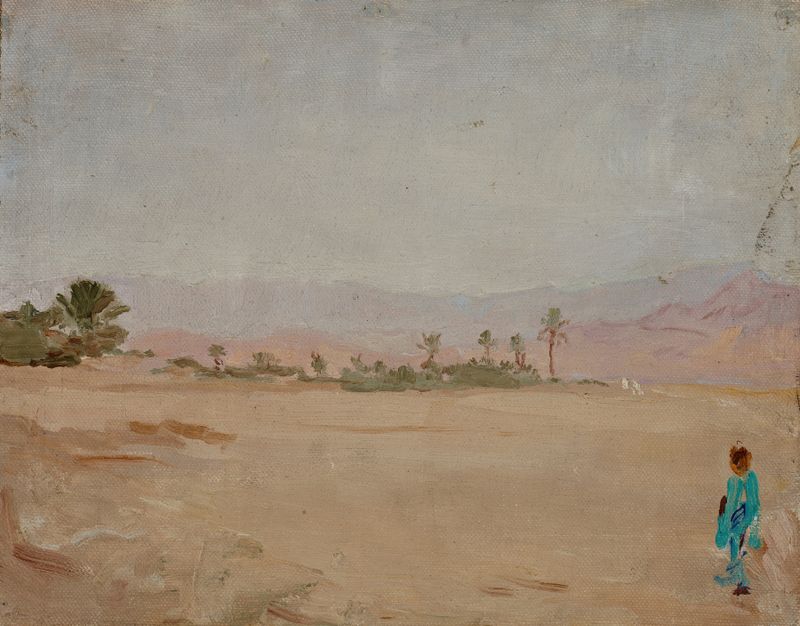
Sahara (Desert)
Jan Ciągliński
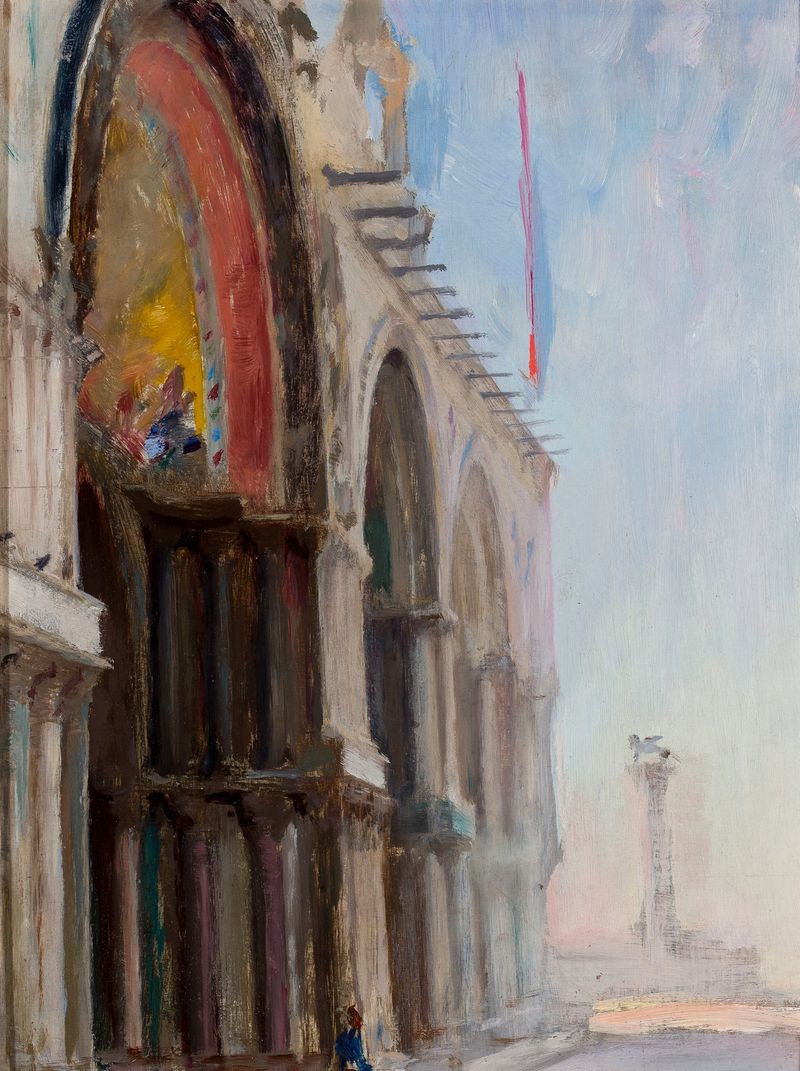
Venice – San Marco. From the journey to Italy
Jan Ciągliński
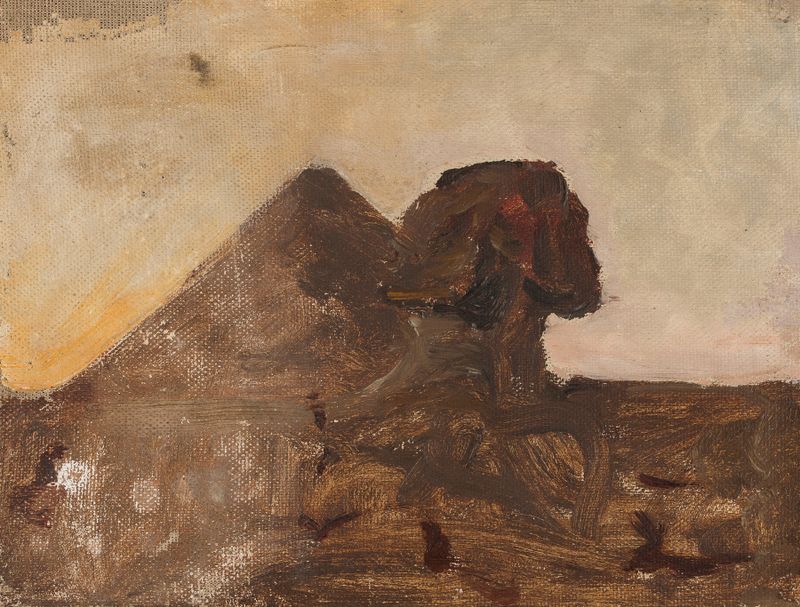
Evening in the desert – Sphinx and pyramid. From the journey to Egypt
Jan Ciągliński





