
Northern Studies (The White Night) — History & Facts
In the stillness of twilight, where the sun lingers just beyond the horizon, a world poised on the brink of revolution emerges, both haunting and beautiful. The shimmering whiteness of a Northern night invites us to confront the tension between serenity and impending change, leaving echoes of unspoken stories in its wake. Look to the center of the canvas, where the luminous snow glistens under a soft, ethereal light. The horizon, painted in muted blues and delicate pinks, draws the eye outward, suggesting infinity while also enclosing the viewer within its cold embrace.
Notice how the trees, stark and silhouetted against the horizon, stand as sentinels in a landscape that feels both familiar and foreign, articulating an unsettling stillness that captures the essence of the moment. As you explore further, consider the intricate play of light and shadow that defines the scene. The ethereal glow of the snow contrasts sharply with the deepening shadows, embodying the duality of peace and unrest. Each detail, from the feather-like brushstrokes to the chilling palette, conveys a sense of anticipation, hinting at the revolutionary spirit that would soon sweep through the region, forever altering its landscape and people. In 1908, Jan Ciągliński painted this work during a time of profound change in Europe.
Having settled in England, he was influenced by the emerging modernist movements and the tumultuous social climate of the era. Northern Studies (The White Night) reflects not only his artistic evolution but also the broader struggles of identity and expression in a world on the cusp of dramatic transformation.
More Artworks by Jan Ciągliński
Browse all →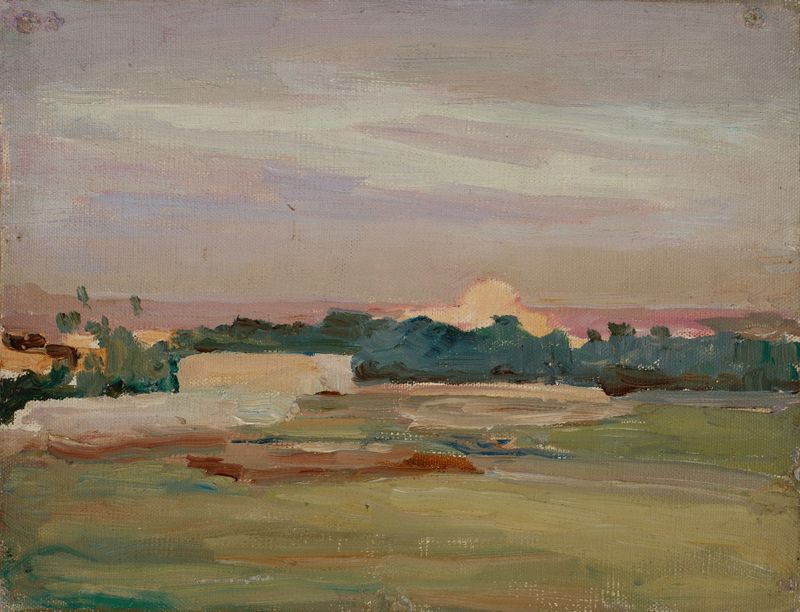
The Sirocco
Jan Ciągliński
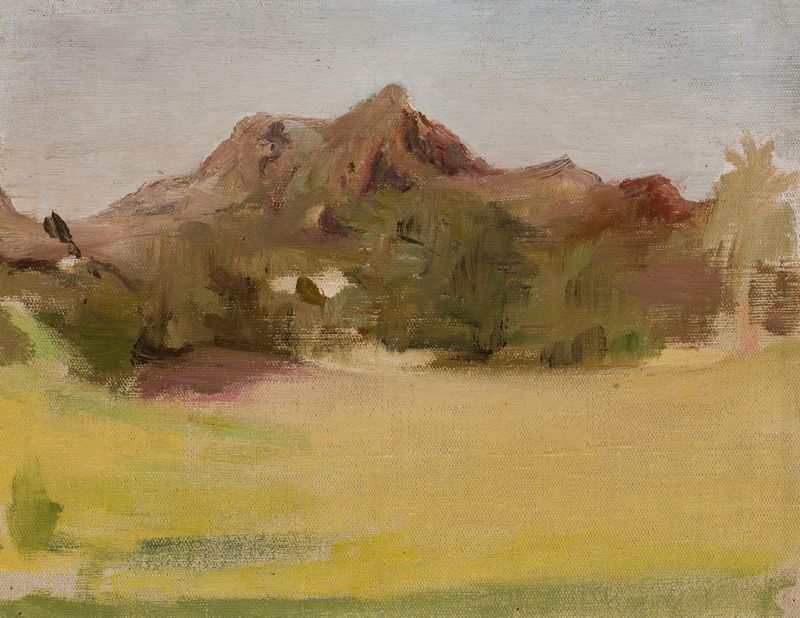
Mountain landscape. From the journey to India
Jan Ciągliński
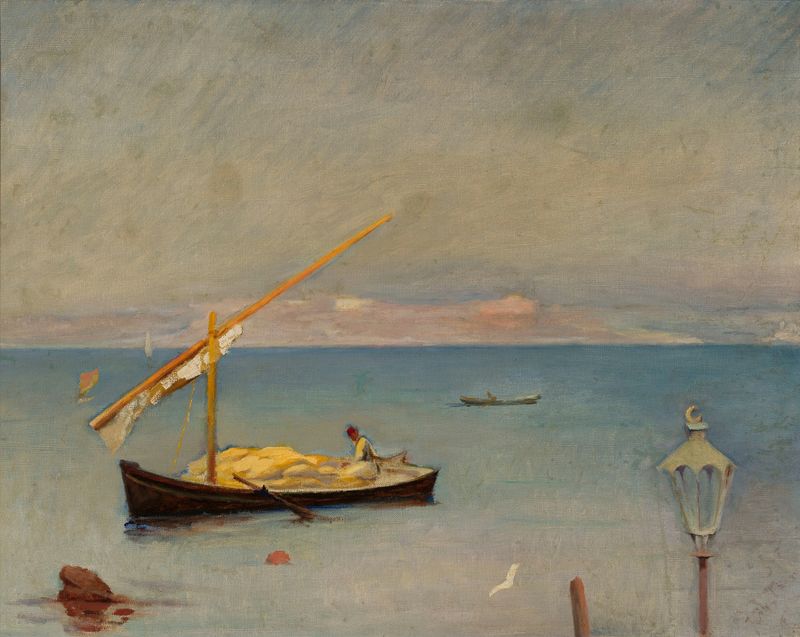
At Bosporus
Jan Ciągliński
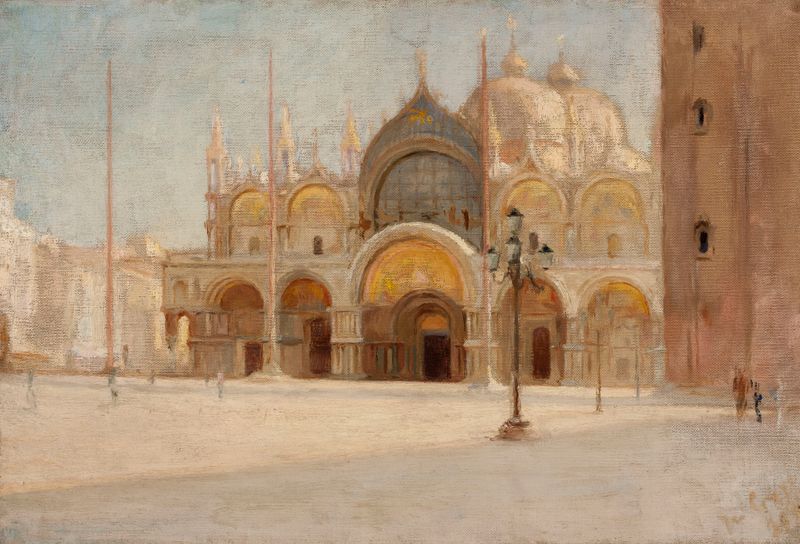
St Mark’s Square in Venice
Jan Ciągliński
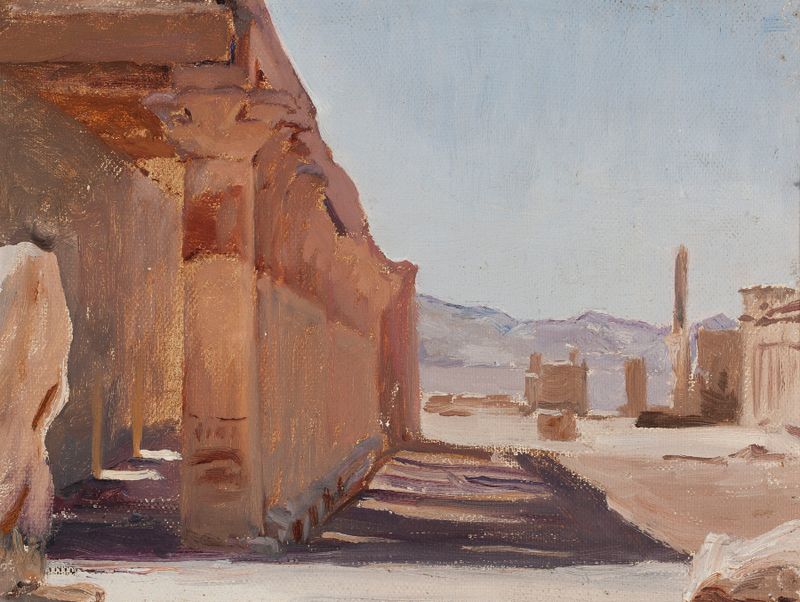
Temple. From the journey to Egypt
Jan Ciągliński
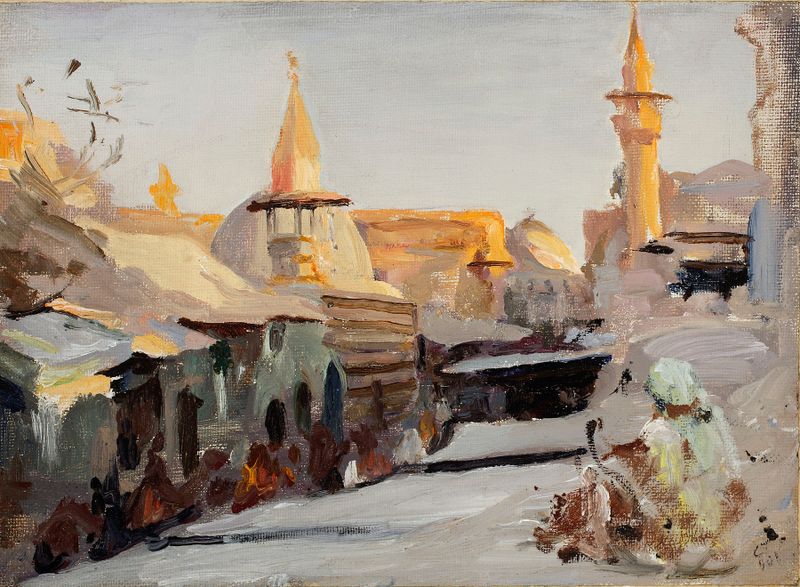
Street in Damascus. From the journey to Palestine
Jan Ciągliński
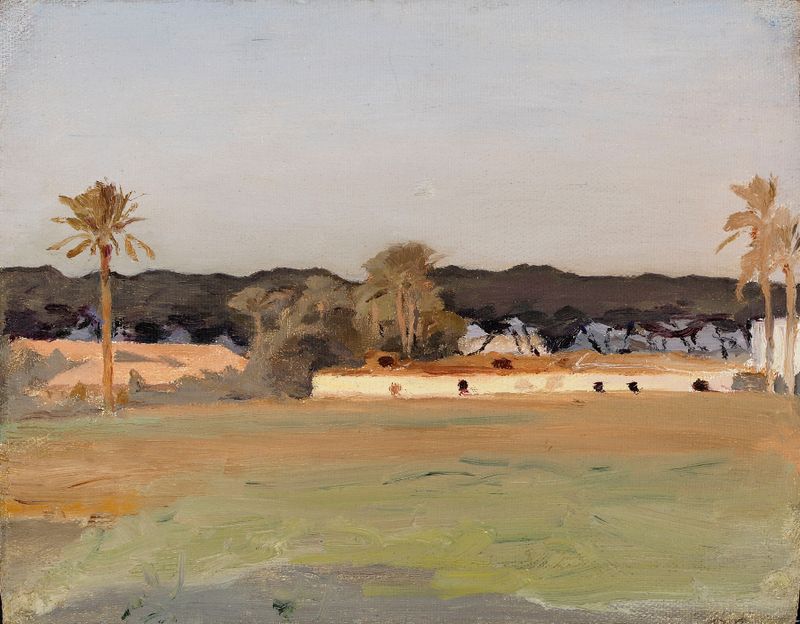
Evening. From the journey to Egypt
Jan Ciągliński
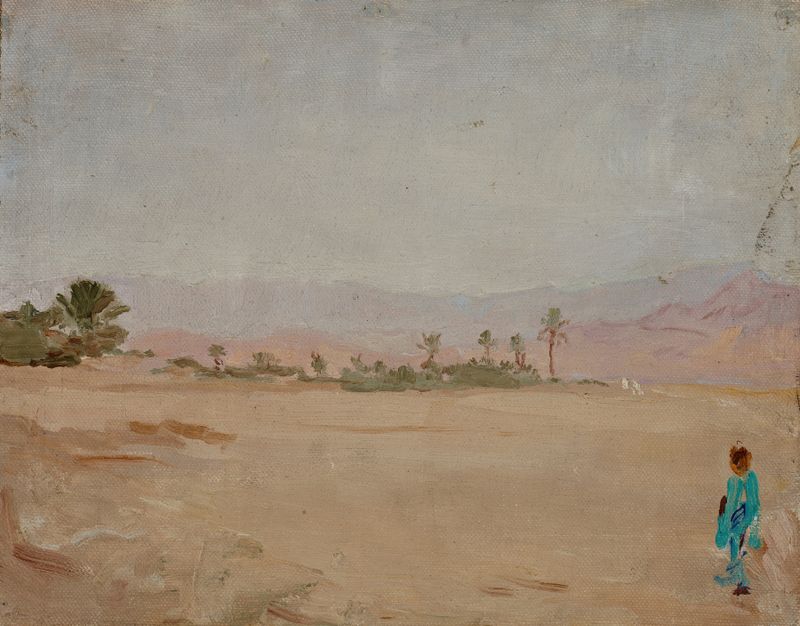
Sahara (Desert)
Jan Ciągliński
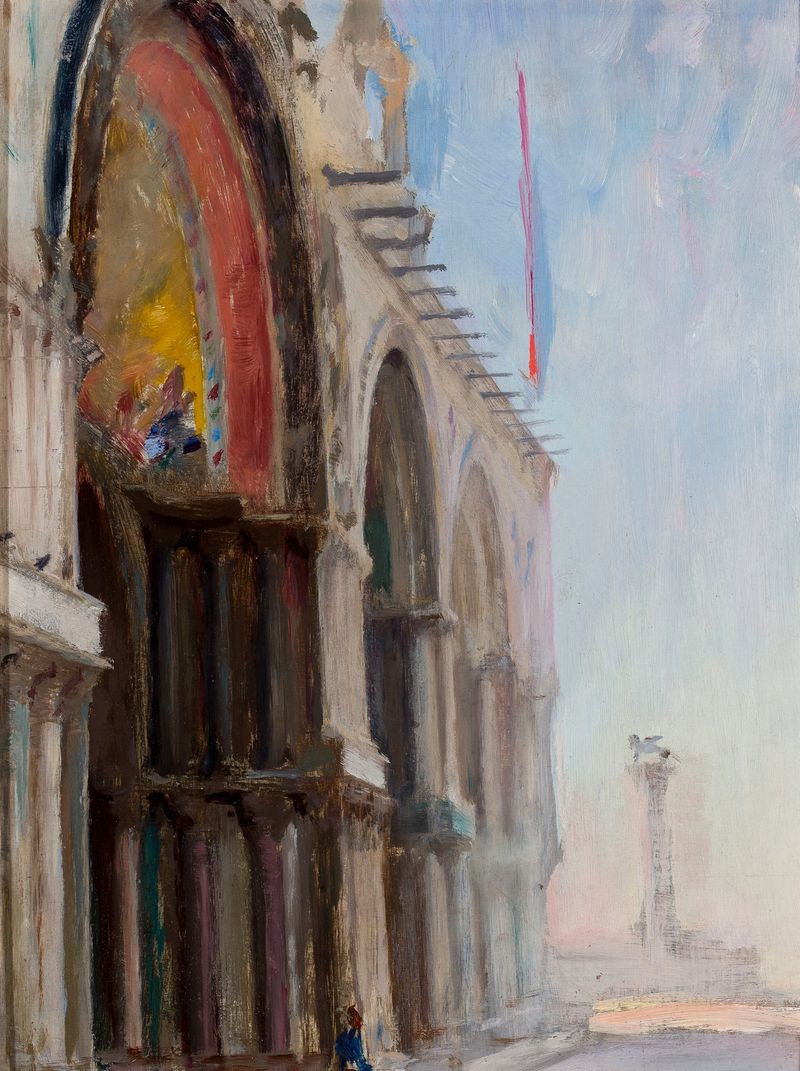
Venice – San Marco. From the journey to Italy
Jan Ciągliński
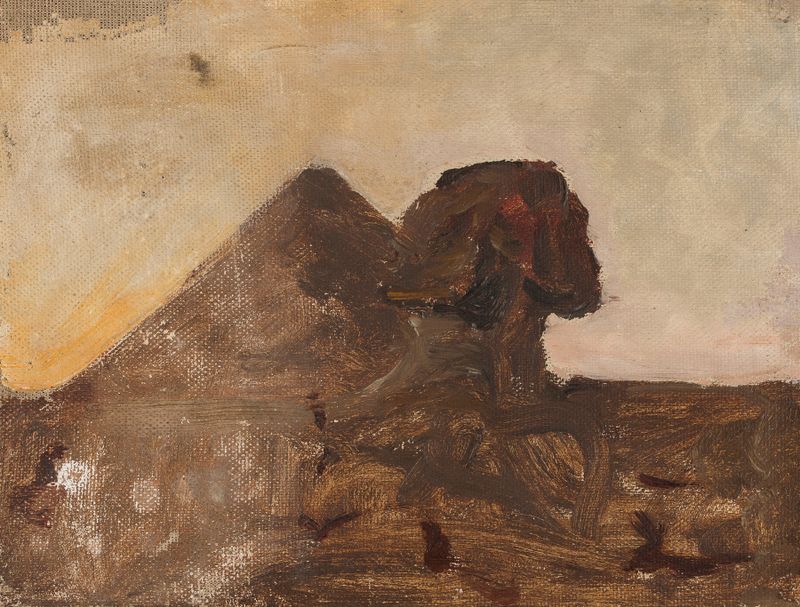
Evening in the desert – Sphinx and pyramid. From the journey to Egypt
Jan Ciągliński





