
Northern Studies (The White Night) — History & Facts
What secret hides in the quiet of the canvas? Beneath the stillness of Northern Studies (The White Night) lies an echo of forgotten memories, whispering of the beauty and solitude that envelops the landscape. Look to the foreground, where a delicate interplay of muted blues and silvery whites creates an enchanting twilight scene. The soft brushstrokes evoke the gentle caress of dusk settling over the vast, serene land. Notice how the hazy light diffuses into the soft edges of the horizon, blurring the line between earth and sky, inviting you to wander into this ethereal expanse.
The composition draws the eye along a winding path that seems to lead toward infinity, embodying both a journey and a contemplative pause. Within this tranquil setting, there are subtle contrasts that reveal deeper emotional currents. The stillness of the snow contrasts with the whispered movement of the shadows, suggesting a tension between presence and absence. The viewer senses a longing or nostalgia, as if the landscape holds stories untold, memories waiting to be rediscovered.
Each element harmonizes, yet hints at a lingering solitude, reinforcing the intimate connection between the viewer and the silent expanse. In 1908, during the peak of his career, Jan Ciągliński was immersed in the artistic currents of early 20th-century Europe. Living in Paris, he was influenced by the Symbolist movement and the growing fascination with nature and memory. This work reflects his exploration of light and atmosphere, responding to the changing perceptions of landscape painting in a world on the brink of modernity.
More Artworks by Jan Ciągliński
Browse all →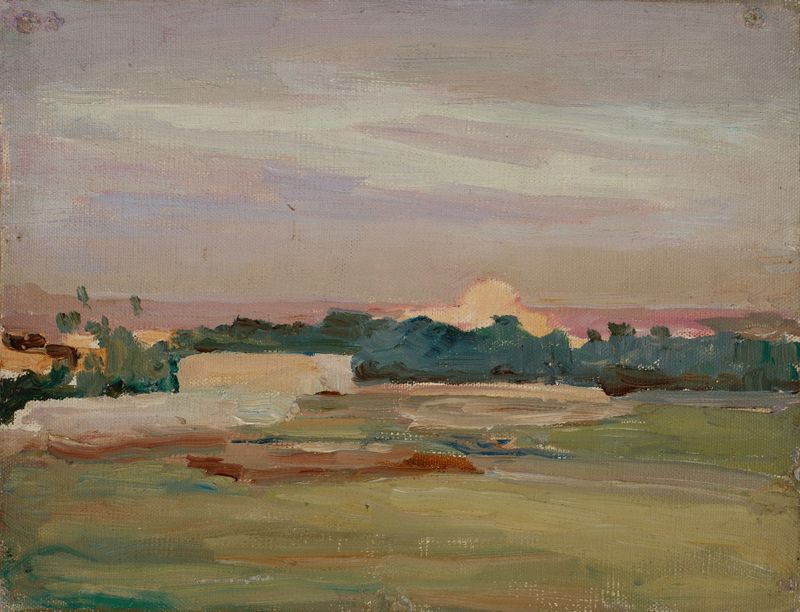
The Sirocco
Jan Ciągliński
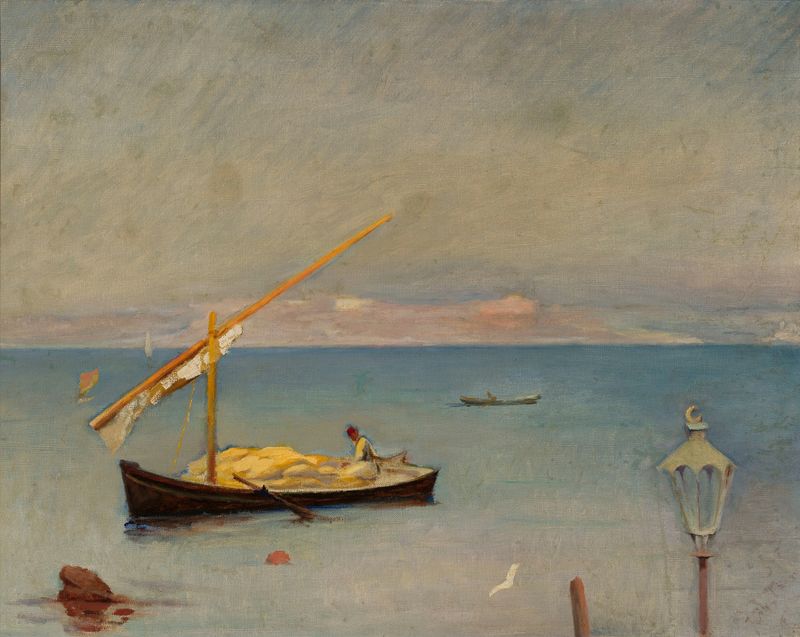
At Bosporus
Jan Ciągliński
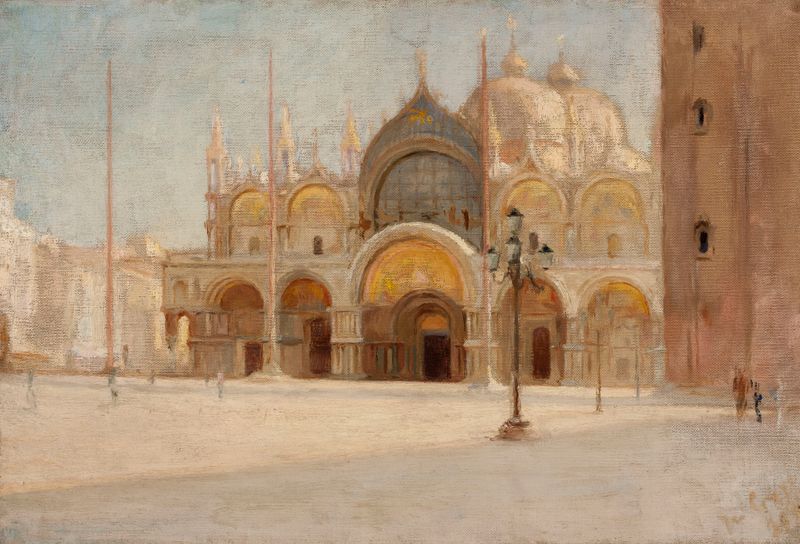
St Mark’s Square in Venice
Jan Ciągliński
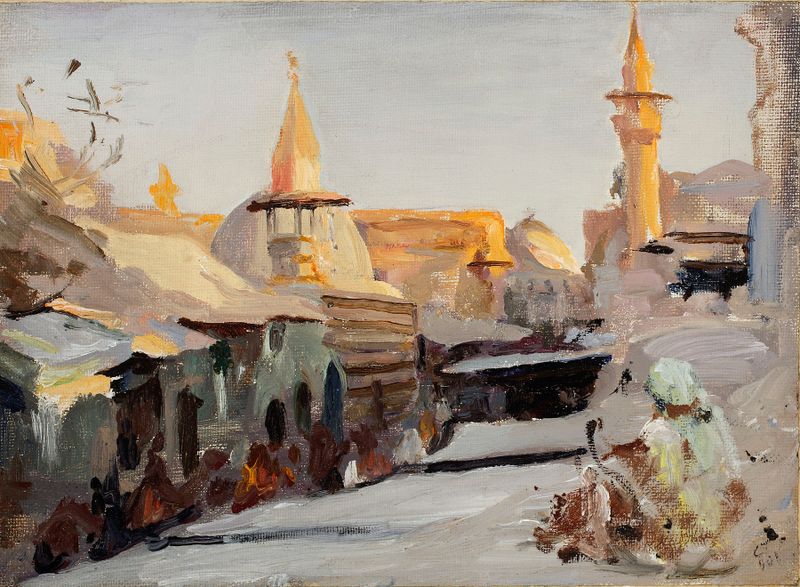
Street in Damascus. From the journey to Palestine
Jan Ciągliński
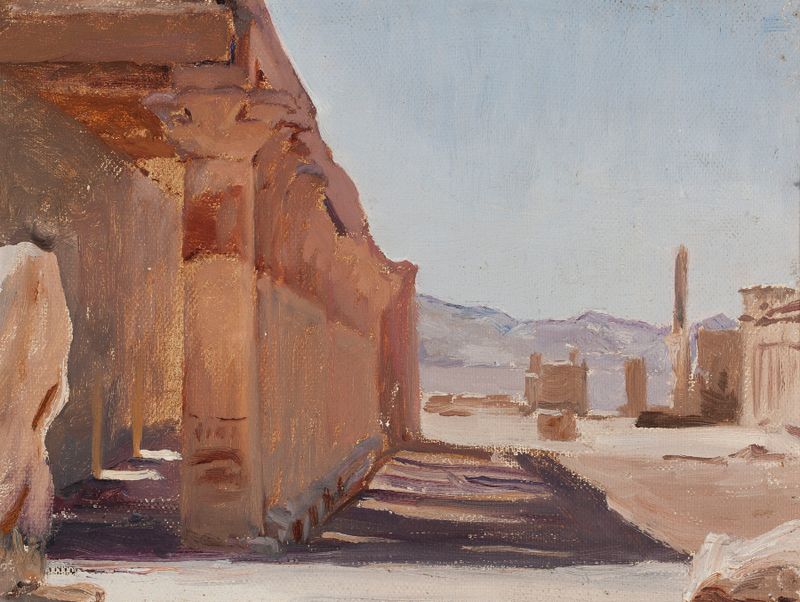
Temple. From the journey to Egypt
Jan Ciągliński
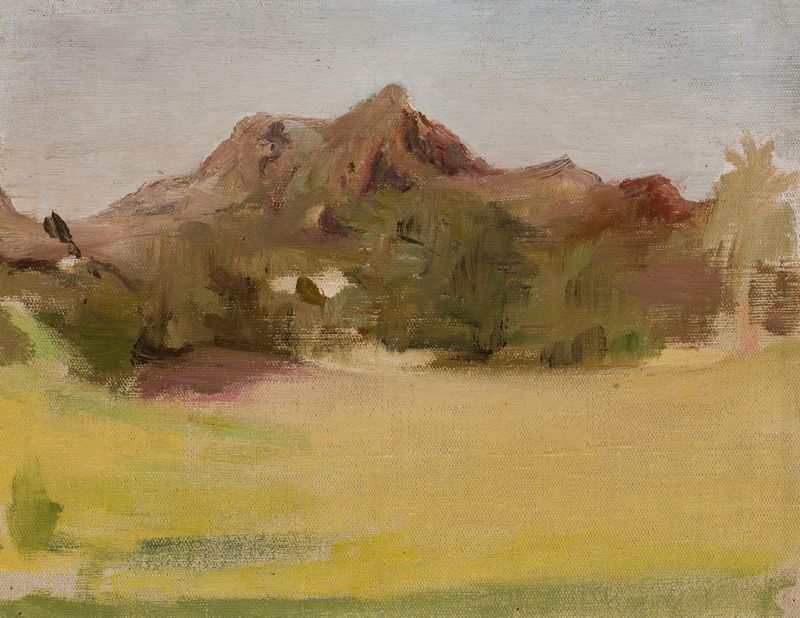
Mountain landscape. From the journey to India
Jan Ciągliński
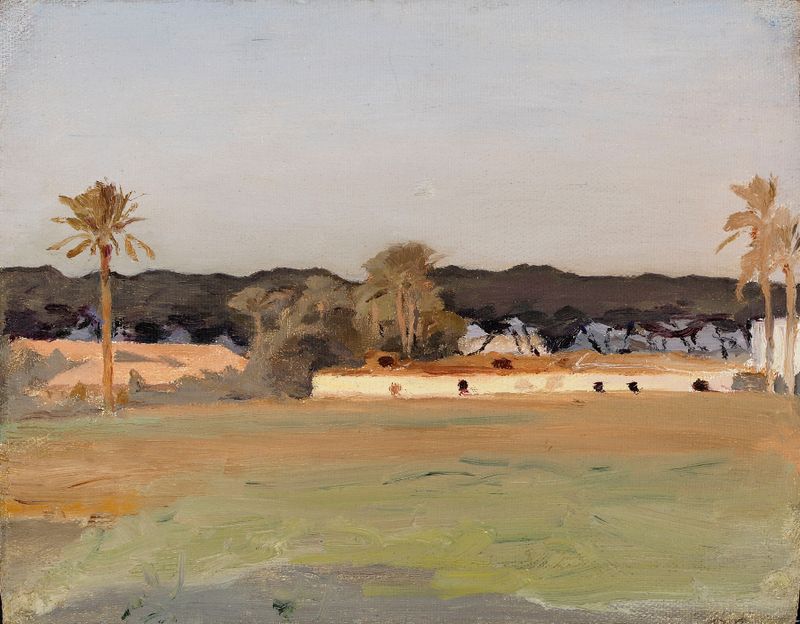
Evening. From the journey to Egypt
Jan Ciągliński
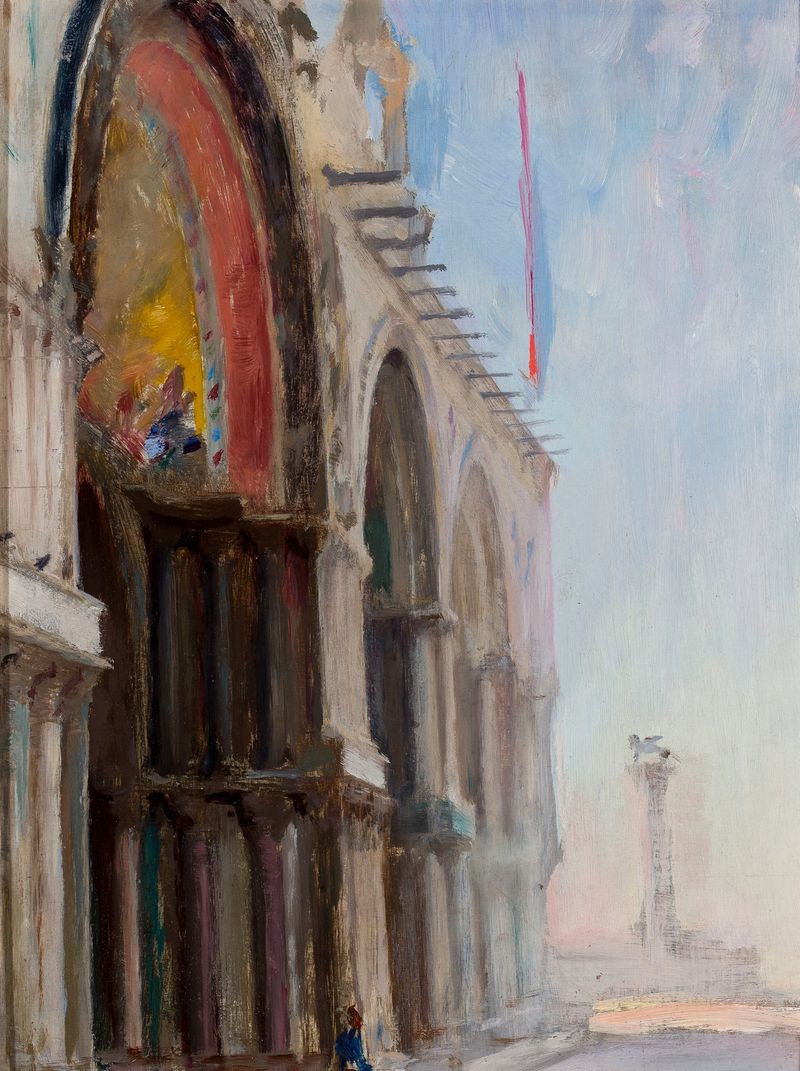
Venice – San Marco. From the journey to Italy
Jan Ciągliński
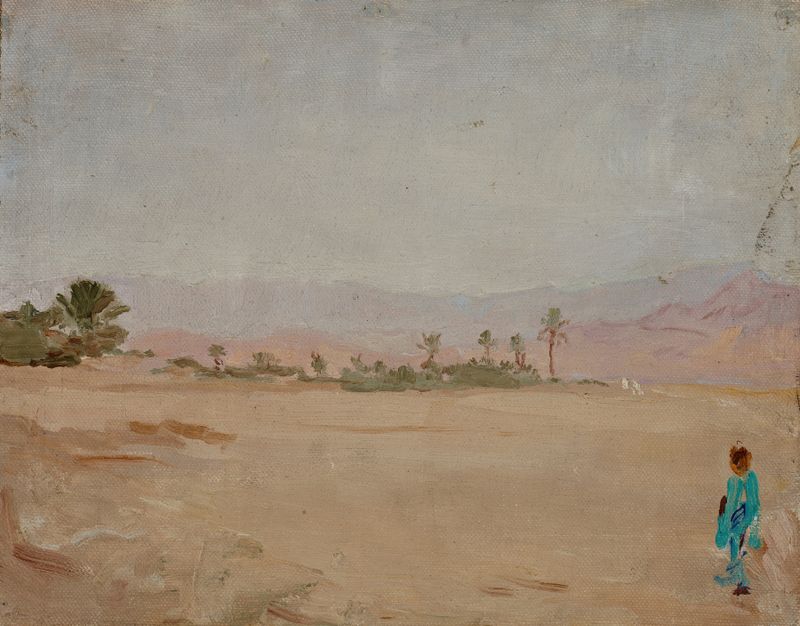
Sahara (Desert)
Jan Ciągliński
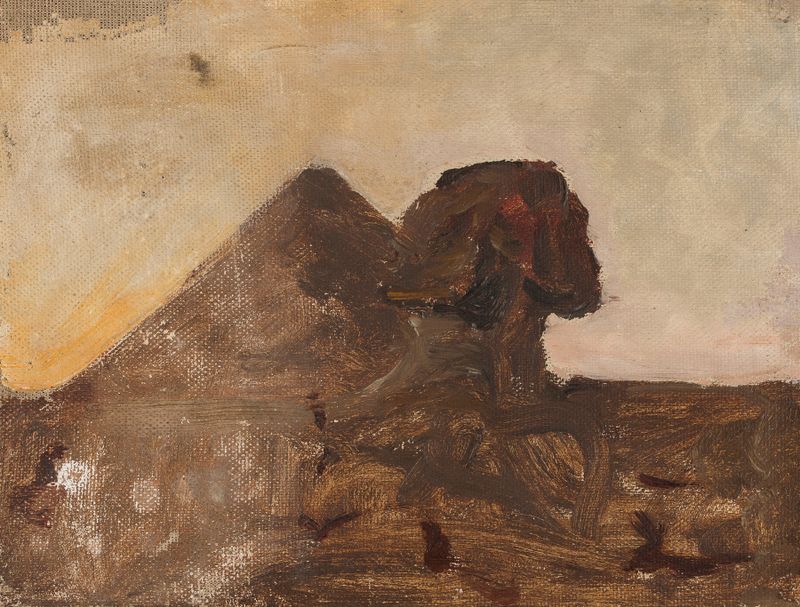
Evening in the desert – Sphinx and pyramid. From the journey to Egypt
Jan Ciągliński





