
Northern Studies (The White Night) — History & Facts
Could beauty survive in a century of chaos? In Northern Studies (The White Night), Jan Ciągliński grapples with this profound question, illustrating the delicate tension between nature’s splendor and the encroaching shadows of decay. Look to the upper left, where the silvery light of a fading sun weaves through the clouds, bathing the landscape in an ethereal glow. The composition draws the eye toward the sprawling expanse of nature, with rich greens and muted browns contrasting against the bright sky. The brushstrokes are fluid yet deliberate, capturing the essence of movement in the wind-swept grasses and the gentle rippling of water.
Each element is imbued with a sense of tranquility, inviting viewers to linger in the fleeting moment of twilight. Yet, beneath the tranquil surface lies an undercurrent of decay, a reminder of nature’s impermanence. Notice the gnarled trees, their branches bare and reaching, suggesting both resilience and loss. The juxtaposition of vibrant life against a backdrop of fading light evokes an emotional tension, reflecting a world caught between beauty and decline.
The scene embodies a quiet melancholy, prompting introspection about the fragility of existence in a rapidly changing world. In 1908, Ciągliński was immersed in an artistic community that valued the exploration of nature’s beauty and its inherent transience. Working in Poland, he faced the socio-political upheaval of the time, which influenced his artistic perspective. His focus on the interplay of light and decay in this piece highlights a universal theme that resonates with contemporary audiences, capturing a moment of profound beauty at the edge of oblivion.
More Artworks by Jan Ciągliński
Browse all →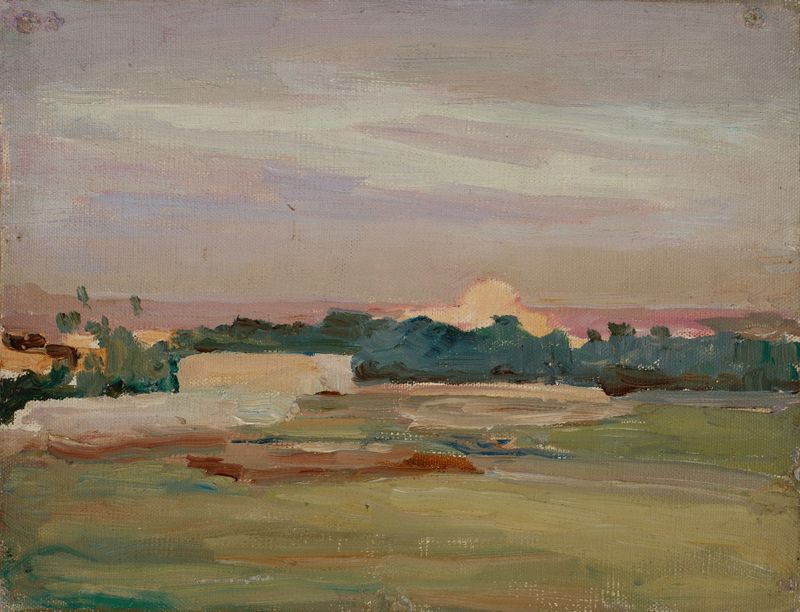
The Sirocco
Jan Ciągliński
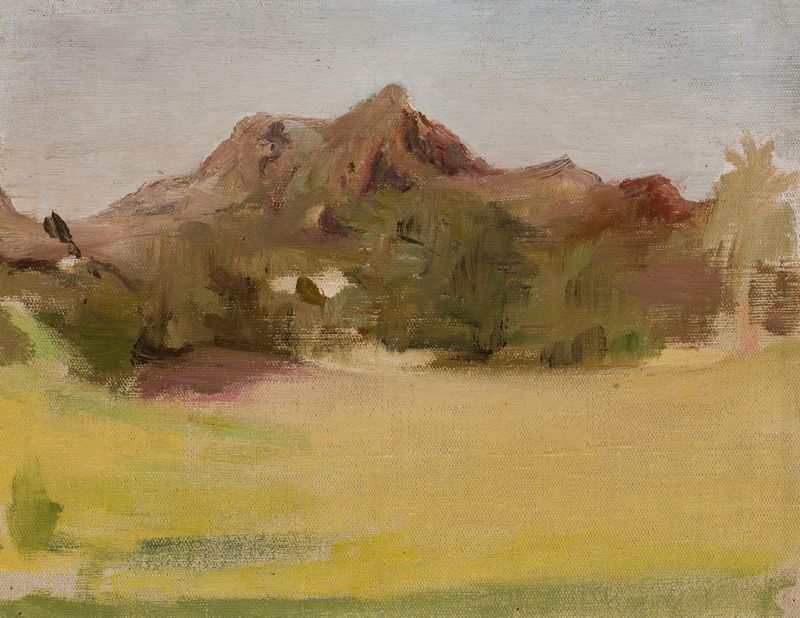
Mountain landscape. From the journey to India
Jan Ciągliński
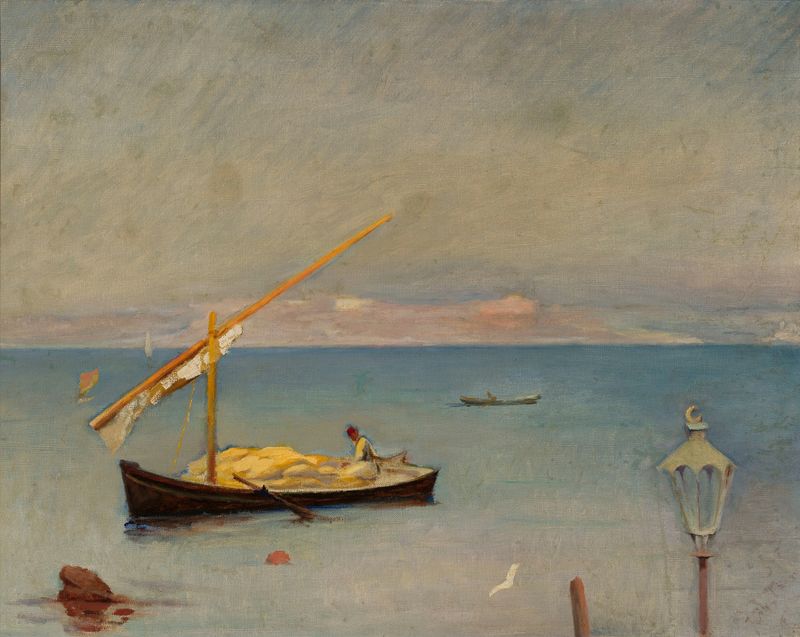
At Bosporus
Jan Ciągliński
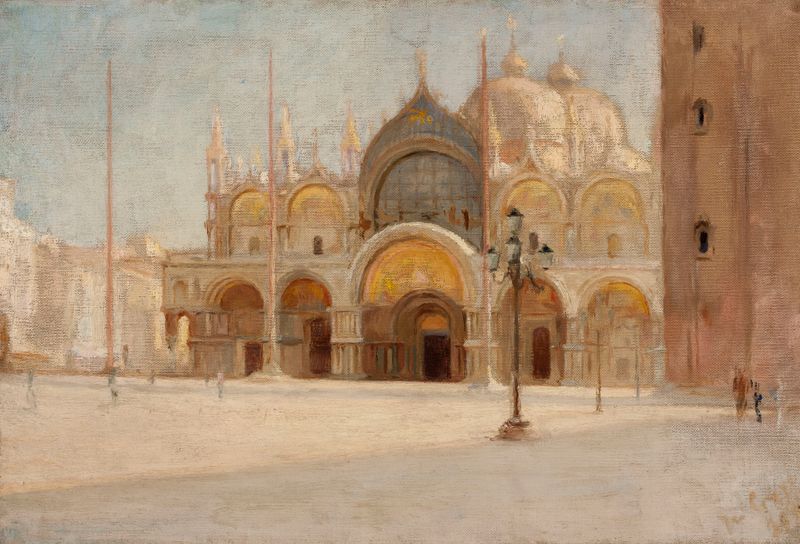
St Mark’s Square in Venice
Jan Ciągliński
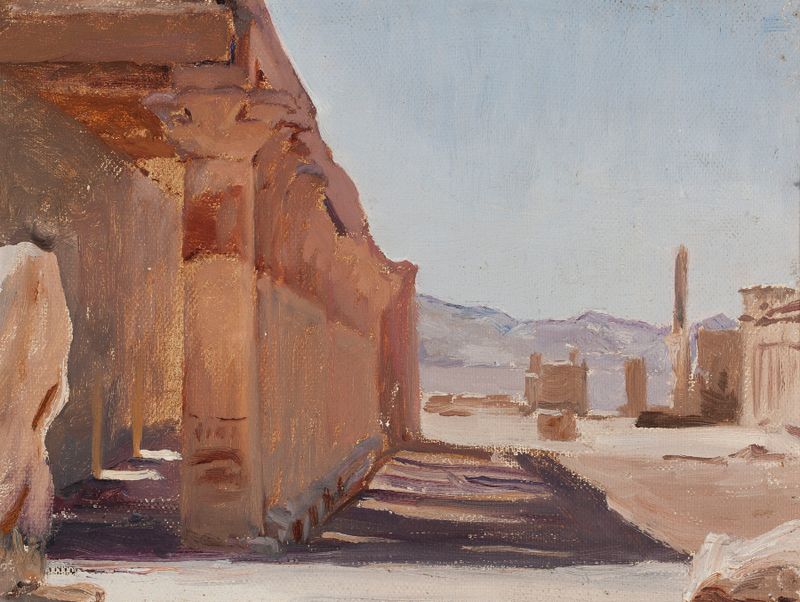
Temple. From the journey to Egypt
Jan Ciągliński
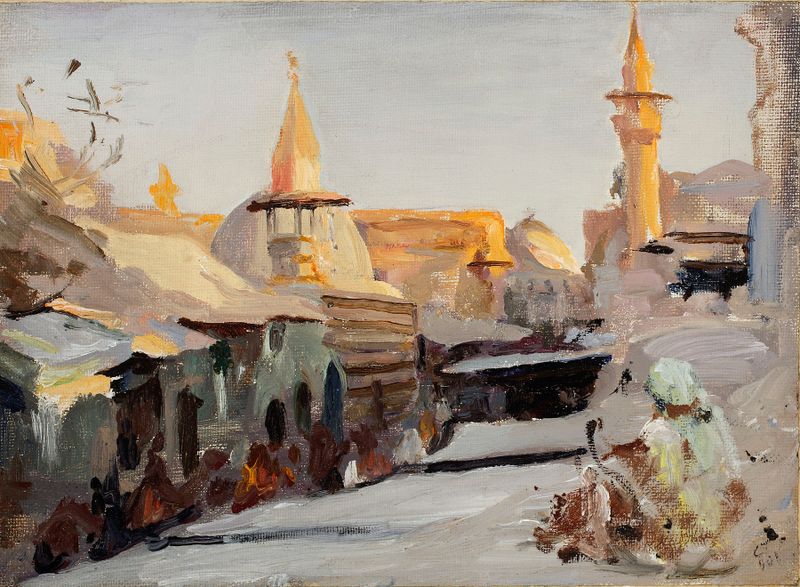
Street in Damascus. From the journey to Palestine
Jan Ciągliński
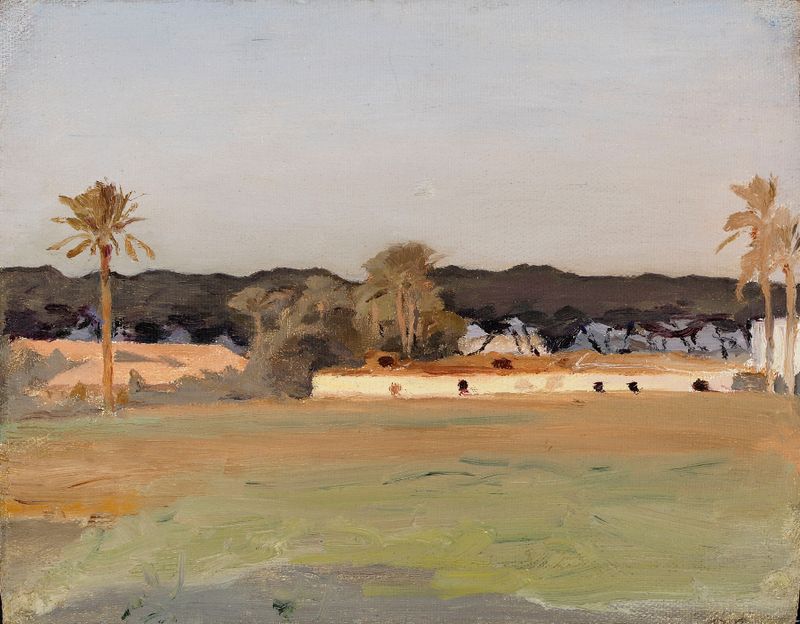
Evening. From the journey to Egypt
Jan Ciągliński
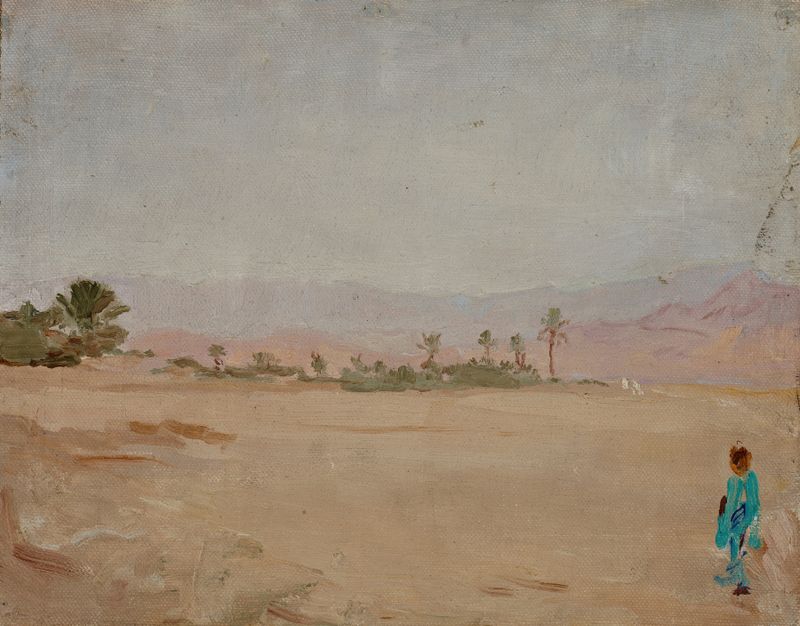
Sahara (Desert)
Jan Ciągliński
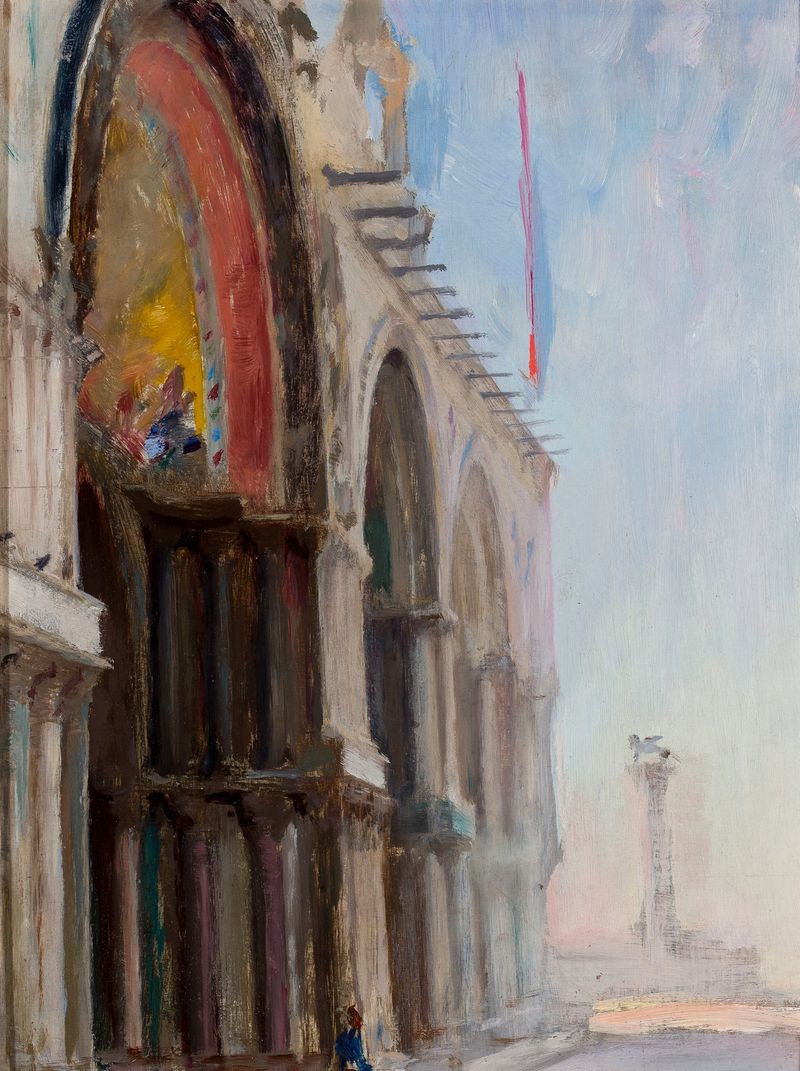
Venice – San Marco. From the journey to Italy
Jan Ciągliński
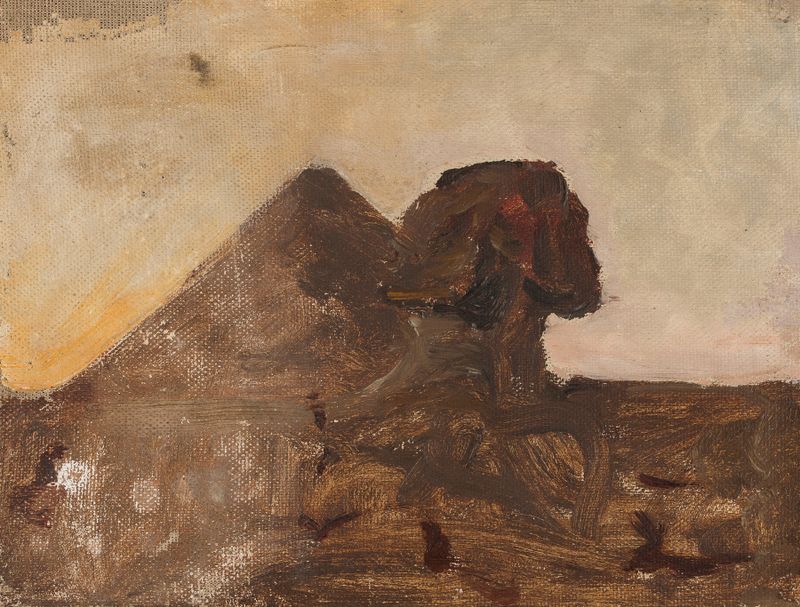
Evening in the desert – Sphinx and pyramid. From the journey to Egypt
Jan Ciągliński





