
Northern Studies (The White Night) — History & Facts
In an era where the ephemeral nature of life is at odds with the permanence of art, light becomes a bridge between memory and experience. Look to the upper left, where soft, ethereal glimmers break through the shadows, illuminating the tranquil landscape. The delicate interplay of whites and blues evokes the serene expansiveness of a northern twilight, inviting the viewer to wander deeper into the scene. Notice how the brushstrokes blend harmoniously, crafting an almost dreamlike quality that invites introspection.
Ciągliński’s subtle gradations of light capture the fleeting essence of the moment, encouraging the beholder to pause and reflect. This work embodies a tension between reality and imagination. The whispers of light that dance across the canvas symbolize hope and renewal, while the muted tones surrounding them suggest an undercurrent of melancholy. It’s a delicate balance—an invitation to contemplate both the beauty and transience of existence.
The solitary figures placed discreetly within the landscape evoke a sense of solitude, each representing humanity’s intimate relationship with nature, time, and memory. In 1911, the artist was in Poland, grappling with themes of identity and culture as Europe stood on the precipice of change. It was a time marked by artistic exploration and a yearning for connection to the past amidst modernity's rapid strides. Ciągliński’s work reflects this duality, capturing a moment that is both deeply personal and universally resonant within the broader narrative of early 20th-century art.
More Artworks by Jan Ciągliński
Browse all →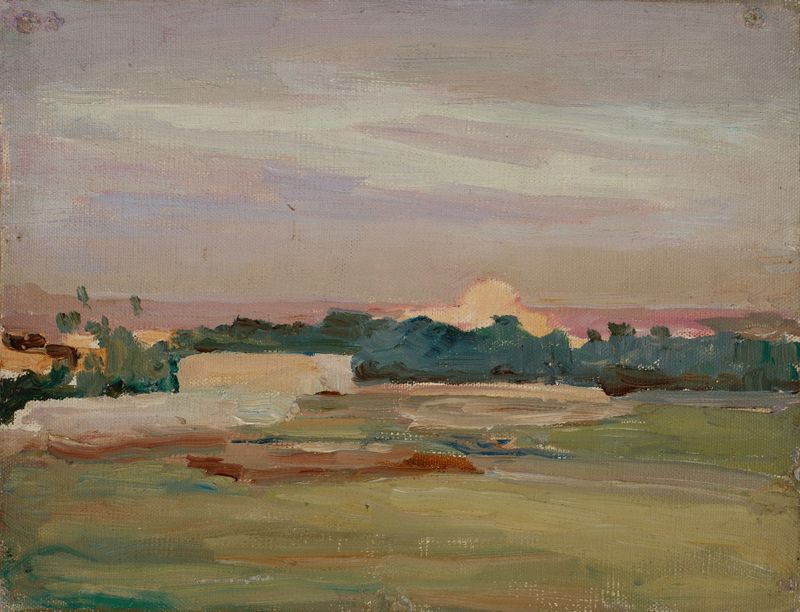
The Sirocco
Jan Ciągliński
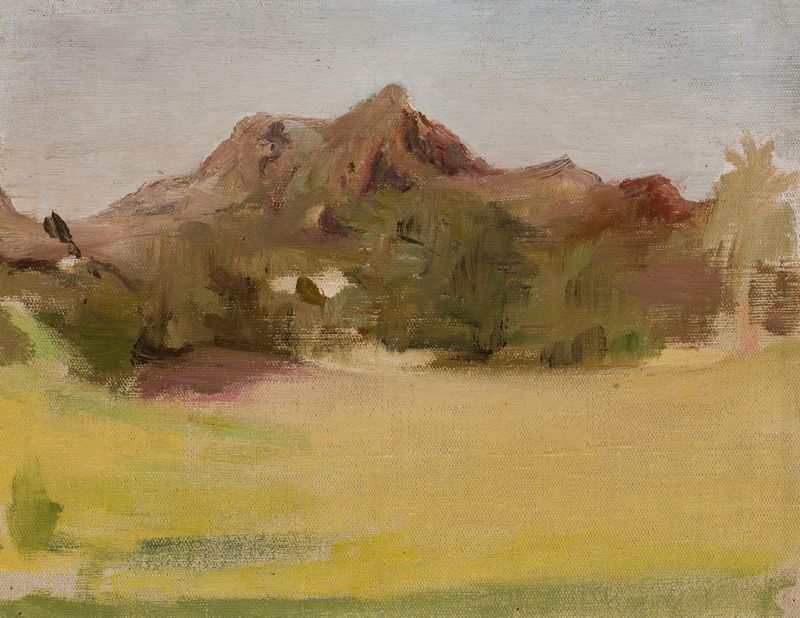
Mountain landscape. From the journey to India
Jan Ciągliński
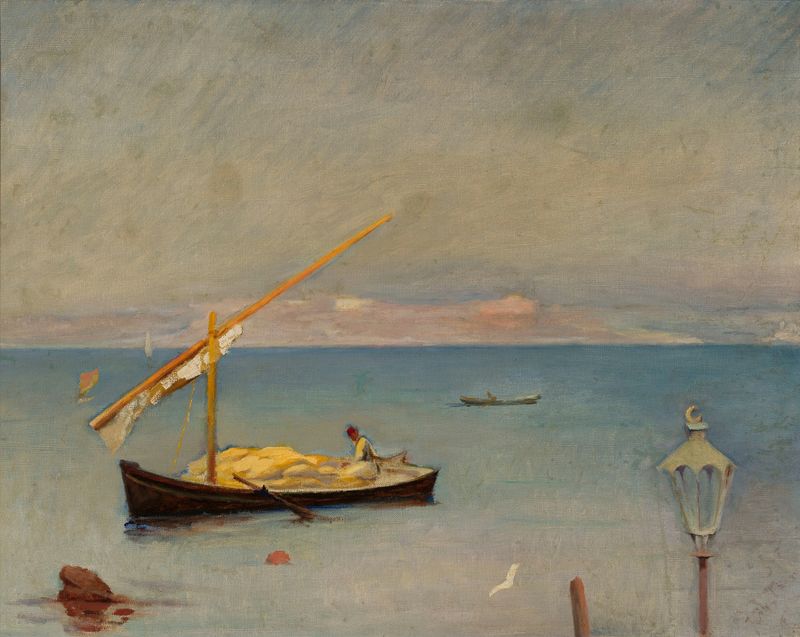
At Bosporus
Jan Ciągliński
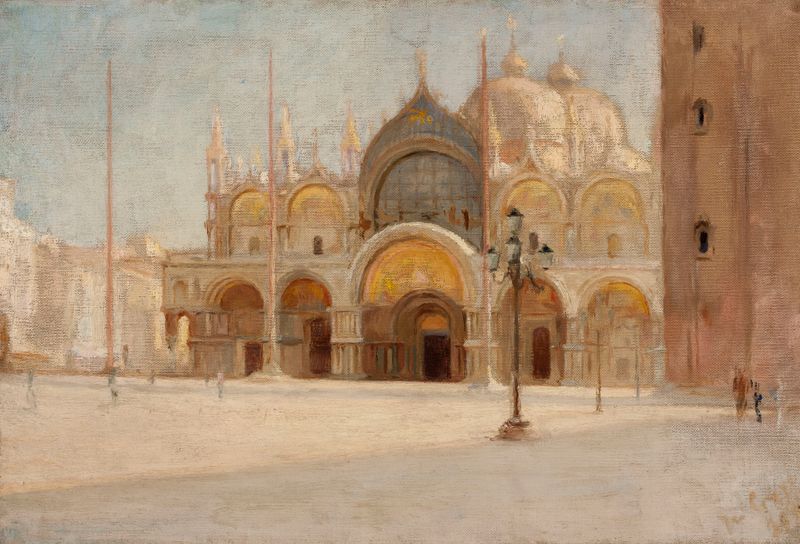
St Mark’s Square in Venice
Jan Ciągliński
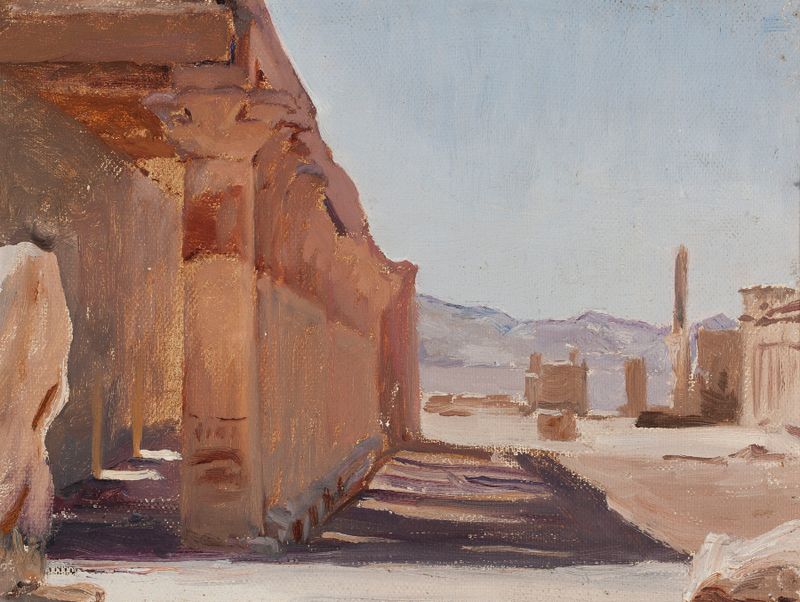
Temple. From the journey to Egypt
Jan Ciągliński
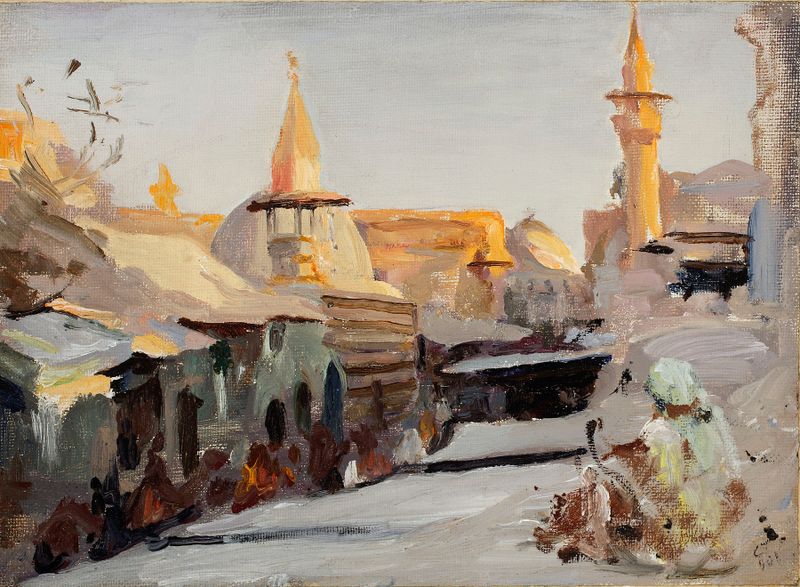
Street in Damascus. From the journey to Palestine
Jan Ciągliński
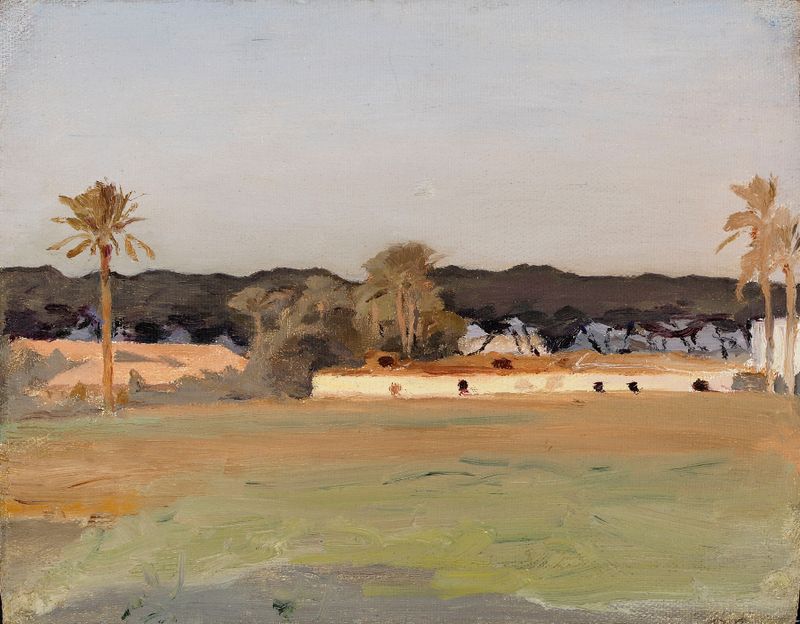
Evening. From the journey to Egypt
Jan Ciągliński
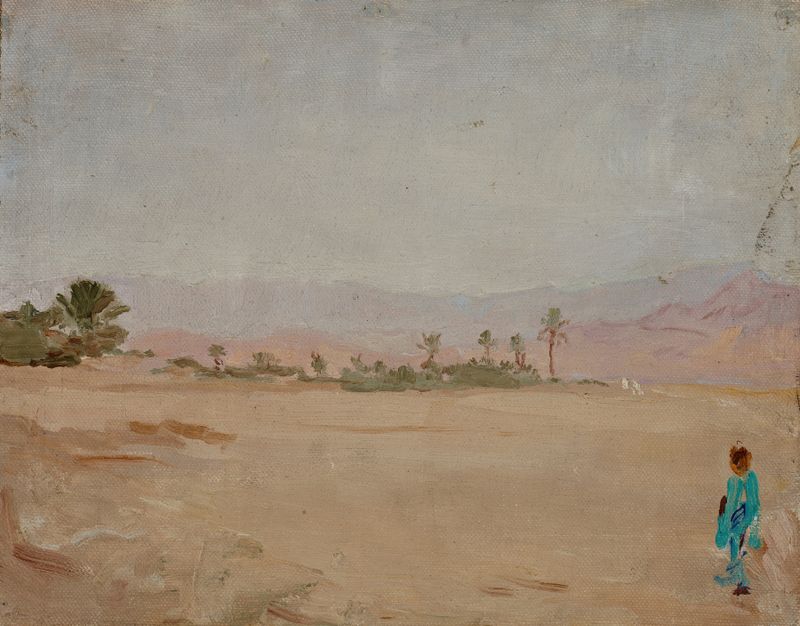
Sahara (Desert)
Jan Ciągliński
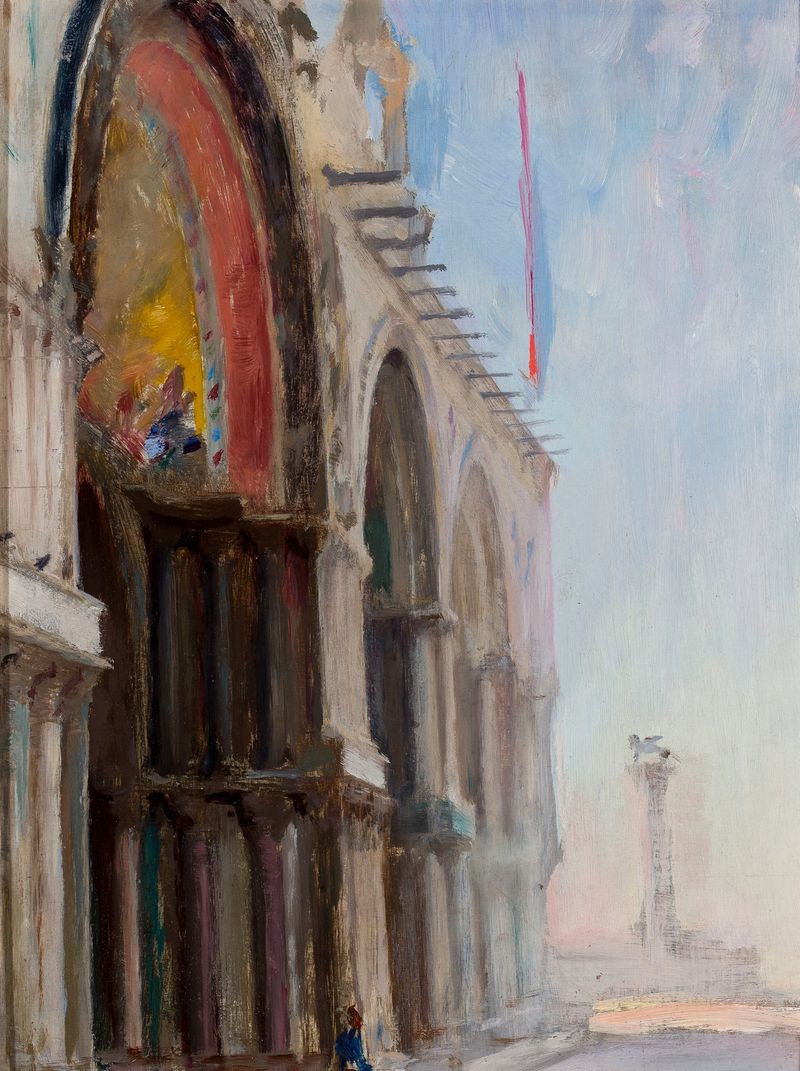
Venice – San Marco. From the journey to Italy
Jan Ciągliński
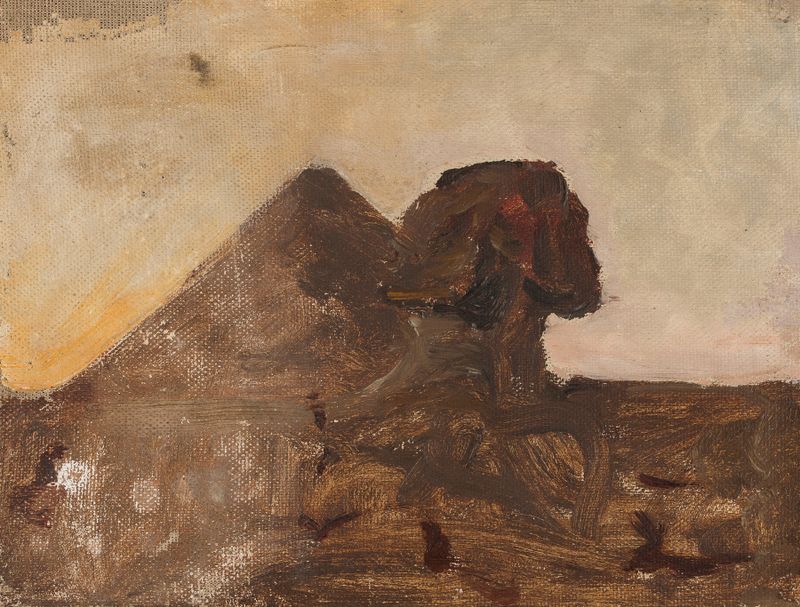
Evening in the desert – Sphinx and pyramid. From the journey to Egypt
Jan Ciągliński





