
Notre-Dame de la Clarté — History & Facts
Could a single brushstroke hold eternity? In Notre-Dame de la Clarté, the interplay of light and shadow whispers of beauty intertwined with the inevitability of decay, creating a poignant dialogue between the sacred and the ephemeral. Look toward the ethereal glow emanating from the stained glass windows, a kaleidoscope of colors that dances across the stone walls. Notice how the play of light transforms the atmosphere, illuminating the intricate details of the architecture while casting soft shadows in the recesses. The artist’s meticulous brushwork is evident in the delicate textures of the stone — each stroke seems to breathe life into the structure, drawing the viewer deeper into the solemnity of the scene. The composition captures a sense of reverence, yet there lies an underlying tension.
The grandeur of the cathedral juxtaposes the creeping signs of age; moss clings to the stones, and cracks hint at the passage of time. This duality reflects the transience of human creation against the backdrop of divine permanence, inviting contemplation on what endures and what fades. The brilliance of the colors, while vibrant, hints at the inevitable decay that shadows beauty, making the viewer reflect on their own mortality. In 1901, Charles-Louis Houdard painted this work during a time of significant artistic transition, as the world was embracing modernity while still holding onto tradition.
The late 19th and early 20th centuries saw a flourishing of Impressionist and Symbolist influences, which Houdard deftly navigated. As he captured this sacred space, his brushstrokes echoed both a deep reverence for the past and an awareness of the challenges facing religious institutions in a rapidly changing society.
More Artworks by Charles-Louis Houdard
Browse all →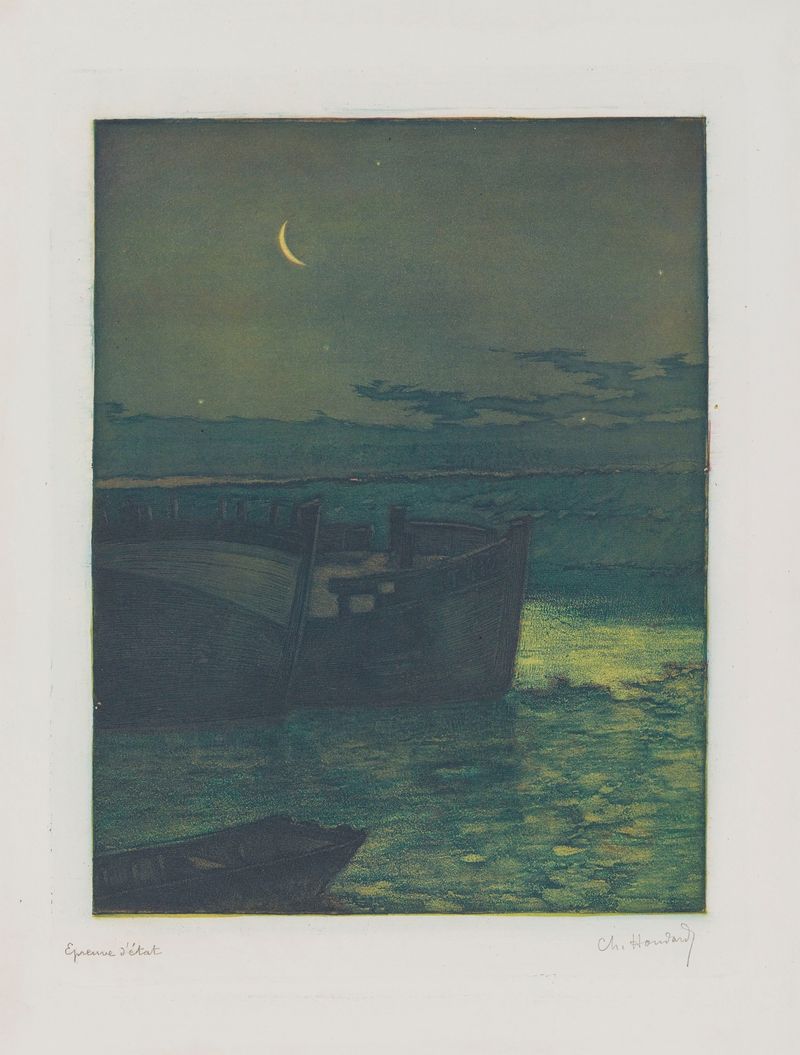
Epaves, navire échoué au clair de lune
Charles-Louis Houdard
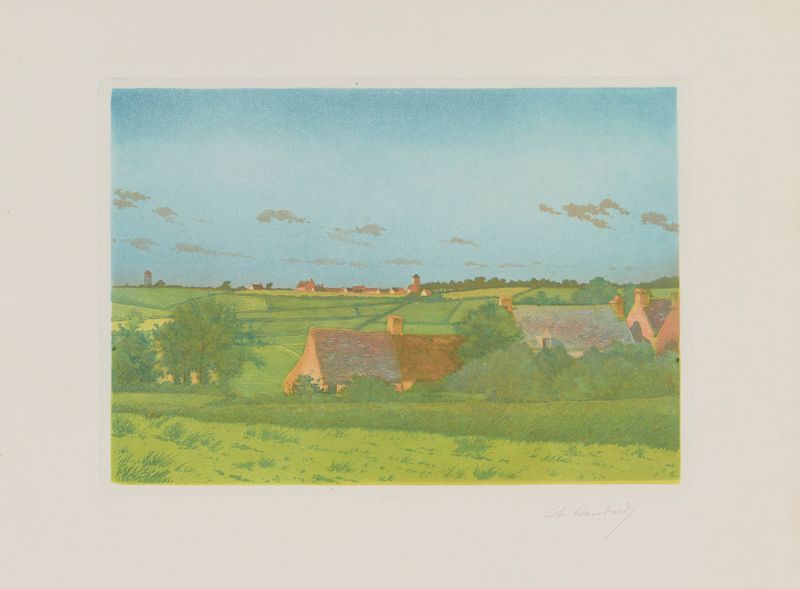
Les hauteurs de Crozon, Finistère
Charles-Louis Houdard
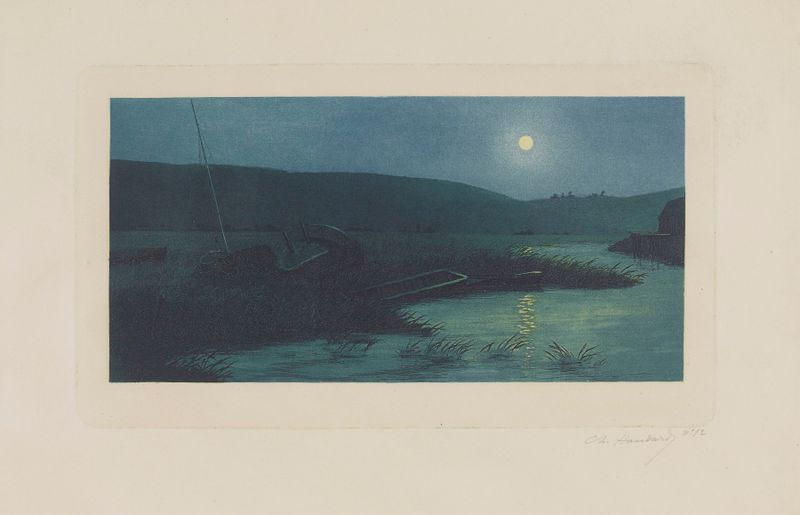
Clair de lune sur la Bresle
Charles-Louis Houdard
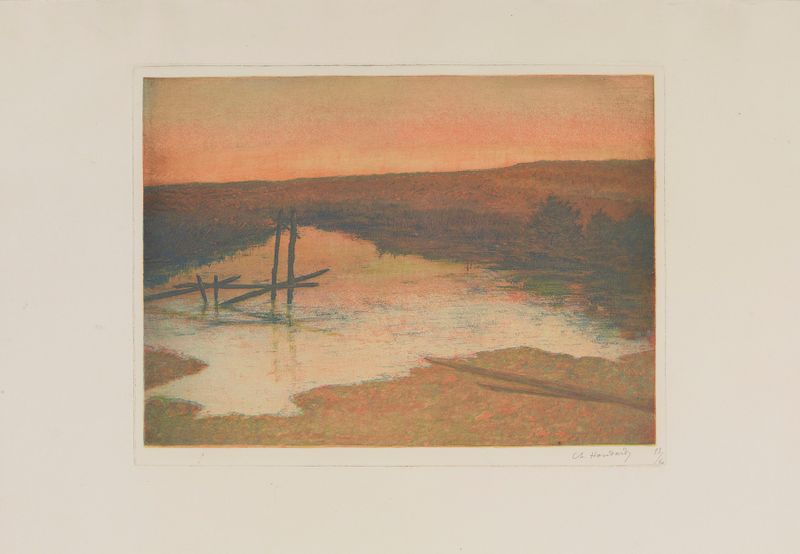
L’étang du moulin à Sémide
Charles-Louis Houdard
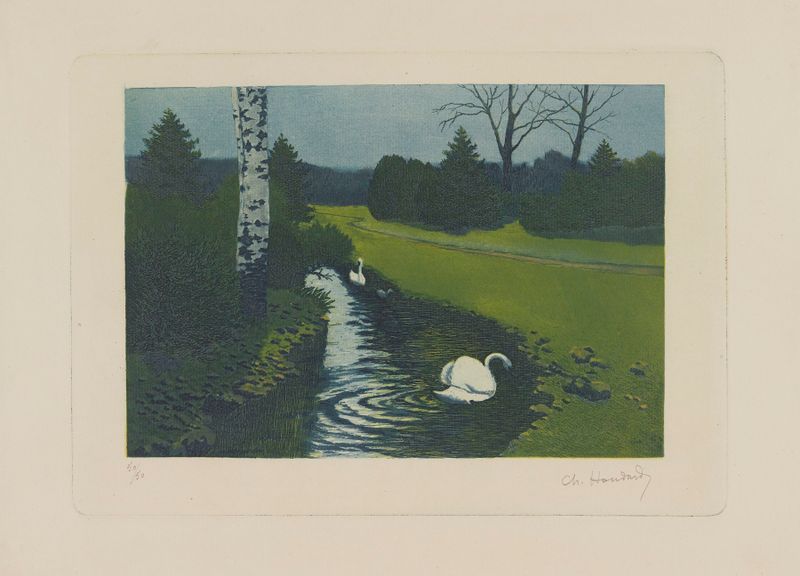
Au bois, cygnes sur un ruisseau
Charles-Louis Houdard
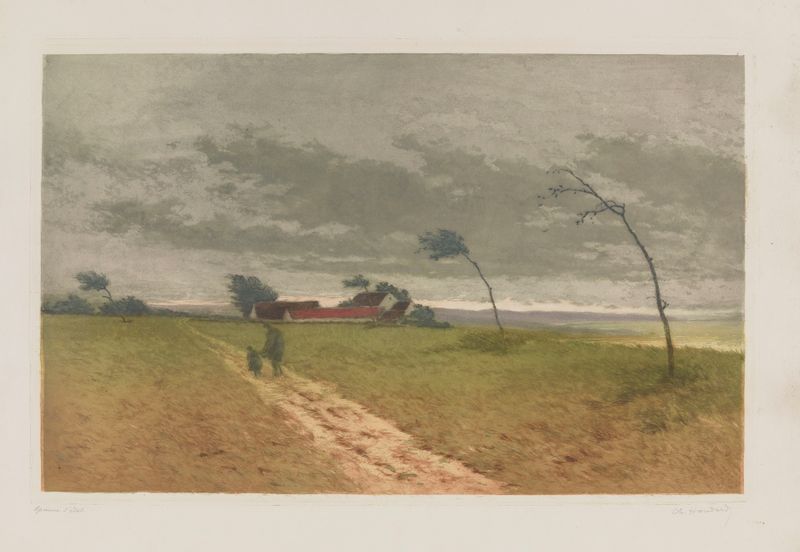
La rafale, plaine sous l’orage
Charles-Louis Houdard
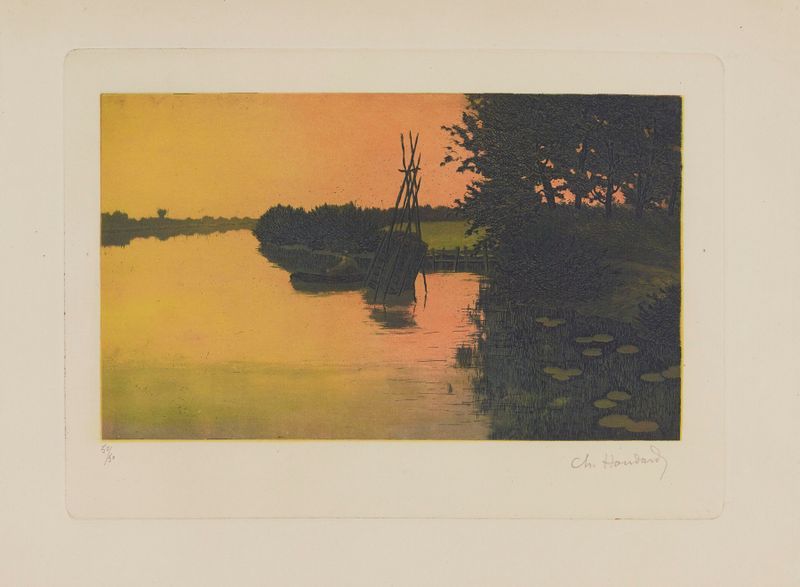
L’Oise à Précy
Charles-Louis Houdard
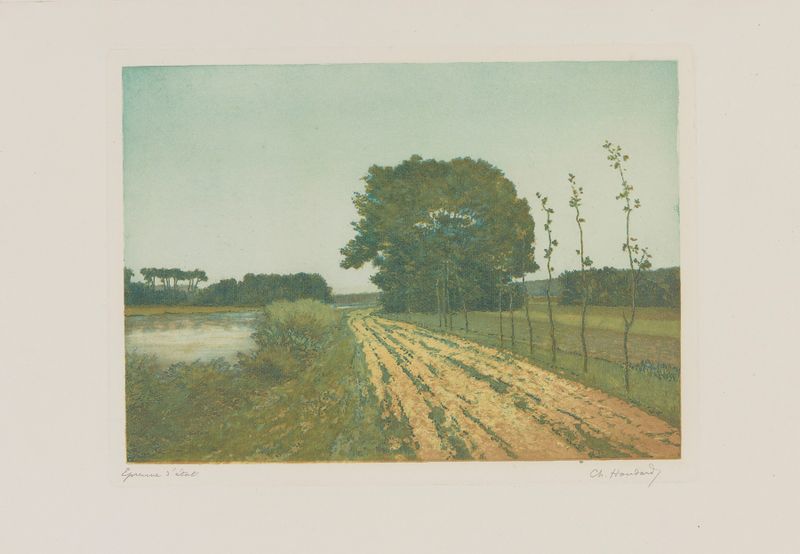
La route abandonnée
Charles-Louis Houdard
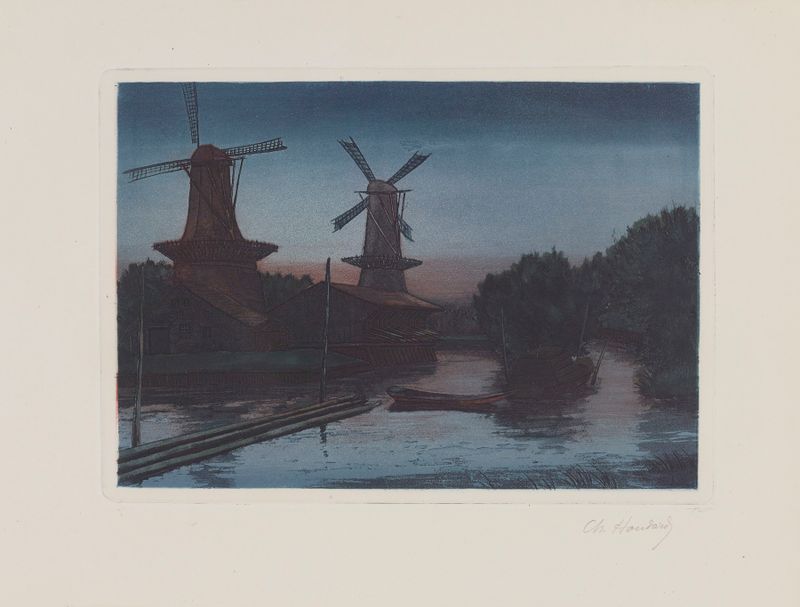
Moulins à Dordrecht
Charles-Louis Houdard
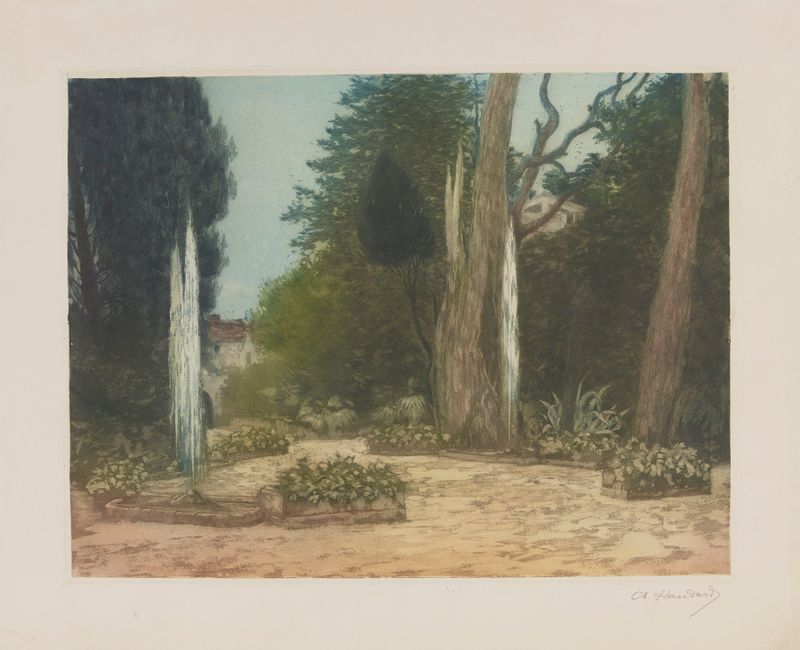
Villa d’Este, Tivoli, le rond-point
Charles-Louis Houdard
More Religious Art
Browse all →
The Return of the Prodigal Son
Rembrandt van Rijn

The Garden of Earthly Delights
El Bosco

Count Orgaz’ funeral
El Greco

The Hundred Guilder Print: the central piece with Christ preaching, the plate arched
Rembrandt van Rijn

The Descent from the Cross
Rogier van der Weyden

The return of the prodigal son
Rembrandt van Rijn