
Notre Dame, Dinant — History & Facts
In the stillness of a moment captured in time, color breathes life into the architecture of the past, evoking echoes of solemnity and beauty. Look toward the vibrant hues splashed across the canvas, where emerald greens and deep blues collide in a harmonious dance. Notice how the light plays upon the intricate details of Notre Dame’s façade, casting shadows that whisper stories of centuries. The layering of paint creates a luscious texture, inviting the viewer to explore every nook and cranny, while the composition guides the eye upward, mirroring the grandeur of the cathedral itself. Within this artwork lies a tension between the solidity of the stone and the fluidity of the river that flows beneath it.
The juxtaposition of warm earth tones against cool, tranquil shades hints at the passage of time and the transient nature of existence. This interconnectedness not only highlights the beauty of the landscape but also reflects a deeper yearning for permanence amidst the ephemerality of life. In 1907, the artist created this piece during a period of significant change in his life and the art world. Based in Scotland, he was deeply influenced by the Impressionist movement, exploring new techniques and perspectives.
As Europe stood on the brink of modernism, Cameron's work captures a moment of reflection, bridging the past with the artistic innovations that were about to reshape the future.
More Artworks by David Young Cameron
Browse all →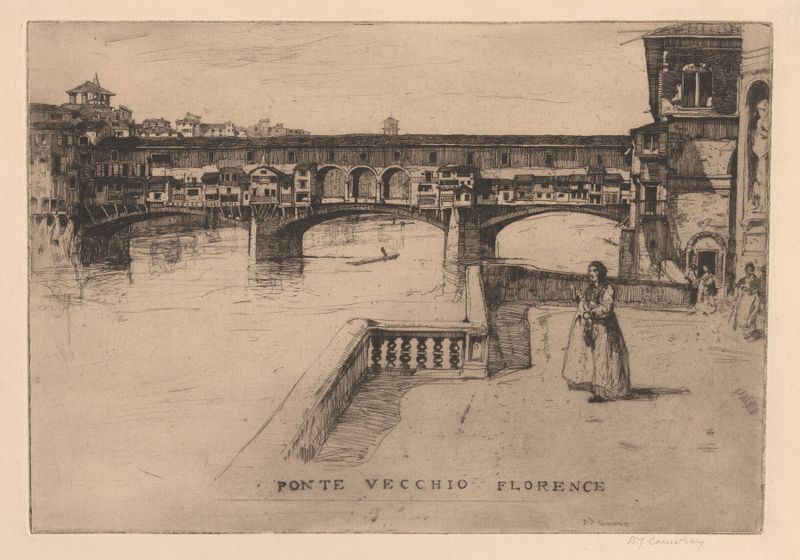
Ponte Vecchio
David Young Cameron

The Deanery, Winchester
David Young Cameron
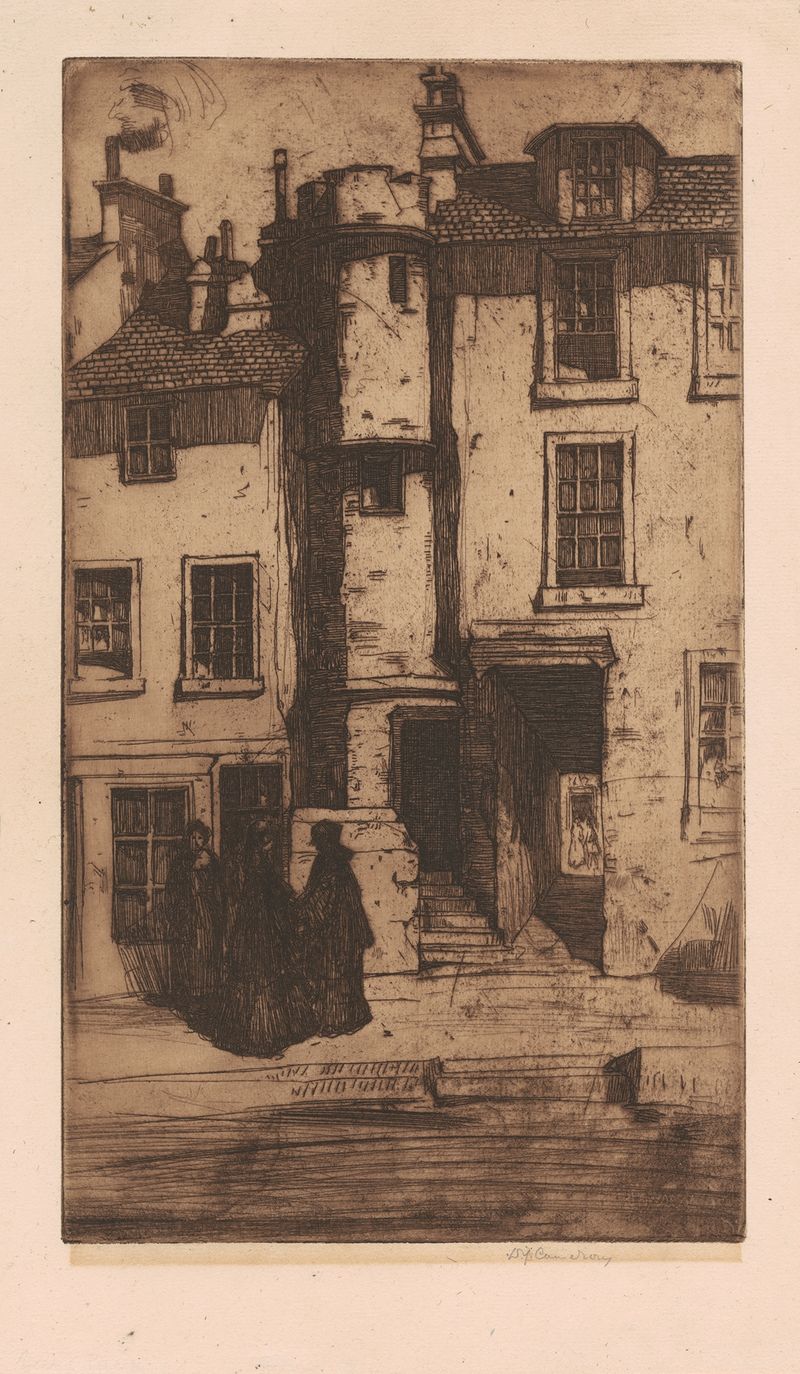
Old Houses, Stirling
David Young Cameron
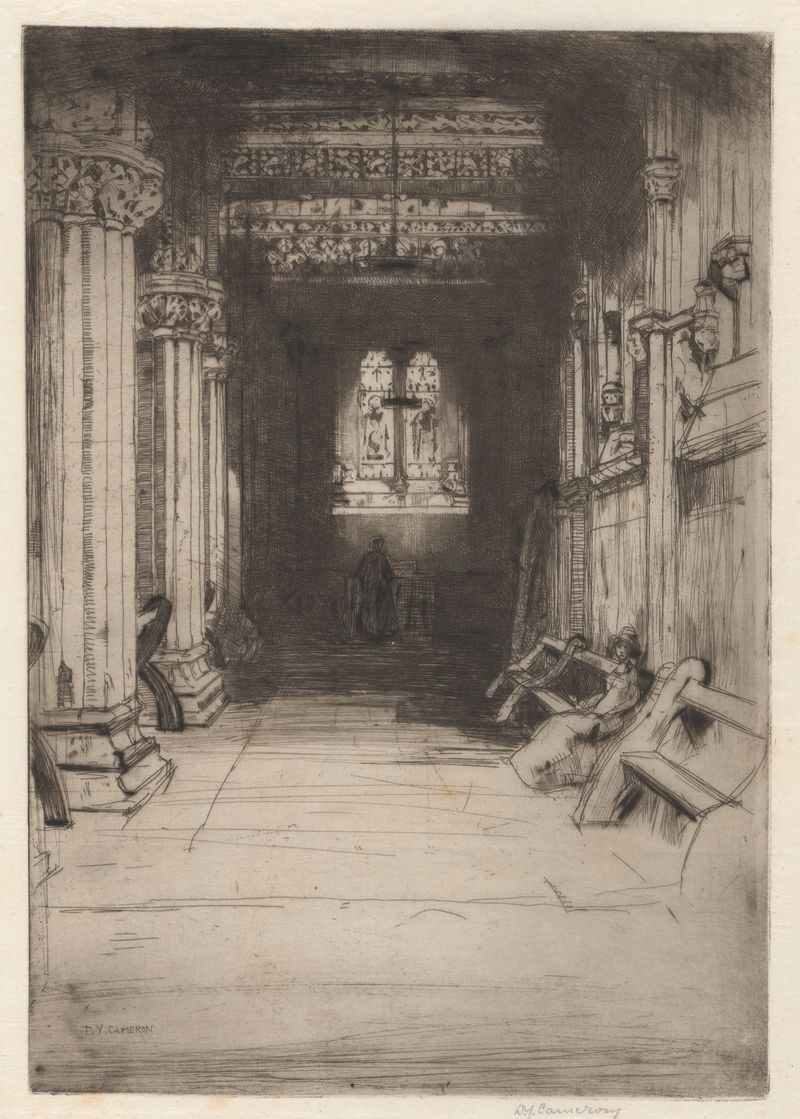
Rosslyn Chapel
David Young Cameron

The Old Museum, Beauvais
David Young Cameron
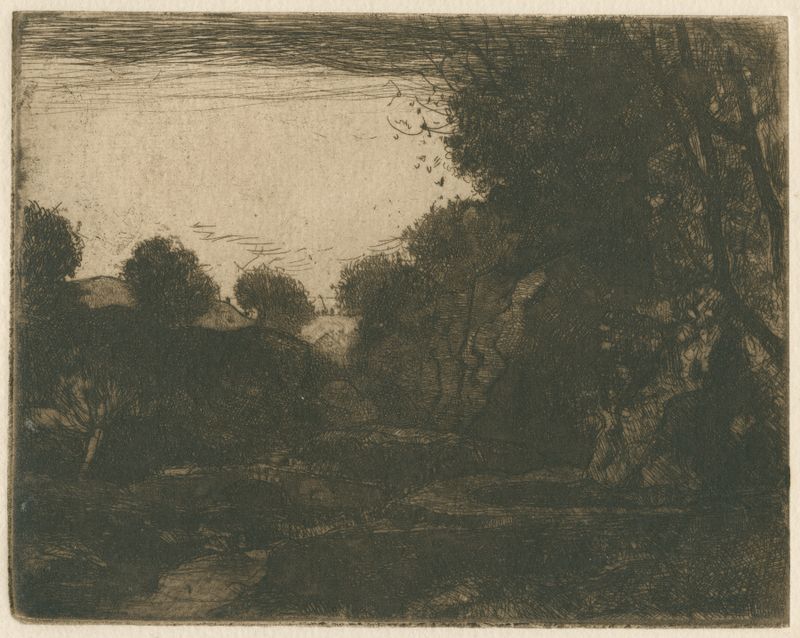
On the Bradford
David Young Cameron

The Smithy
David Young Cameron
Castle Moyle
David Young Cameron
Downing Street
David Young Cameron

Glasgow Cathedral
David Young Cameron
More Architecture Art
Browse all →
The statue of Liberty
Frédéric Auguste Bartholdi

View of Houses in Delft, Known as ‘The Little Street’
Johannes Vermeer

View of Houses in Delft, Known as ‘The Little Street’
Johannes Vermeer

The Cathedral in Rouen. The portal, Grey Weather
Claude Monet

The yellow house
Vincent van Gogh

The Church in Auvers-sur-Oise, View from the Chevet
Vincent van Gogh