
Notre Dame, Dinant — History & Facts
In the chaotic dance of existence, we find refuge in the stillness of creativity, and Notre Dame, Dinant encapsulates this truth beautifully. Look to the foreground, where the imposing silhouette of the cathedral rises, its Gothic spires piercing the tumultuous sky with a defiant grace. Notice the interplay of dark and light; the shadows enveloping the architecture sing of the turmoil surrounding it, while the soft illumination on the stone softens the edges of impending chaos. The artist employs a nuanced palette of greys and blues, evoking a sense of both serenity and unease, as if the very fabric of the scene is vibrating with latent tension. As you absorb the details, consider the contrast between the steadfast church and the swirling waters below, representing the unpredictable nature of life.
The tumult of the river echoes the chaos that often emerges in our souls, yet it is the cathedral that remains unmoved, a silent witness to the passage of time and the storms of humanity. Each brushstroke serves as a reminder of resilience amidst turmoil, urging viewers to find beauty in the struggle. David Young Cameron painted Notre Dame, Dinant in 1907, during a period marked by rapid change in the art world and society. Emerging from the influence of Impressionism, he sought to capture the essence of place with an innovative approach to landscape painting.
At this time, Europe was on the brink of conflict, and Cameron's work reflects both a personal introspection and a broader commentary on the tensions of the era, making this scene both timeless and timely.
More Artworks by David Young Cameron
Browse all →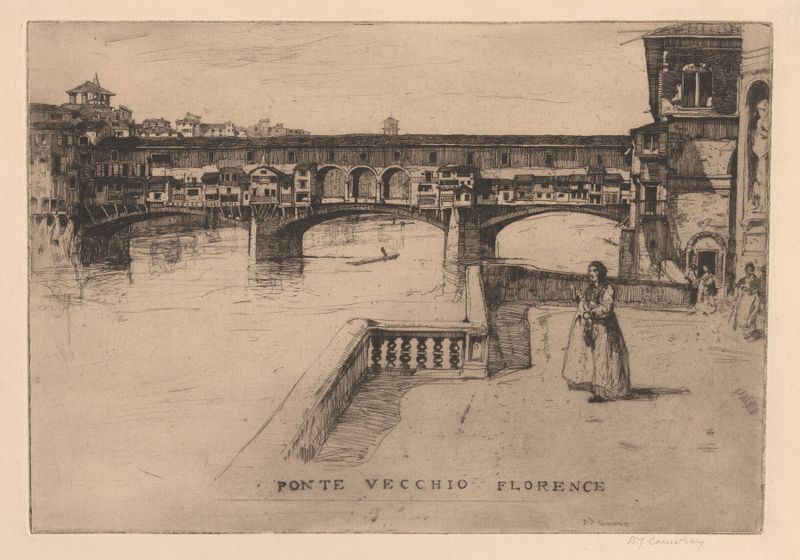
Ponte Vecchio
David Young Cameron

The Deanery, Winchester
David Young Cameron
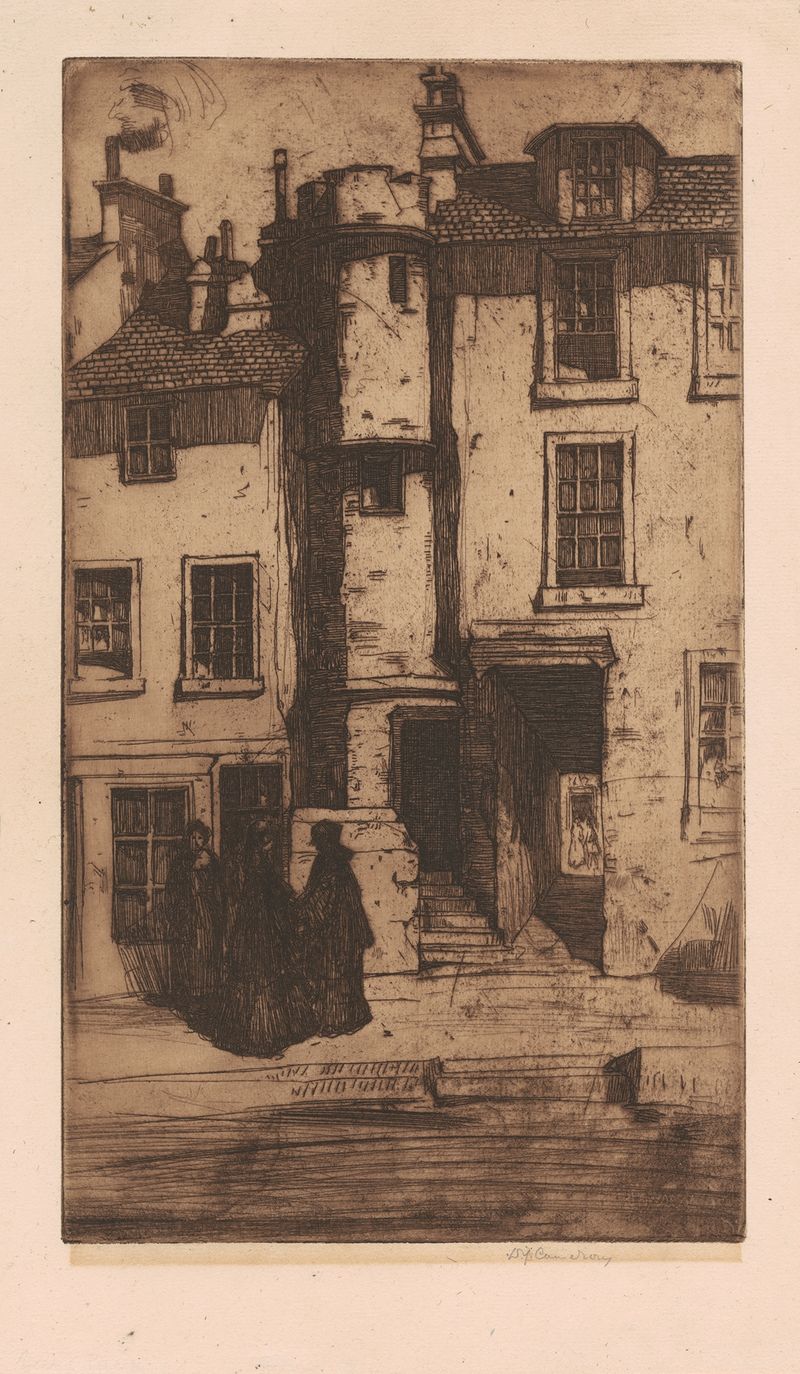
Old Houses, Stirling
David Young Cameron
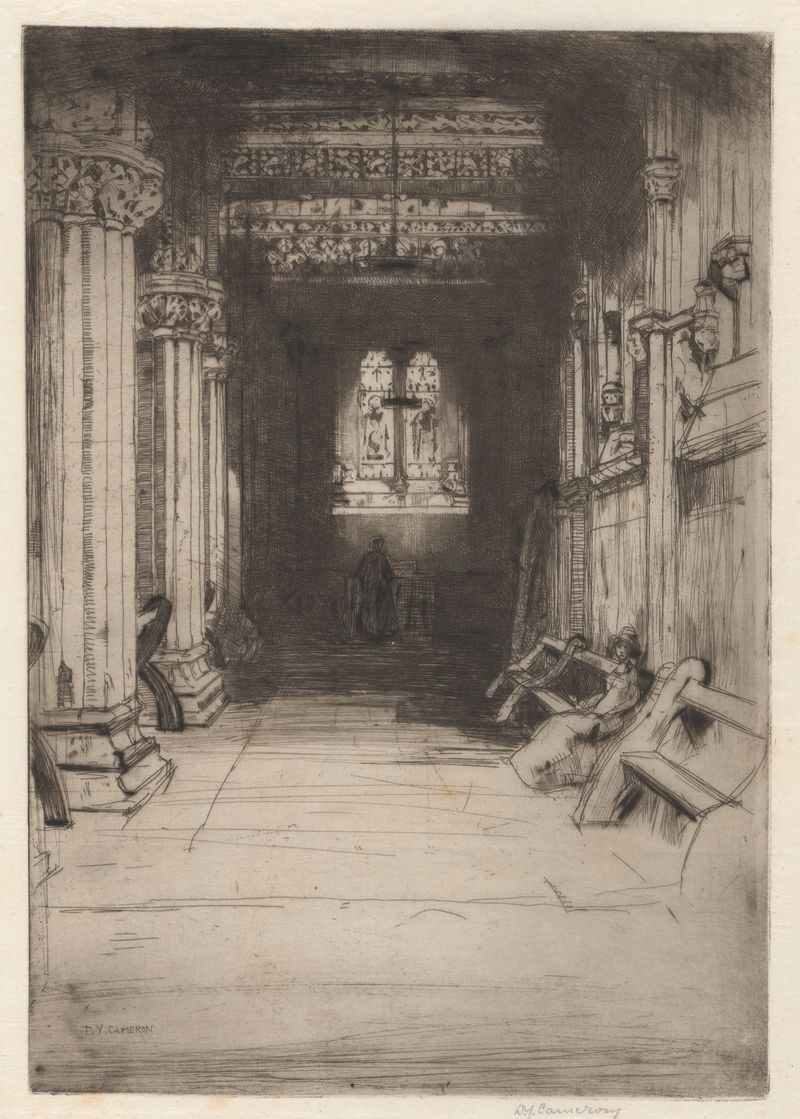
Rosslyn Chapel
David Young Cameron

The Old Museum, Beauvais
David Young Cameron
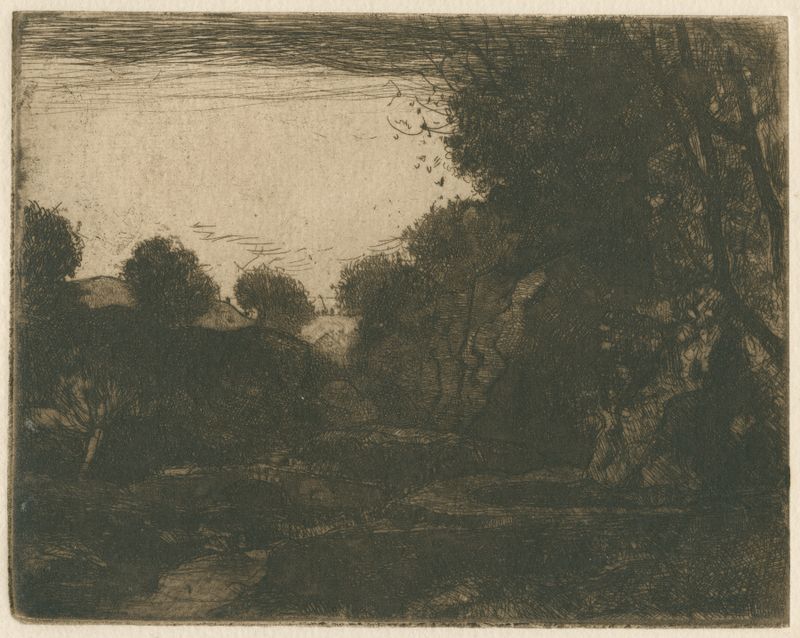
On the Bradford
David Young Cameron

The Smithy
David Young Cameron
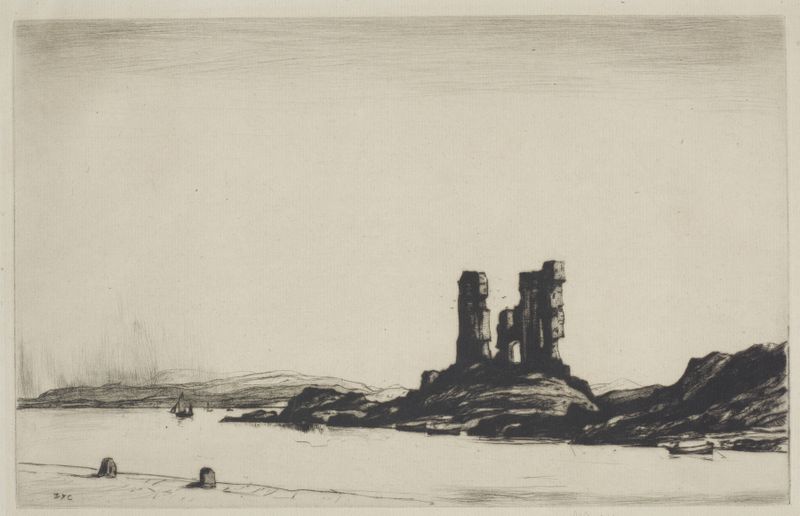
Castle Moyle
David Young Cameron
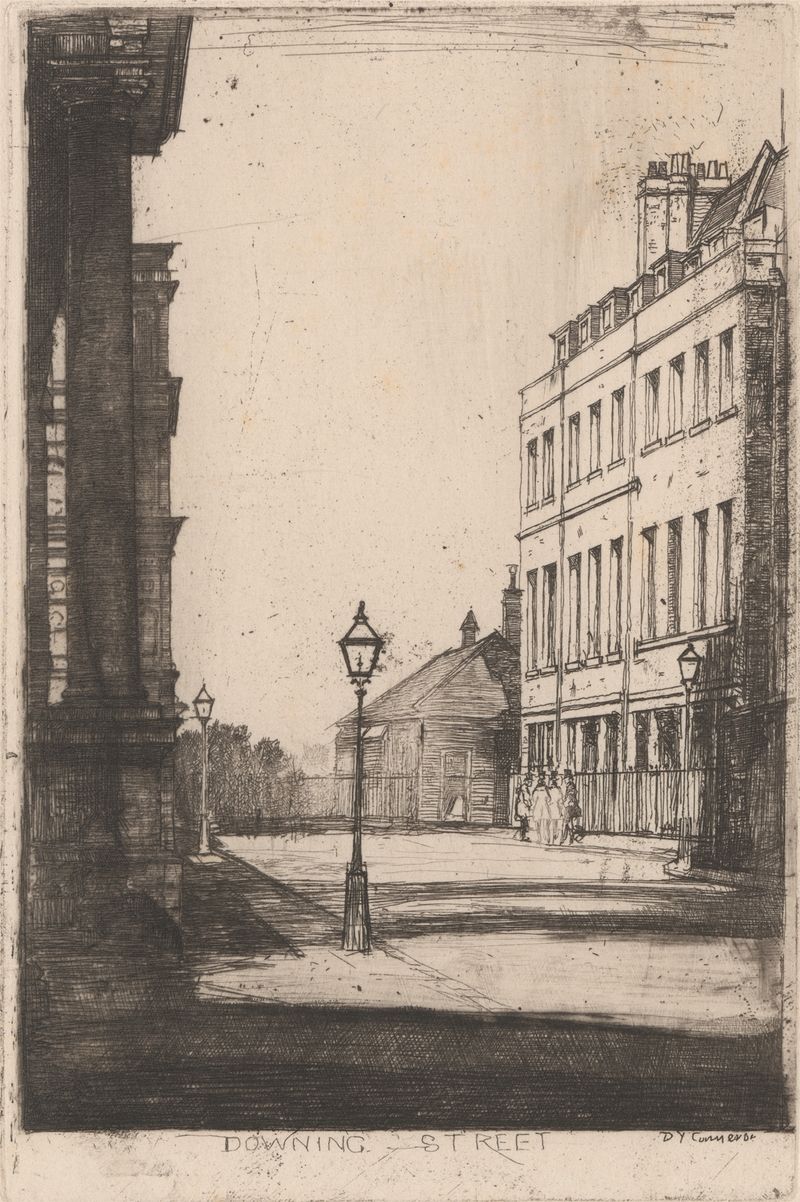
Downing Street
David Young Cameron

Glasgow Cathedral
David Young Cameron
More Architecture Art
Browse all →
The statue of Liberty
Frédéric Auguste Bartholdi

View of Houses in Delft, Known as ‘The Little Street’
Johannes Vermeer

View of Houses in Delft, Known as ‘The Little Street’
Johannes Vermeer

The Cathedral in Rouen. The portal, Grey Weather
Claude Monet

The yellow house
Vincent van Gogh

The Church in Auvers-sur-Oise, View from the Chevet
Vincent van Gogh