Notre Dame no. I — History & Facts
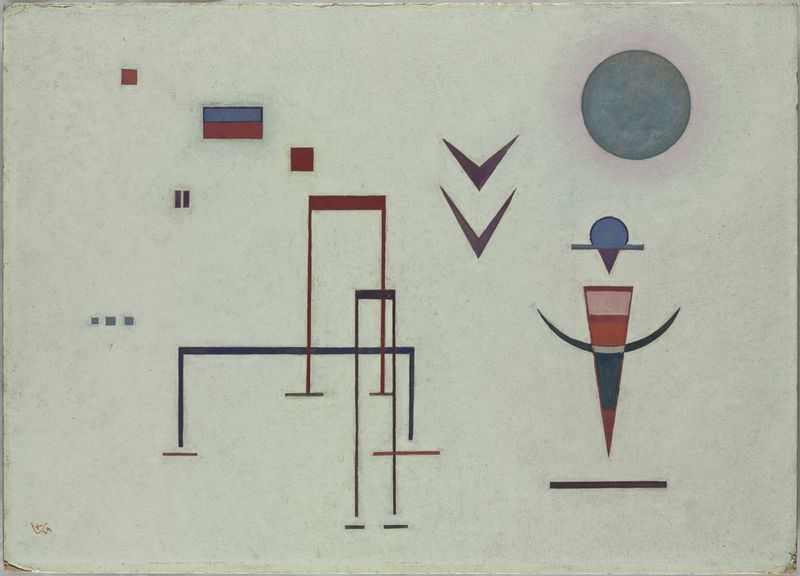
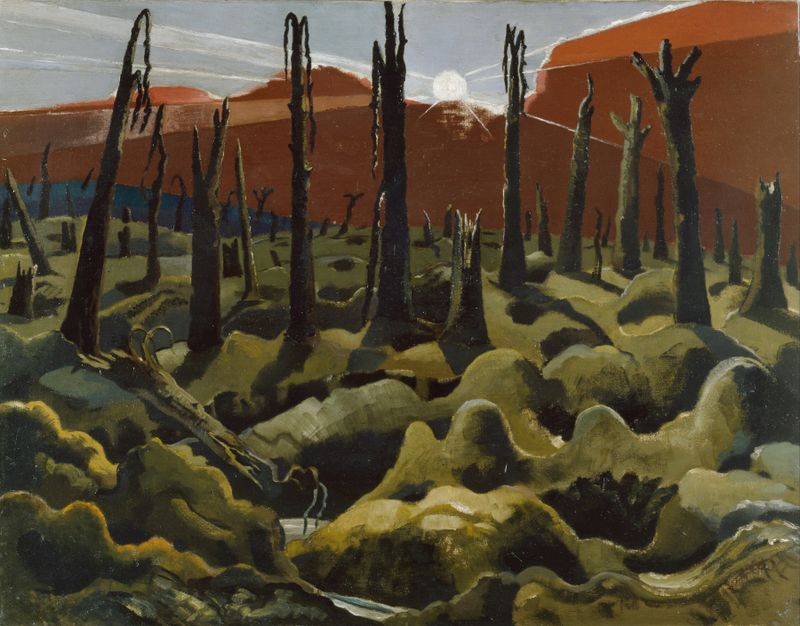
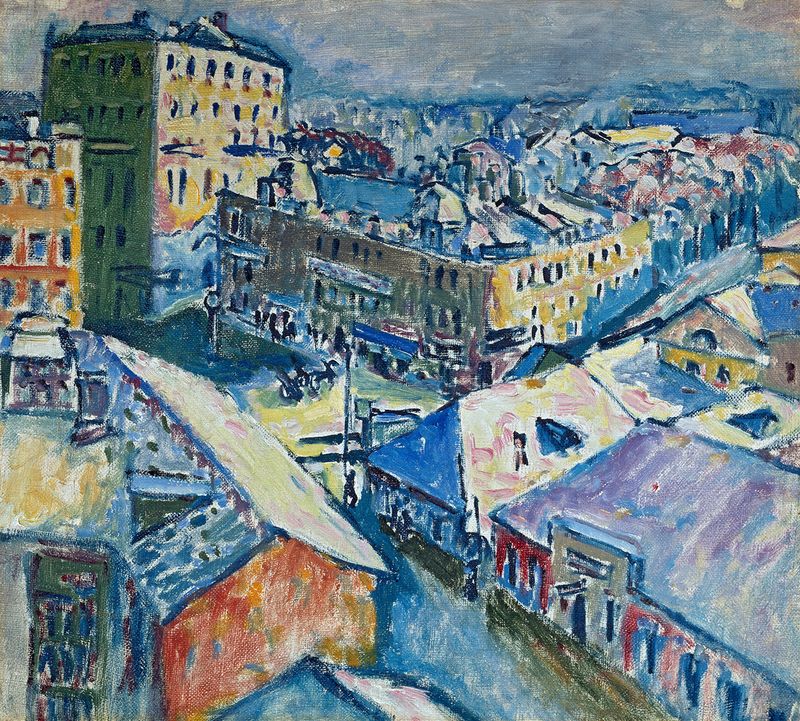
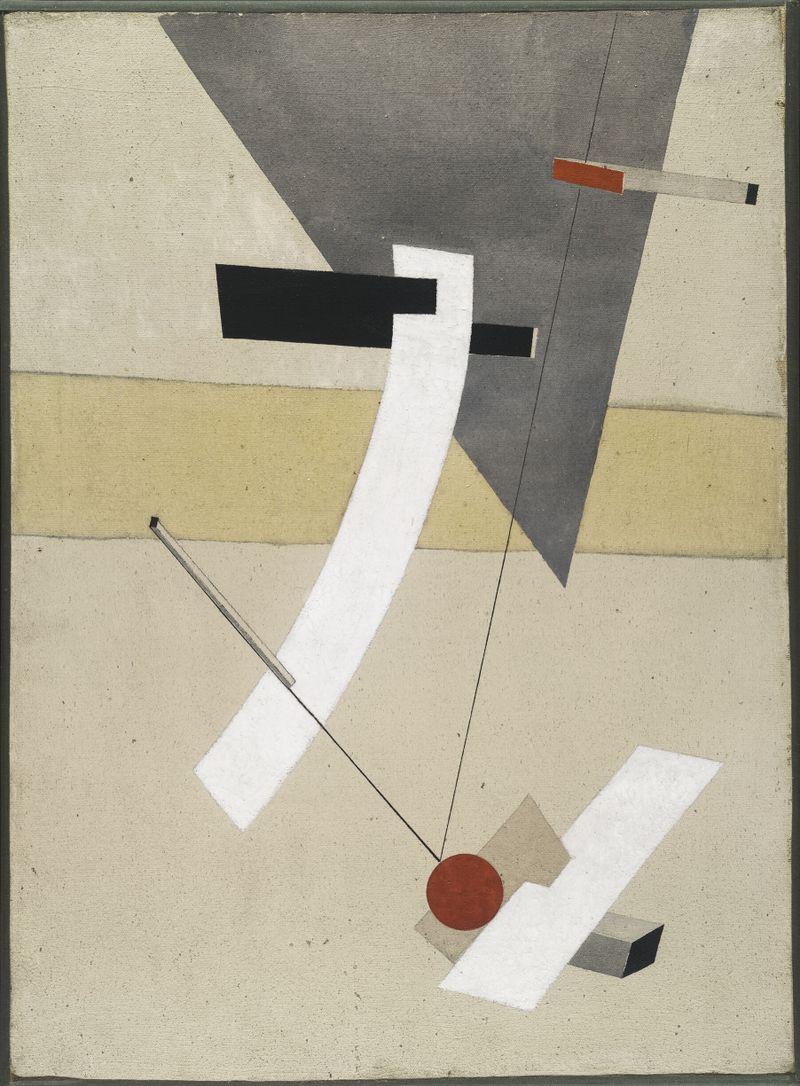
Can paint confess what words never could? In the quiet prowess of abstraction, the hues and forms transform into a visual language, whispering secrets of transcendence beyond verbal expression. Look to the center of the canvas, where vibrant strokes converge in a dance of colors that suggest an ethereal light emanating from within. The layered textures invite your gaze deeper, revealing a complex interplay of blues, golds, and hints of crimson. Each stroke is deliberate yet spontaneous, creating a rhythm that draws the eye across the surface, as if the painting breathes and pulses with life.
The contrast between light and shadow enhances the illusion of depth, making the viewer feel as if they're gazing into a sacred space. Within this composition lies an exploration of duality—between chaos and harmony, the physical and the spiritual. Subtle hints of the Gothic architecture of Notre Dame are interwoven, evoking both the monumentality of faith and the fragility of existence. The notion of transcendence permeates the canvas, suggesting an escape from the mundane into a realm of the divine, inviting reflections on the nature of belief and connection to something greater than oneself. The painting emerged from the penumbra of the early 20th century, a time defined by experimentation and the search for new artistic languages.
In this period, Scott explored abstraction against the backdrop of an ever-changing world, drawing inspiration from both the spiritual and the artistic movements surrounding him. His work encapsulates the conversation between tradition and modernity, positioning itself within the larger narrative of artistic evolution.
More Artworks by Frank Edwin Scott
Browse all →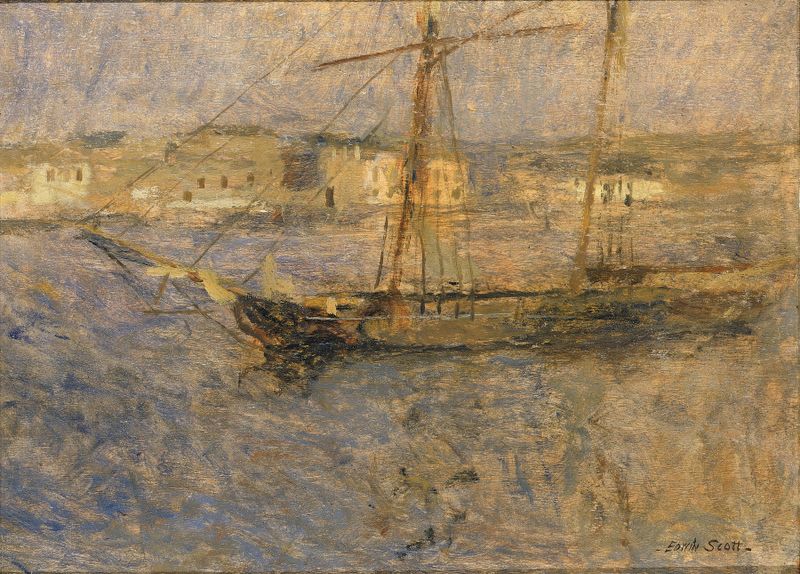
Ships at Anchor, Cherbourg no. I
Frank Edwin Scott
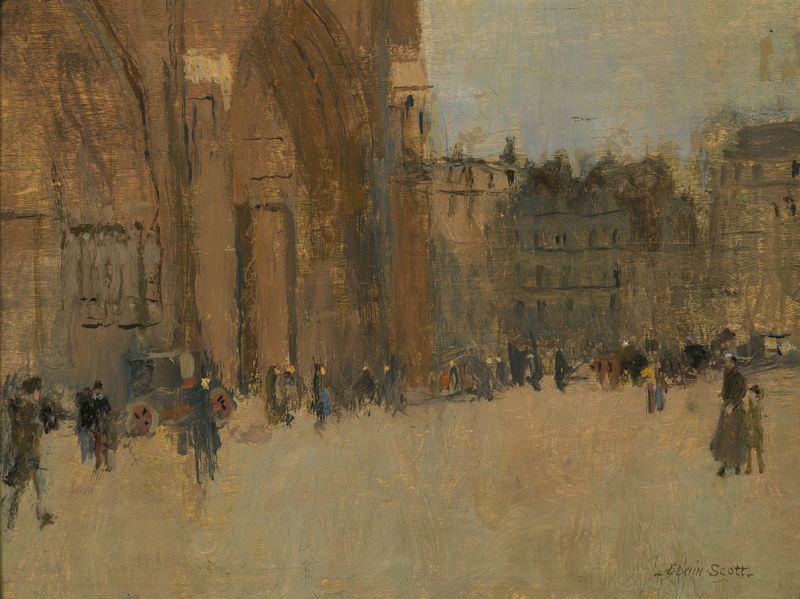
Notre Dame no. III
Frank Edwin Scott
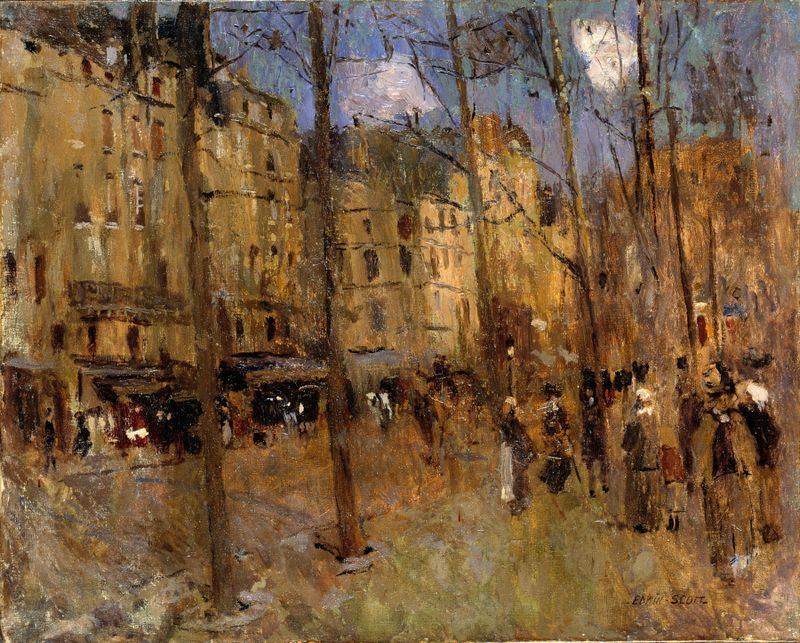
Boulevard St. Germain
Frank Edwin Scott
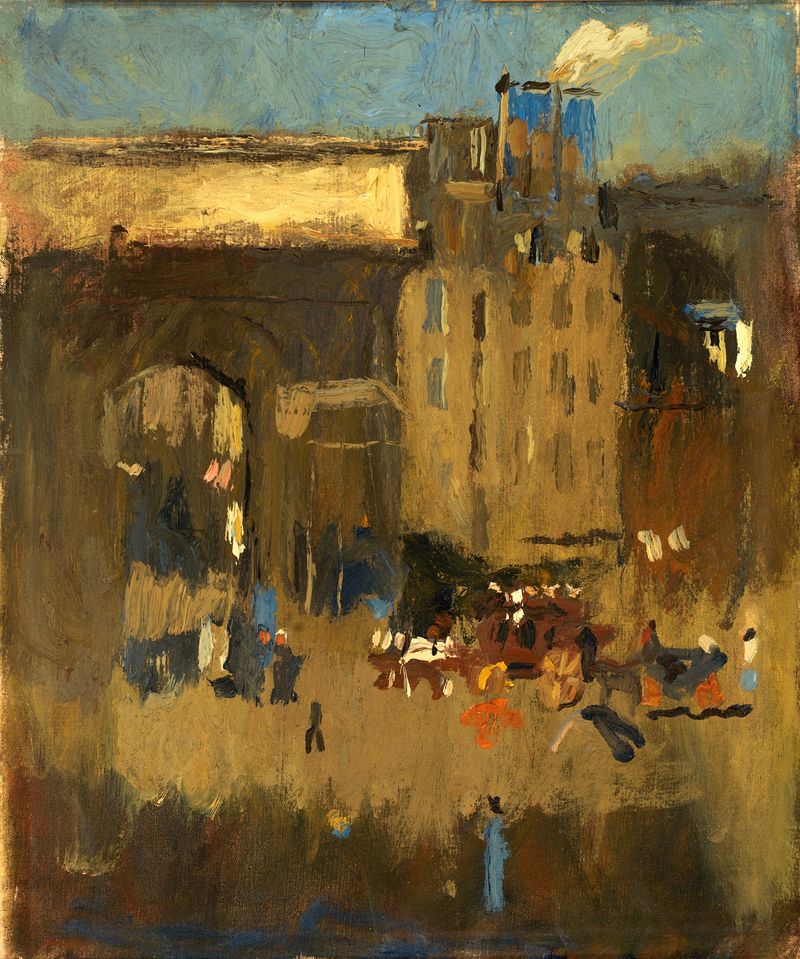
Porte St. Martin et Enterrement
Frank Edwin Scott
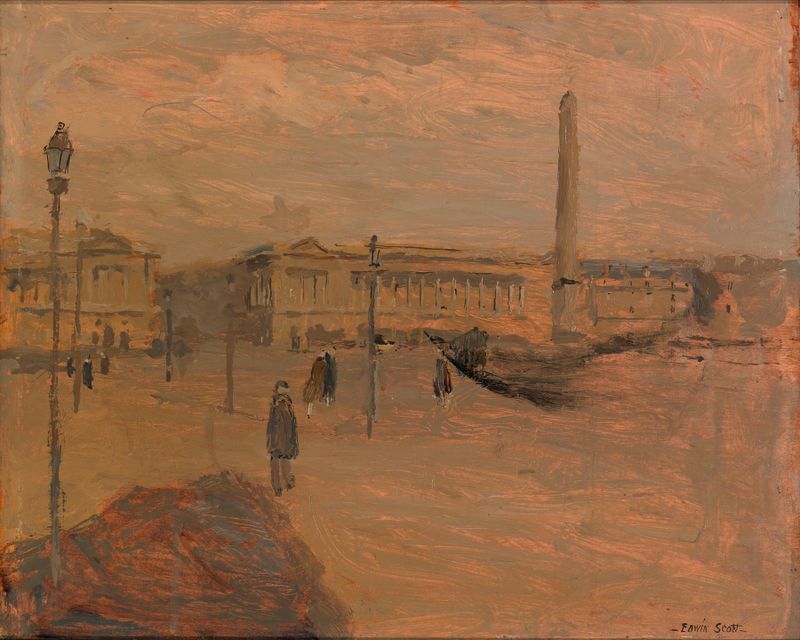
La Concorde
Frank Edwin Scott
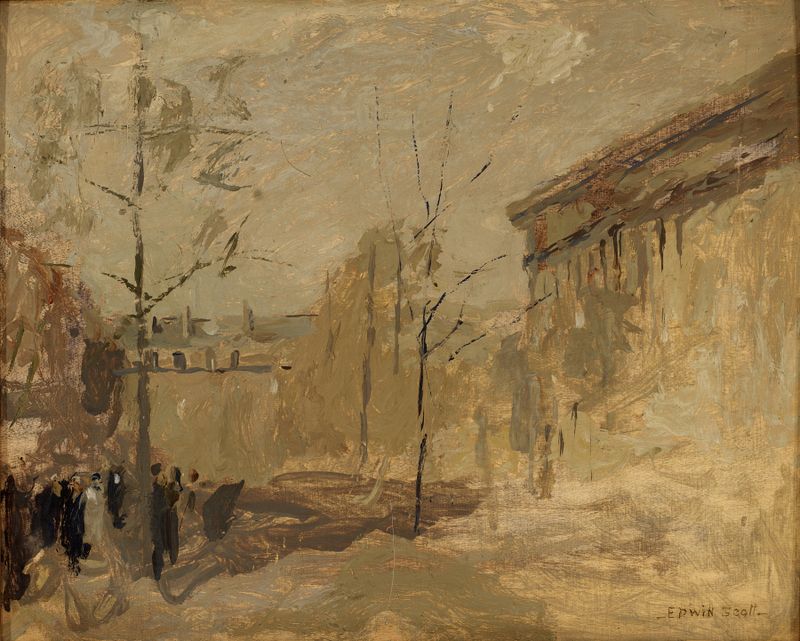
Place de la Madeleine no. II
Frank Edwin Scott
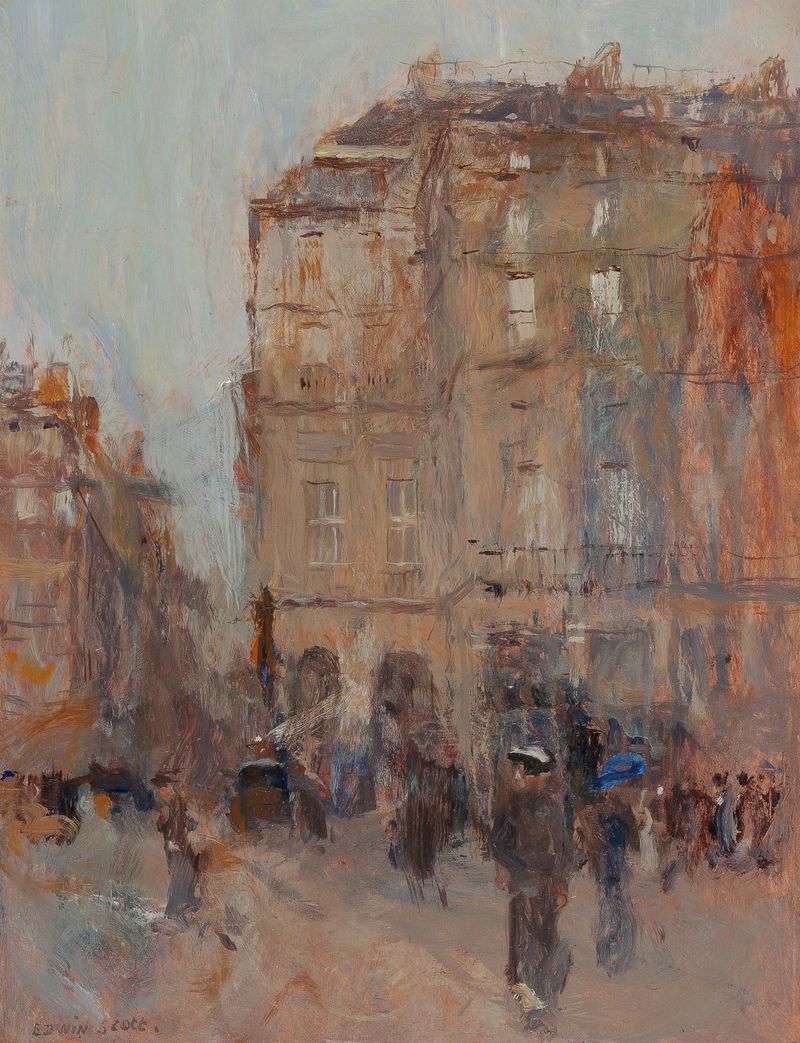
A Gray Day in Paris
Frank Edwin Scott
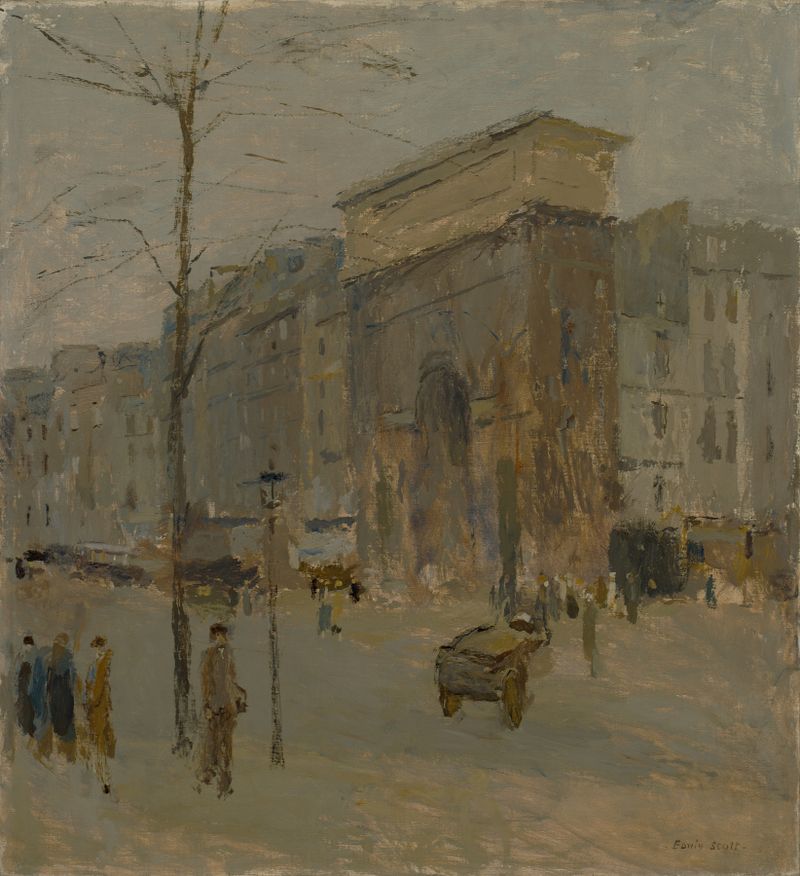
Porte St. Martin no. II
Frank Edwin Scott
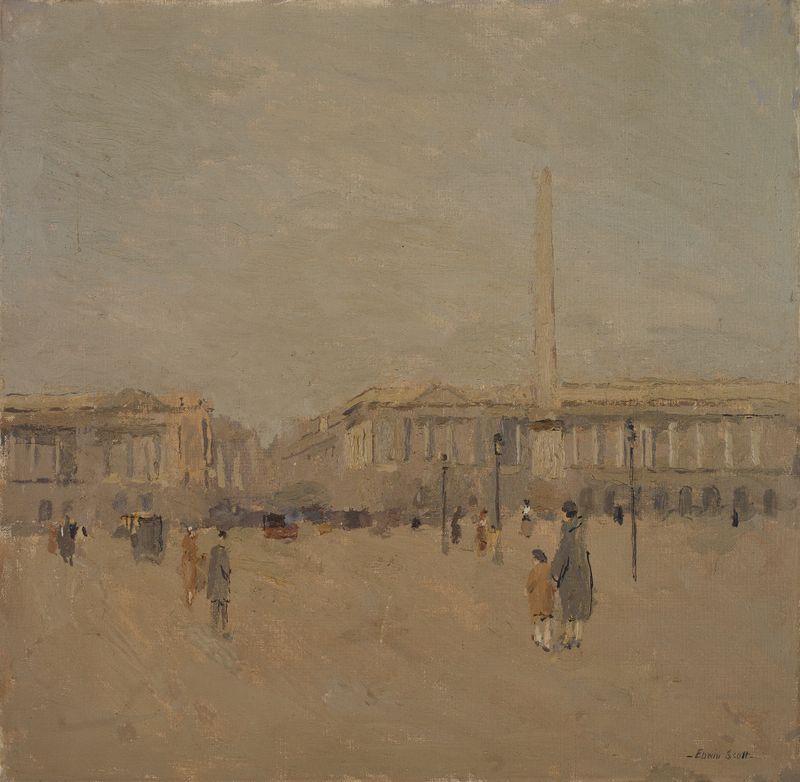
Place de la Concorde no. II
Frank Edwin Scott
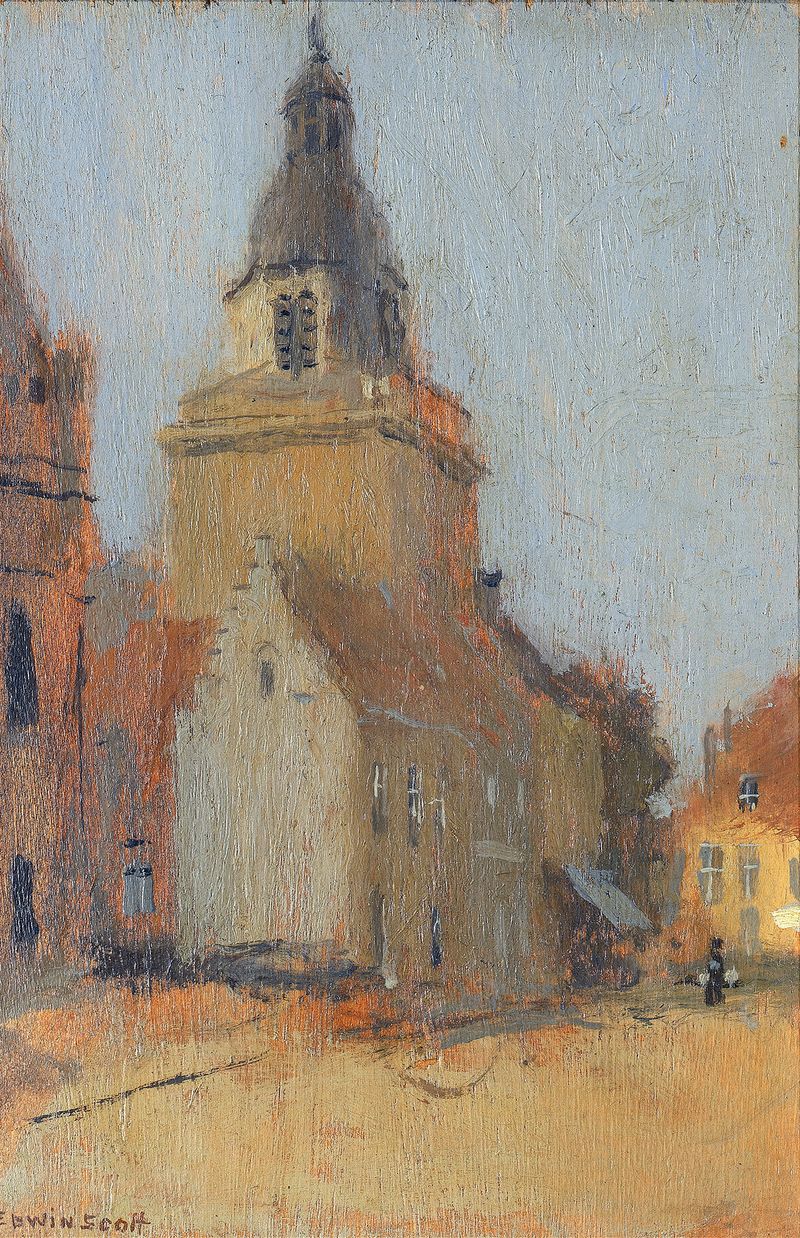
Eglise de Ville
Frank Edwin Scott