
Notre Dame no. II — History & Facts
In the quiet depths of loss lies a profound beauty, a resonance that echoes through each careful stroke of paint. It reminds us that even in absence, there exists a spectrum of emotion waiting to be unveiled. Look to the soft hues that envelop the canvas, where shades of gray and muted tones converge to form the solemn silhouette of an architectural marvel. Notice how the light dances delicately across the surface, illuminating the intricate details while casting shadows that suggest both reverence and mourning.
The artist’s choice of palette creates a sense of nostalgia, guiding the viewer's gaze across the haunting beauty of the structure, as if it were a lingering memory suspended in time. Within this composition, layers of meaning emerge—grief intertwined with admiration, loss mingling with legacy. The interplay of light and dark not only draws attention to the grand form of Notre Dame but also hints at the fragility of existence; what was once a beacon of faith and culture now stands as a testament to endurance amidst devastation. Each brushstroke carries the weight of history, inviting contemplation of what has been irretrievably altered, yet still holds significance. Frank Edwin Scott created this artwork during a period of introspection, although the exact date of its completion remains unknown.
During his lifetime, he was immersed in the world of evolving artistic movements, often reflecting the emotional landscape of his surroundings. At a time when the fragility of architectural and cultural monuments was becoming increasingly apparent, Scott's work resonates as both a tribute and a remembrance, capturing the essence of what is lost yet forever cherished.
More Artworks by Frank Edwin Scott
Browse all →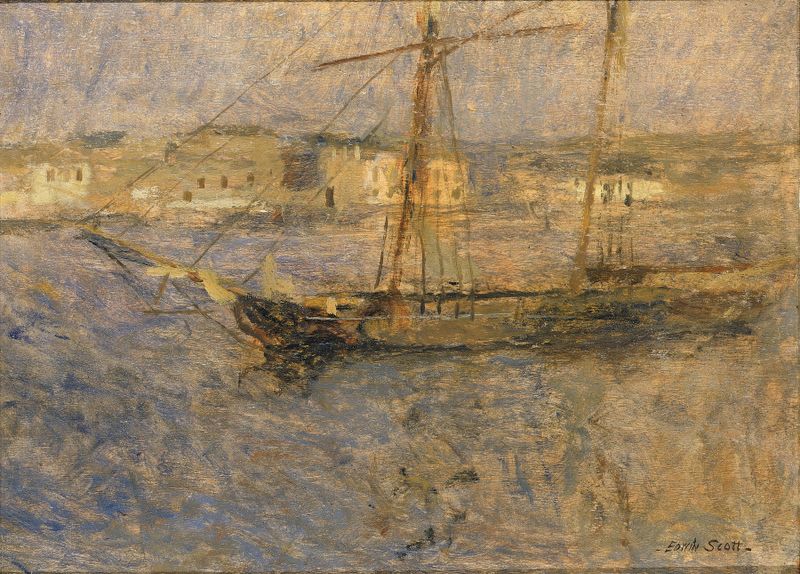
Ships at Anchor, Cherbourg no. I
Frank Edwin Scott
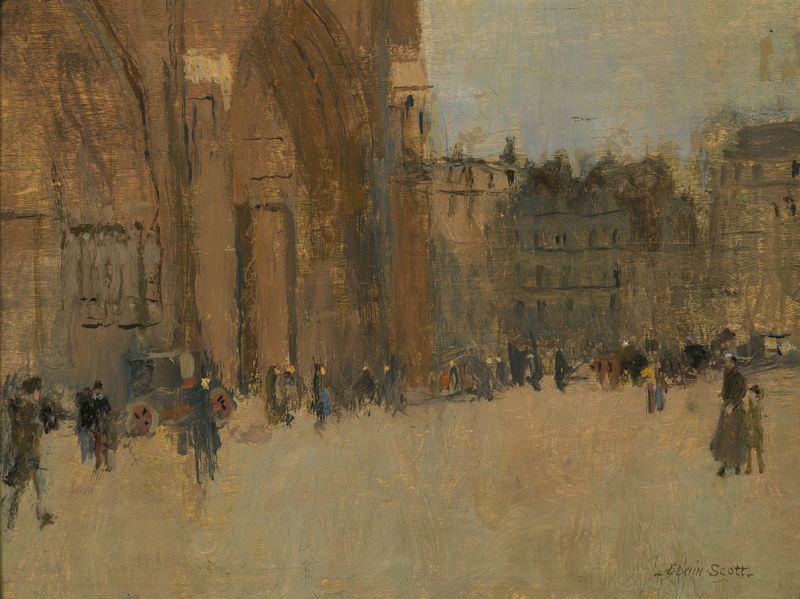
Notre Dame no. III
Frank Edwin Scott
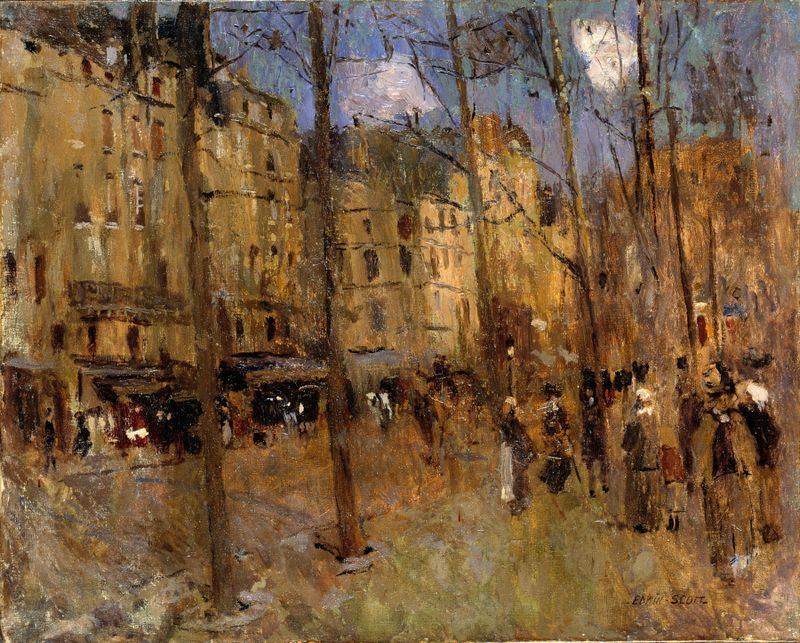
Boulevard St. Germain
Frank Edwin Scott
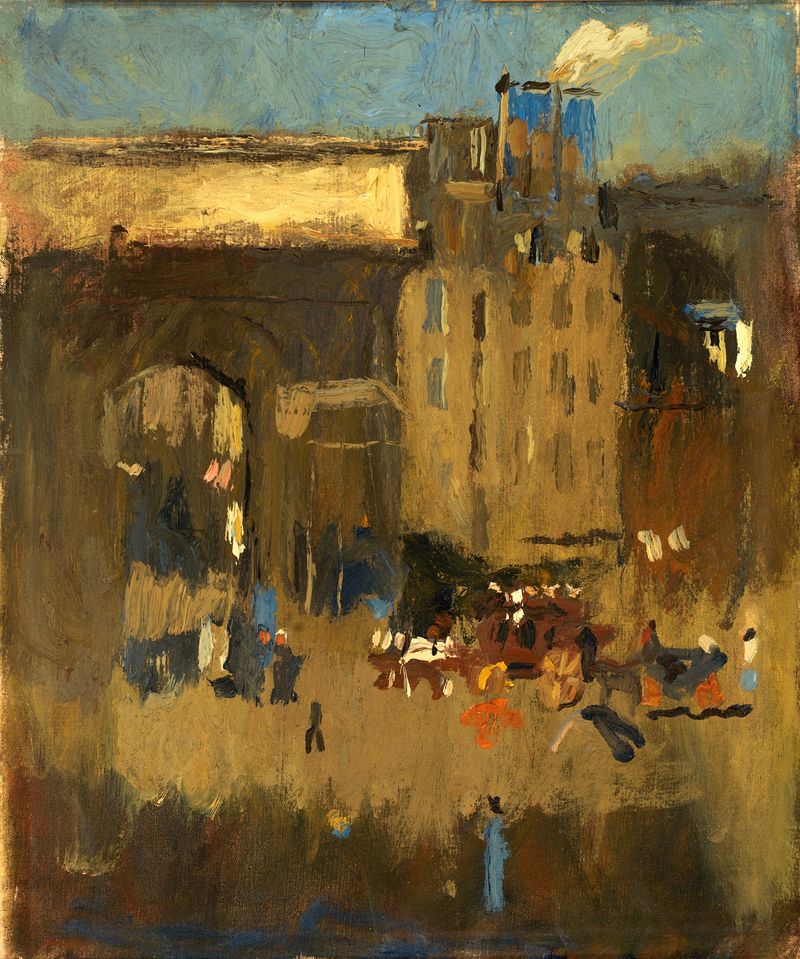
Porte St. Martin et Enterrement
Frank Edwin Scott
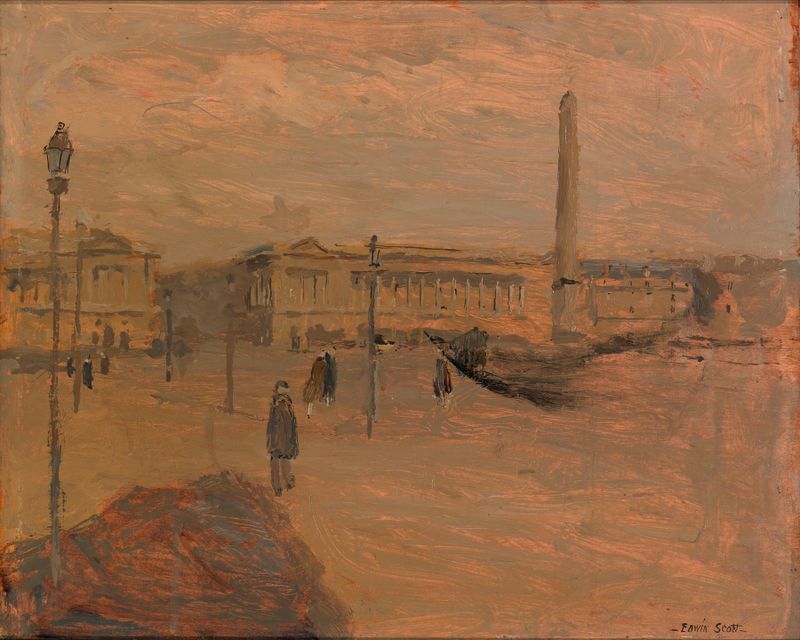
La Concorde
Frank Edwin Scott
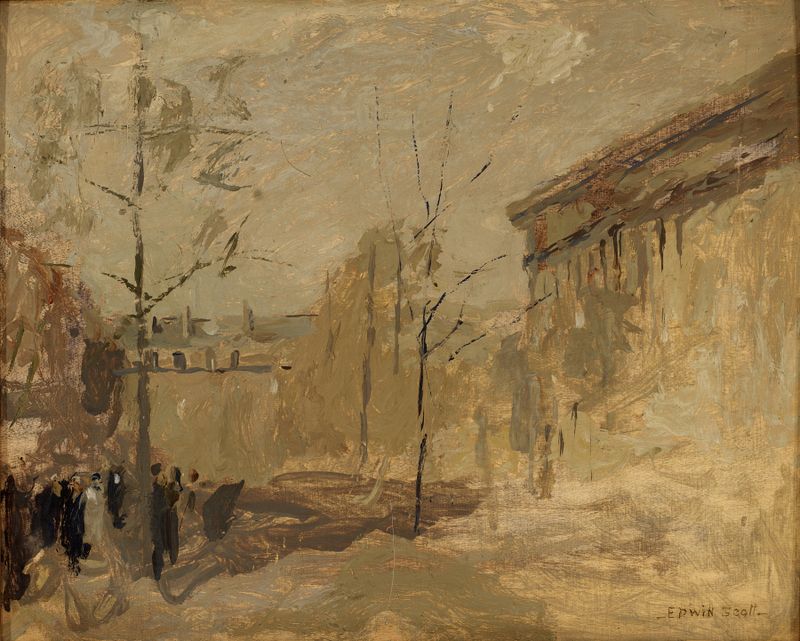
Place de la Madeleine no. II
Frank Edwin Scott
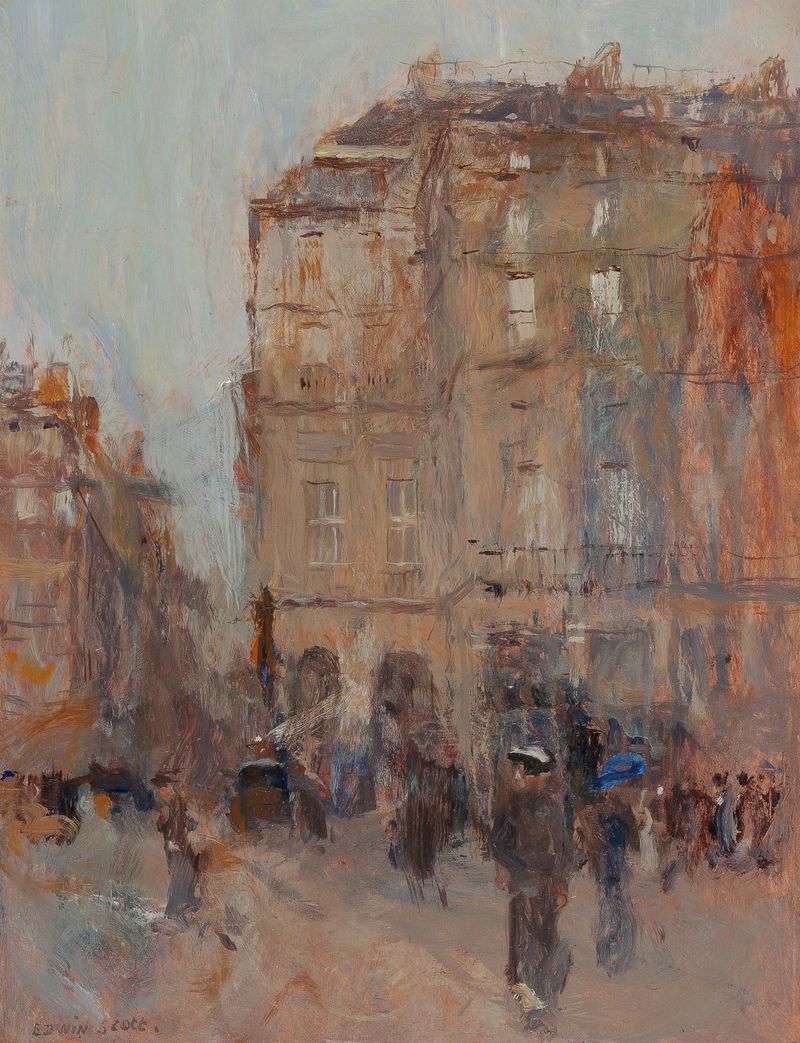
A Gray Day in Paris
Frank Edwin Scott
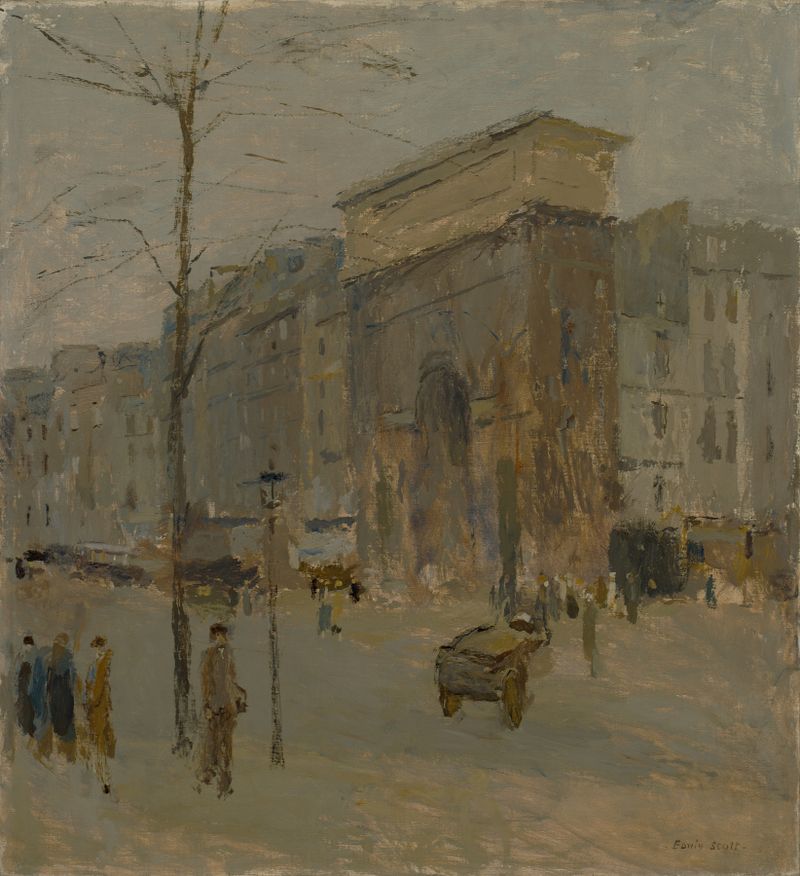
Porte St. Martin no. II
Frank Edwin Scott
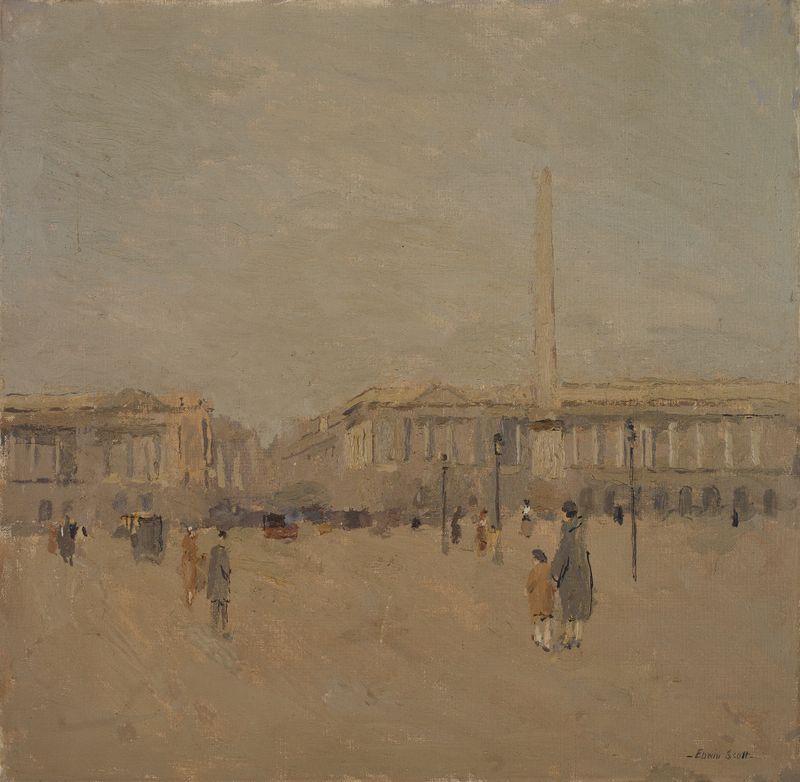
Place de la Concorde no. II
Frank Edwin Scott
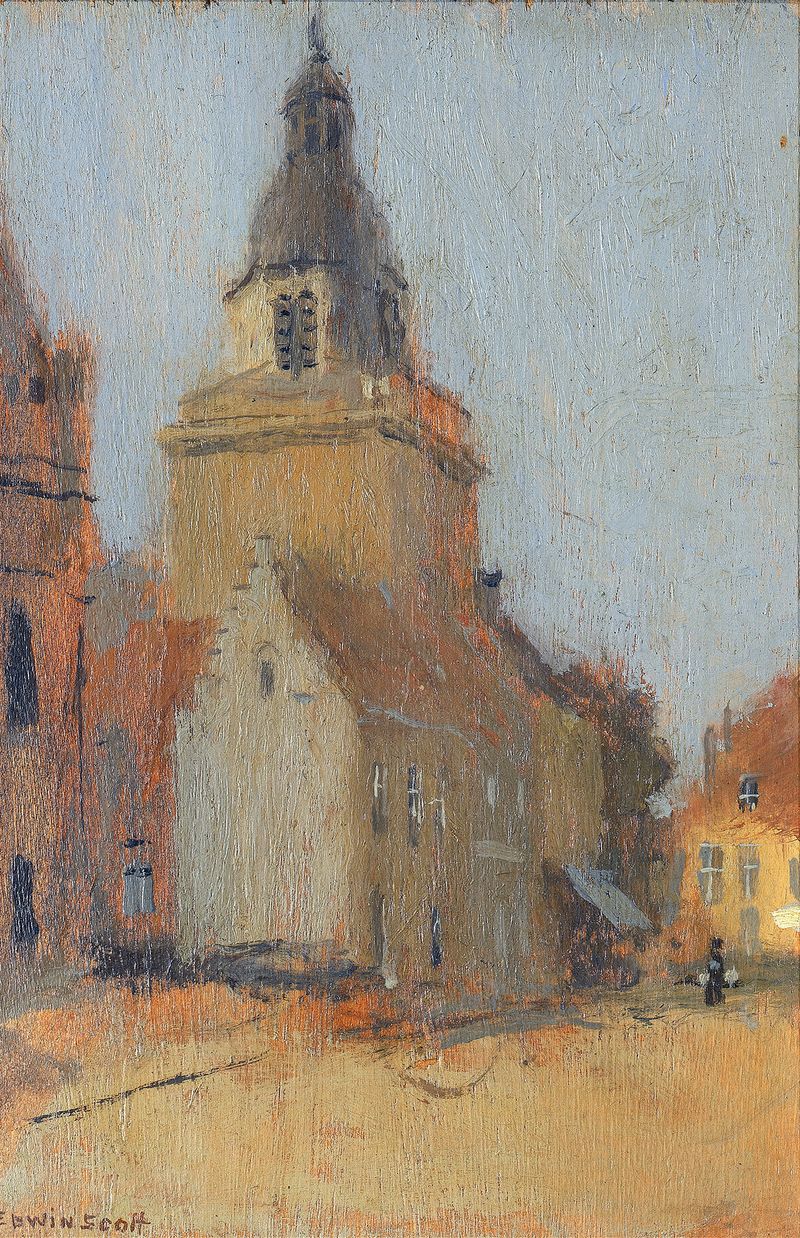
Eglise de Ville
Frank Edwin Scott
More Architecture Art
Browse all →
The statue of Liberty
Frédéric Auguste Bartholdi

View of Houses in Delft, Known as ‘The Little Street’
Johannes Vermeer

View of Houses in Delft, Known as ‘The Little Street’
Johannes Vermeer

The Cathedral in Rouen. The portal, Grey Weather
Claude Monet

The yellow house
Vincent van Gogh

The Church in Auvers-sur-Oise, View from the Chevet
Vincent van Gogh