
Notre Dame, Paris — History & Facts
Can beauty exist without sorrow? In the shadows of grandeur, profound questions often linger, steeped in the elegance of what is both lost and cherished. Focus on the delicate interplay of light and shadow as you gaze at the intricate architectural details of the famed cathedral, soaring majestically against a cloudy sky. Notice how Lundy captures the essence of Notre Dame with deft brushstrokes, emphasizing the interplay of deep blues and soft grays that create a moody yet reverent atmosphere. Your eyes are drawn first to the soaring spires, which seem to reach for the heavens, a reminder of humanity's aspirations and the weight of history that haunts these stones. Hidden within the serenity of this scene are echoes of turmoil.
The balance between the organic curves of the cathedral's architecture and the rigid lines of the surrounding urban environment emphasize a tension between nature and man-made structures. Furthermore, the muted colors suggest a nostalgia, a longing for a time when beauty was untainted by the passage of years. Underneath it all lies a silent acknowledgment of the sacrifices and stories embedded within the walls of Notre Dame, grounding its beauty in an unshakeable sense of sorrow. In 1949, Lundy created this piece during a period of post-war recovery in Europe, a time when many artists sought to redefine beauty in a world marked by devastation.
Living in New York, he was influenced by the modernism movement, yet he retained a deep reverence for historical architecture. The juxtaposition of the historic Notre Dame against the backdrop of a changing cityscape reflects his fascination with the convergence of past and present, a conversation that continues to resonate today.
More Artworks by Victor Alfred Lundy
Browse all →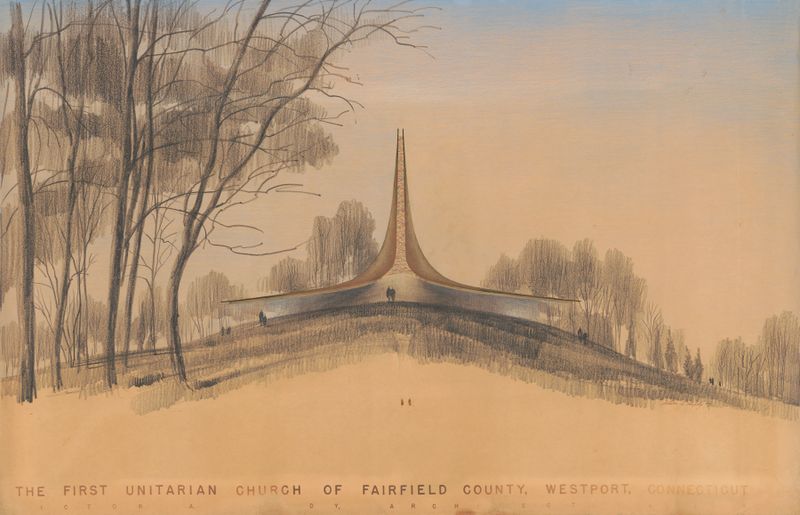
First Unitarian Church, Westport, Connecticut, Exterior
Victor Alfred Lundy

Residence for Mr. and Mrs. Ben Heller, East Hampton, Long Island, New York, Beach site
Victor Alfred Lundy

Church on plaza, Mexico
Victor Alfred Lundy

Rue Saint Julien le Pauvre, Paris 5e
Victor Alfred Lundy
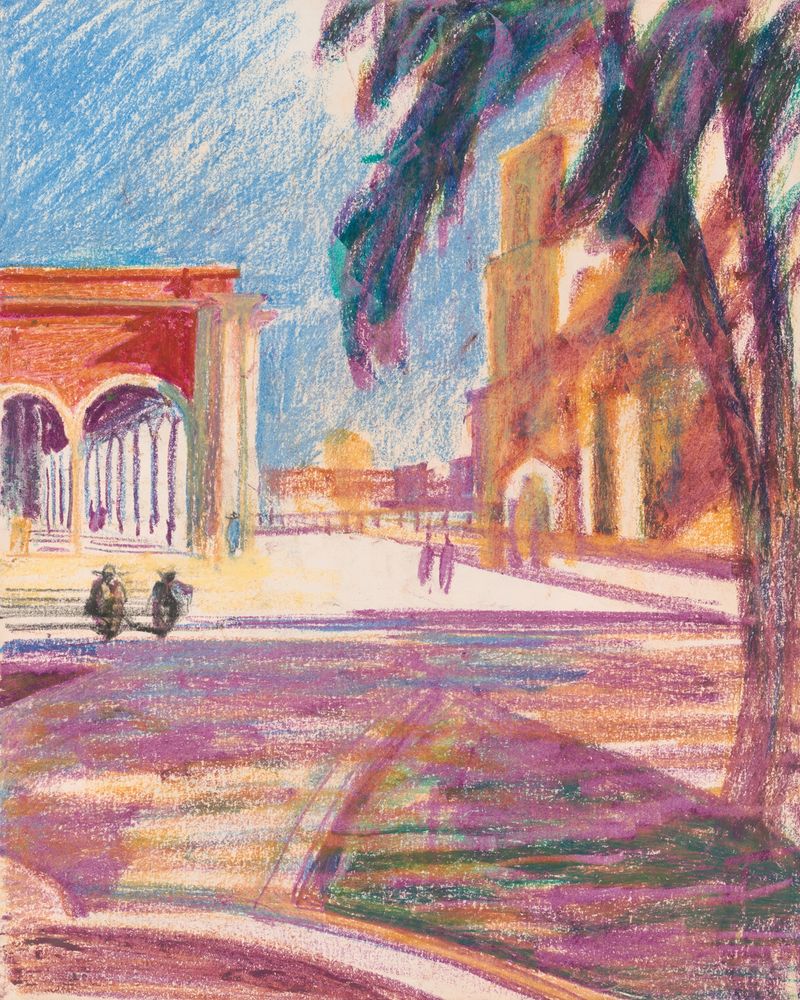
Plaza, Nochistlá́n, Mexico
Victor Alfred Lundy

Temple of Luxor
Victor Alfred Lundy

Trevi Fountain, Rome, Italy
Victor Alfred Lundy
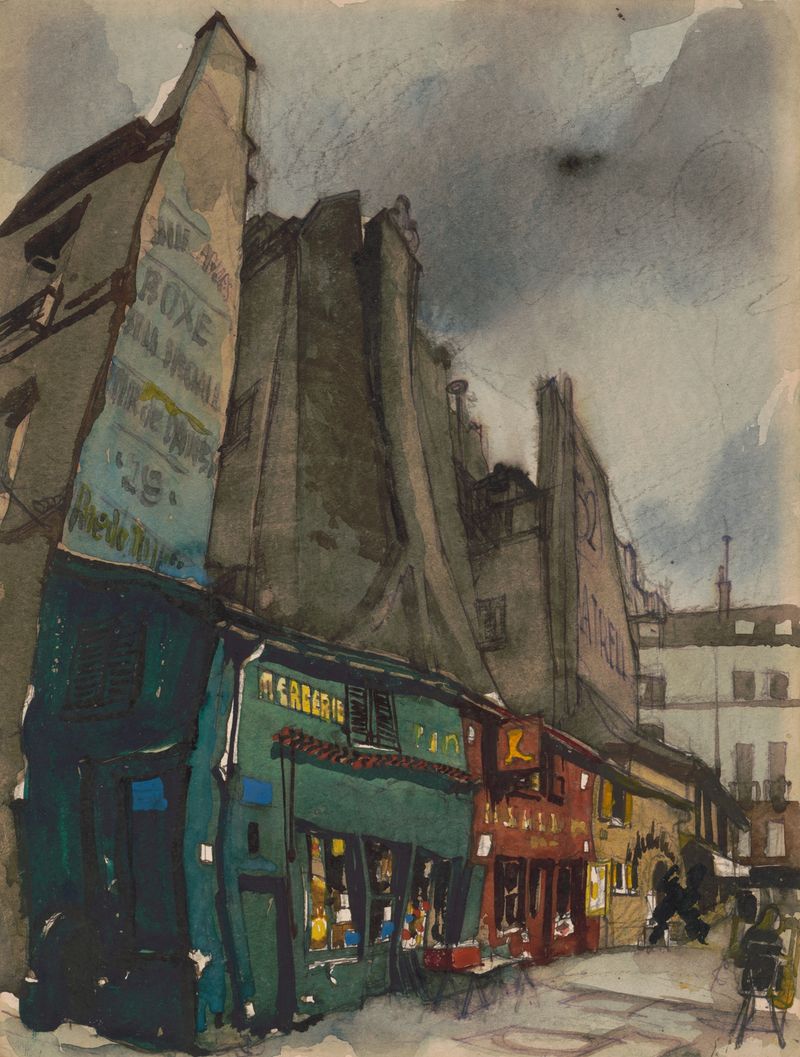
Place St. André des Arts, Paris between Rue Suger & Rue St. André des Arts
Victor Alfred Lundy
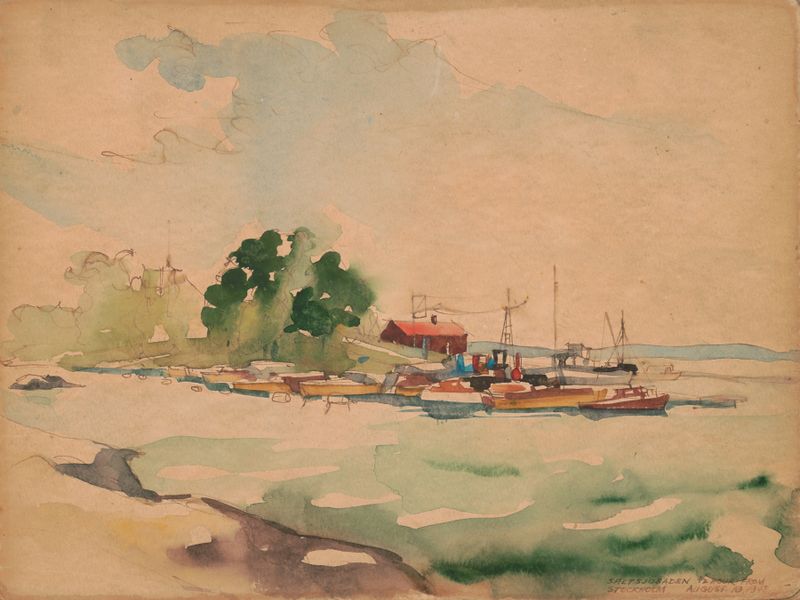
Saltsjöbaden, Half hour from Stockholm
Victor Alfred Lundy
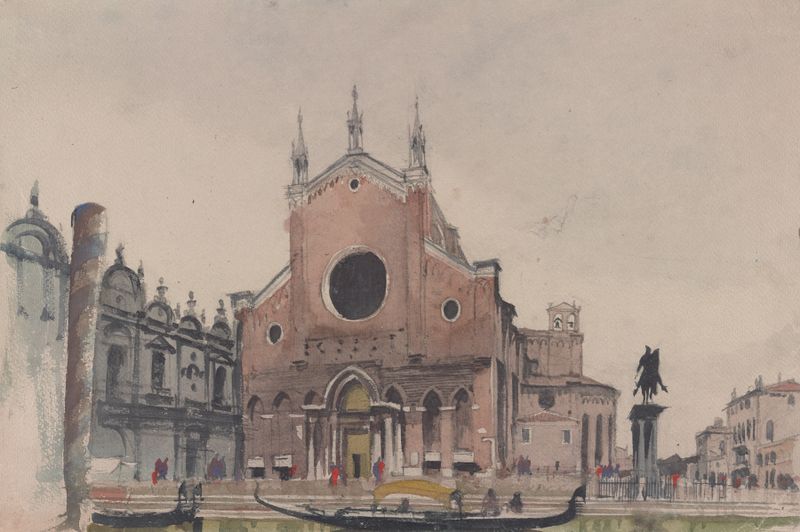
Santi Giovanni e Paolo, statue of Bartolomeo Colleoni (Verrochio), Scuola di San Marco, Venezia
Victor Alfred Lundy
More Architecture Art
Browse all →
The statue of Liberty
Frédéric Auguste Bartholdi

View of Houses in Delft, Known as ‘The Little Street’
Johannes Vermeer

View of Houses in Delft, Known as ‘The Little Street’
Johannes Vermeer

The Cathedral in Rouen. The portal, Grey Weather
Claude Monet

The yellow house
Vincent van Gogh

The Church in Auvers-sur-Oise, View from the Chevet
Vincent van Gogh