
Trevi Fountain, Rome, Italy — History & Facts
Could a single brushstroke hold eternity? In Victor Alfred Lundy's Trevi Fountain, the essence of a moment is captured, inviting viewers into a void filled with history, longing, and dreams. As you engage with the canvas, look to the center where the fountain flows with a gentle radiance, illuminated by a soft play of light. Notice the fluidity of the brushwork, each stroke contributing to the dynamic motion of water, while the surrounding architecture frames it like a theatrical backdrop. The palette, a blend of warm and cool hues, evokes a sense of nostalgia and reverence, drawing the eye in with a tranquil yet vibrant energy. Delve into the contrasts present in the composition—the way the rugged stone of the fountain stands steadfast against the ephemeral nature of the water cascading down.
This interplay symbolizes the dichotomy of permanence and transience, beckoning one to reflect on the weight of history that the fountain bears, while also embracing the fleeting wishes cast as coins into its depths. Each detail, from the delicate figures sculpted in stone to the rippling reflections on the water's surface, holds a story of desires and dreams, echoing a universal human experience. In 1975, Lundy painted this piece during a period when his career was blossoming, marked by an exploration of American architecture and modernism. Working in the United States while drawing inspiration from his travels, he sought to encapsulate the spirit of iconic places.
The art world was grappling with evolving forms, and Lundy’s unique blend of abstraction and realism positioned him as a significant figure in this dialogue, making the Trevi Fountain both a tribute and an introspection.
More Artworks by Victor Alfred Lundy
Browse all →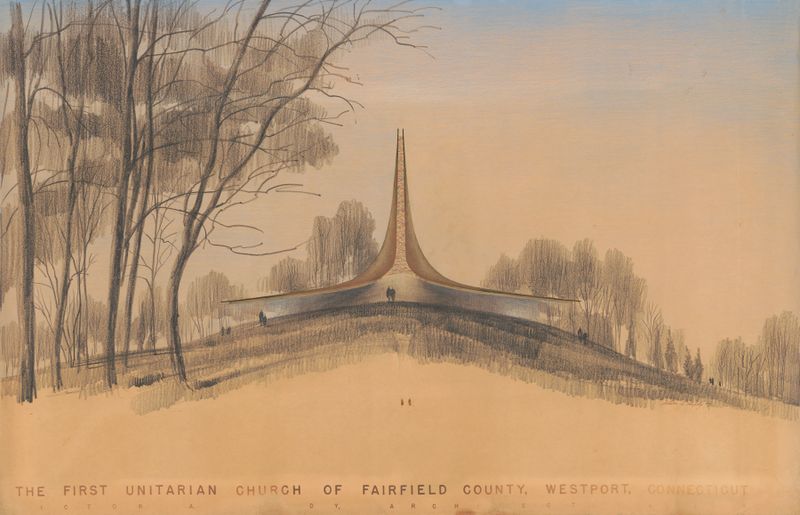
First Unitarian Church, Westport, Connecticut, Exterior
Victor Alfred Lundy

Residence for Mr. and Mrs. Ben Heller, East Hampton, Long Island, New York, Beach site
Victor Alfred Lundy
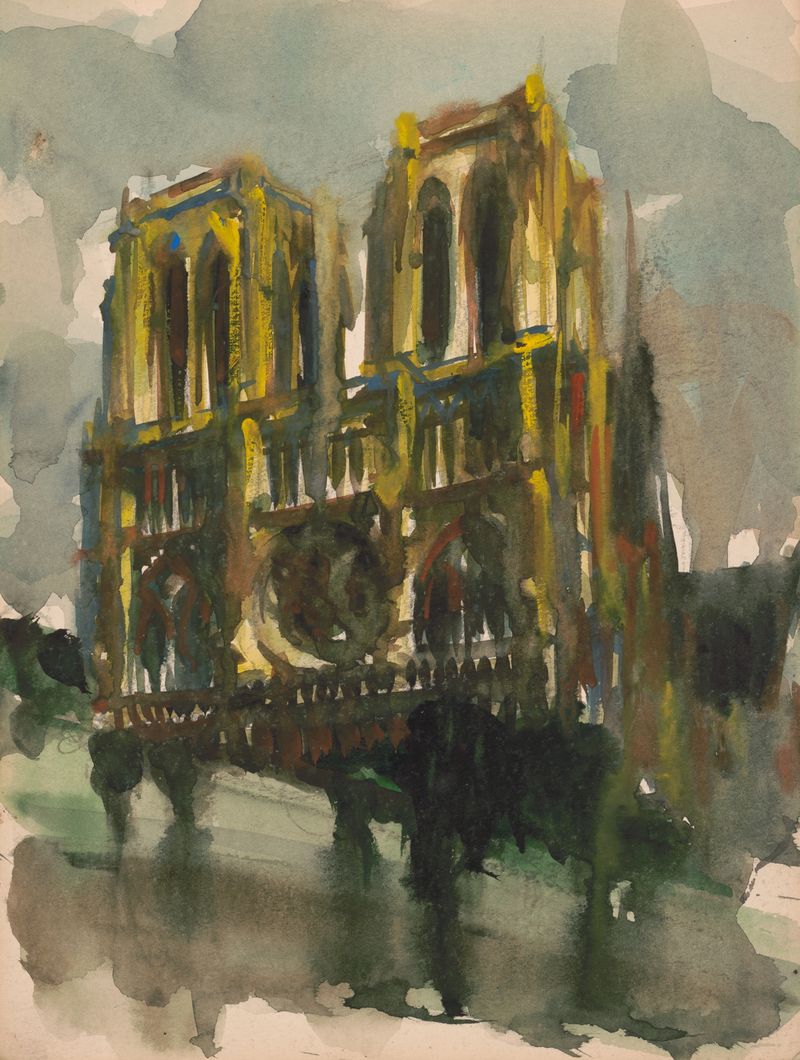
Notre Dame, Paris
Victor Alfred Lundy

Church on plaza, Mexico
Victor Alfred Lundy

Rue Saint Julien le Pauvre, Paris 5e
Victor Alfred Lundy
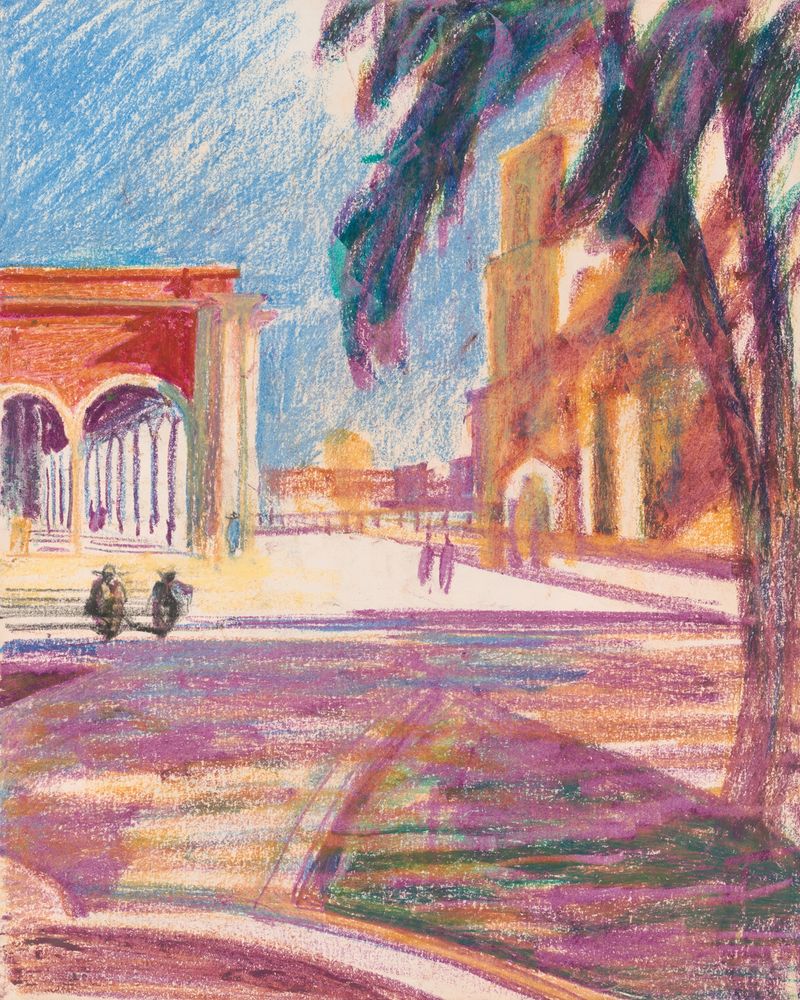
Plaza, Nochistlá́n, Mexico
Victor Alfred Lundy

Temple of Luxor
Victor Alfred Lundy
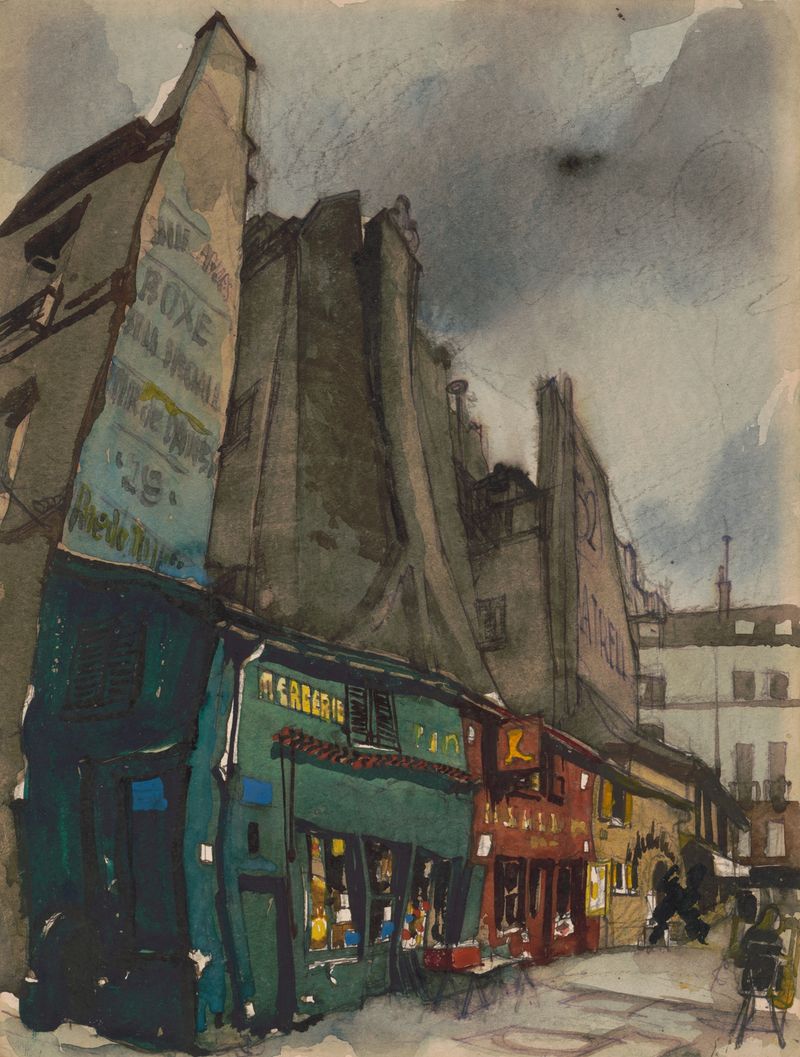
Place St. André des Arts, Paris between Rue Suger & Rue St. André des Arts
Victor Alfred Lundy
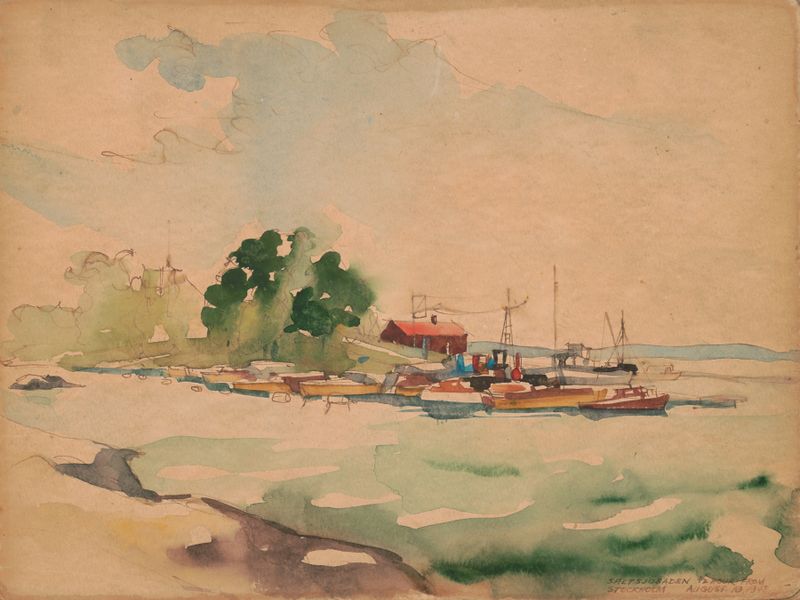
Saltsjöbaden, Half hour from Stockholm
Victor Alfred Lundy
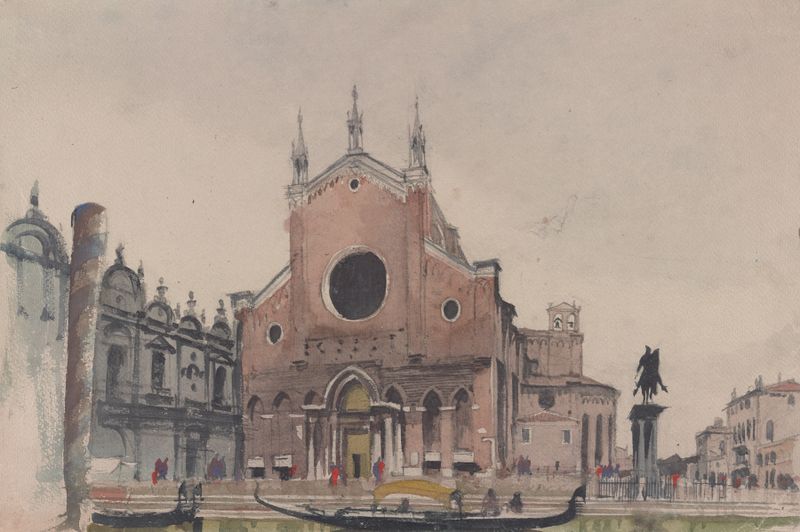
Santi Giovanni e Paolo, statue of Bartolomeo Colleoni (Verrochio), Scuola di San Marco, Venezia
Victor Alfred Lundy
More Architecture Art
Browse all →
The statue of Liberty
Frédéric Auguste Bartholdi

View of Houses in Delft, Known as ‘The Little Street’
Johannes Vermeer

View of Houses in Delft, Known as ‘The Little Street’
Johannes Vermeer

The Cathedral in Rouen. The portal, Grey Weather
Claude Monet

The yellow house
Vincent van Gogh

The Church in Auvers-sur-Oise, View from the Chevet
Vincent van Gogh