Nottingham — History & Facts
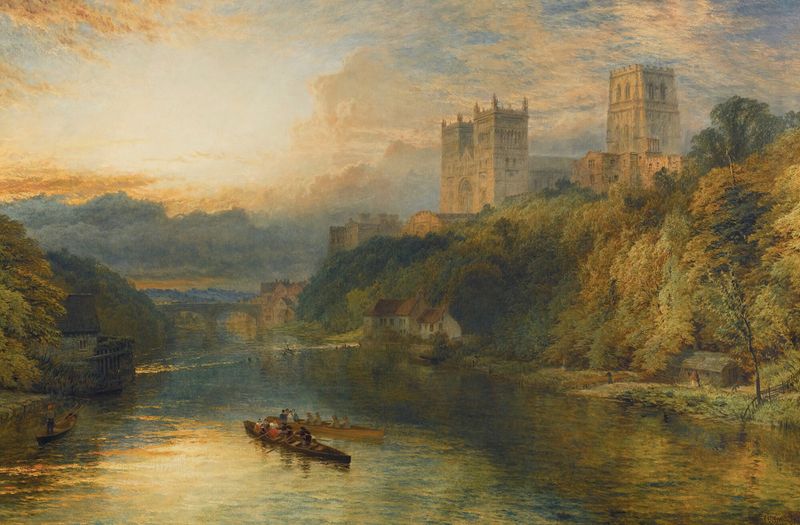
In moments of tranquility, serenity emerges, inviting introspection and solace. Focus on the lush greenery that envelops the scene, where nature thrives in harmonious balance. The soft brushstrokes create a gentle rhythm, leading your eyes through the rich tapestry of trees and fields. Notice how the interplay of light and shadow evokes a warm glow, transforming the landscape into a sanctuary of peace.
The earthy tones ground the viewer, while the sky’s ethereal hues whisper of possibility, evoking a sense of calm contentment. Beneath the surface, layers of meaning unfold. The painting captures not just a moment in time but the essence of tranquility, contrasting the chaos of everyday life. Each element—be it the swaying grass or the distant rooftops—speaks to a deeper yearning for refuge, inviting the viewer into a world where nature reigns supreme over urban encroachment.
The serene atmosphere suggests a quiet resilience, urging us to pause and reflect amid the noise of existence. In 1859, Henry Dawson painted this work during a period marked by the Industrial Revolution's rapid expansion across England. Settled in Nottingham, he sought to highlight the juxtaposition of nature's tranquility against the burgeoning urban landscape. During this time, artists were increasingly drawn to depict the sublime beauty of the English countryside, aligning with the broader Romantic movement that explored emotional depth and individual experience.