The Tower from London Bridge — History & Facts
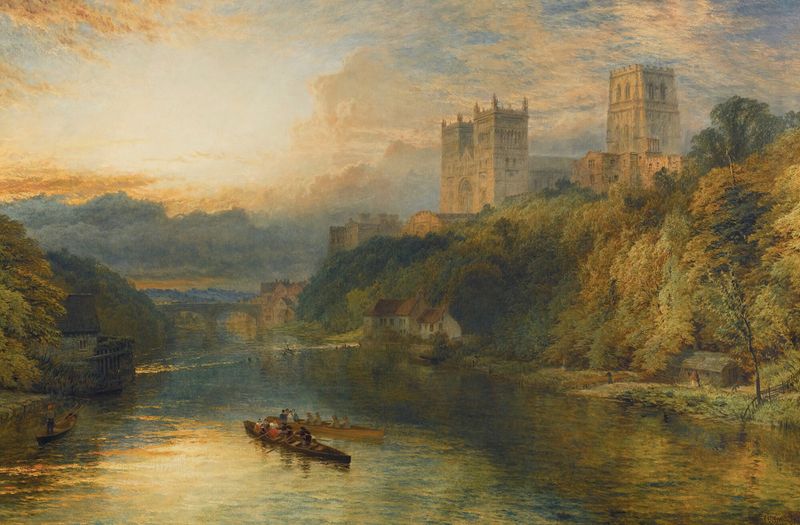
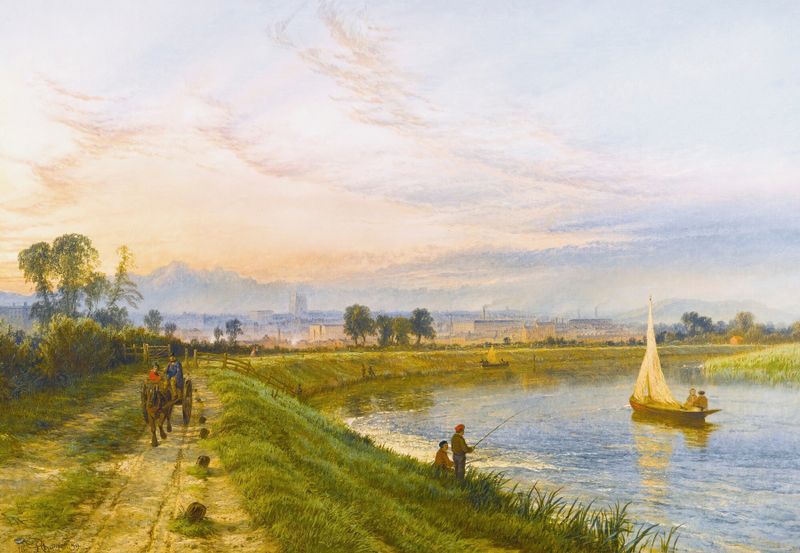
Who listens when art speaks of silence? In the stillness of the moment captured, yearning hangs in the air like a faint echo, inviting viewers to ponder deeper truths beyond the canvas. Look to the left at the soft embrace of twilight, where the delicate hues of dusk blend seamlessly with the lingering daylight. The way light dances on the water's surface evokes a sense of serenity, while the solitary tower stands resolute, its stoic presence dominating the horizon. Notice how Dawson's brushstrokes vary across the sky, transitioning from vibrant ambers to soft blues, reflecting the delicate balance between day and night. Beneath the tranquil surface lies an emotional tension that speaks to the passage of time.
The tower, a silent witness to countless stories, suggests both permanence and isolation, embodying the longing for connection amidst the solitude of its surroundings. In contrast, the calm water mirrors not just the landscape but also the deeper yearnings of the human soul for understanding and companionship. Henry Dawson created this piece in 1872 while living in England, during a period of artistic transition as the Pre-Raphaelite movement began to influence the broader art world. At that time, he was experimenting with capturing natural beauty and atmospheric effects, striving to convey emotion through landscape.
This painting stands as a testament to both his technical skill and his ability to evoke a profound sense of longing within a simple yet evocative scene.