November — History & Facts
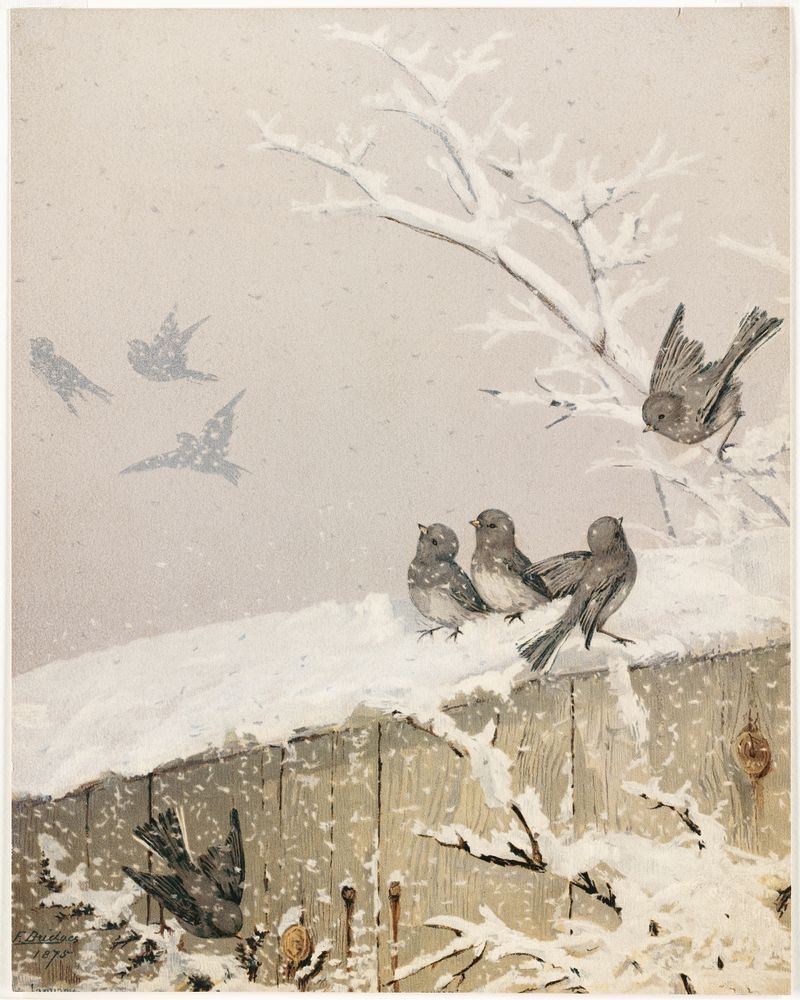
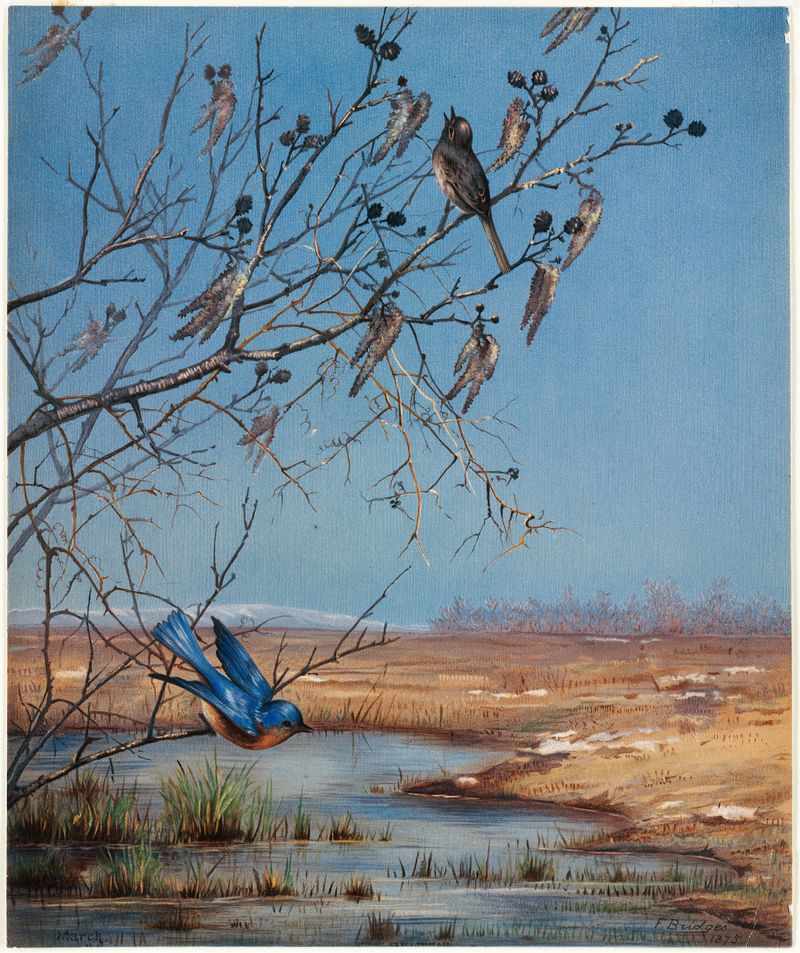
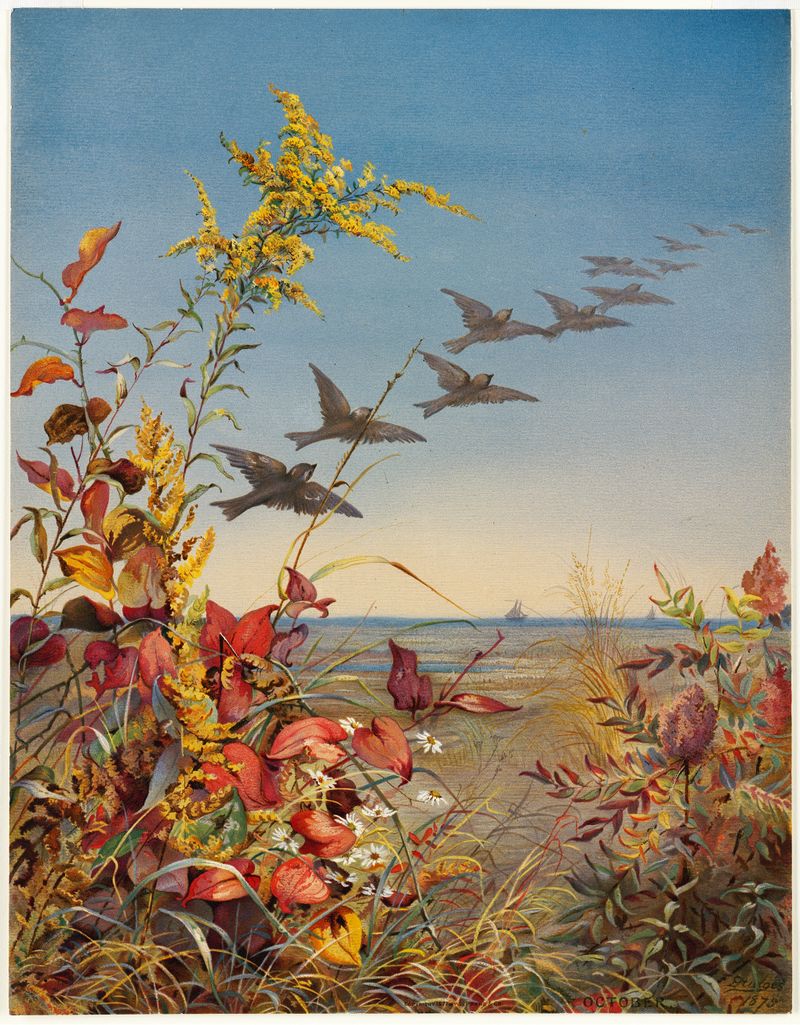
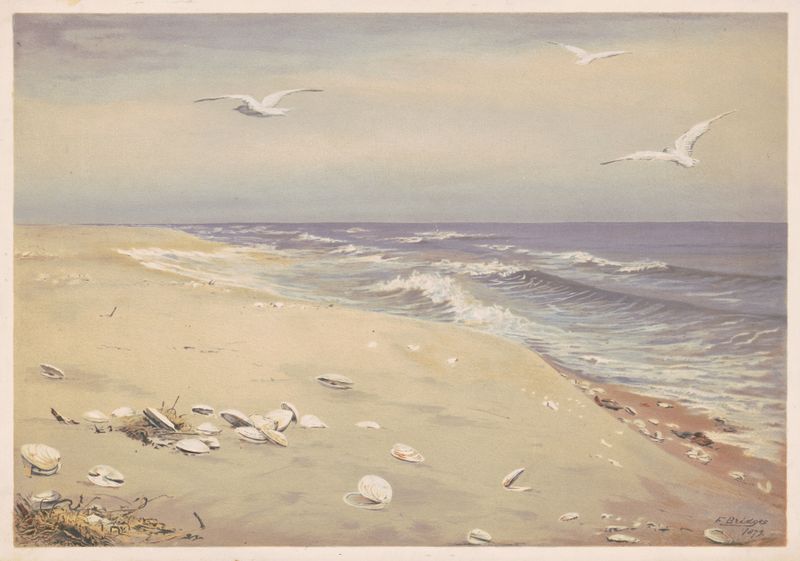
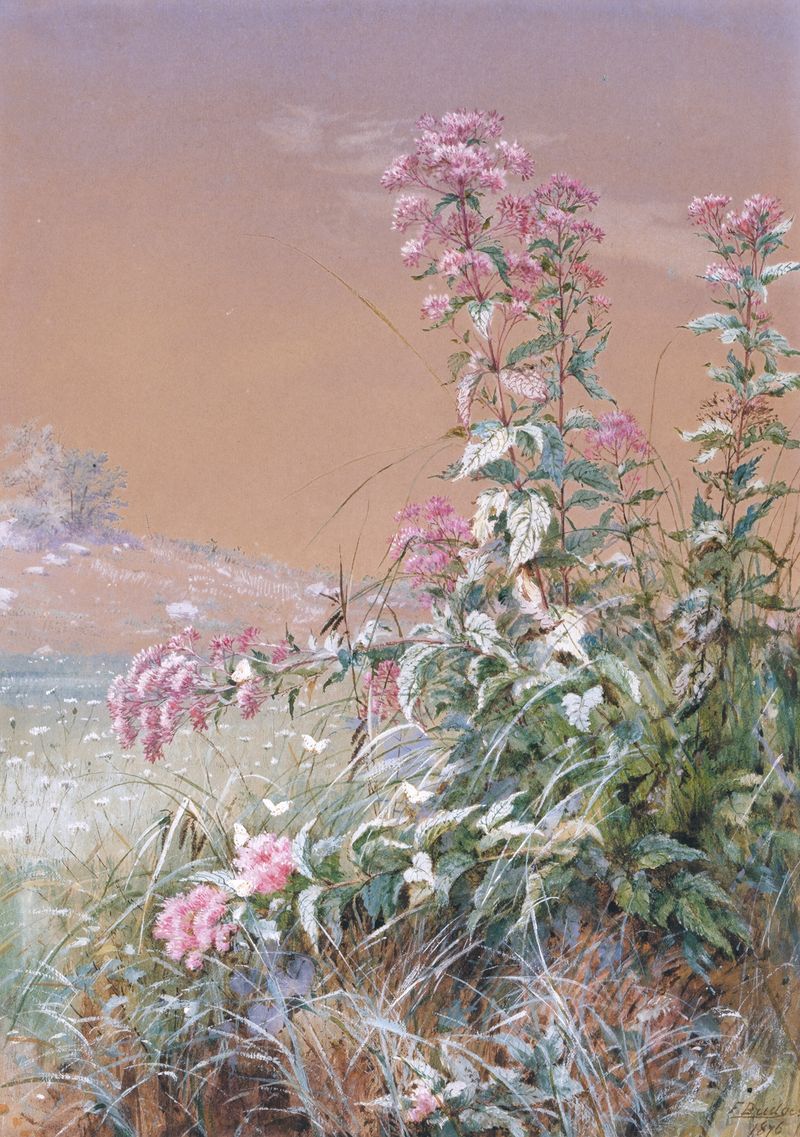
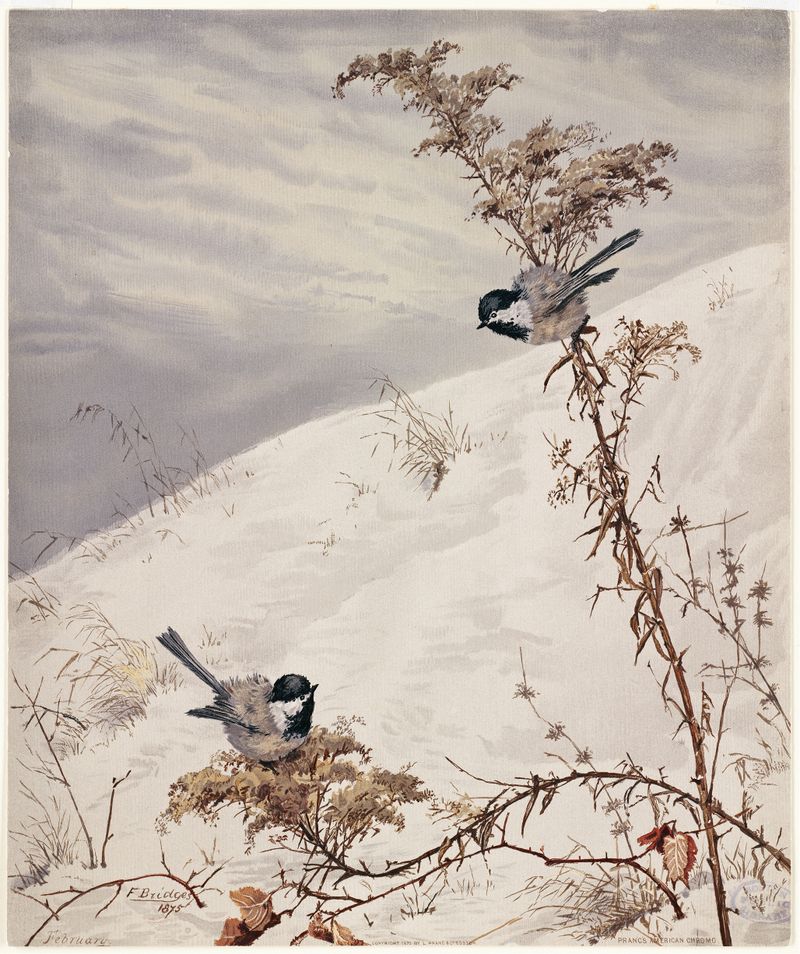
Could beauty survive in a century of chaos? In November, tranquility emerges, cradled by a delicate embrace of light and nature's quiet resilience. Look to the left at the soft hue of the sky, where faint hints of lavender blend seamlessly with the pale gold of the horizon. The artist masterfully captures the gentle transition of day to dusk, where wisps of clouds catch the last glimmers of sunlight, creating a sense of serenity. Notice how the foliage, sparse yet vibrant, stands stark against the fading light, its rich greens and deep browns contrasting with the ethereal backdrop.
Each brushstroke evokes a stillness, inviting the viewer to linger and absorb the fleeting beauty. Beneath this calm surface lies a poignant tension between life and decay. The bare branches hint at the inevitability of winter, a cycle that evokes both melancholy and hope. The interplay of light and shadow symbolizes the balance between despair and renewal, suggesting that even in the face of nature’s dormancy, beauty persists.
The soft glow encapsulates a moment frozen in time, reminding us that light can pierce through darkness, illuminating the heart of existence. Fidelia Bridges painted November in 1876 during a period marked by a shift towards the Impressionist movement in America. As a female artist in a male-dominated field, she faced both the challenges of her time and a burgeoning appreciation for capturing nature's fleeting moments. This painting not only reflects her mastery of light but also embodies the spirit of a society grappling with change, mirroring the broader artistic exploration of beauty amid adversity.