September — History & Facts
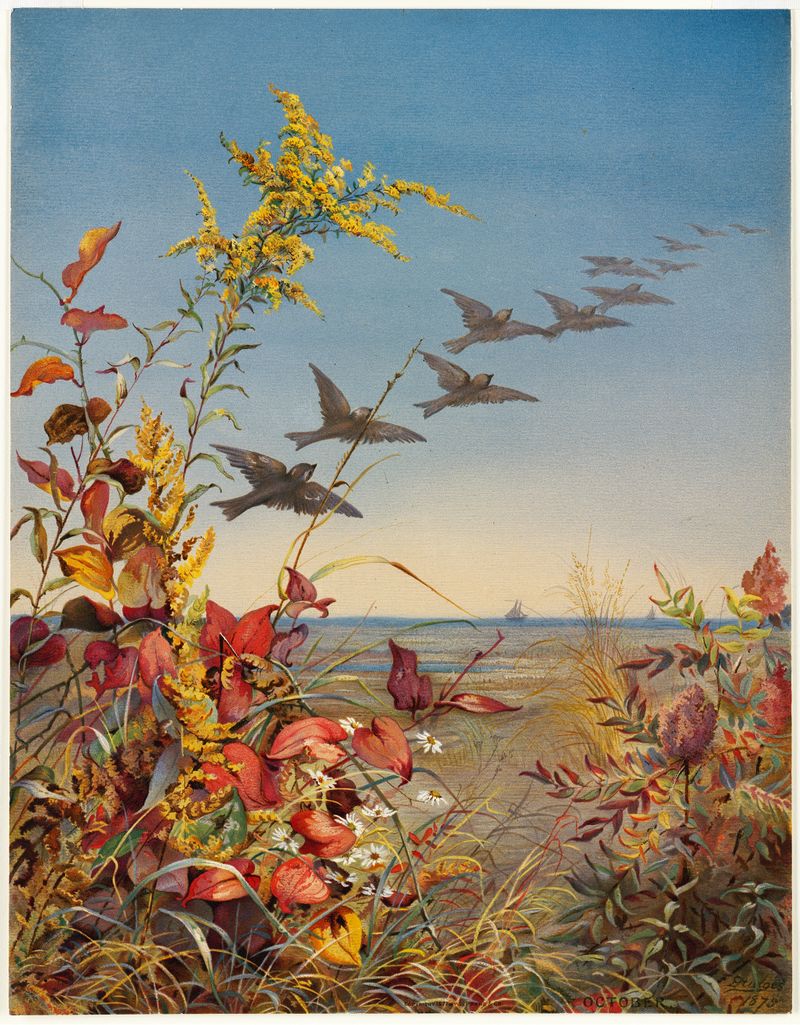
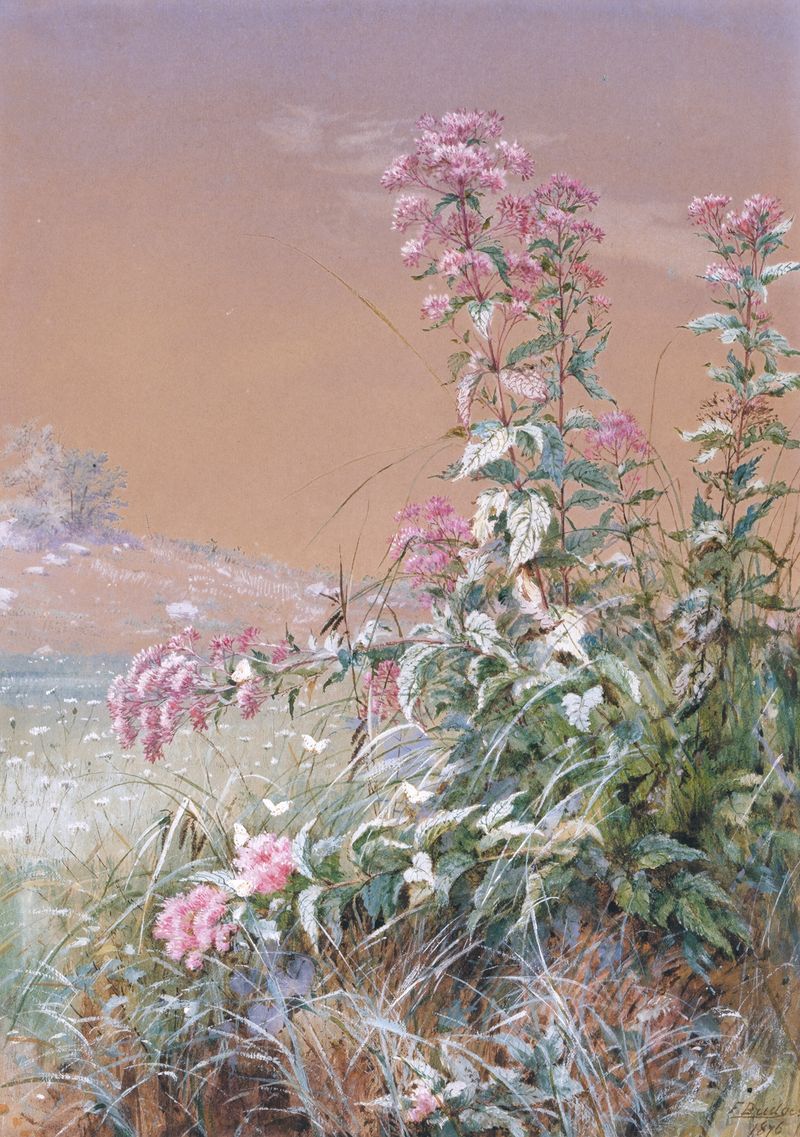
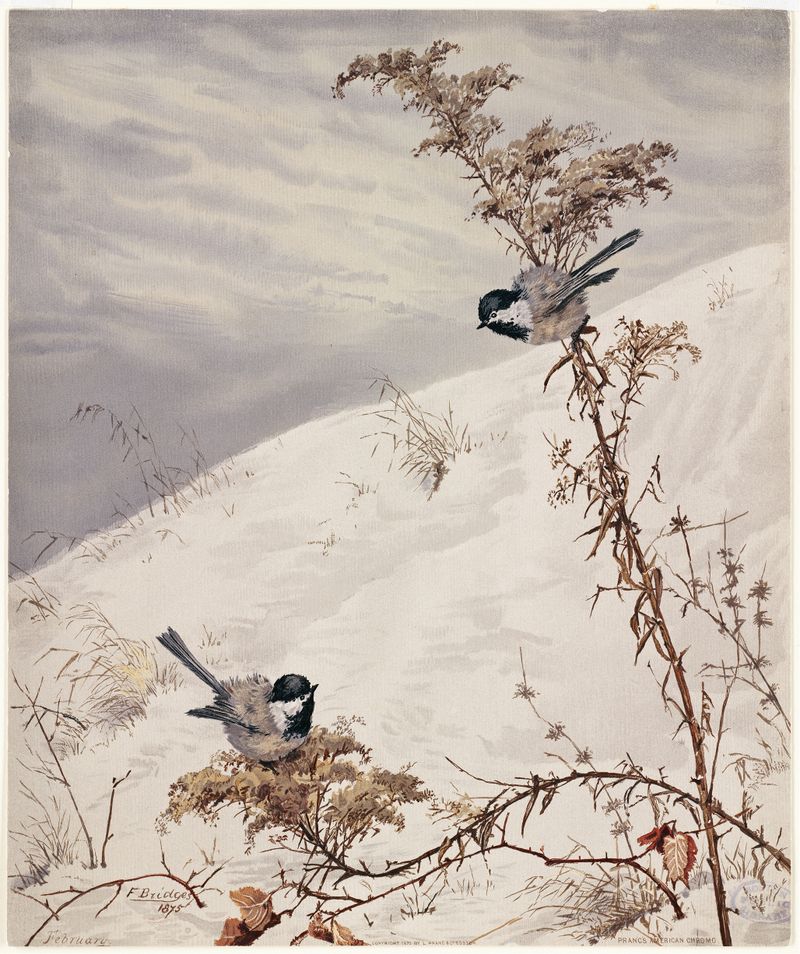
This delicate transformation captures a yearning that echoes through time and space. In September, nature invites us to linger, to feel the weight of nostalgia in every leaf and petal, as if the very essence of longing is laid bare for our contemplation. Look to the left at the vivid bursts of golden sunlight filtering through the trees, illuminating a tapestry of rich greens and browns. Notice how the artist employs a soft, almost ethereal palette, blending hues that evoke warmth and melancholy alike.
The gentle brushstrokes create a sense of movement, as if the scene breathes and sways with the whisper of the autumn breeze, drawing the viewer deeper into this serene moment of transition. Within this tranquil landscape lies a profound contrast: the fleeting beauty of late summer against the encroaching chill of autumn. The vibrant flowers, in their final flourish, symbolize the beauty of impermanence, while the distant trees stand sentinel, hinting at the inevitable passage of time. This tension between vitality and decay mirrors the artist's own introspection, inviting us to reflect on our own sorrows and joys. Fidelia Bridges created September in 1875, a time when she was establishing her unique voice in American art, often focusing on themes of nature and femininity.
Living in a world that was rapidly industrializing, she sought solace and inspiration in the natural environment, reflecting both personal and cultural shifts. This painting represents not just a moment captured, but a poignant meditation on the cycles of life and the bittersweet nature of nostalgia.