March — History & Facts
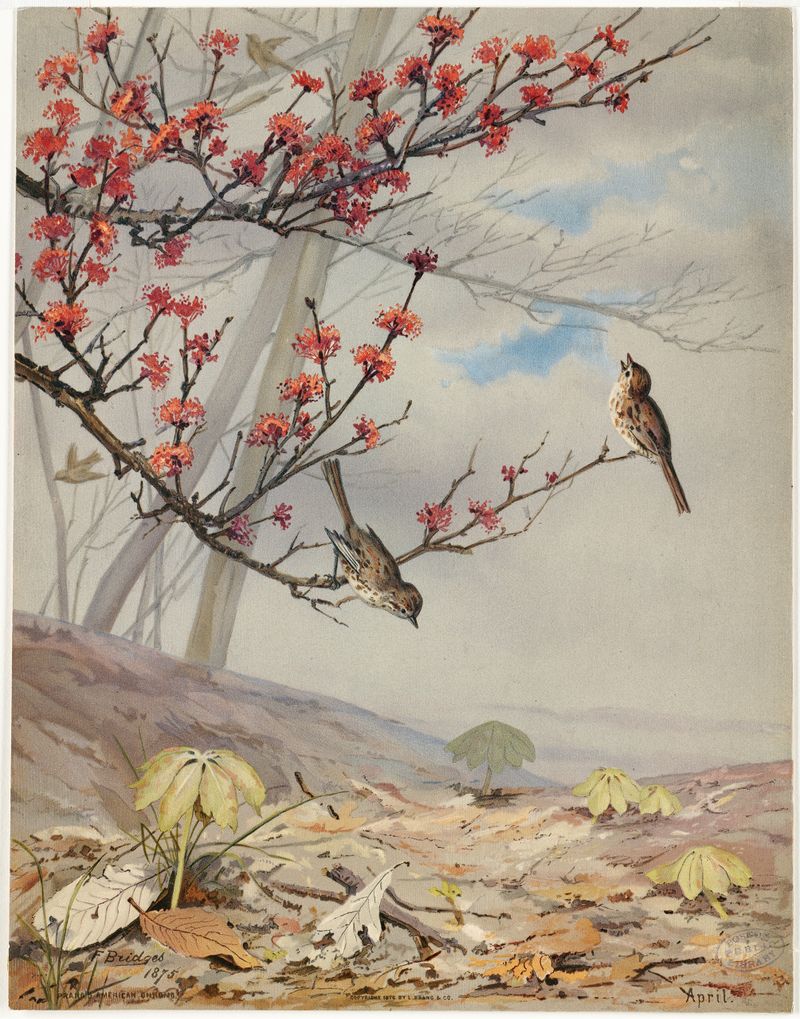
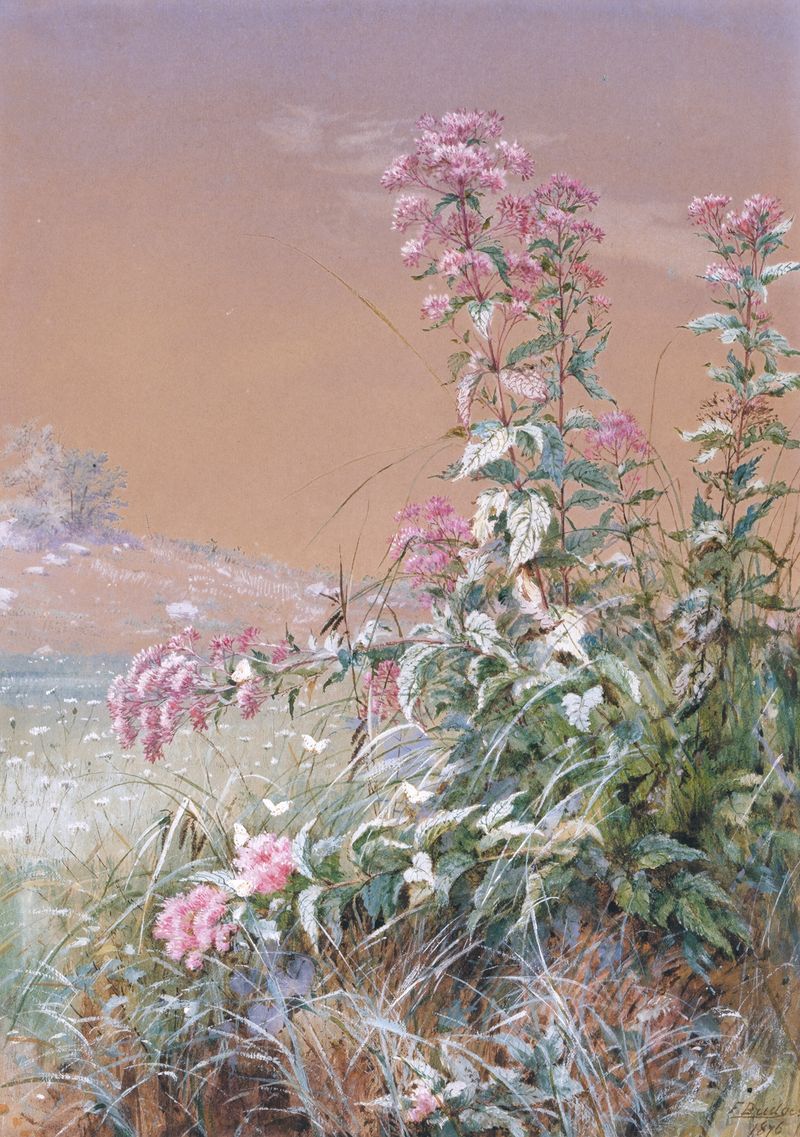
In March, the transient beauty of nature becomes a poignant reminder of time’s relentless passage. The delicate blossoms and tender greens evoke a serene yet ephemeral moment, whispering the stories of renewal and the inevitable march of seasons. Look to the right at the clusters of pale pink blossoms, their petals unfurling gently, catching the soft light of a hazy spring day. Notice how the artist uses light greens and pastel blues to create a harmonious palette, allowing each color to breathe.
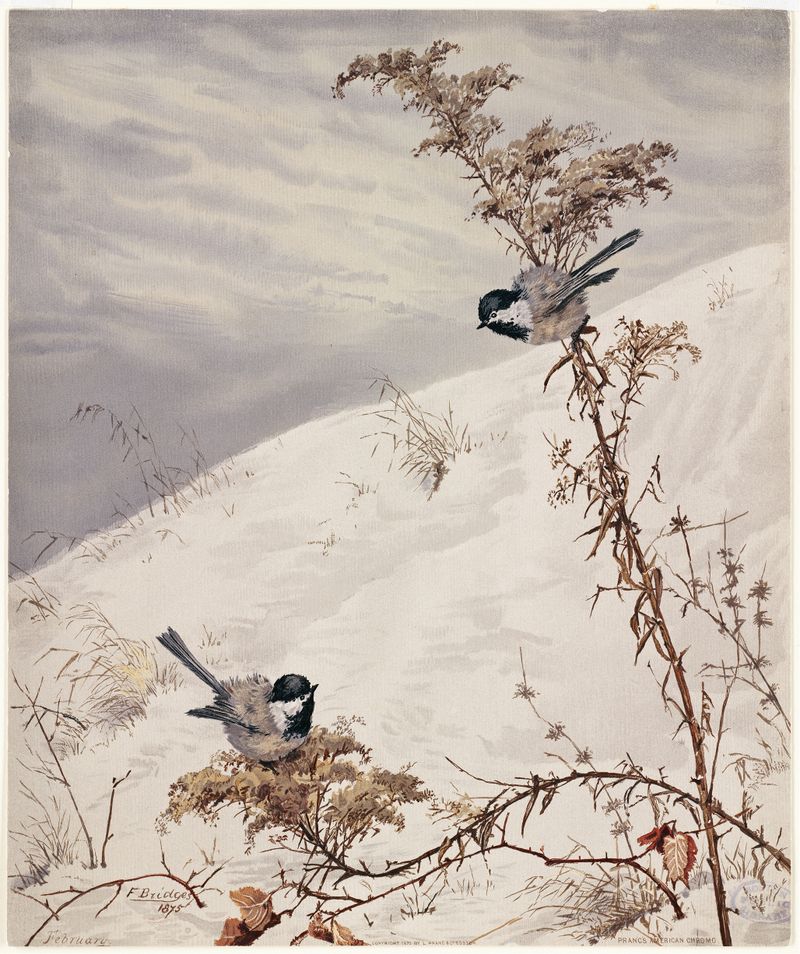
The brushstrokes possess a softness that suggests an intimacy with the budding life, inviting viewers to linger and reflect on the nuances of growth and change. The composition encapsulates the tension between the vibrancy of life and the stillness of nature, drawing attention to the contradictions inherent in transition. The blossoms, representing new beginnings, coexist with the barren branches that hint at what has passed, reminding us that every moment of beauty is fleeting, interwoven with the echoes of what was. This interplay of the seasonal cycle reflects deeper themes of hope and mortality, encouraging contemplation on time’s passage. Fidelia Bridges painted March in 1876 during a period marked by a growing interest in Impressionism and the depiction of nature in American art.
At this time, Bridges was establishing herself as a significant artist in the rural landscape genre, capturing the delicate balance between representation and impression. Her work emerged in a world that was increasingly grappling with modernization, yet she chose to focus on the quiet moments of beauty found within the natural world.