December — History & Facts
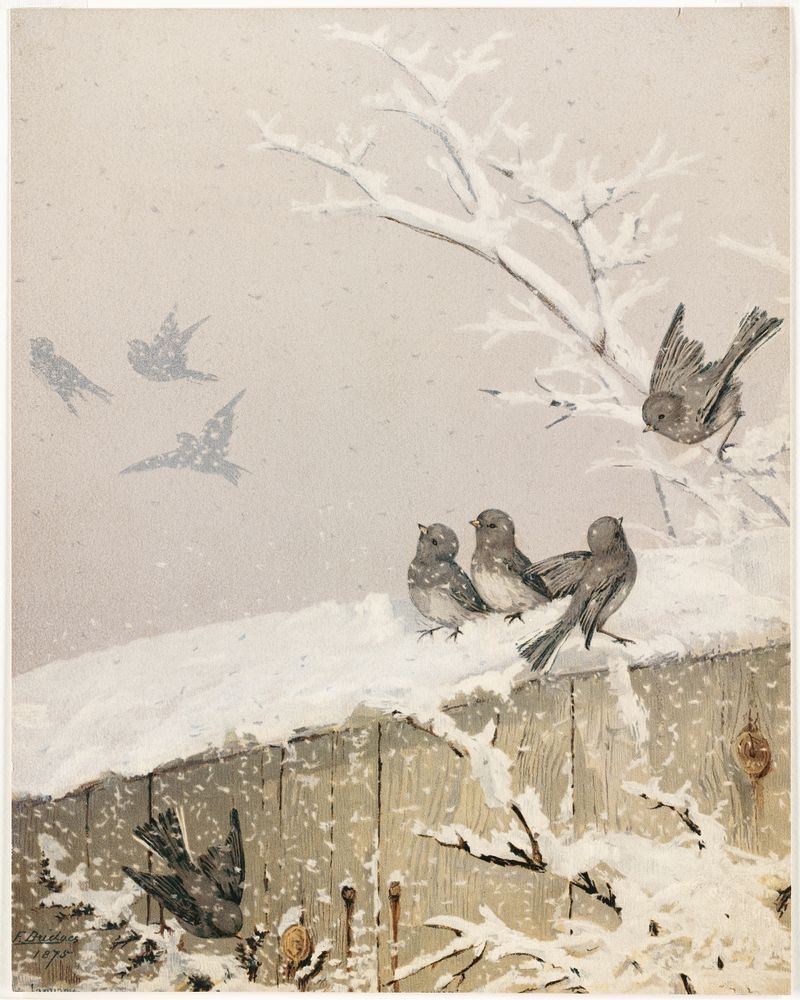
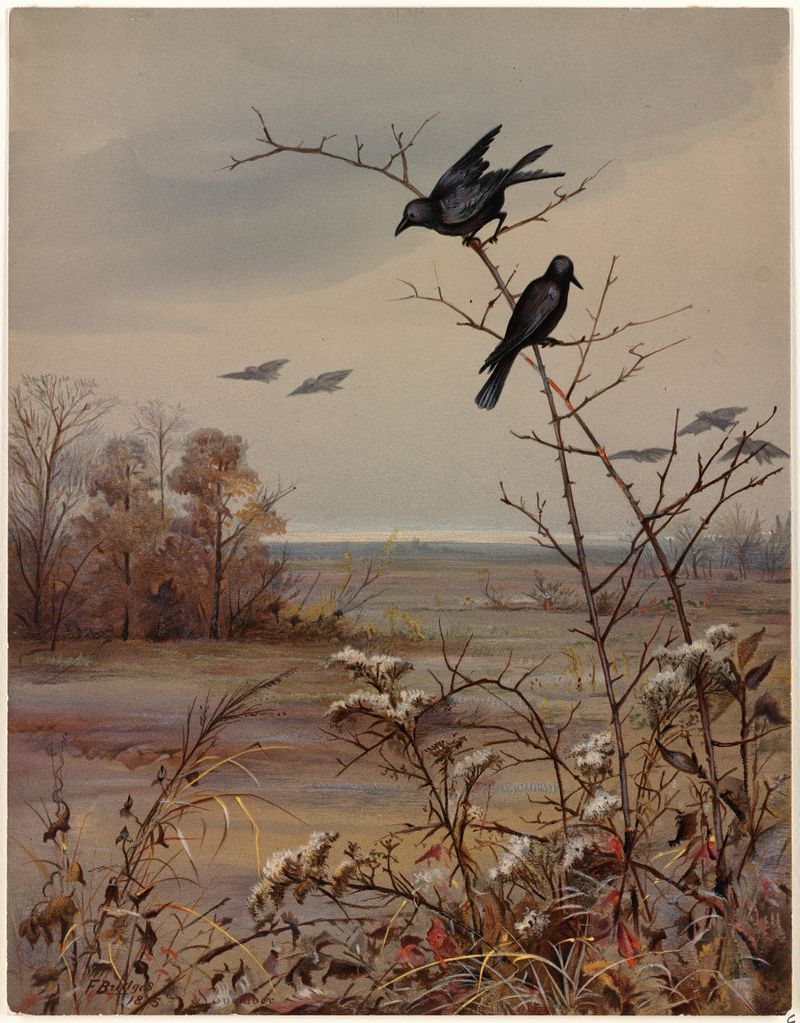
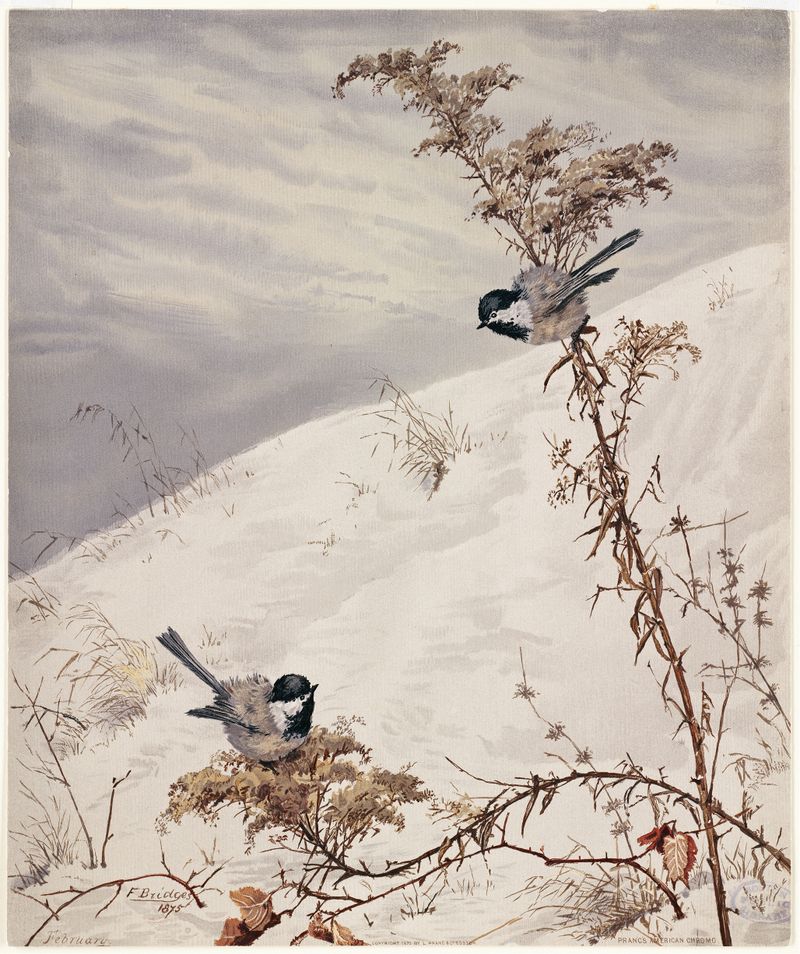
When did color learn to lie? In December, the viewer is drawn into a world where the vibrancy of nature meets the starkness of winter’s embrace, revealing illusions that whisper of both beauty and desolation. Begin by examining the delicate interplay of light and shadow; notice how it gracefully dances across the canvas. Look to the center where a solitary branch, stripped bare, stretches upward, adorned with shimmering frost. The muted palette—soft grays and blues—contrasts with the ethereal glimmers of white, creating a sense of stillness that resonates deeply.
As your eyes wander, the subtle intricacies of the brushwork draw you further into this contemplative landscape, evoking a quiet reverence for the season's transformative power. As you delve deeper, consider the emotional narrative woven into the painting. The barren branch stands as a metaphor for solitude and resilience, while the icy glimmers may reflect the beauty found in moments of hardship. The juxtaposition between the warmth of the light and the chill of the setting suggests a tension between hope and despair, inviting the viewer to ponder the dualities inherent in life itself.
Is this a celebration of winter's serenity, or a poignant reminder of nature's fragility? In 1875, Fidelia Bridges created December during a time when the art world was grappling with realism and the burgeoning influence of impressionism. Living in the vibrant artistic community of Massachusetts, she was influenced by the natural world surrounding her, channeling her experiences into evocative landscapes that captured the ephemeral moments of nature. This painting reflects not only her technical mastery but also her deep emotional connection to the scenes she depicted, resonating with the broader themes of change and introspection.