
Discover insights about this artwork
November (die Regengötter) — History & Facts
In November (die Regengötter), Hans Thoma uses a rich palette of deep blues and greens to depict a stormy landscape. The painting features figures representing rain gods, surrounded by swirling clouds and falling rain. The figures are dynamic, suggesting movement and the power of nature.
This dramatic setting captures the essence of a rainy November day. The painting is executed in oil on canvas, showcasing Thoma's skill in blending colors to create depth and atmosphere. Viewers can observe the intricate details in the figures' expressions and the textures of the clouds. The use of light and shadow enhances the overall dramatic effect of the scene.
This work exemplifies Thoma's Symbolist style, focusing on themes of nature and mythology. Hans Thoma was a prominent figure in the German Symbolist movement, known for his depictions of nature and folklore. November (die Regengötter) reflects his fascination with the interplay between humanity and the natural world. An interesting fact about this work is that it was inspired by the folklore surrounding rain deities, illustrating Thoma's deep connection to German cultural traditions.
More Artworks by Hans Thoma
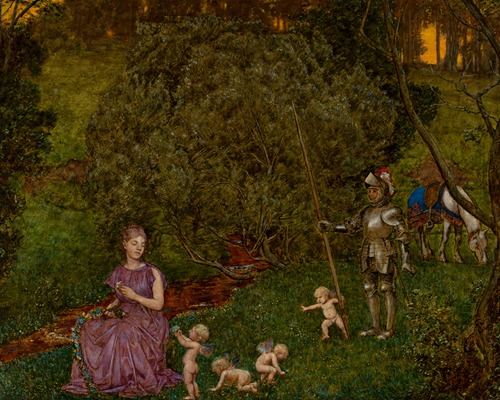
Fable – Knight
Hans Thoma
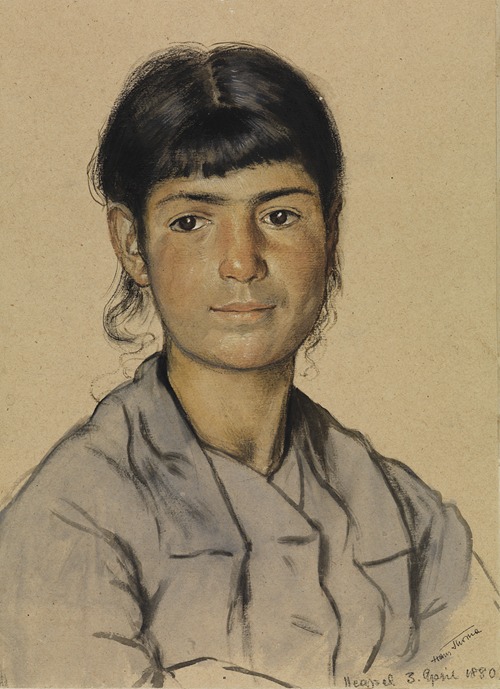
Portrait of a young Neapolitan woman
Hans Thoma
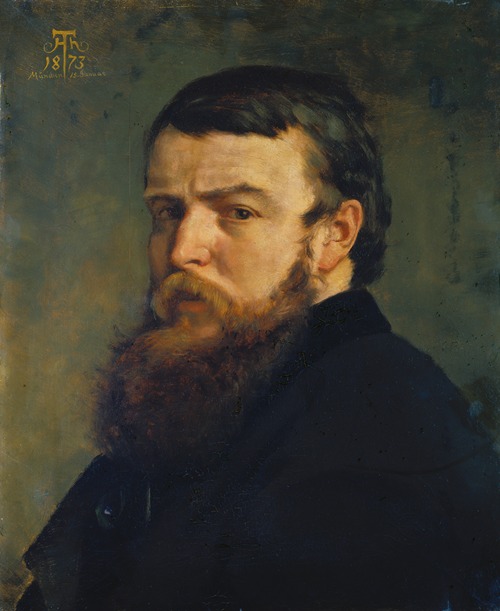
Self-Portrait from Munich
Hans Thoma
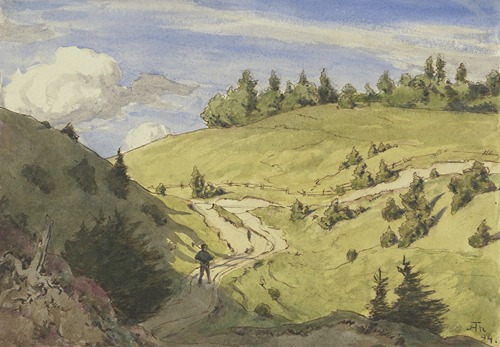
Landscape in the Black Forest
Hans Thoma
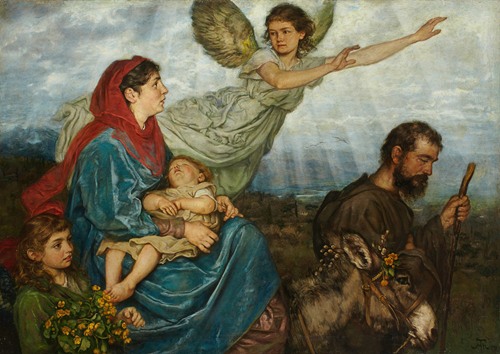
The Flight into Egypt
Hans Thoma
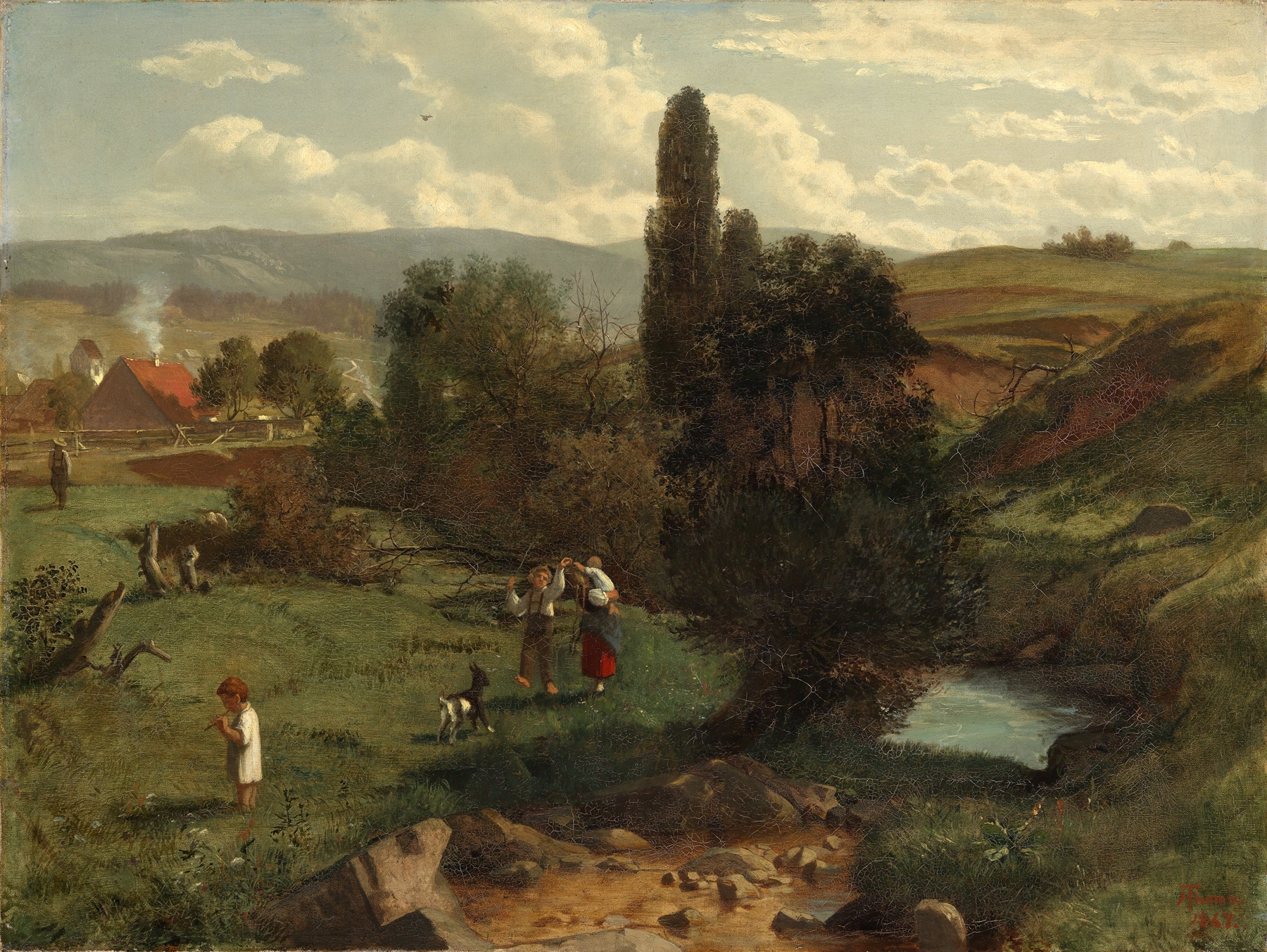
Schwarzwaldlandschaft
Hans Thoma
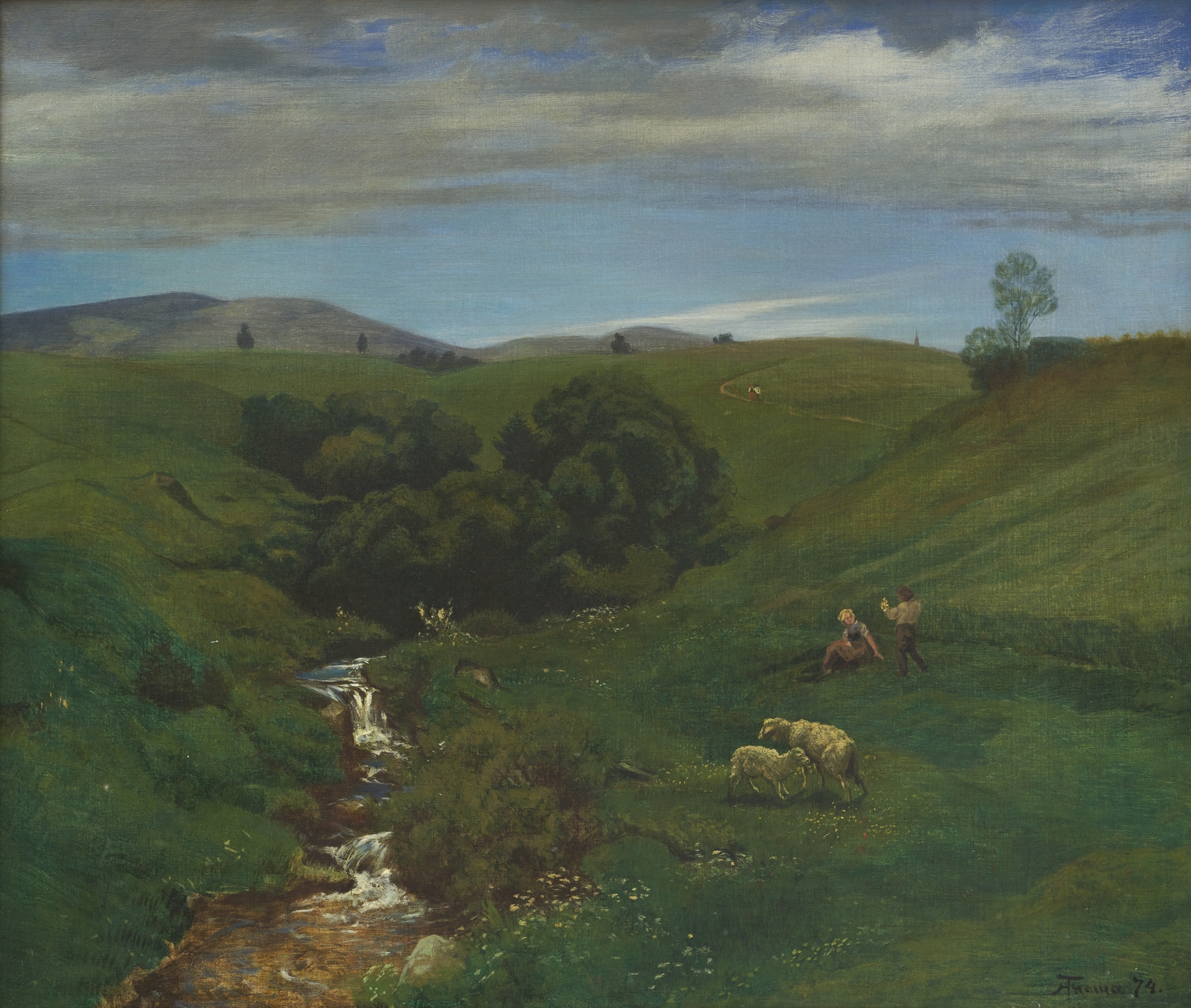
Black Forest Meadow near Bernau
Hans Thoma
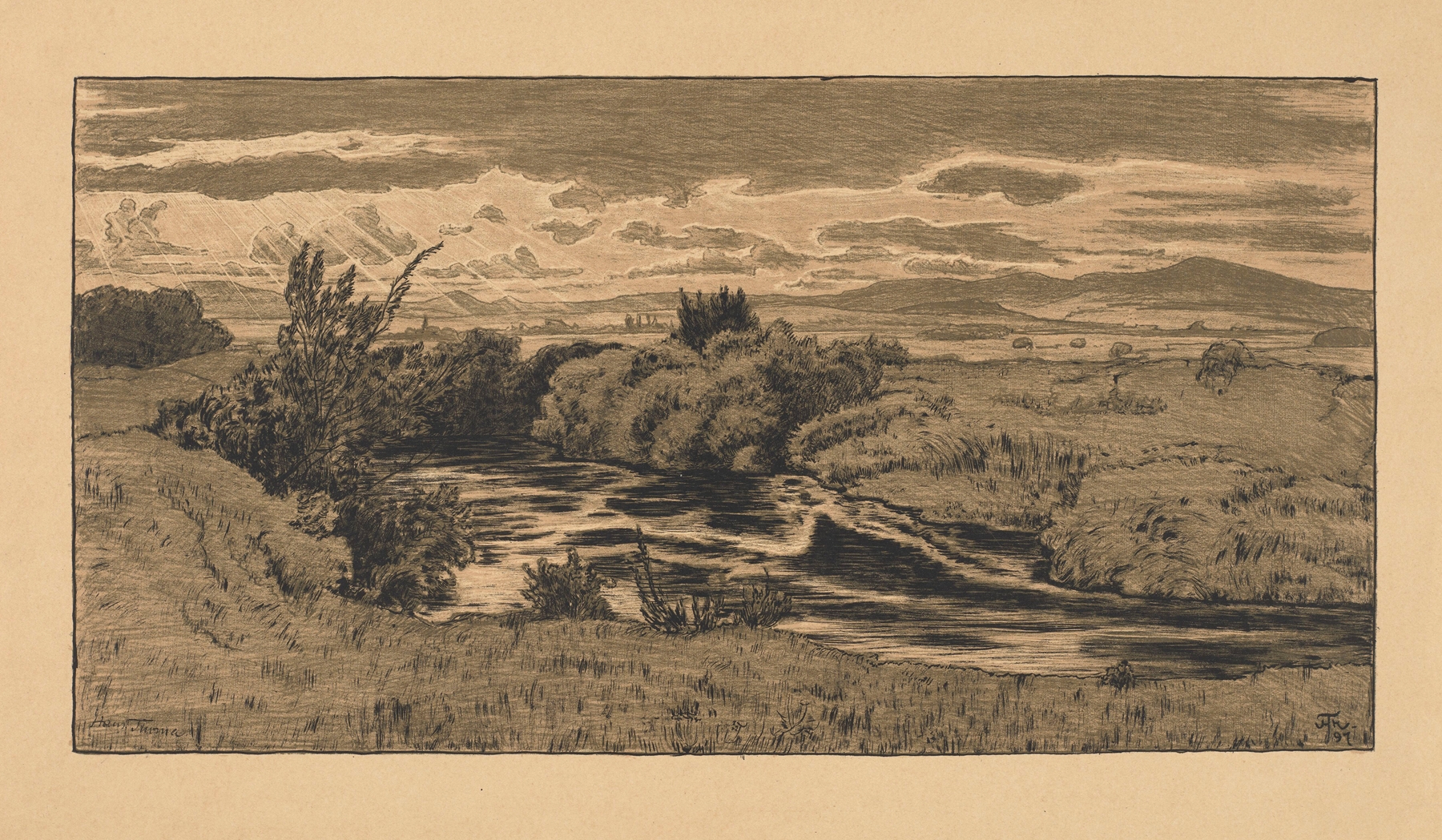
Evening by the Nidda River
Hans Thoma
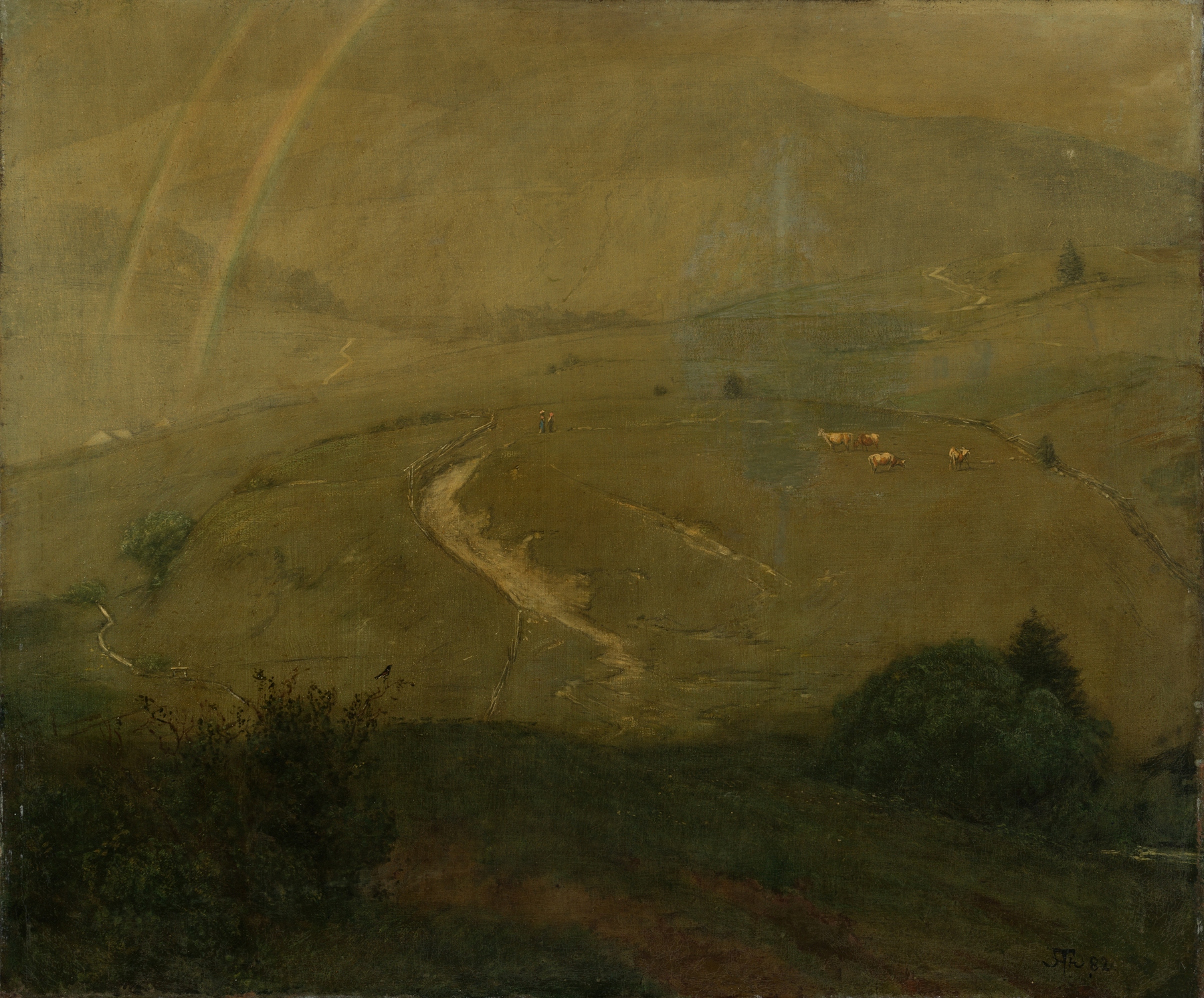
Regen im Schwarzwald
Hans Thoma
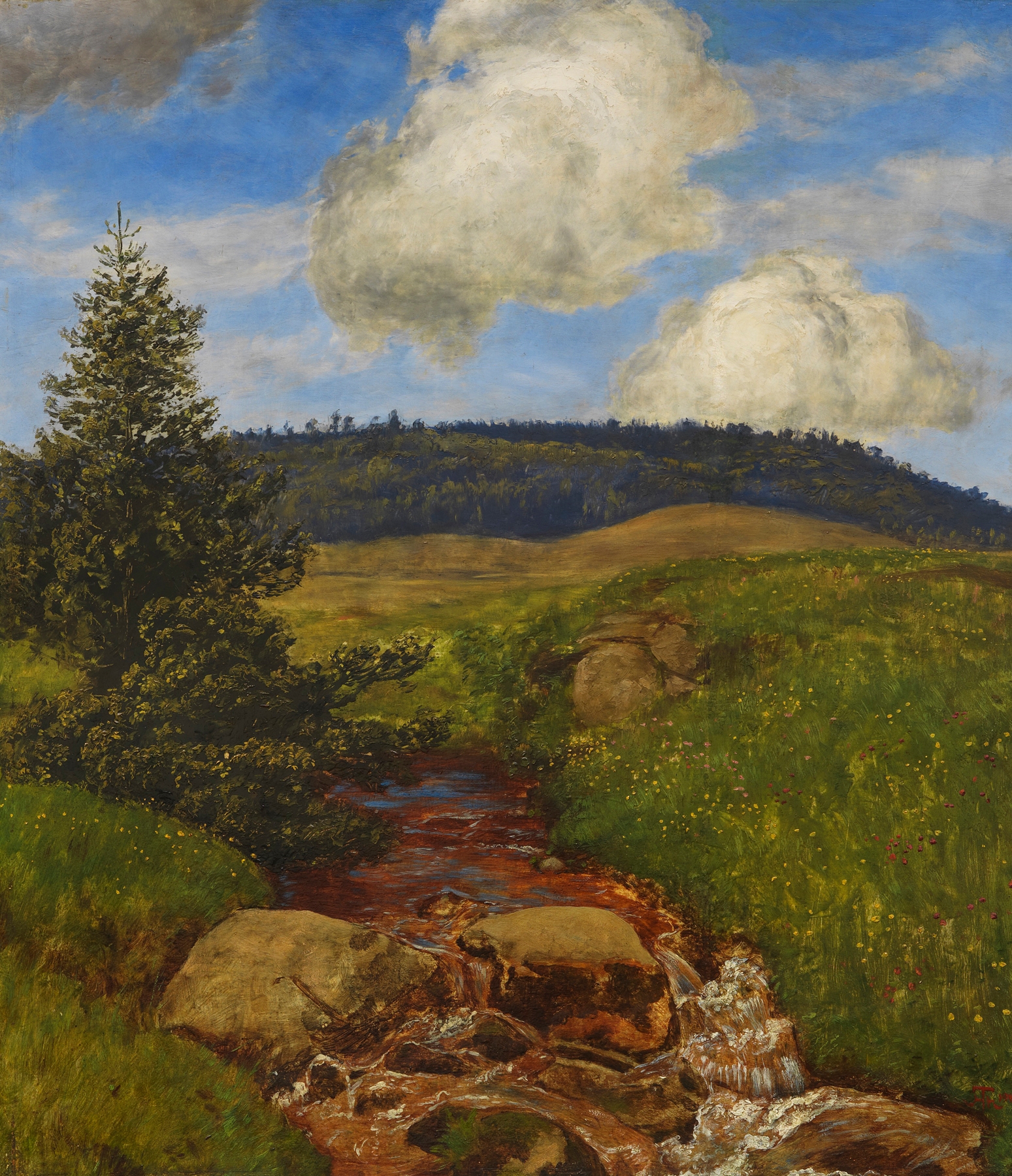
Schwarzwaldbach
Hans Thoma
More Allegory Art
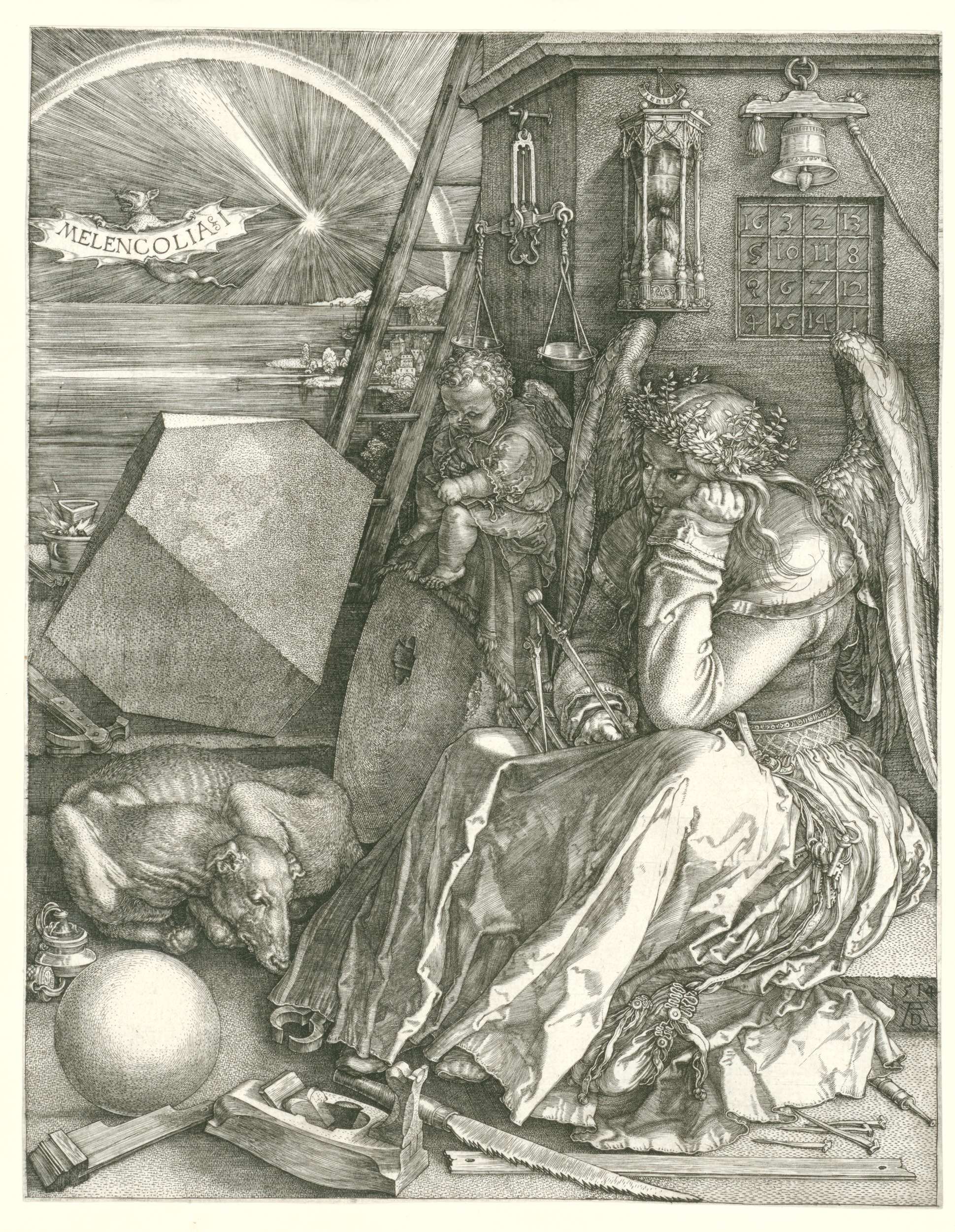
Melancholia
Albrecht Dürer
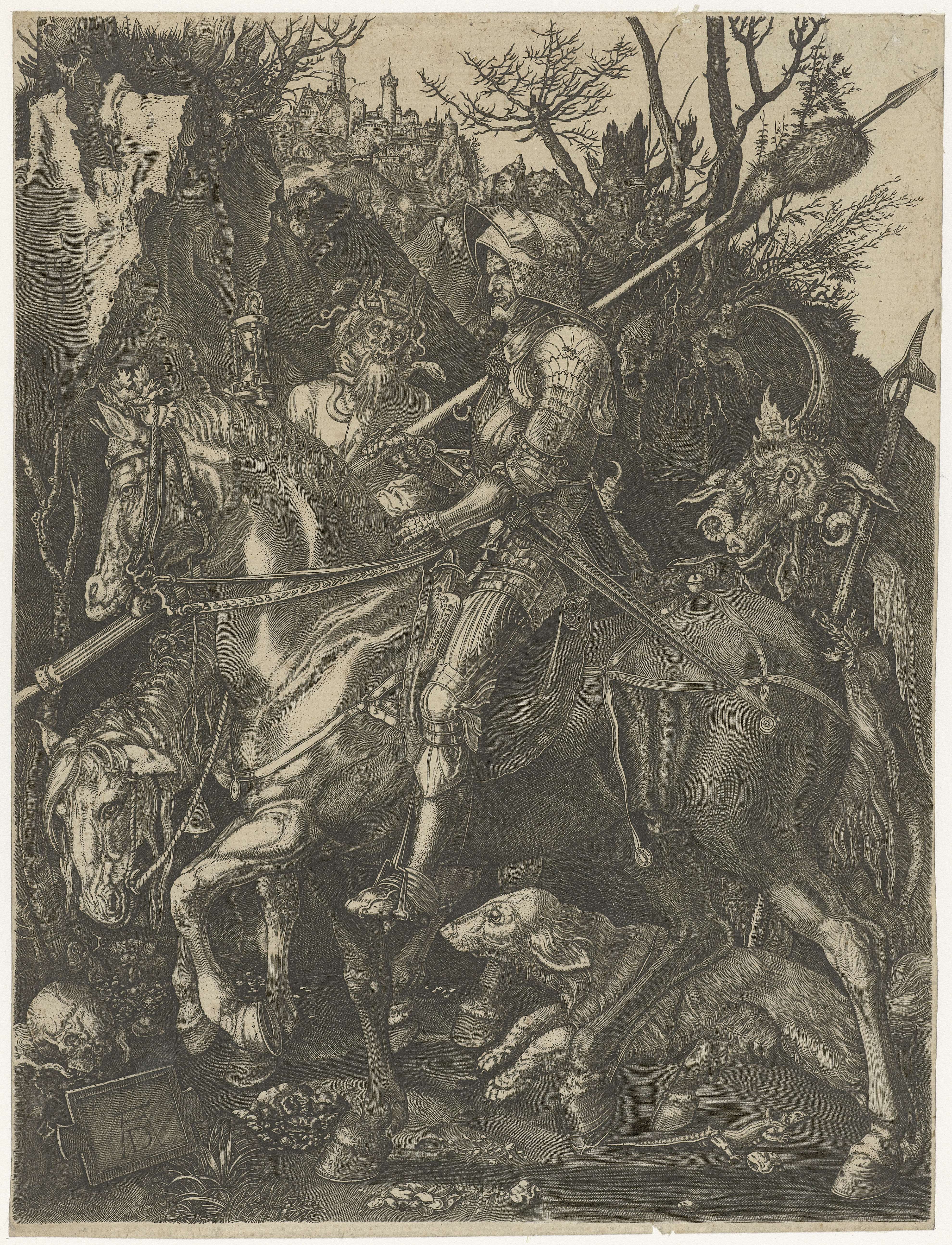
Ridder, Dood en Duivel
Unknown Artist
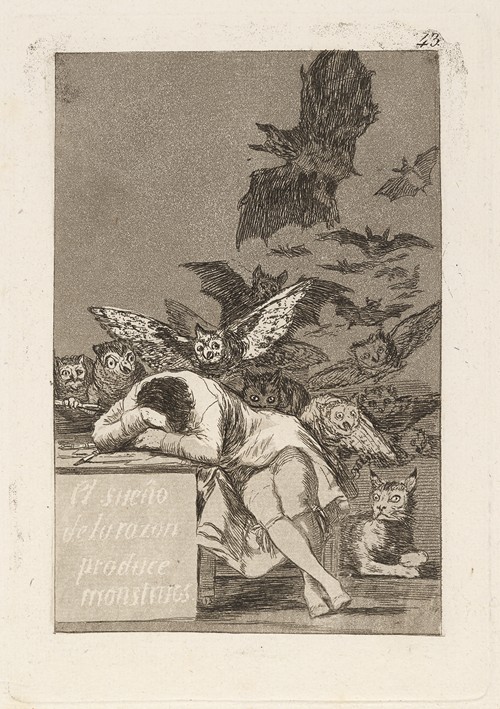
El sueño de la razon produce monstruos. (The sleep of reason produces monsters.)
Francisco de Goya
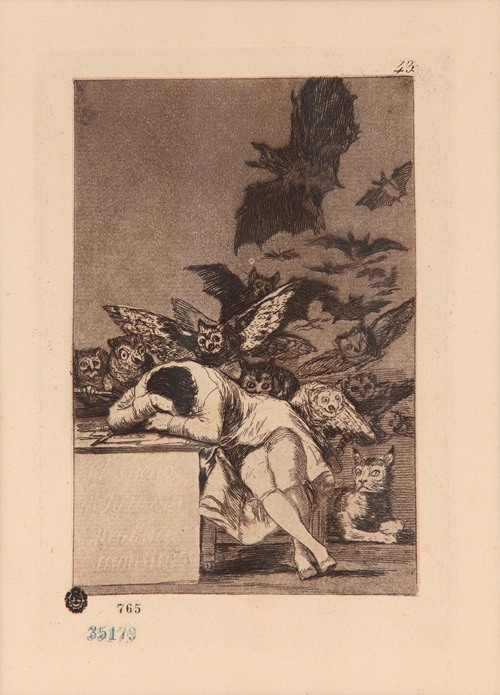
El sueño de la razon produce moustruos (Serie Caprichos)
Francisco de Goya
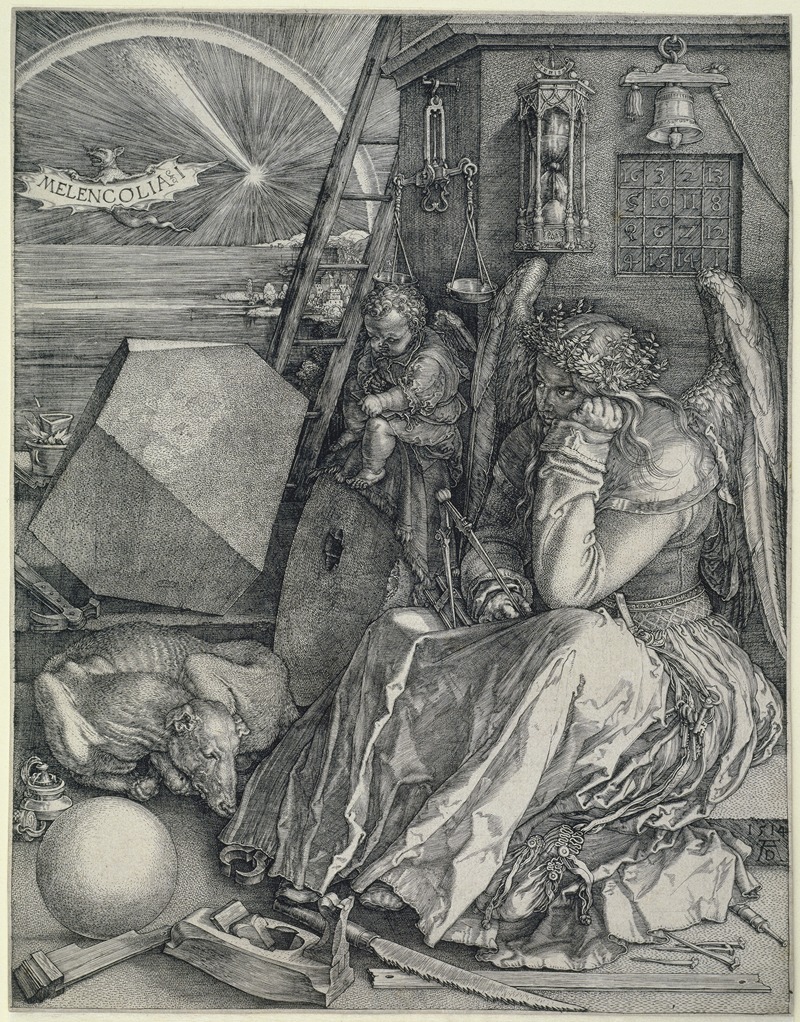
Melencolia I (The Melancholy)
Albrecht Dürer
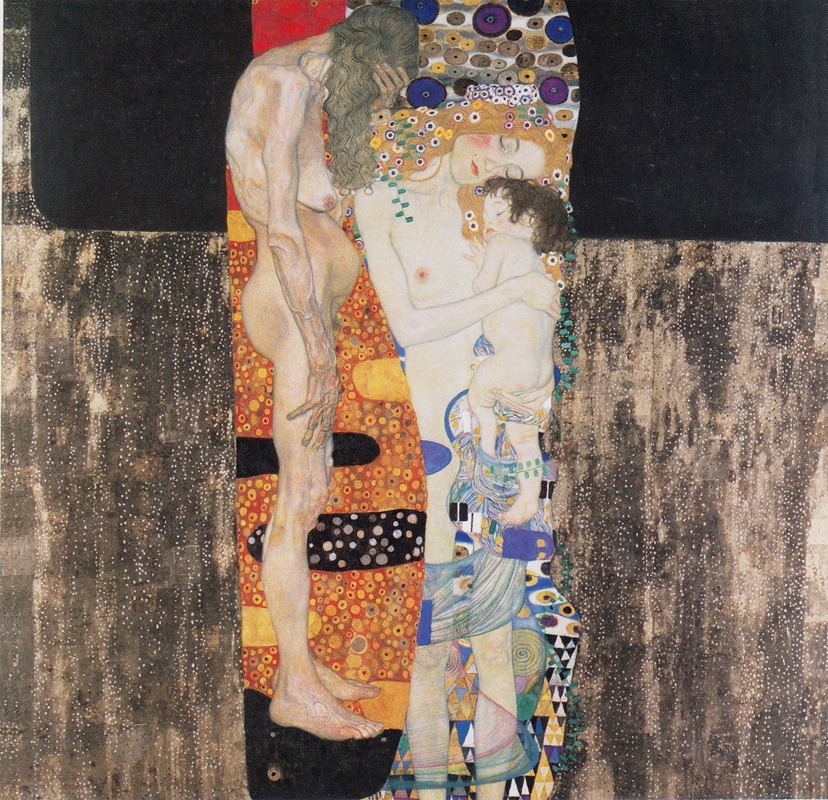
The Three Ages of the Woman
Gustav Klimt