Novembre (La Belle Jardinière) — History & Facts
What draws the eye first in Novembre (La Belle Jardinière) is the quiet contradiction: a woman in a gown patterned with spring leaves, gathering a basket of vivid orange blooms beneath the bare, reaching branches of late autumn. The palette is gentle but insistent, the orange flowers and fruit standing out against the subdued greens and browns, as if clinging to the last warmth before winter. The woman’s posture—bent in careful attention, her hand extended—suggests both reverence and resignation, a ritual of tending to what remains.
The scene is framed with the decorative clarity typical of Art Nouveau, every line and border carefully considered, the empty cartouches hinting at a story unfinished or waiting to be inscribed. Even the word “Novembre” is set like a jewel in its own golden frame, turning the month itself into an object of contemplation. This work belongs to the world of the Belle Époque, when artists like Eugène Grasset transformed everyday subjects into elegant, stylized visions. In this era, decorative panels and calendars were not just functional but celebrated as art, often commissioned for private homes or publishers eager to bring beauty into daily life.
Grasset, a pioneer of Art Nouveau, was known for weaving nature, allegory, and ornament into harmonious designs that blurred the line between fine and applied art. Though the specific history of this piece is obscure, its presence in a modern online collection—documented in 2013—reminds us how the quiet poetry of a single month can still speak across centuries. Look again at the woman’s gesture and the last orange fruit: they hold the year’s turning, and perhaps, a gentle hope for renewal.
More Artworks by Eugène Grasset

Samuel Eviradnus 237 Maison de Victor Hugo
Eugène Grasset
Portrait of a Girl (Roundel)
Eugène Grasset
Théâtre National de l'Odéon
Eugène Grasset
Jeanne d'Arc – Sarah Bernhardt
Eugène Grasset
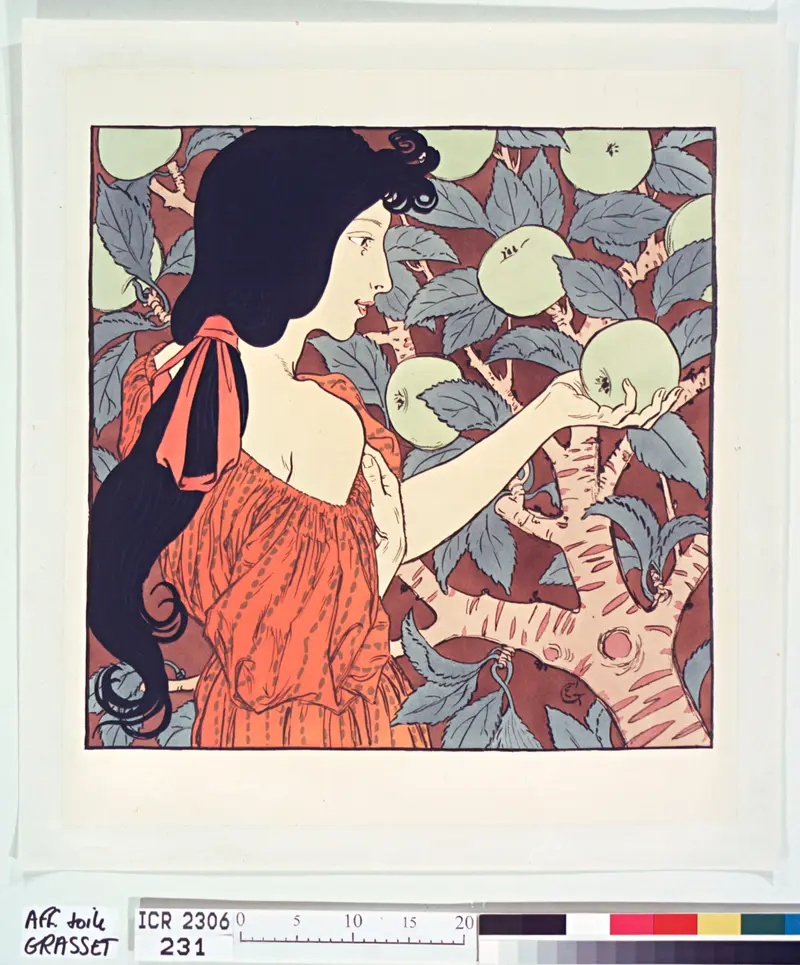
Tentation
Eugène Grasset
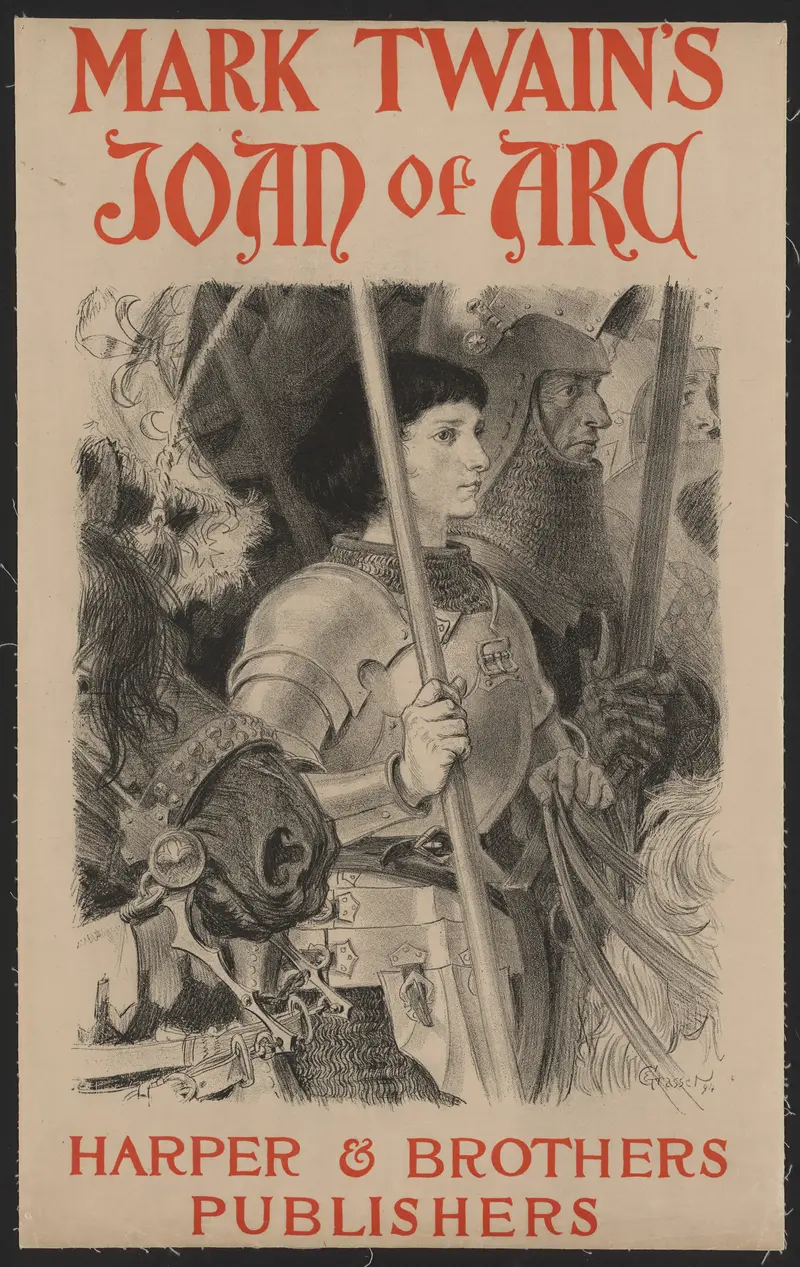
Mark Twain's Joan of Arc
Eugène Grasset
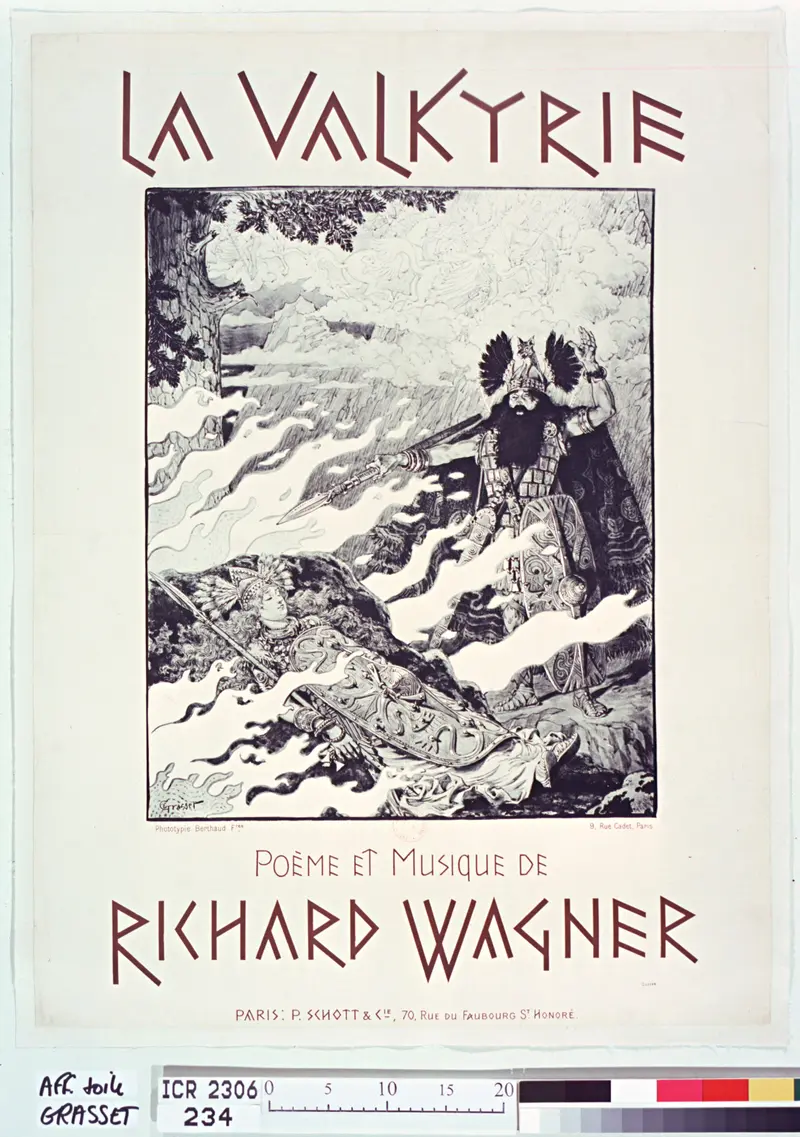
La Walkyrie
Eugène Grasset
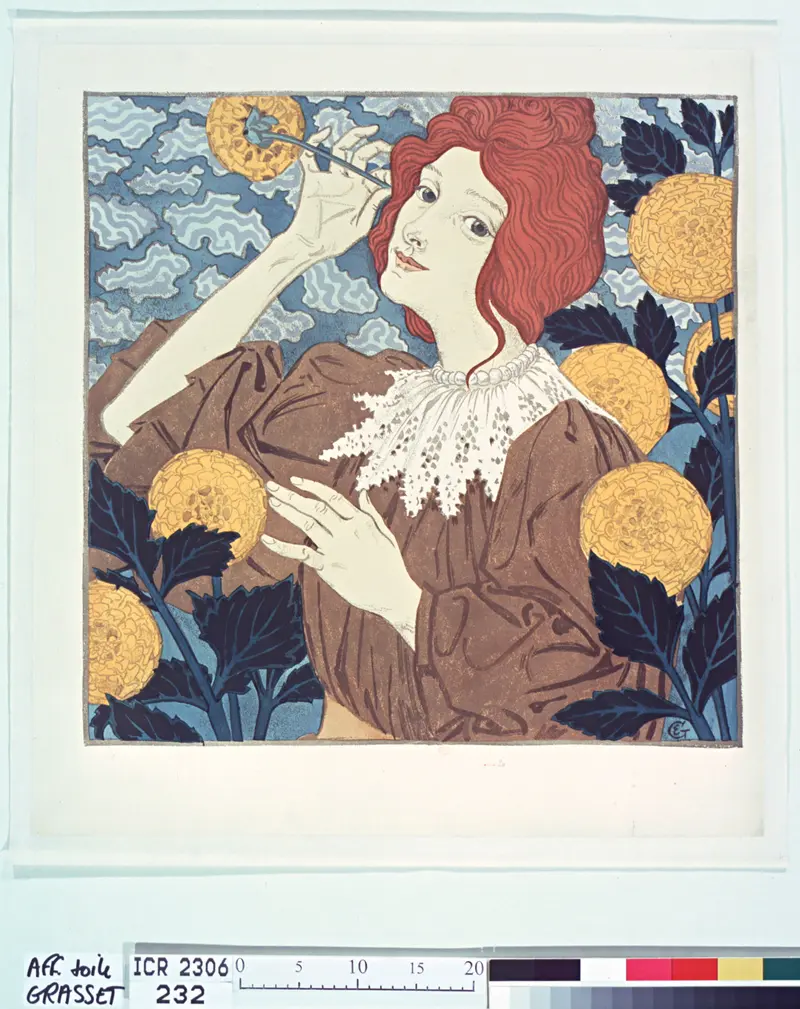
Coquetterie
Eugène Grasset
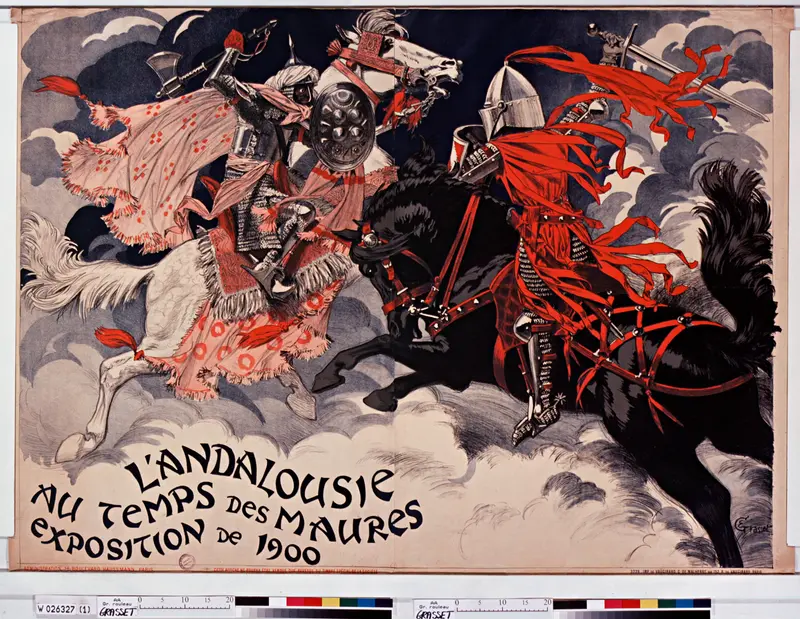
L'Andalousie au temps des Maures
Eugène Grasset
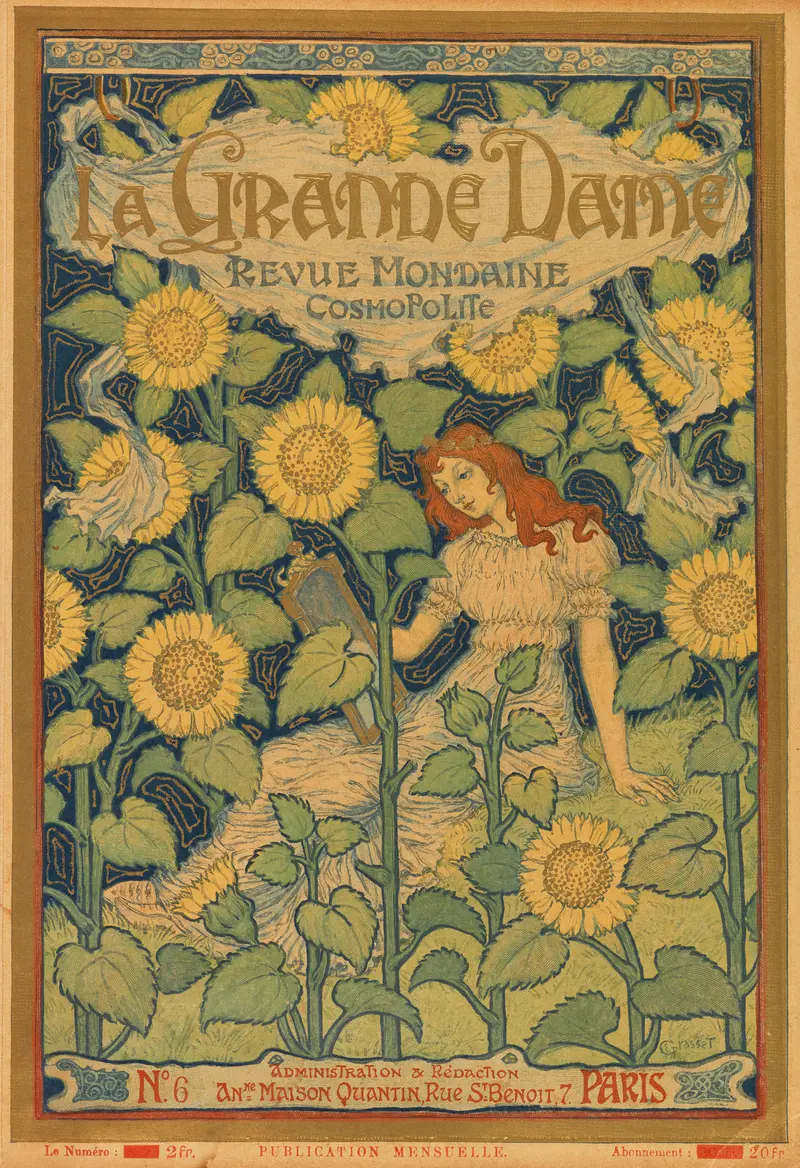
La Grande Dame
Eugène Grasset