
Discover insights about this artwork
Nuda Veritas — History & Facts
In Nuda Veritas, Gustav Klimt presents a striking figure of a nude woman, symbolizing truth. The background is rich with gold and intricate patterns, typical of Klimt's style. The figure stands confidently, with a direct gaze that challenges the viewer.
Her pose and the surrounding elements create a sense of tension and allure. The painting is characterized by Klimt's signature use of gold leaf and decorative motifs, which enhance the visual impact. The woman's body is rendered with a smooth, almost sculptural quality, contrasting with the detailed patterns behind her. The composition is balanced, with the figure centrally placed, drawing the eye.
Klimt's technique combines realism with decorative elements, a hallmark of his work. Nuda Veritas was created during a period when Klimt was exploring themes of identity and the nature of truth. This work is often seen as a response to societal norms regarding femininity and morality. Interestingly, the painting was not widely recognized during Klimt's lifetime but has since become an important piece in discussions of gender and representation in art.
Klimt's unique style and approach to subject matter continue to influence artists today.
More Artworks by Gustav Klimt
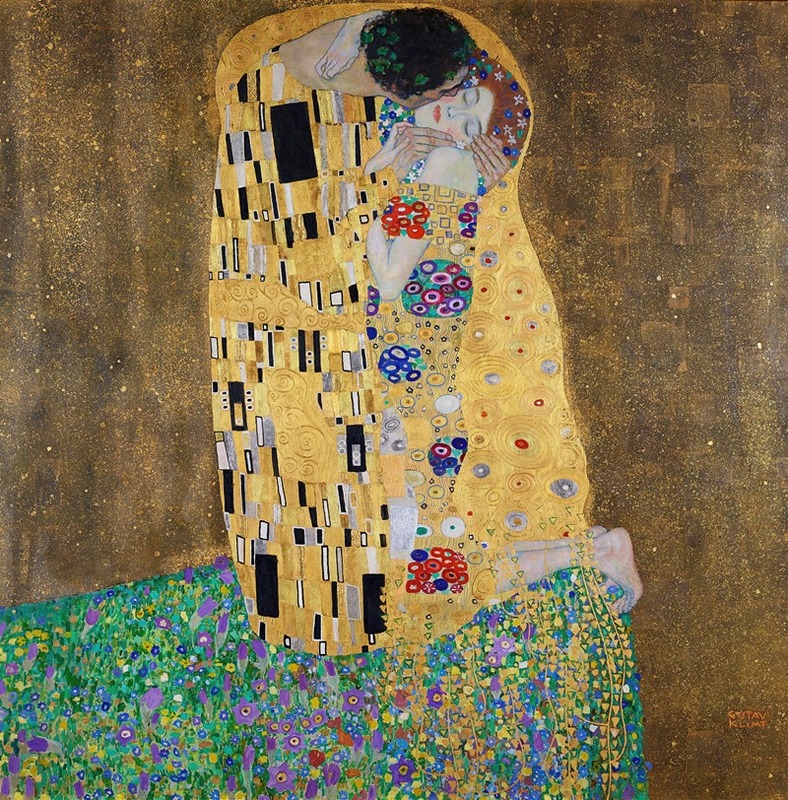
The kiss
Gustav Klimt
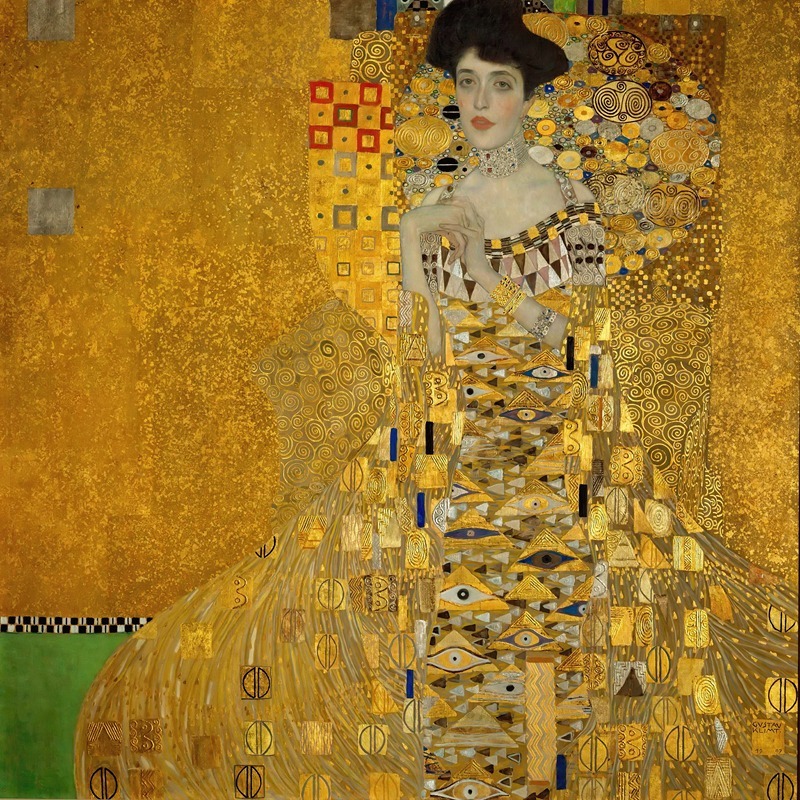
Portrait of Adele Bloch-Bauer I
Gustav Klimt
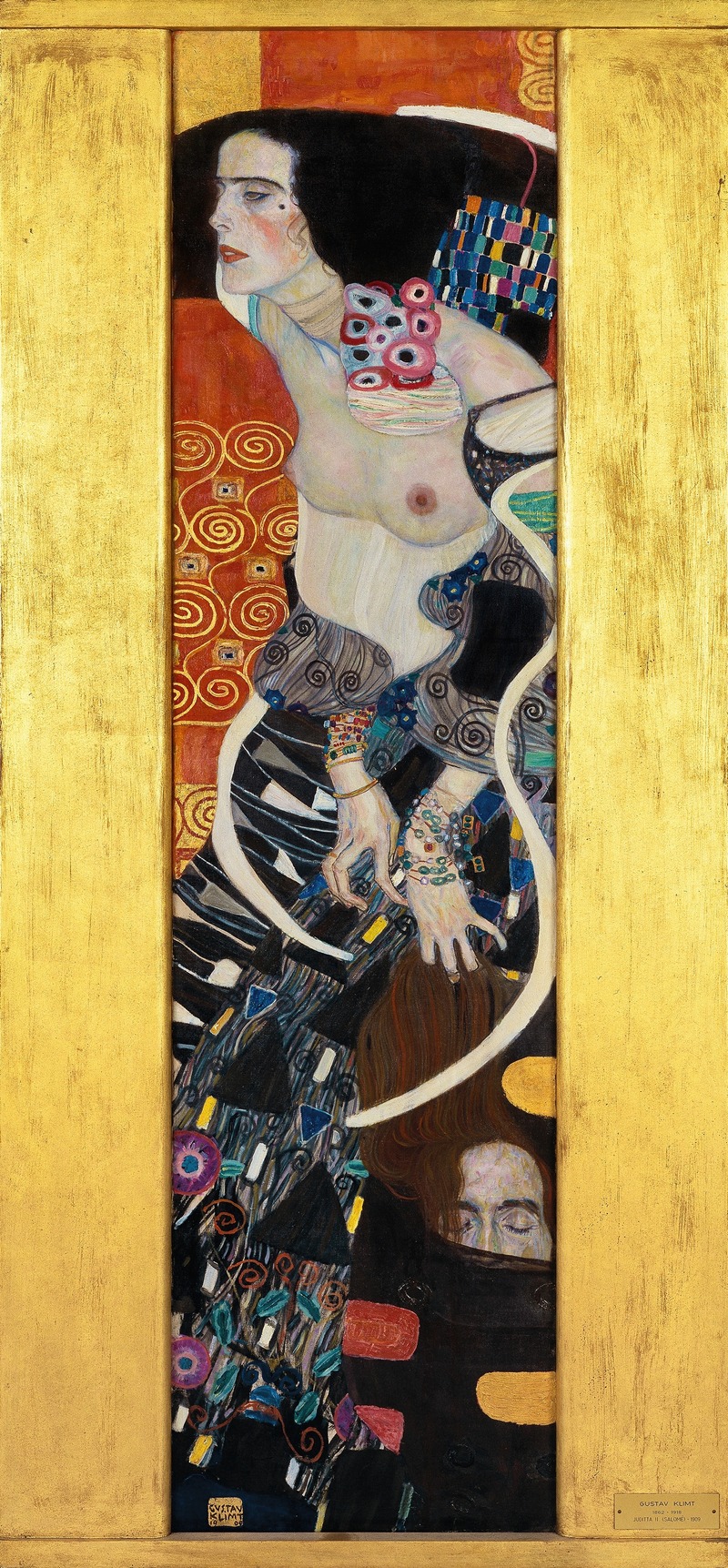
Judith II (Salome)
Gustav Klimt
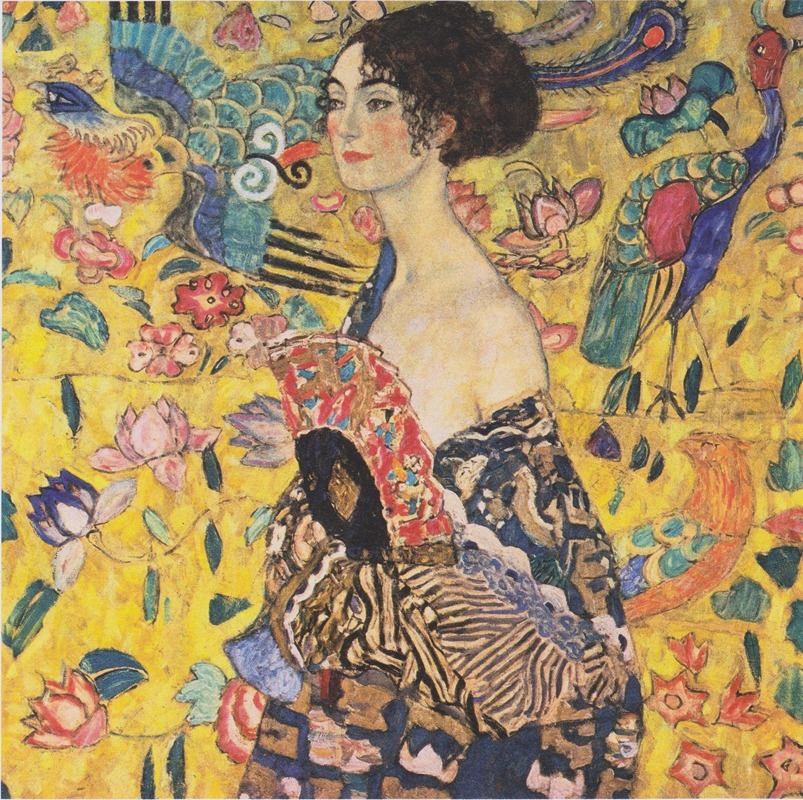
Woman with fan
Gustav Klimt
The kiss (lovers)
Gustav Klimt
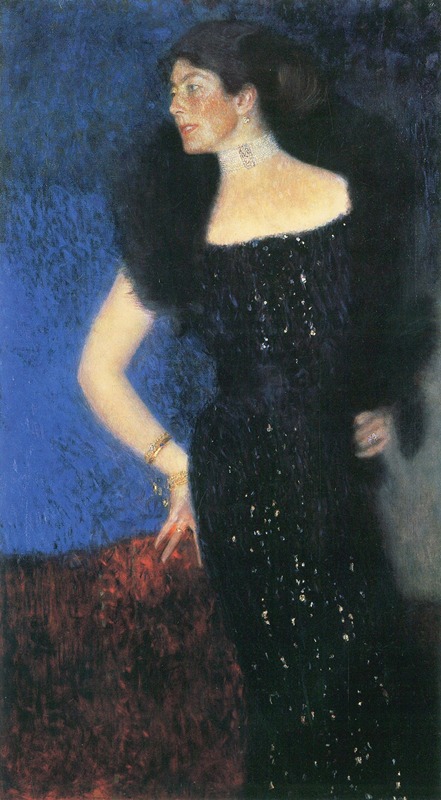
Portrait of Rose von Rosthorn-Friedmann
Gustav Klimt
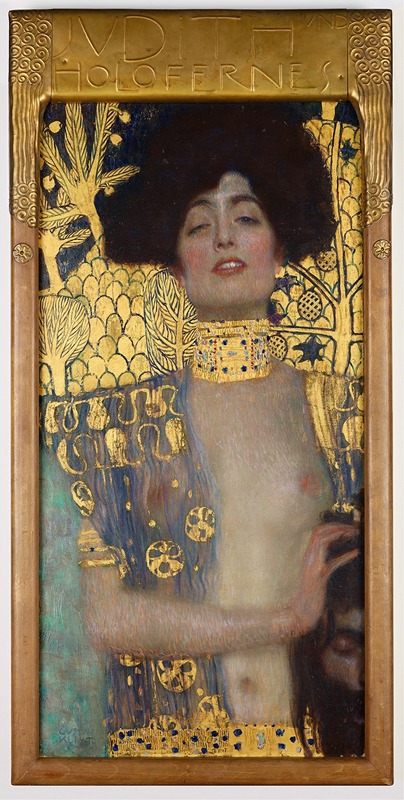
Judith
Gustav Klimt
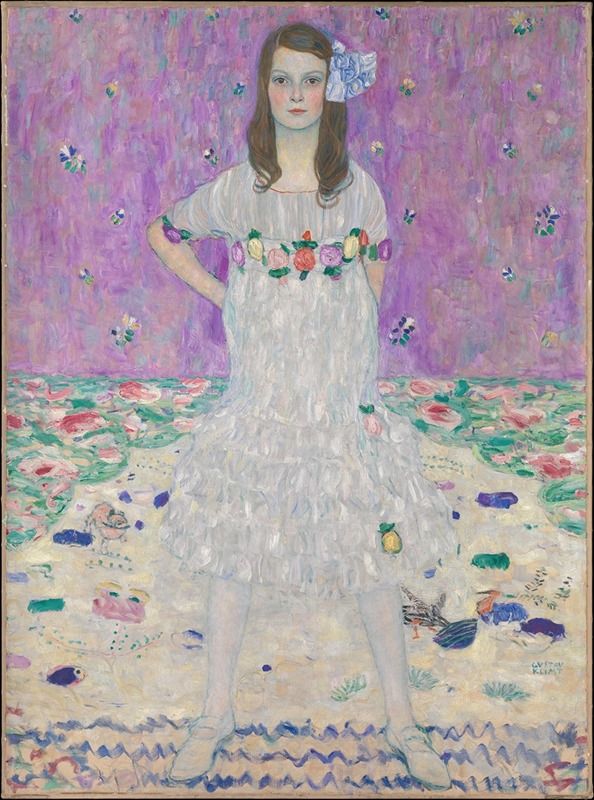
Mäda Primavesi
Gustav Klimt
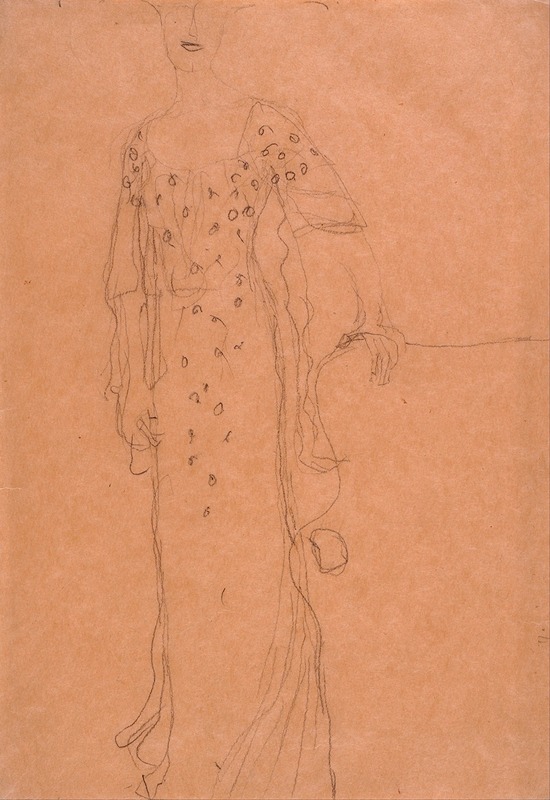
Study for Portrait of Adele Bloch-Bauer I
Gustav Klimt
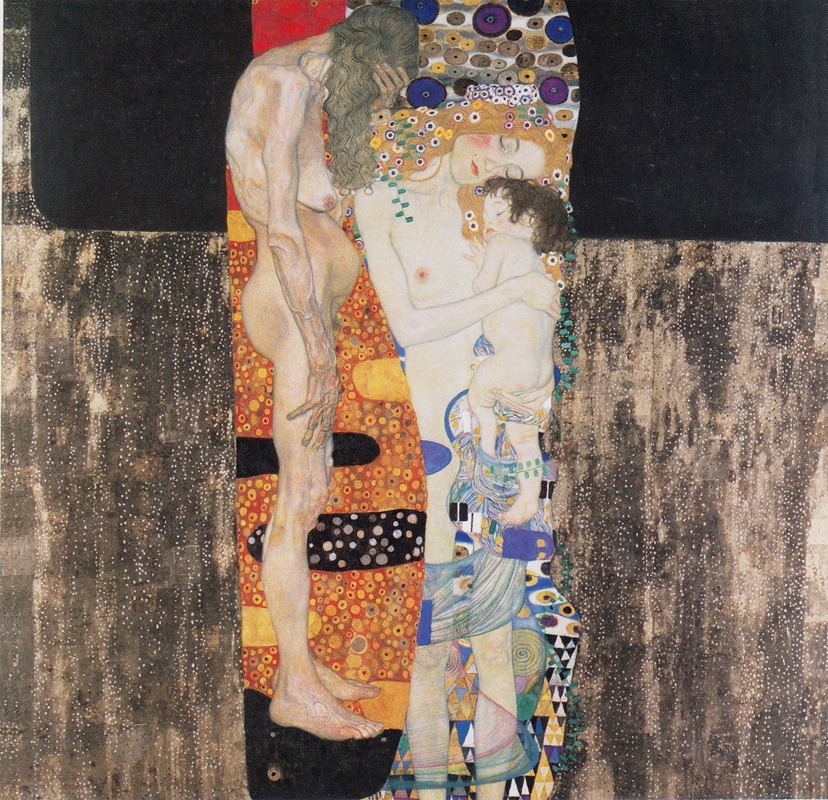
The Three Ages of the Woman
Gustav Klimt
More Allegory Art
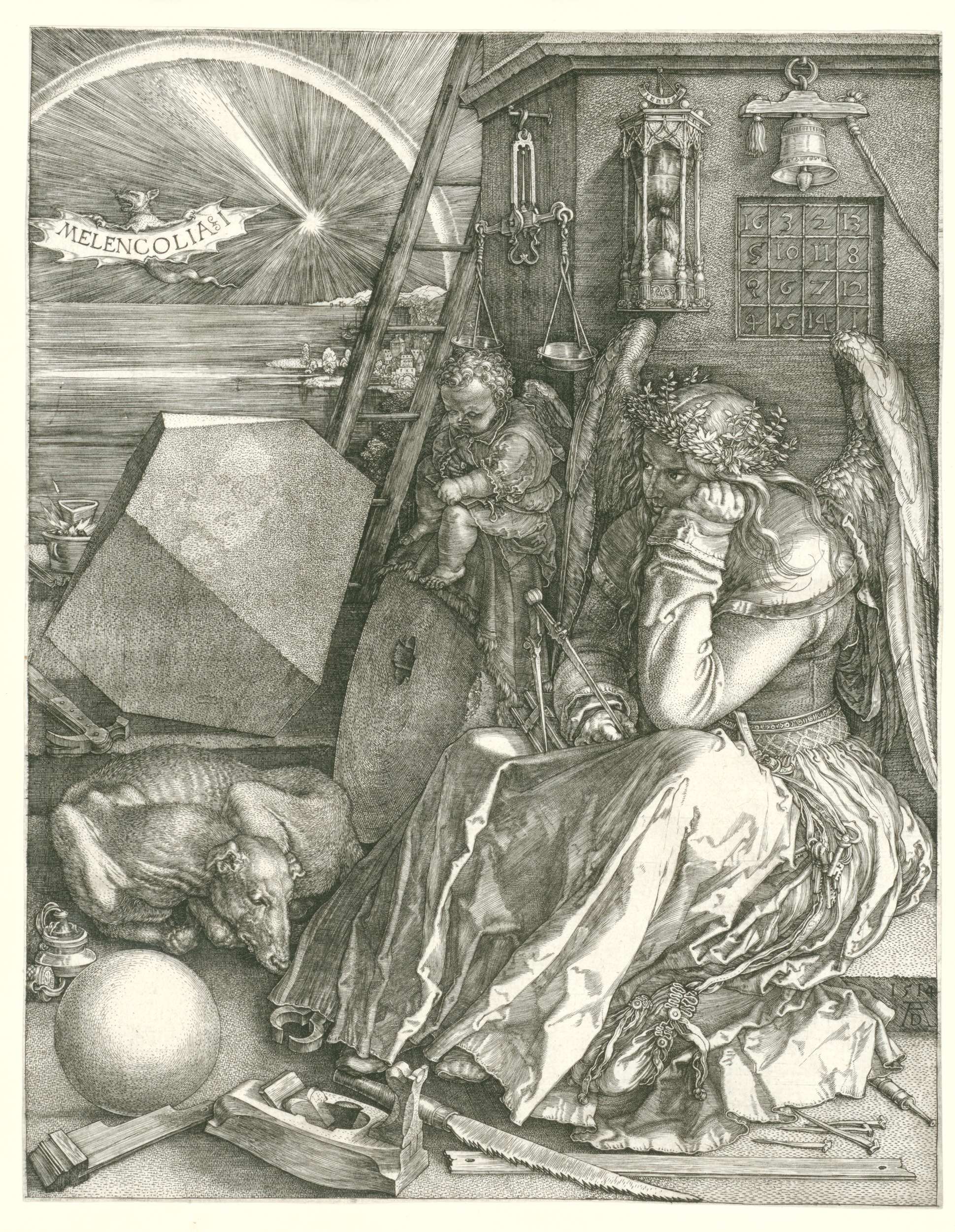
Melancholia
Albrecht Dürer
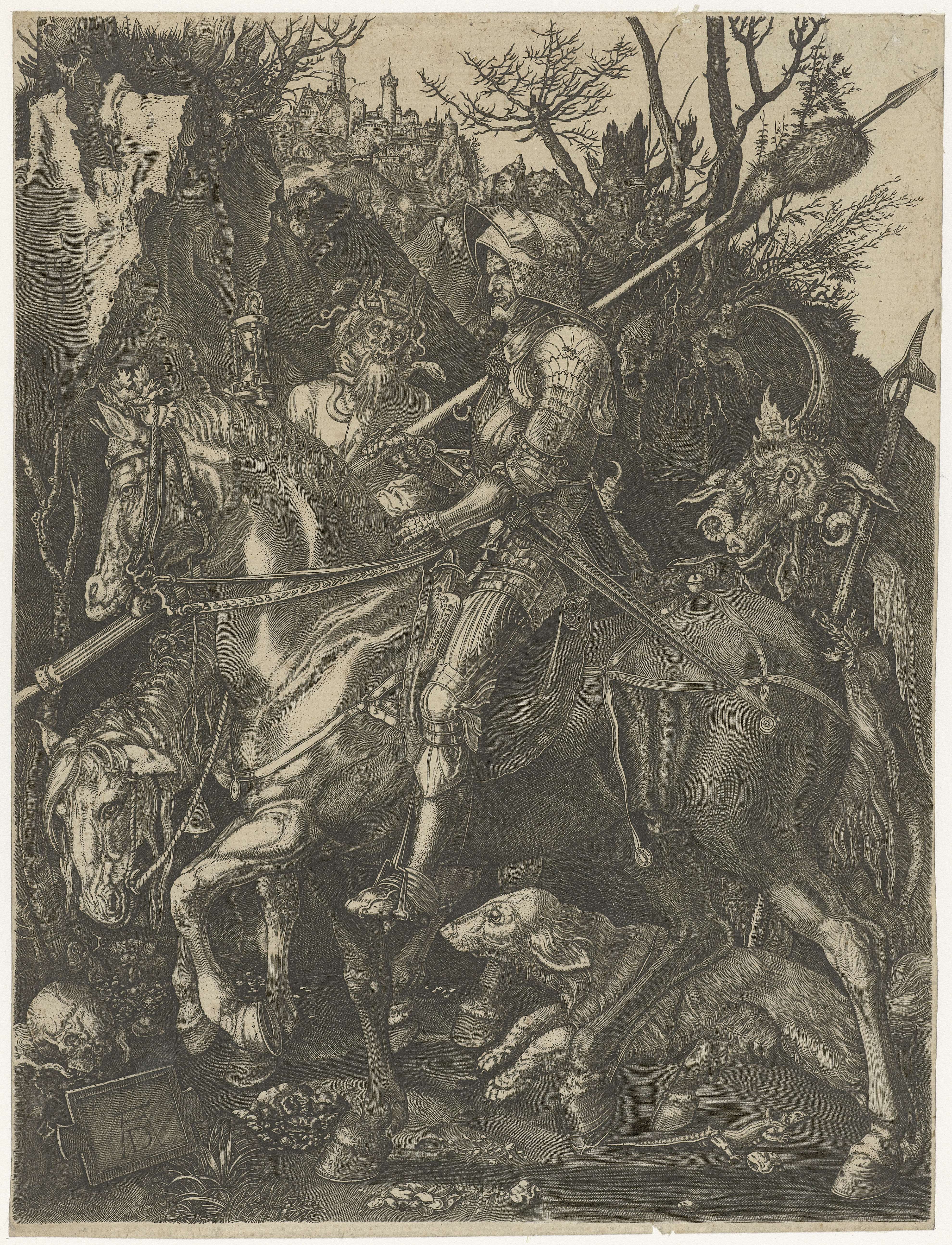
Ridder, Dood en Duivel
Unknown Artist
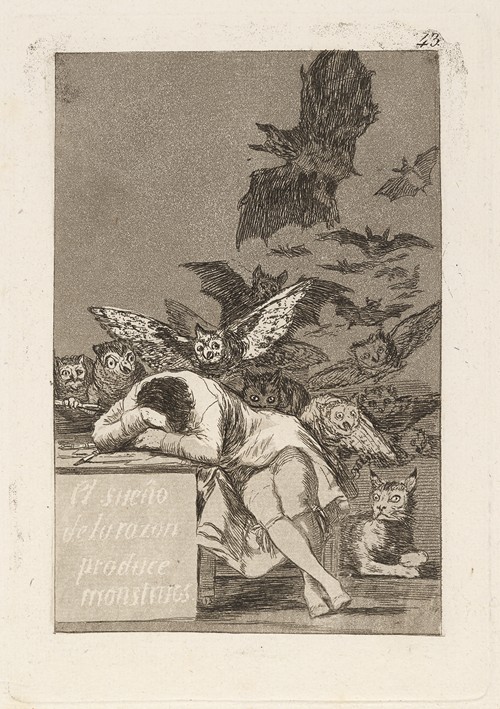
El sueño de la razon produce monstruos. (The sleep of reason produces monsters.)
Francisco de Goya
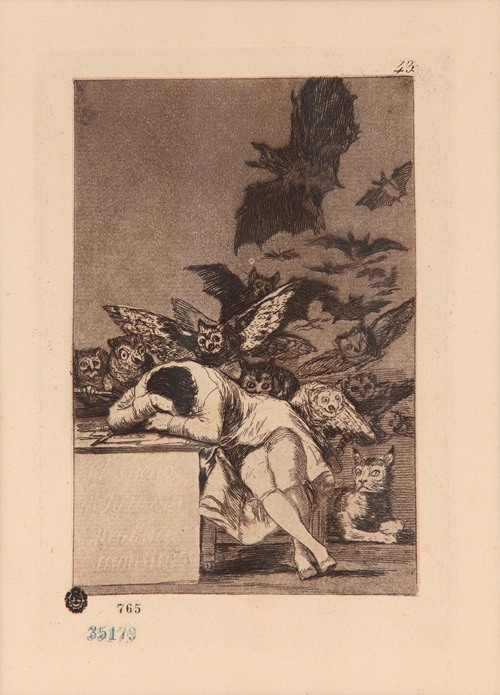
El sueño de la razon produce moustruos (Serie Caprichos)
Francisco de Goya
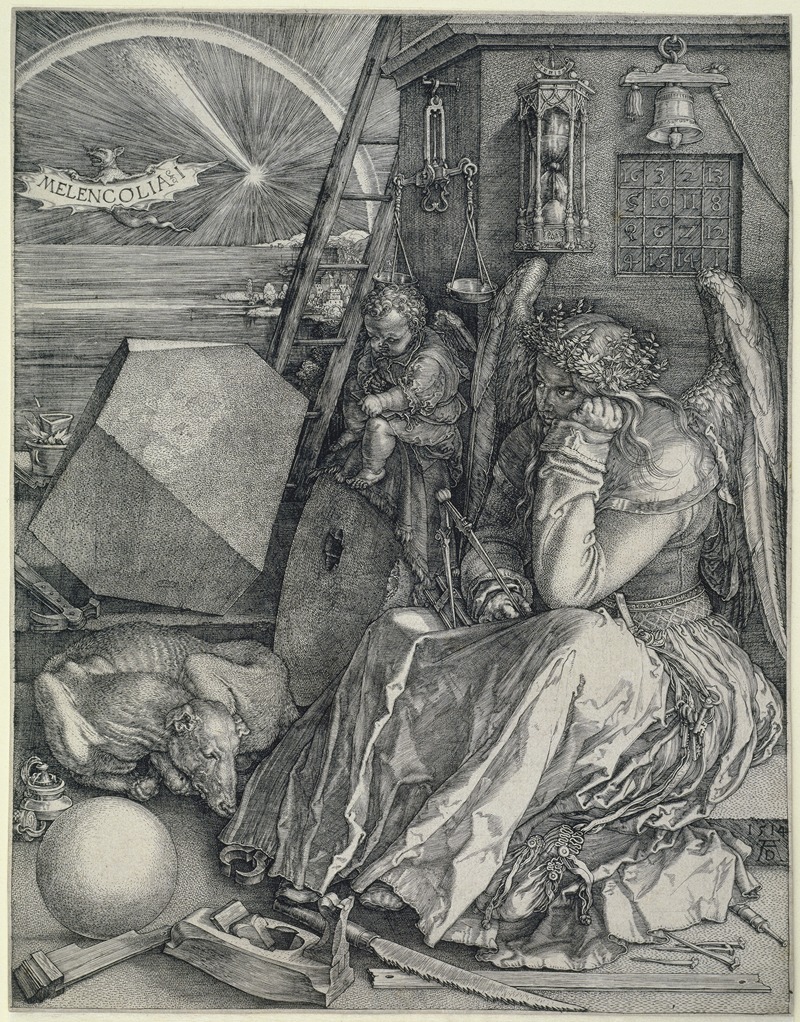
Melencolia I (The Melancholy)
Albrecht Dürer
The Three Ages of the Woman
Gustav Klimt