
Numazu — History & Facts
It whispers through every brushstroke, an echo of obsession that reaches far beyond the canvas. In Numazu, layers of ink and color converge to capture a fleeting moment, inviting the viewer to lose themselves in its depths. Look to the foreground, where waves crash against the shore, the frothy white tips contrasting sharply with tranquil blues and soft greens. Notice how the blue sky melts into the horizon, while an array of boats gently dance upon the water, their sails billowing in the afternoon breeze.
The meticulous detail in the rippling waves showcases Hiroshige's masterful technique, each stroke breathing life into the scene. The colors, vibrant yet restrained, suggest a harmony between nature and human endeavor. Dig deeper, and you'll find the tension woven into the fabric of this landscape. The boats symbolize both freedom and confinement, their movement suggesting the passage of time, while the calm waters harbor an unsettling stillness.
The looming Mount Fuji in the distance stands as a silent guardian, inviting contemplation and inspiring obsession in those who gaze upon it. Each element within the composition speaks to the duality of existence: beauty intertwined with fleeting moments of tranquility, and the unrelenting pull of nature's majesty. Created in 1855 during the Edo period in Japan, the artist found himself amidst a flourishing ukiyo-e movement. At this time, Hiroshige was focused on the landscapes and scenes of daily life that captivated his audience, reflecting the cultural shift toward appreciating the beauty of everyday moments.
With Numazu, he not only captured a picturesque locale but also an emotional essence, revealing the depth of his artistic obsession.
More Artworks by Utagawa Hiroshige
Browse all →
Sudden Shower over Shin Ohashi Bridge and Atake (Ohashi Atake no yudachi), from the series "One Hundred Famous Views of Edo (Meisho Edo hyakkei)"
Utagawa Hiroshige
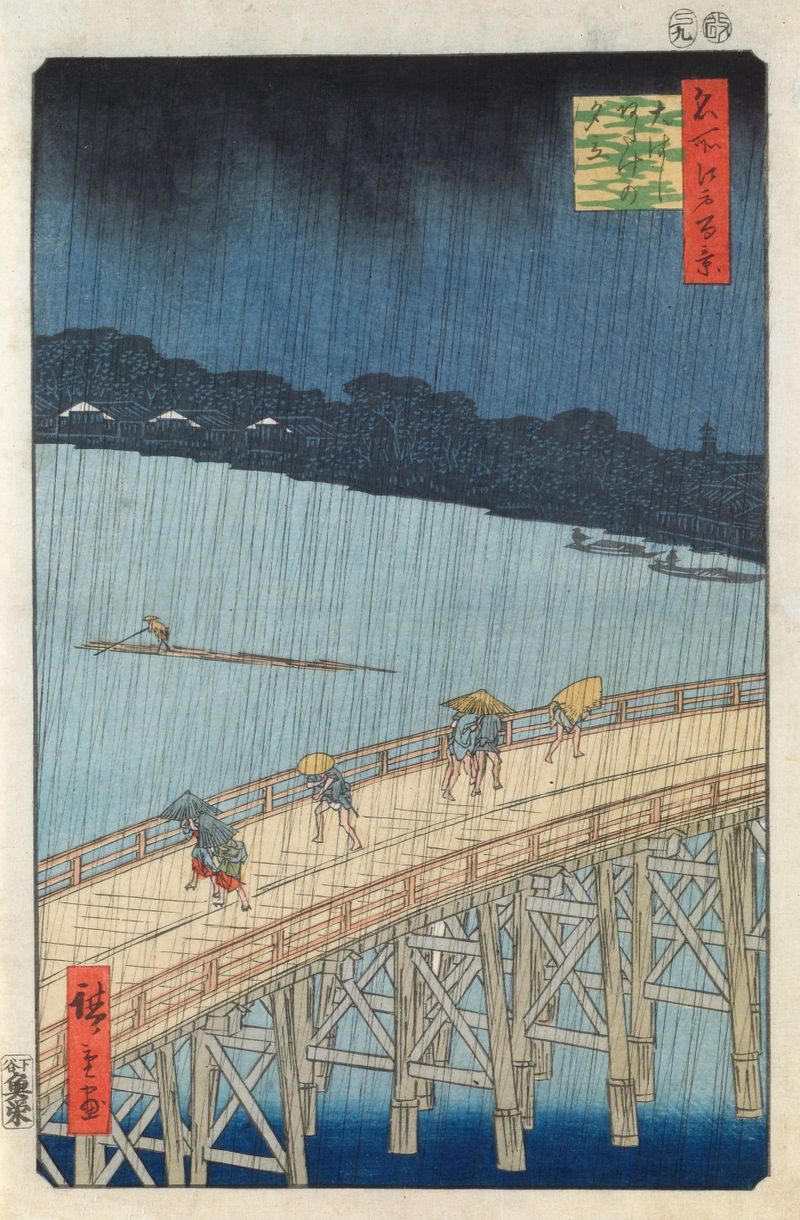
Sudden Shower Over Ohashi Bridge and Atake
Utagawa Hiroshige
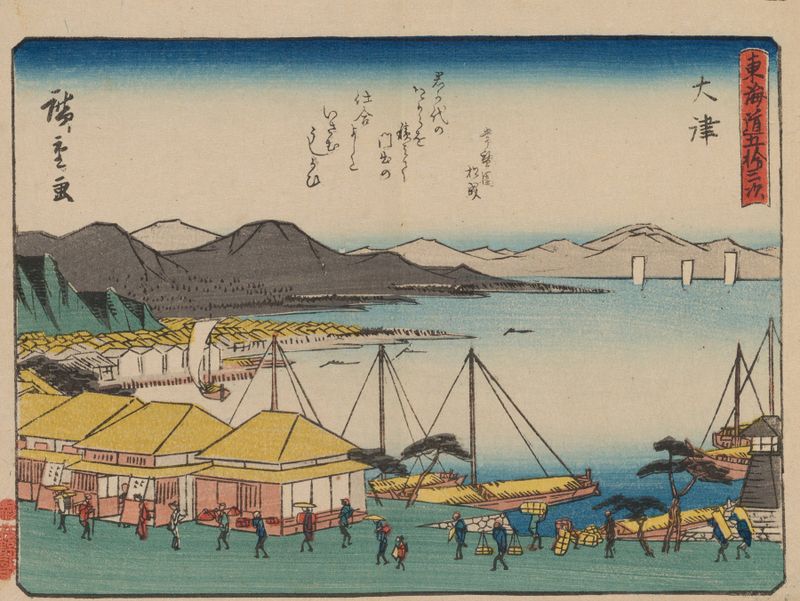
Tokaido gojusantsugi, Pl.54
Utagawa Hiroshige
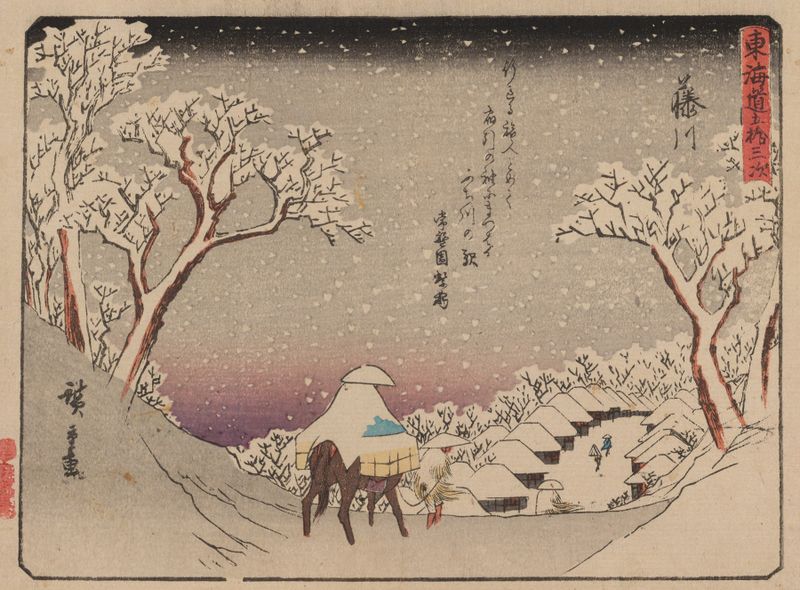
Tokaido gojusantsugi, Pl.38
Utagawa Hiroshige
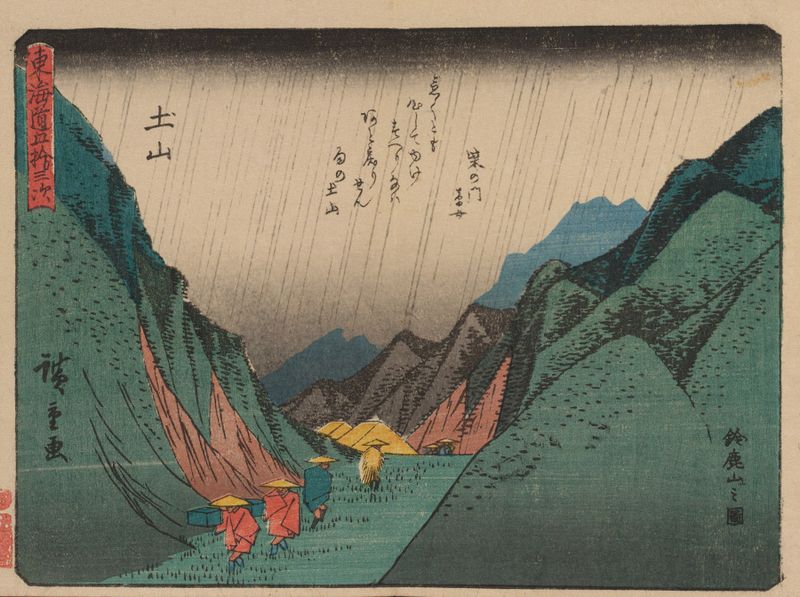
Tokaido gojusantsugi, Pl.50
Utagawa Hiroshige
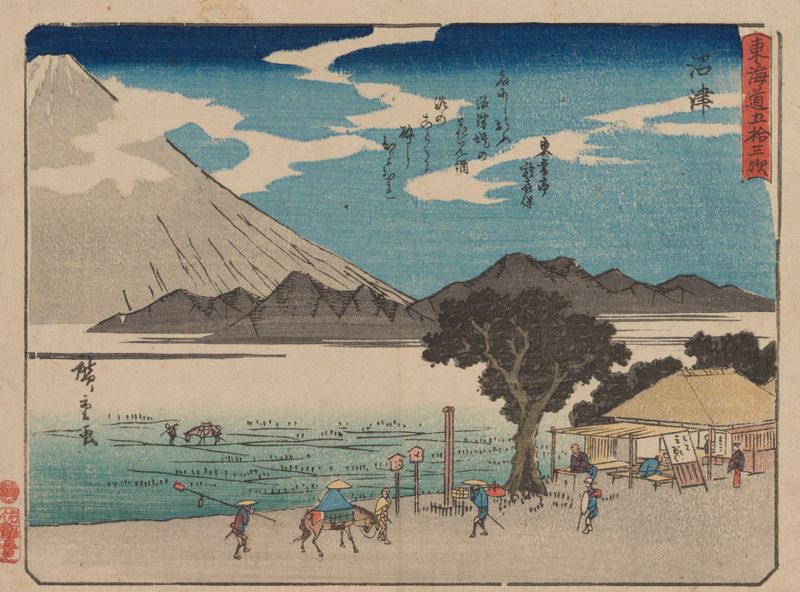
Tokaido gojusantsugi, Pl.13
Utagawa Hiroshige
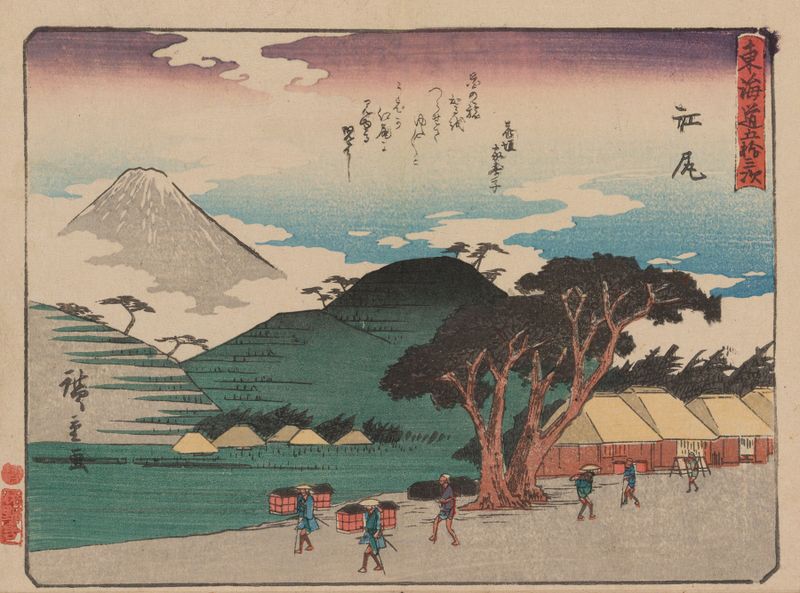
Tokaido gojusantsugi, Pl.19
Utagawa Hiroshige
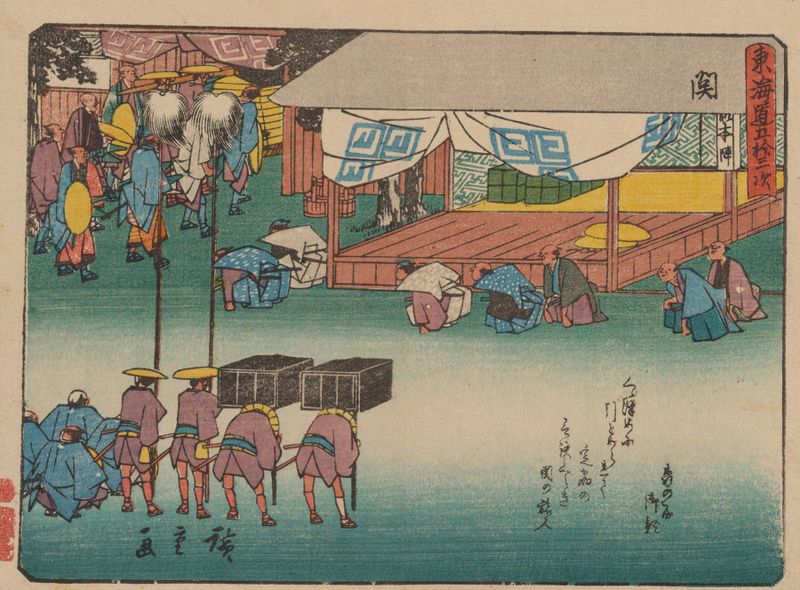
Tokaido gojusantsugi, Pl.48
Utagawa Hiroshige
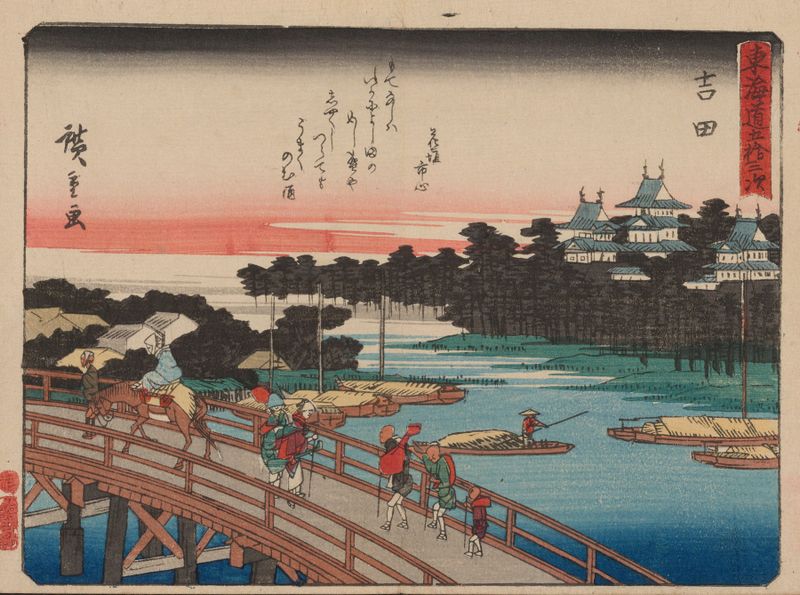
Tokaido gojusantsugi, Pl.35
Utagawa Hiroshige
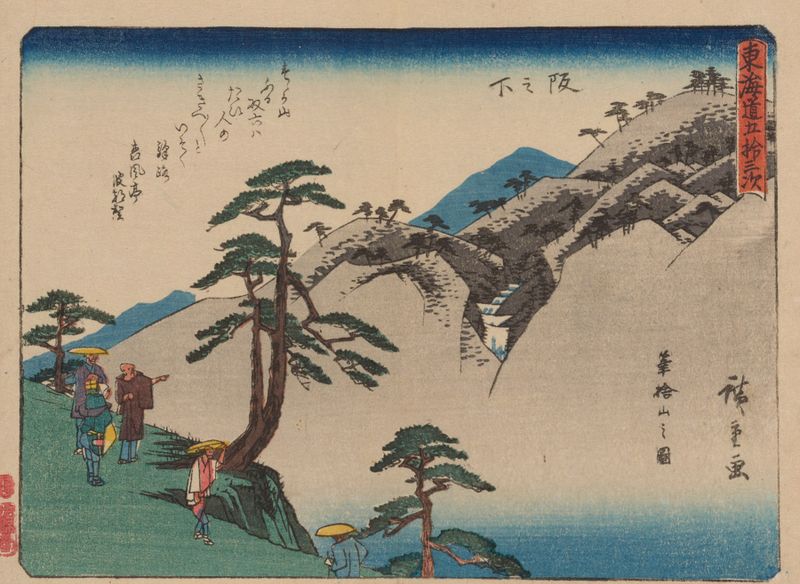
Tokaido gojusantsugi, Pl.49
Utagawa Hiroshige





