
Nuremberg — History & Facts
In an age where the cacophony of modernity often drowns out the echoes of history, some works beckon us to confront profound emptiness. Focus on the empty streets that stretch across the canvas, each cobblestone seemingly steeped in silence. The muted palette of browns and grays invites contemplation, while the sparse architecture looms like specters from a forgotten past. The sky, a wash of pale blue, adds to the sense of vastness, while shadows linger, hinting at stories untold.
Notice how the brushwork creates a textural rhythm, inviting your gaze to meander through the desolate landscape. The emptiness captured here evokes feelings of loss and nostalgia. In the absence of figures, we are left to ponder who once walked these streets and what memories might linger in the air. The contrast between the stillness of the environment and the invisible hustle of life invites a haunting reflection on the passage of time.
Beneath this serene facade lies a weighty tension, as if the city itself is holding its breath, waiting for the moments that have long since slipped away. Jan Ciągliński painted this piece in 1906 while living in Germany, a time when the world was on the brink of monumental change. His early career was marked by exploration, as he sought to capture the echoes of the past amidst the burgeoning modern era. The haunting quality of Nuremberg reflects the artist's own grappling with historical memory and the shadows that loom over a rapidly evolving society.
More Artworks by Jan Ciągliński
Browse all →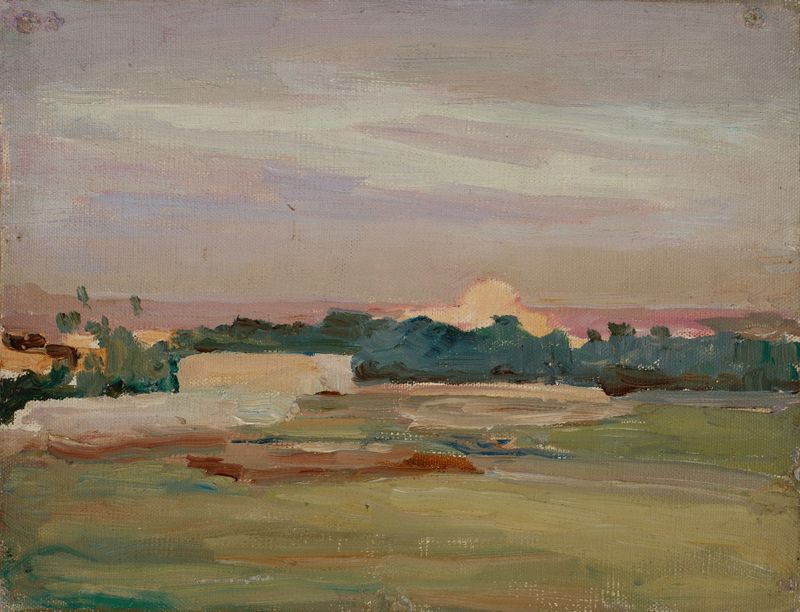
The Sirocco
Jan Ciągliński
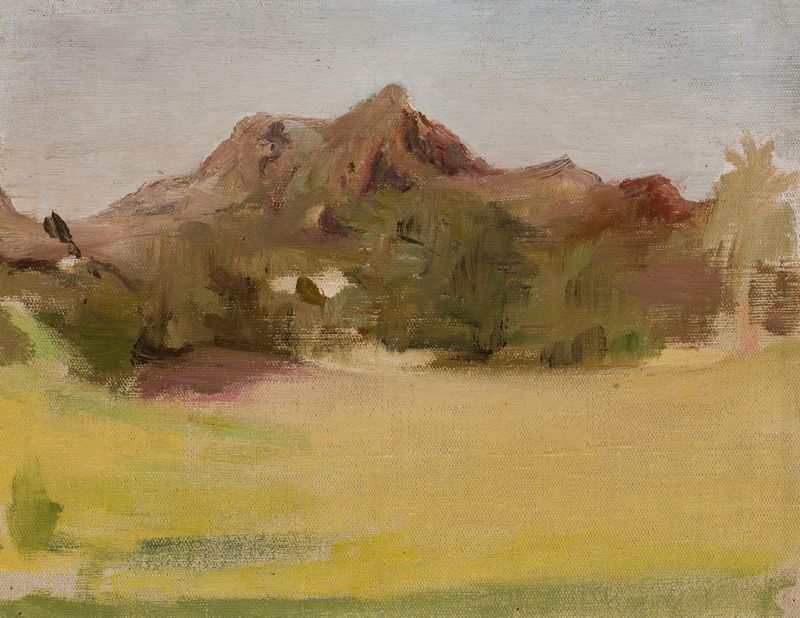
Mountain landscape. From the journey to India
Jan Ciągliński
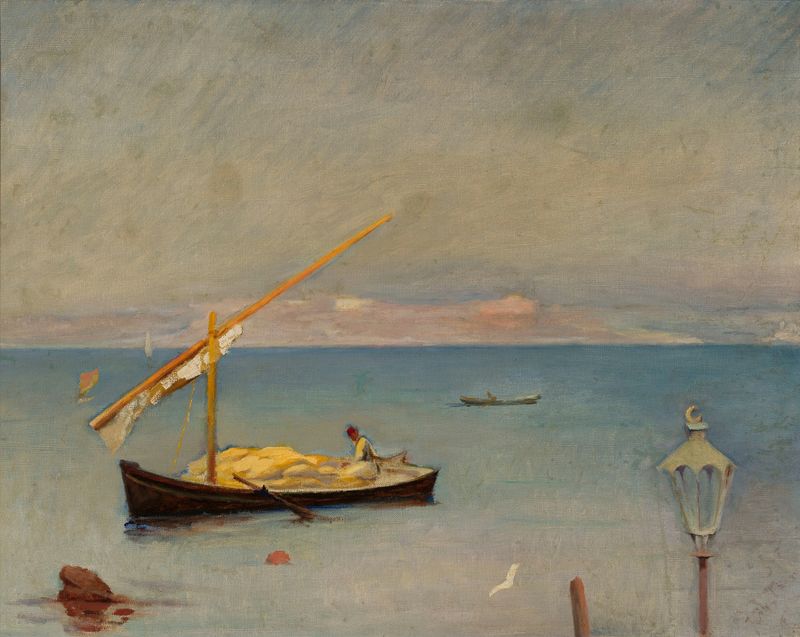
At Bosporus
Jan Ciągliński
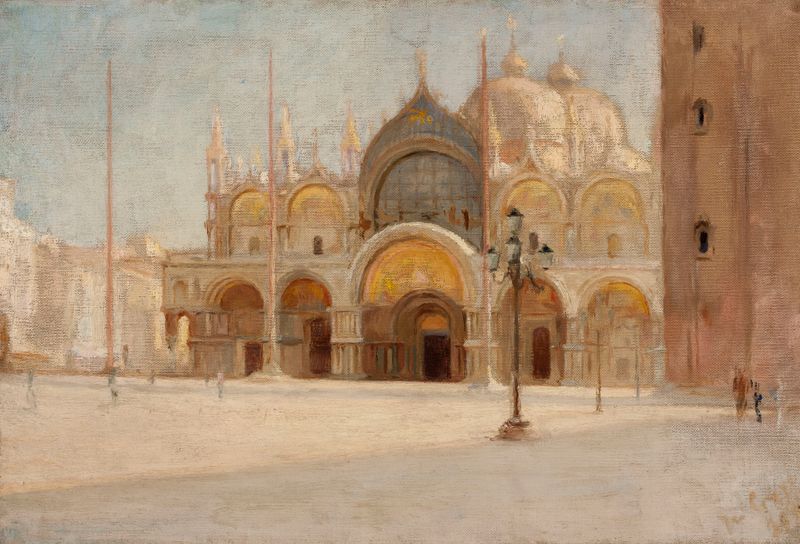
St Mark’s Square in Venice
Jan Ciągliński
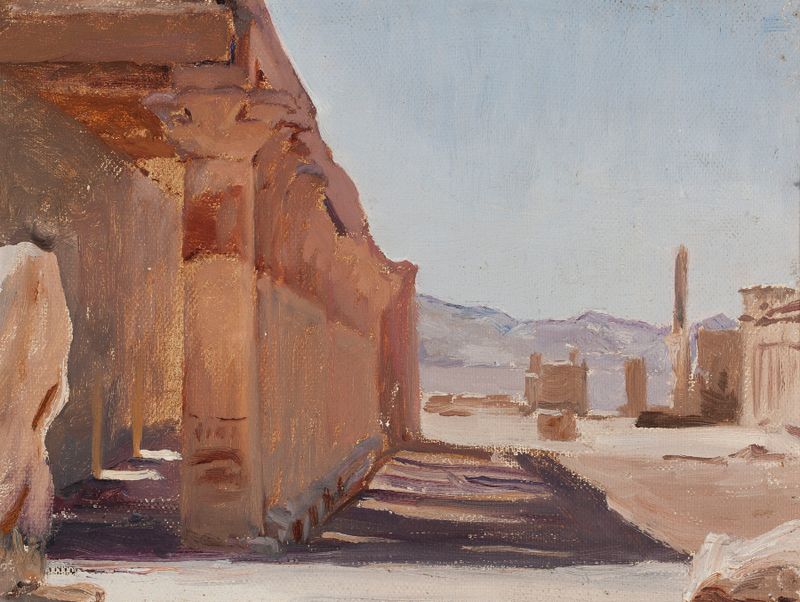
Temple. From the journey to Egypt
Jan Ciągliński
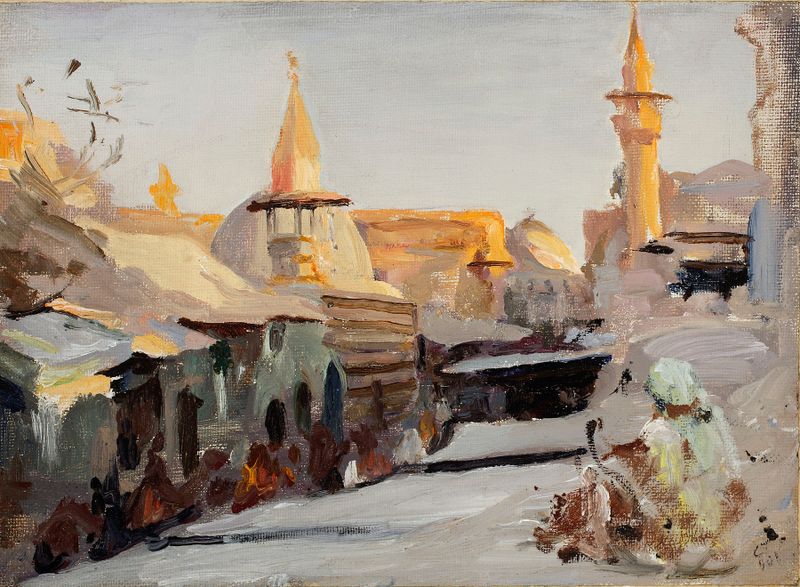
Street in Damascus. From the journey to Palestine
Jan Ciągliński
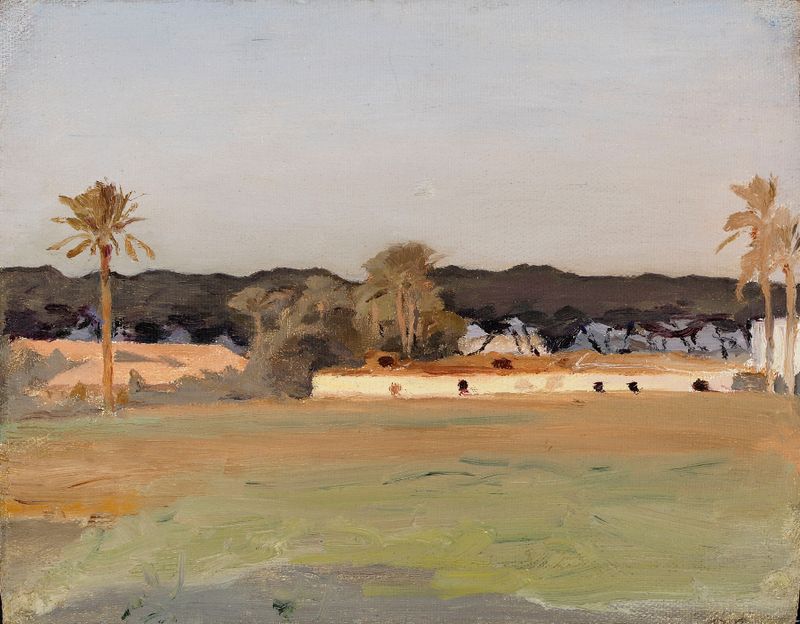
Evening. From the journey to Egypt
Jan Ciągliński
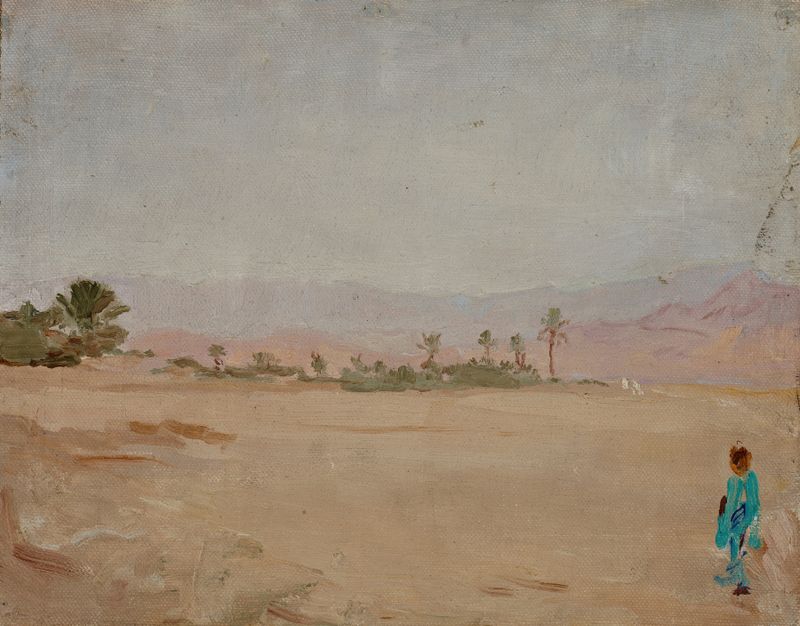
Sahara (Desert)
Jan Ciągliński
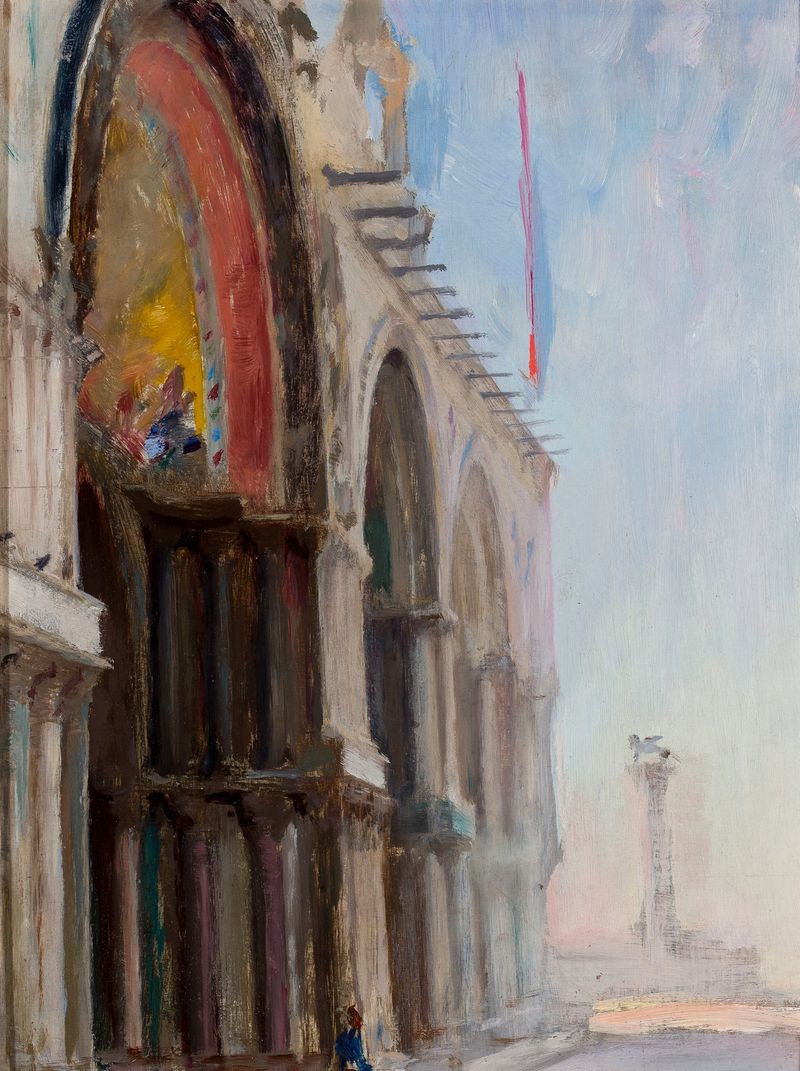
Venice – San Marco. From the journey to Italy
Jan Ciągliński
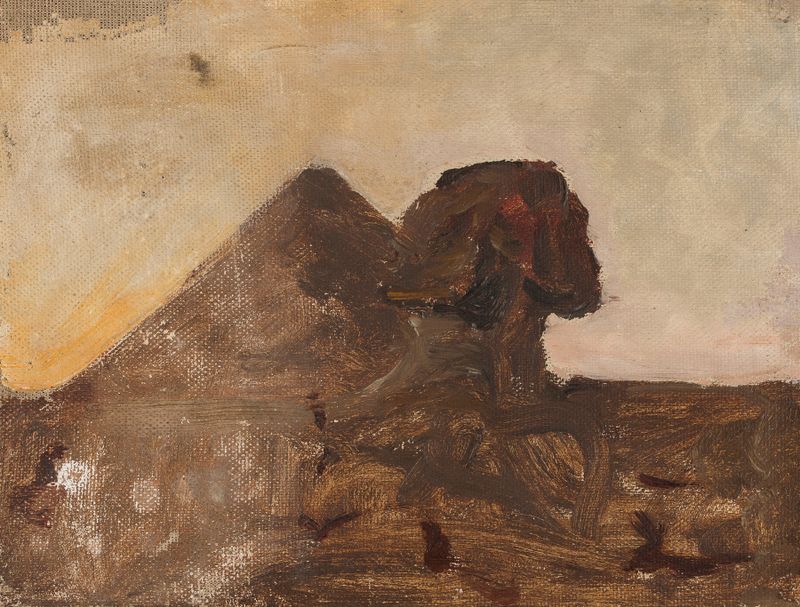
Evening in the desert – Sphinx and pyramid. From the journey to Egypt
Jan Ciągliński





