NYC Street Scene — History & Facts
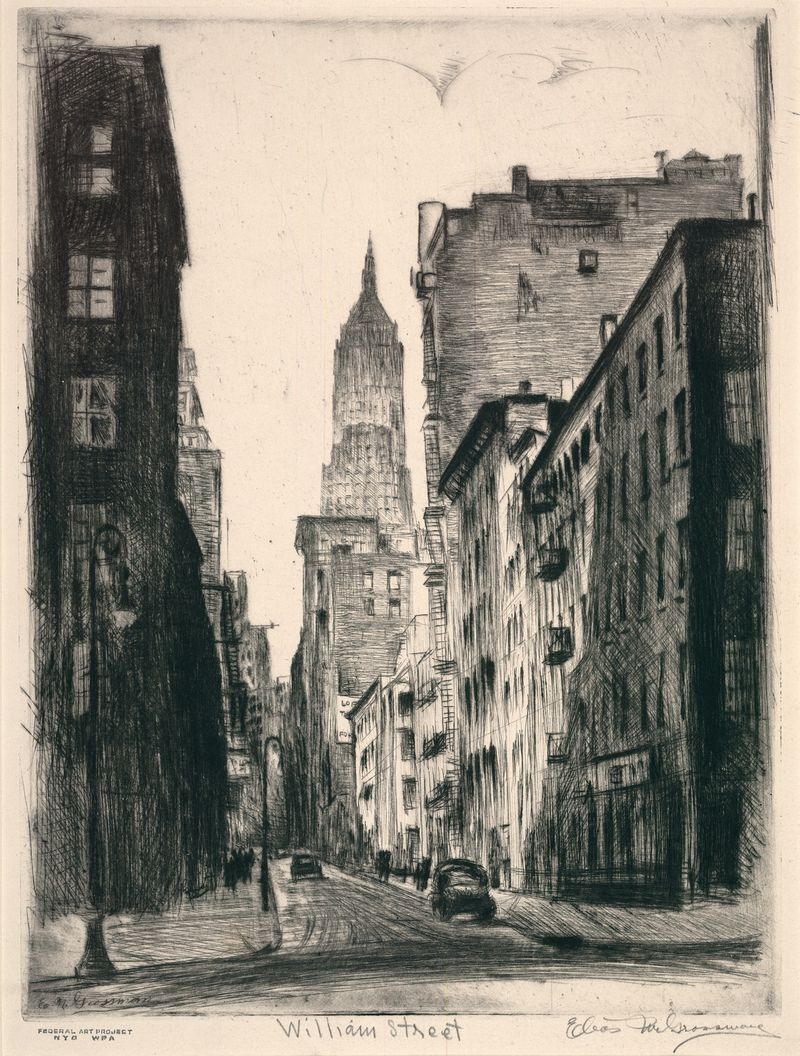
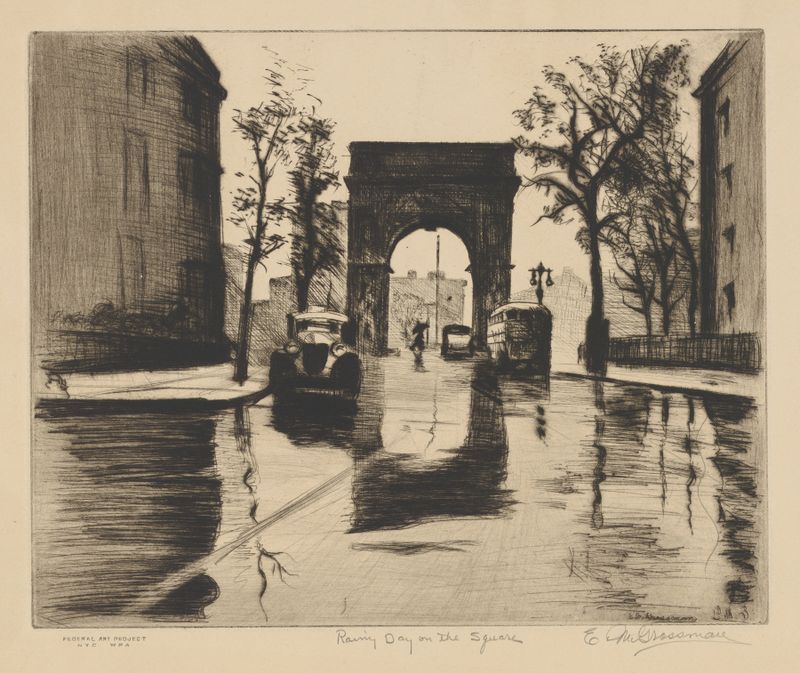
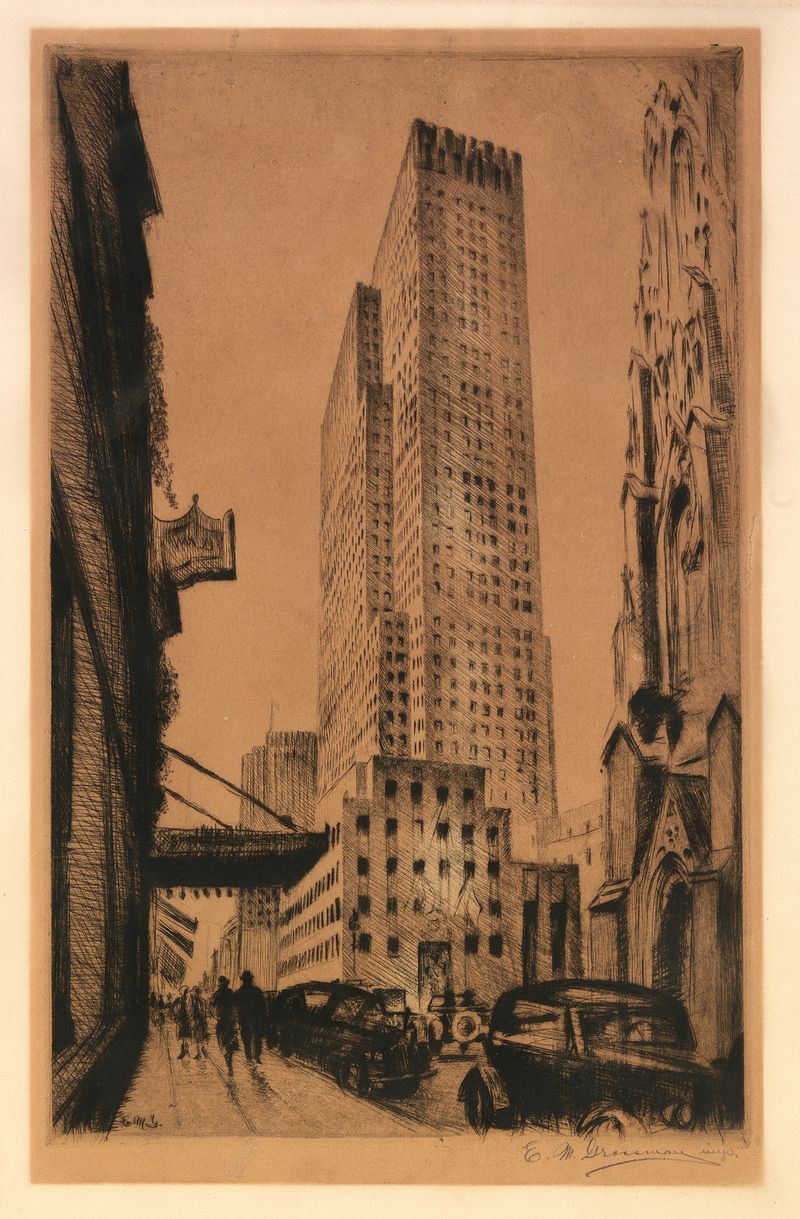
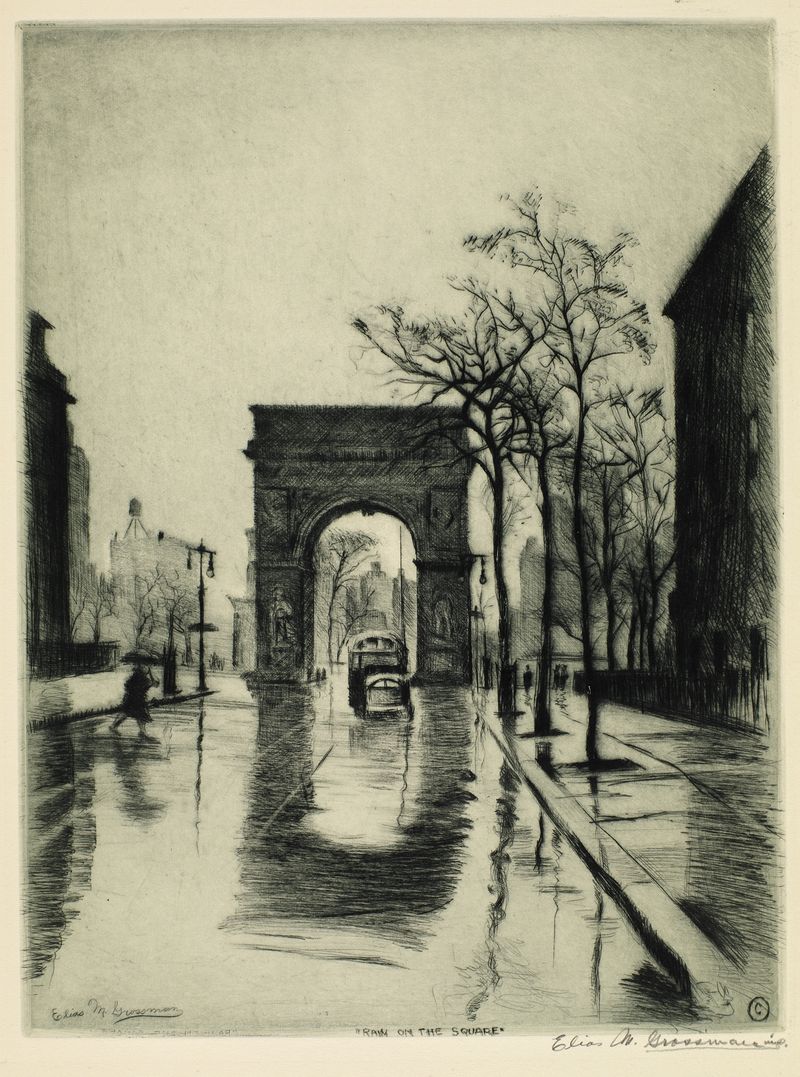
What if beauty was never meant to be finished? In the heart of a bustling city, the echoes of life and violence intertwine, painting a portrait of existence that is both vibrant and haunting. Look to the left at the stark contrast of shadows cast by towering buildings, where the sun struggles to break free. Notice how the artist deftly captures the tumult of city life through a cacophony of colors — bold reds and deep blues clash against muted grays and browns, evoking a sense of urgency and discomfort. The hurried figures, mere silhouettes in the foreground, beckon the viewer to engage with their stories, frozen in a moment of tension, caught between aspiration and despair. Within this chaotic scene lies a deeper commentary on urban existence.
The juxtaposition of movement and stillness reveals the violent pulse of the city, suggesting that chaos is an inherent part of beauty. Each passerby, lost in their own world, represents the fragility of dreams in a landscape where life is both precious and perilous. The artist’s technique — quick, expressive brushstrokes — invokes a sense of immediacy while emphasizing the fleeting nature of beauty amidst the disarray. Elias Grossman painted this piece between 1935 and 1943, a time when the world was grappling with the aftermath of the Great Depression and the looming threat of World War II.
Living in New York, he was deeply influenced by the urban environment around him, reflecting the struggles and resilience of city life during a period marked by violence and uncertainty. This artwork serves as a testament to his keen observation of the human condition amid the chaos of a rapidly changing world.