Oak — History & Facts
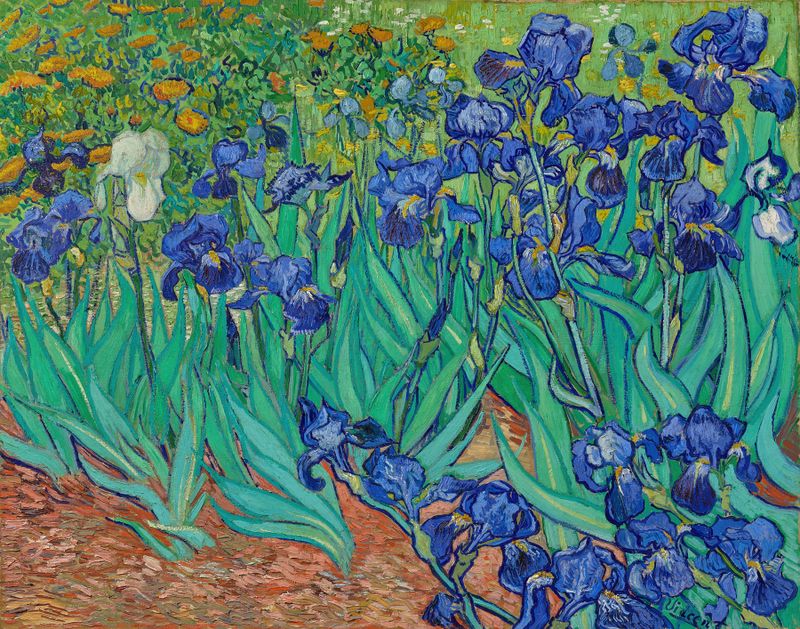
In the stillness of an oak’s embrace, one can trace the lines of obsession etched in its bark, telling stories of time and resilience. Look to the center of the canvas, where the gnarled trunk rises majestically, its deep browns and muted greens exuding an ancient wisdom. The artist employs a rich texture, using brushstrokes that mimic the rugged surface of the tree’s bark, drawing the viewer’s eye to its detailed patterns. Notice how light filters through the canopy, creating dappled shadows that dance across the ground, evoking a sense of both sanctuary and solitude.
The composition invites contemplation, as each angle reveals a different aspect of the oak’s grandeur. Yet, within this natural beauty lies an undercurrent of obsession—a profound connection between man and nature. The oak, steadfast and enduring, seems to represent humanity’s longing for permanence in a transient world, while the surrounding space hints at the isolation that this desire can bring. The contrast between the vibrant life of the tree and the ominous shadows below reflects that complexity; it suggests a struggle between growth and confinement, freedom and entrapment. Created during the 19th century in Poland, the artist explored themes of nature and its relationship with humanity in a period marked by political upheaval and social change.
Koźma Czuryłło, known for his intricate landscapes, was deeply influenced by Romanticism, capturing the essence of the natural world as a reflection of inner turmoil. Oak stands as a testament to this artistic evolution, inviting viewers to contemplate their own entanglement with time and space.