
Oakhampton Castle — History & Facts
In the dance of light and shadow, the landscape transforms into a sublime reflection of nature’s serenity. Look to the foreground where soft, undulating hills cradle Oakhampton Castle, its silhouette stark against a luminous sky. Notice how the gentle hues of green and gold imbue life into the scene, while the clouds, painted with delicate strokes, appear to hover in a fleeting embrace of the sun’s rays. The artist's deft use of watercolor allows for a fluidity that captures the ephemeral nature of light, immersing the viewer in a moment suspended in time. As your gaze wanders the canvas, subtle contrasts emerge—between the ruggedness of the castle’s stone and the softness of its surrounding landscape.
This juxtaposition invites contemplation on permanence versus transience, as the castle stands resilient amid nature’s transient light. The play of sunlight across the scene evokes a sense of tranquility, yet hints at a deeper narrative of history and change unfolding within and beyond the castle walls. In 1772, Francis Towne painted this work amid the burgeoning Romantic movement, which emphasized emotional depth and a reverence for nature. At this time, he was developing his own unique style while living in England, where landscape painting was evolving into a significant genre.
Towne’s exploration of light and atmospheric effects reflects not only his personal journey as an artist but also the broader cultural shift towards appreciating the sublime in the natural world.
More Artworks by Francis Towne
Browse all →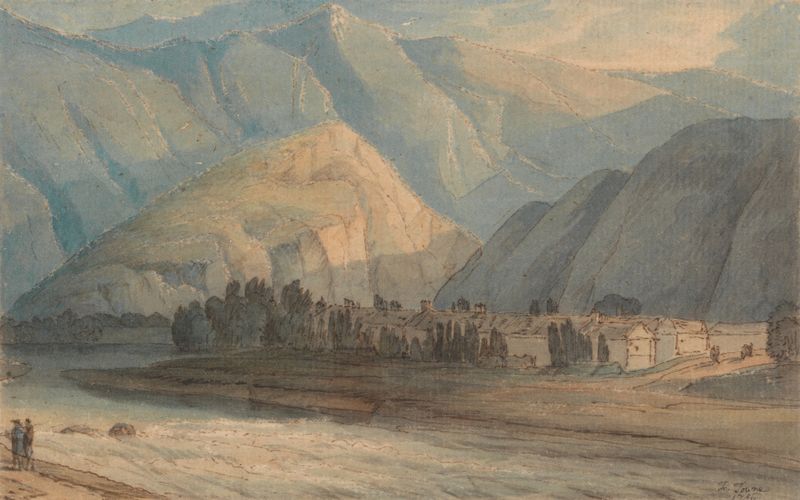
The Grange at the Head of Keswick Lake
Francis Towne

Vauxhall Stairs, from Millbank, July 5, 1797
Francis Towne

View in Borrowdale of Eagle Crag and Rosthwaite
Francis Towne

View of Lake Como with Monte Leoni
Francis Towne
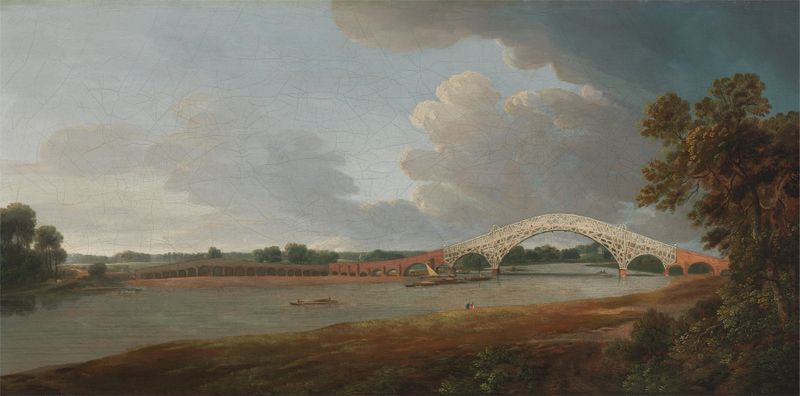
Old Walton Bridge
Francis Towne
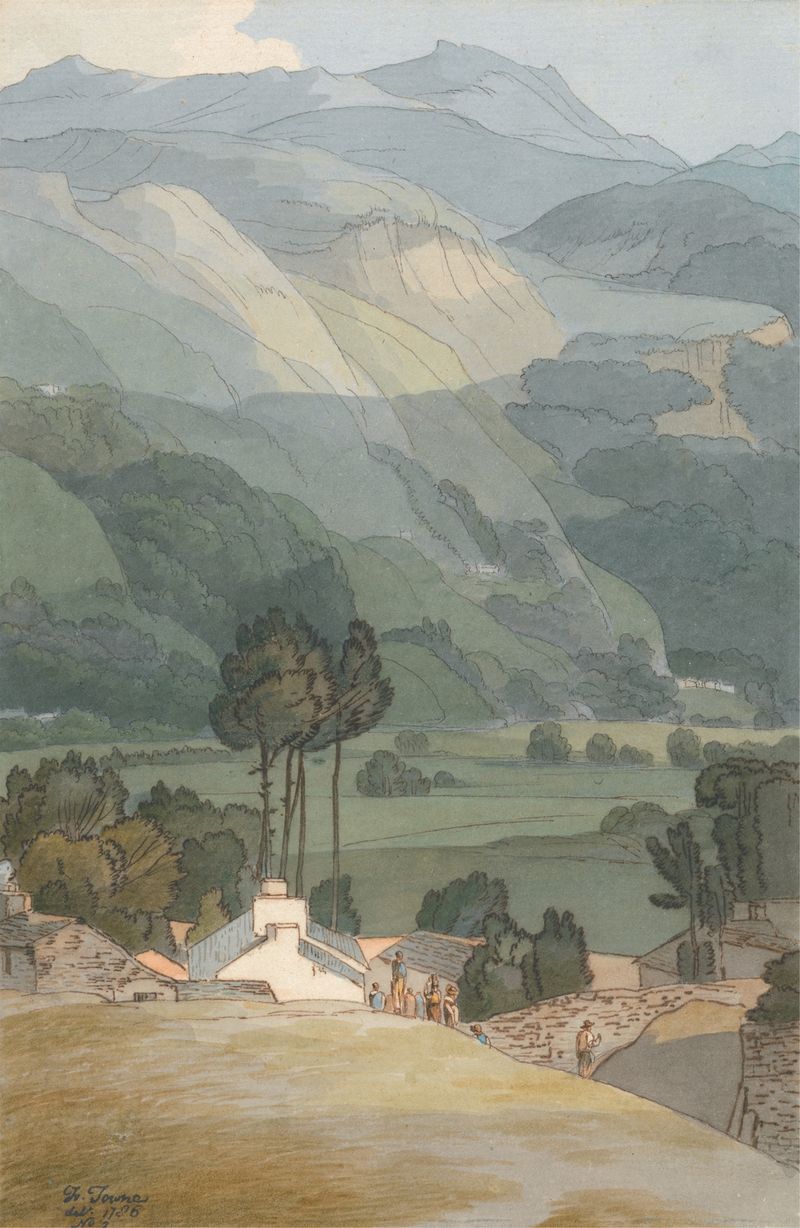
Ambleside
Francis Towne
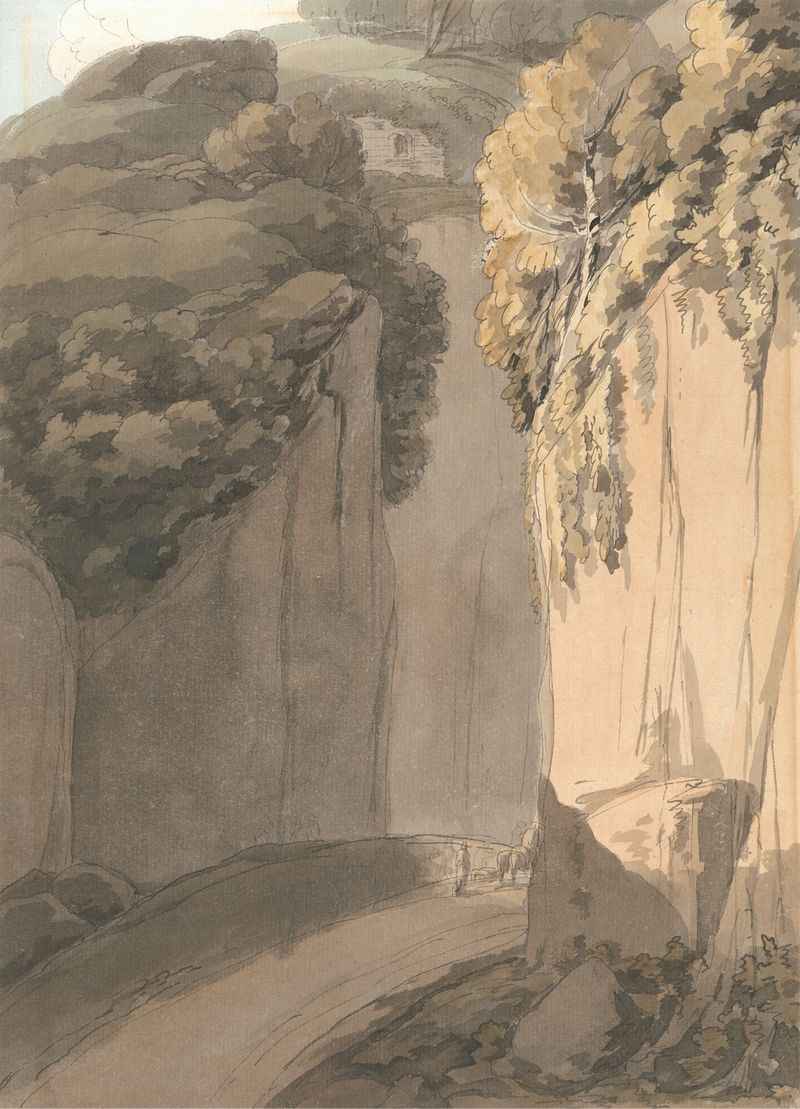
Entrance to the Grotto at Posilippo, Naples
Francis Towne

The Claudian Aquaduct, Rome
Francis Towne

A View Near the Arco Scuro, Looking Towards the Villa Medici, Rome
Francis Towne

View of the Rhydaer
Francis Towne





