
Occupied Fort — History & Facts
Did the painter know this moment would outlive them? The relentless grasp of obsession threads through the air of Occupied Fort, capturing the essence of a fleeting yet significant scene, forever immortalized on canvas. Look to the foreground where the fort's rugged stone walls rise defiantly, their texture palpable, almost as if you could feel the weight of history in your palms. The play of shadows dances across the structure, hinting at the sun setting behind, casting long shadows that stretch across the ground like memories. The muted palette of browns and grays speaks of age and endurance, while flashes of light reflect off the weathered surfaces, drawing the eye toward the flickering figures within — soldiers perhaps, lost in contemplation or duty. Beneath the surface, the painting reveals a deeper conflict: the tension between nature and human endeavor.
The fort, a symbol of protection, stands resilient, yet its very presence suggests a certain futility against the eternal, encroaching greenery that clings to its edges. The juxtaposition of the man-made and the organic evokes a sense of obsession—both the fort's construction and the relentless passage of time shaped by nature's reclaiming touch. Each brushstroke echoes the struggles of humanity against the vastness of life itself. Created during an unspecified time, the artist poured his vision into Occupied Fort amidst personal quests for validation and acknowledgment in a world grappling with artistic movements.
The period, likely rich with discussions about identity and legacy, influenced the work, reflecting not only the struggles of the painter but the broader narrative of those who aim to capture the ephemeral, longing for their stories to resonate through time.
More Artworks by Samuel Davis
Browse all →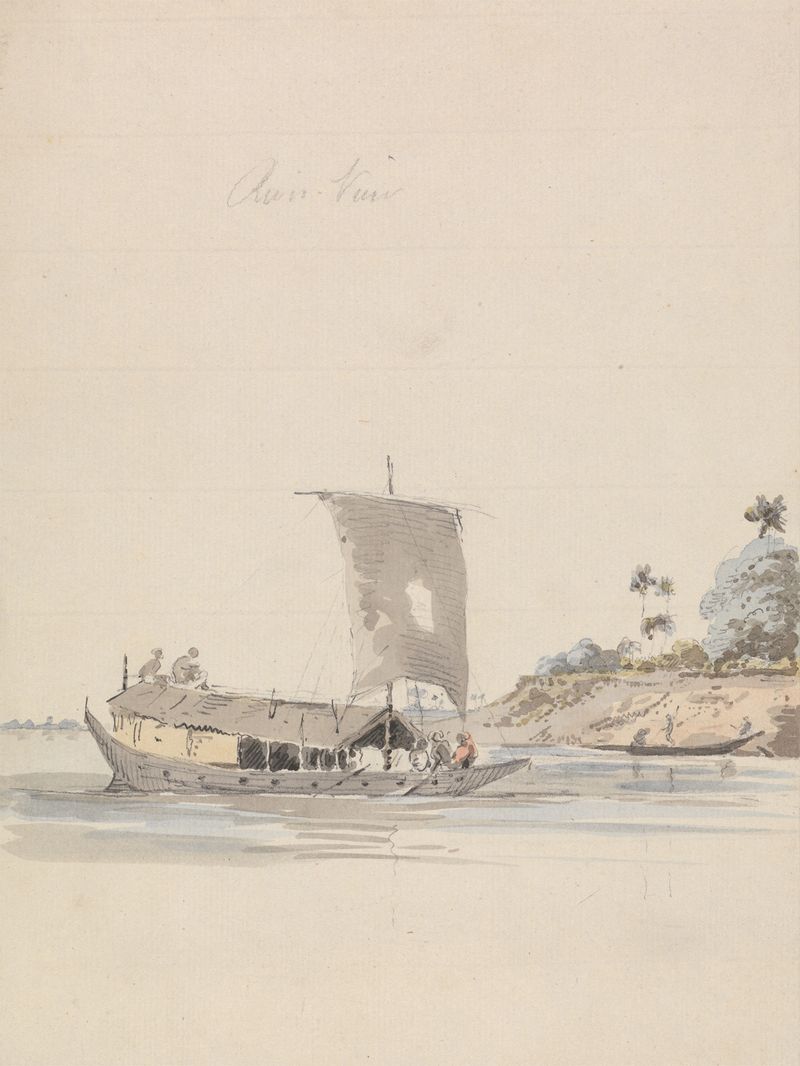
River View with a Junk (near Rajmahal)
Samuel Davis
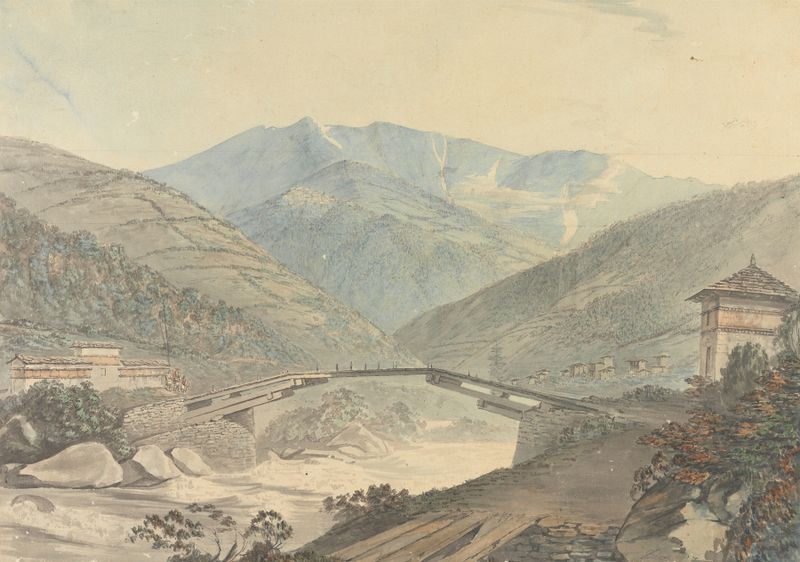
View near Tassisudon [Tashicho Dzong] in Bhutan
Samuel Davis
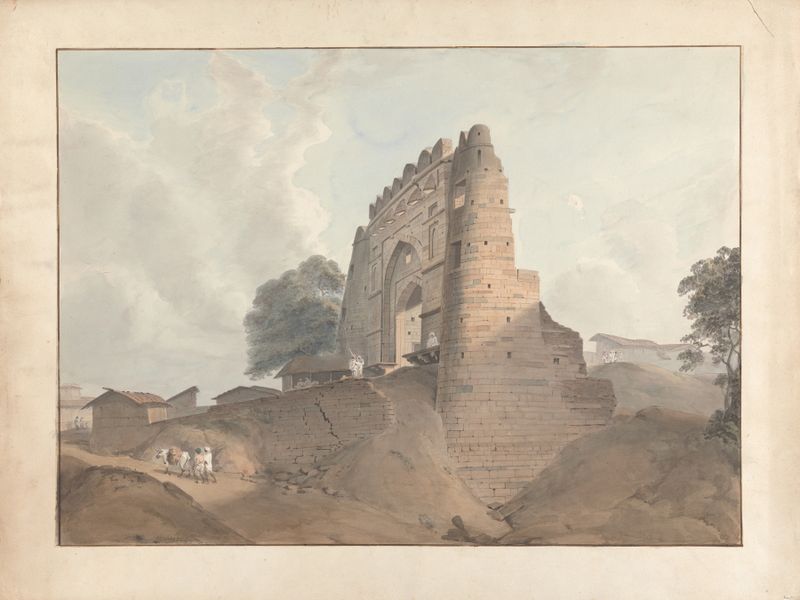
Gate of the Old Fort at Old Benares
Samuel Davis
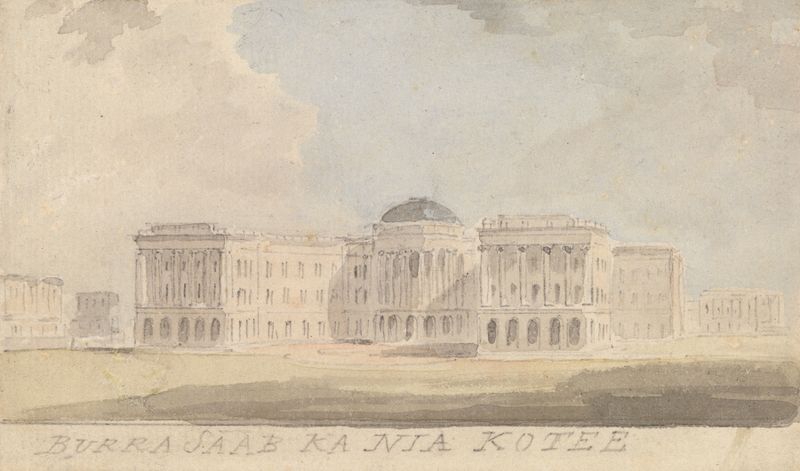
New Government House at Calcutta
Samuel Davis
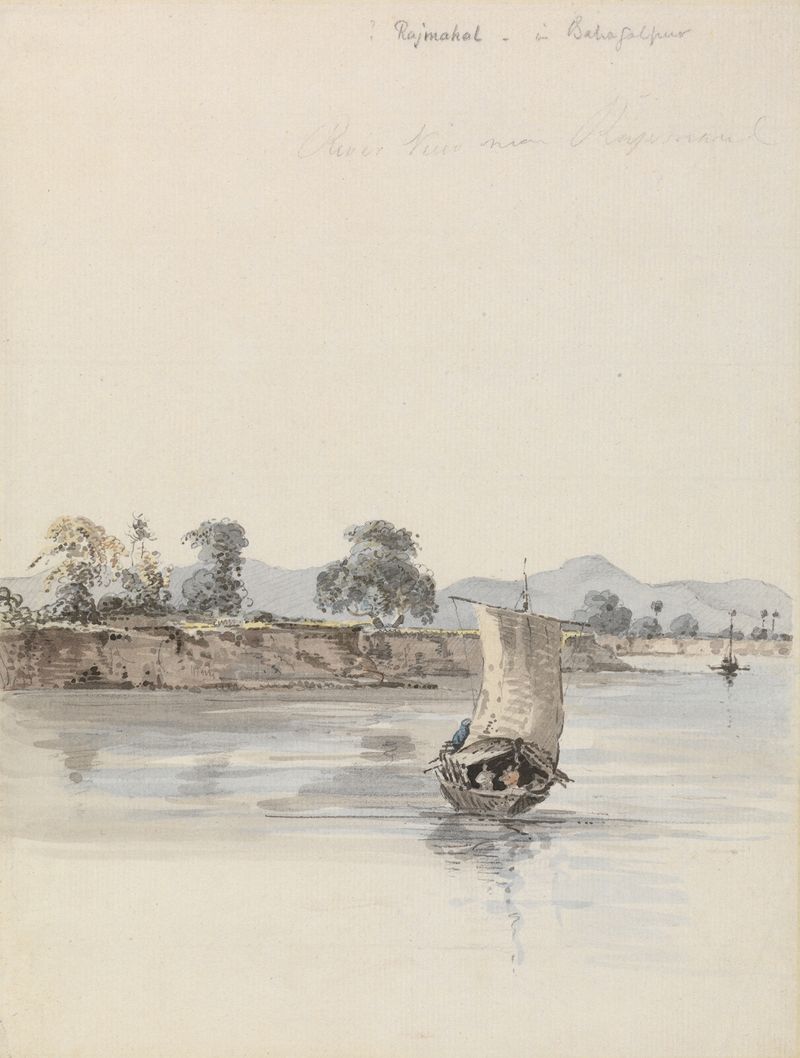
River View near Rajmahal
Samuel Davis
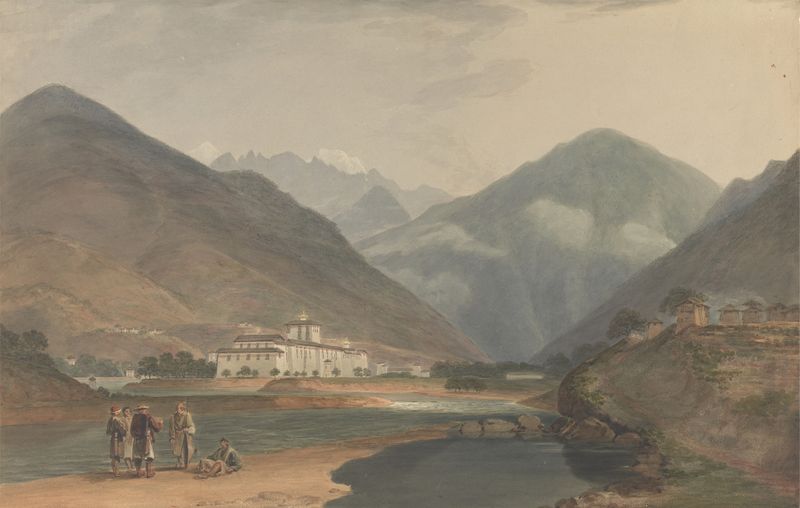
The Former Winter Capital of Bhutan at Punakha Dzong
Samuel Davis
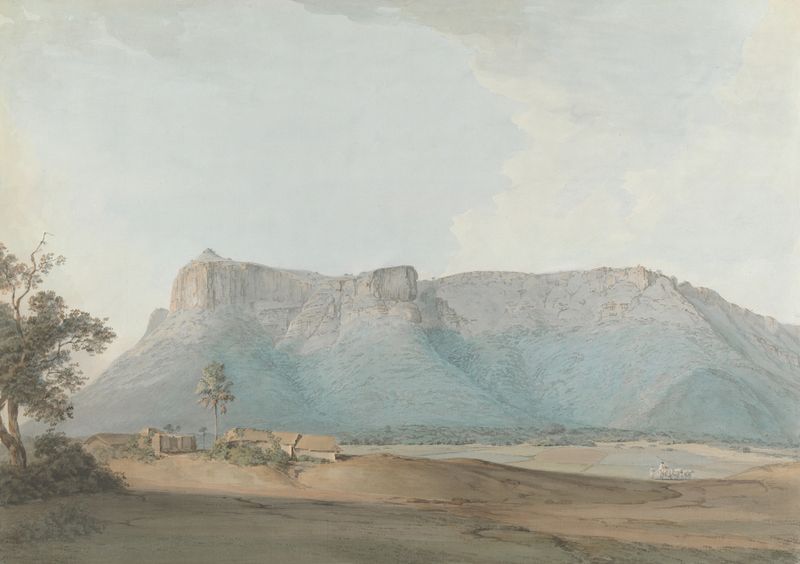
Rhotas from Akberpore
Samuel Davis
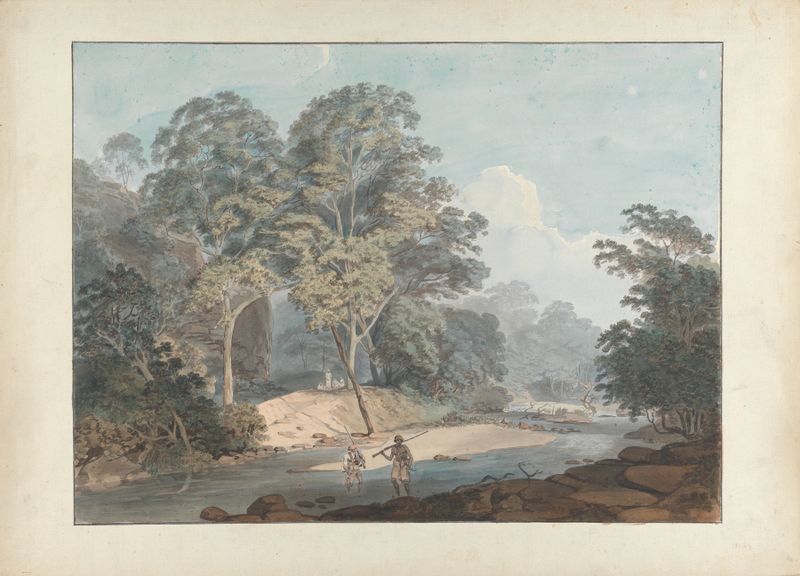
Rocky River Scene with Sepoys
Samuel Davis
West Country Town by a River
Samuel Davis
The Annual Resort of Hindoos to Mundar Hill near Bhagulpore [Bhagalpur]
Samuel Davis





